Korean Cuisine
South Korea is particularly renowned for the variety and quality of its cuisine. Its great classics are often shared across the four corners of the globe in a unique repertoire while maintaining the fame of its taste in all its original forms and preparation methods.
South Korea is particularly renowned for the variety and quality of its cuisine. Its great classics are often shared across the four corners of the globe in a unique repertoire while maintaining the fame of its taste in all its original forms and preparation methods. It's clear that Korean cuisine stands absolutely apart from those of its neighboring countries such as Japan, Thailand, and China. Nevertheless, you'll find similarly subtle flavors in certain provincial Chinese cuisines, with the exception of Hubei (in northern China). It's important to know that in South Korean culinary arts, chili peppers are used extensively (particularly in kimchi or gochujang), and sesame in oil and seed form remains an essential seasoning for preparing dishes. However, there are some subtle regional variations in cuisine throughout this wonderful peninsula. Notably, the cuisine of the northern regions is less spicy than that of the southern regions, especially regarding the national dish known as kimchi.
Moreover, South Korean cuisine cannot be simply summed up by its bulgogi (barbecue) or bibimbap (rice with marinated vegetables). It is primarily recognized for its balance, refinement, and diversity. One could say that the secret of this culinary art has greatly piqued the curiosity of Korean food enthusiasts. Yet the magic recipe is simply fermentation. It is the fundamental pillar of Korean gastronomy. Jang, kimchi, and other fermented dishes have greatly contributed to building its reputation as a healthy cuisine. It certainly holds an important rank, as it is one of the world's five healthiest cuisines.
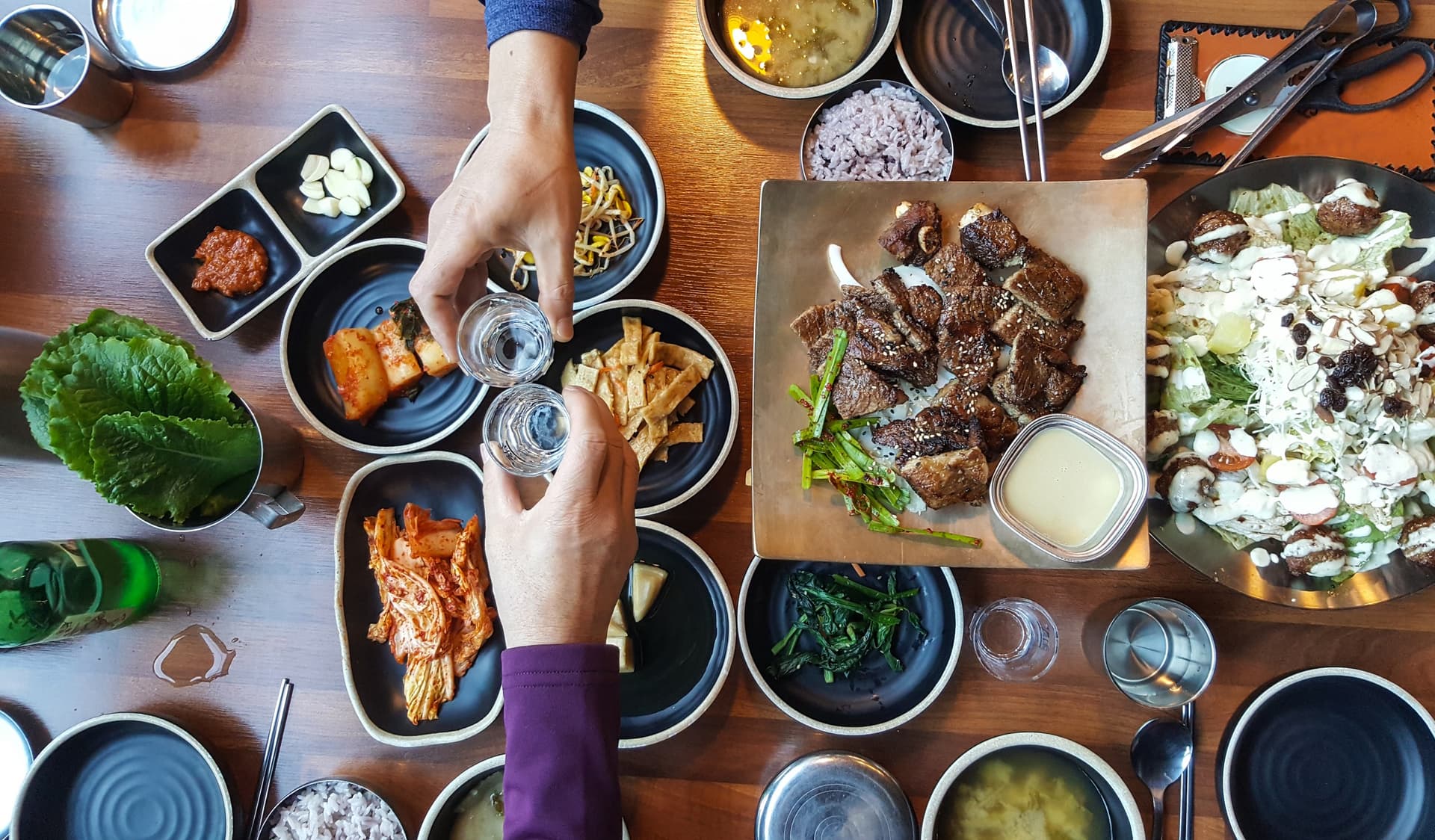
Often when speaking of Asian gastronomy, people tend to think of instant noodles or bowls of rice. Know that Asian cuisine is far more varied than you might imagine. Take, for instance, the South Korean culinary specialty, which remains a mystery to many Europeans, especially the French. South Korea, once known as the "Land of the Morning Calm," indeed has several types of deliciously flavorful dishes. In South Korean traditions, main dishes are often accompanied by an array of small appetizers called "banchan," served in small bowls. In short, there exists a wealth of dishes such as: kimchi (the national dish), crackers, various soups, tteokbokki, bibimbap, and so much more!
"Kimchi" is a dish made from fermented cabbage or lettuce, quite acidic and very spicy. It's even the staple food of Koreans and is almost systematically served as a banchan (side dish) with all meals or in noodle soups. As for the dish called "tteokbokki," it's frequently eaten in snack bars and quickly recognized as very popular street food. It consists of several cylindrical rice cakes sautéed in soy sauce, then served in a quite spicy sauce. Then there's also bibimbap, which means "mixed rice." This delightful dish is a mixture of rice with vegetables and meat or shrimp, all decorated with a fried egg.
Main Ingredients of South Korean Cuisine
As ingredients, Koreans often use different types of starches, distinguished as follows:
- Rice: plain or infused with sesame oil as in the "bibimbap" dish
- Sweet rice flour, used to make "tteokbokki"
- Sweet potato for cooking sweet potato vermicelli such as "dangmyeon"
- Lotus root, also called "yeongeun"
- Buckwheat, generally for a type of buckwheat noodle
- Millet, a type of cereal crop with very tiny grains
Koreans also use numerous seasonings as ingredients:
- Sesame (omnipresent)
- Chili pepper
- Salt and sugar depending on the dish
To create perfectly delicious cuisine, Koreans have a range of choices regarding protein sources:
- Beef, one of the most used meats in South Korean cuisine
- Soybeans (yellow, green, black) in various forms, as grains, paste, fermented, as tofu, as well as other beans, such as adzuki.
- Chicken
- Pork
- Seafood