Mount Taehwa (태화산)
Mount Taehwa, in North Chungcheong Province near Chungju, captivates with its colorful autumn forests, accessible trails, and small Buddhist sanctuaries set in a calm, unspoiled landscape.
Mount Taehwa (태화산) rises in North Chungcheong Province, not far from Chungju. Blanketed in pine and oak forests, it encompasses the Buddhist temple Magoksa within its historical sphere of influence and draws Korean hikers for its accessible trails and striking autumn foliage. The site remains little frequented by foreign visitors, lending it a calm and authentic atmosphere.
What to See
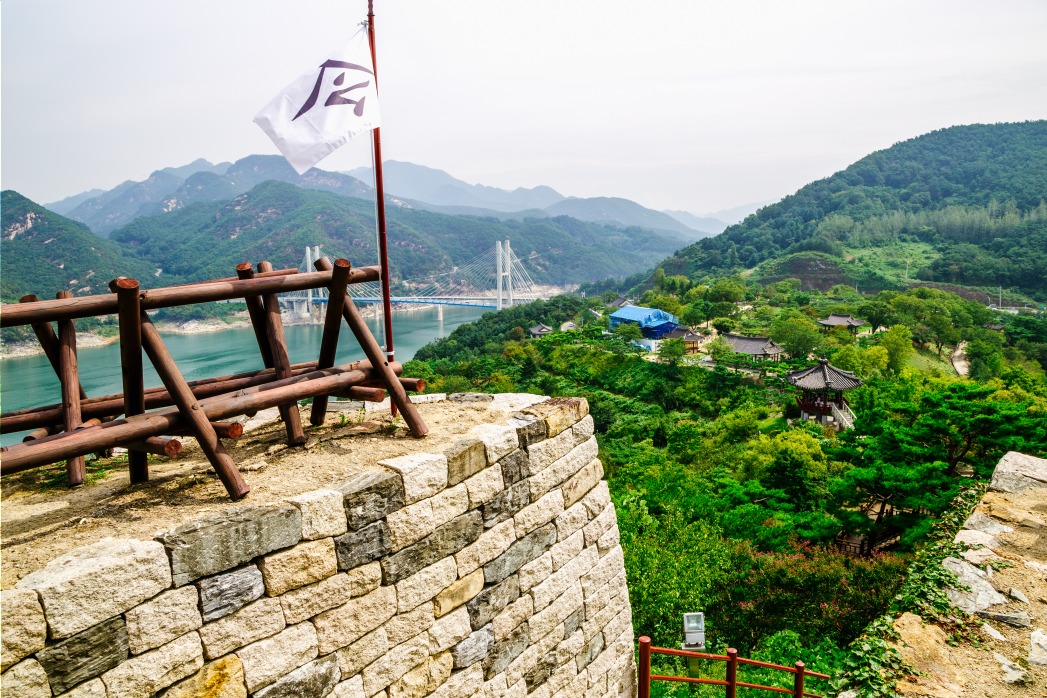
Mount Taehwa offers forested trails that traverse areas of dense vegetation. The slopes harbor characteristic rock formations typical of central Korea's mountains. In autumn, maples and ginkgos paint the hillsides in reds and golds. Small Buddhist temples and hermitages punctuate certain routes.
History and Context
The North Chungcheong region is historically linked to Korean Buddhism. Several mountains in the province served as refuge for monks during periods of turmoil. Mount Taehwa fits within this tradition of sacred mountain, though its influence remains regional rather than national.
Highlights of a Visit
Hiking the Main Trails
Mount Taehwa's trails suit intermediate-level hikers. Well-marked paths allow you to reach the ridges with clear views over surrounding valleys and the Chungcheong hills.
Autumn Colors
Autumn (October–November) is the most sought-after season. The mixed forests produce a particularly dense gradient of colors across the northern slopes. October weekends see Korean families arriving for picnics.
Hermitage Atmosphere
Several small Buddhist sanctuaries dot the trails. They offer moments of quiet and bear witness to the long monastic presence in these mountains.
Photography Tips
Morning light is most favorable on east-facing ridges. In autumn, backlighting in late afternoon makes the warm tones of foliage stand out. Areas near hermitages offer compositions blending traditional architecture with vegetation.
Location and Access
Mount Taehwa sits in North Chungcheong Province. Chungju is the nearest reference city with bus connections from Seoul (Dong Seoul Station or Express Bus Terminal). From Chungju, local buses or a taxi will take you to the mountain trailhead. The road is accessible by car, with parking at the main trail departure points.
Nearby
- Lake Chungju — large artificial reservoir surrounded by hills, popular for cruises and lakeside scenery.
- Cheongnyongsa Temple — Buddhist temple in the region, accessible from the Chungju area.
- Chungju Downtown — local markets and regional cuisine, notably ginseng and Chungcheong specialties.
Frequently asked questions
Autumn (October to early November) is the most spectacular season for foliage colors. Spring also offers beautiful blossoms. Summer is hot and humid; winter makes certain trails slippery.
The main trails are moderate in difficulty. Hiking shoes with good grip are recommended. Some rocky sections require care, especially after rain.
Near Buddhist sanctuaries, maintain a calm and respectful demeanor. Avoid overly light clothing inside religious buildings and ask permission before photographing monks or ceremonies.
Lake Chungju is easily visited the same day. Chungju has decent accommodation for a two-day base allowing you to explore the mountain and surroundings.
Access to hiking trails is generally free in Korea for regional mountains of this type. An entrance fee may apply if you pass through a temple managing access to its grounds — check on site.
Interested in this visit?
We can include it in your personalised itinerary.