Seoul
Seoul
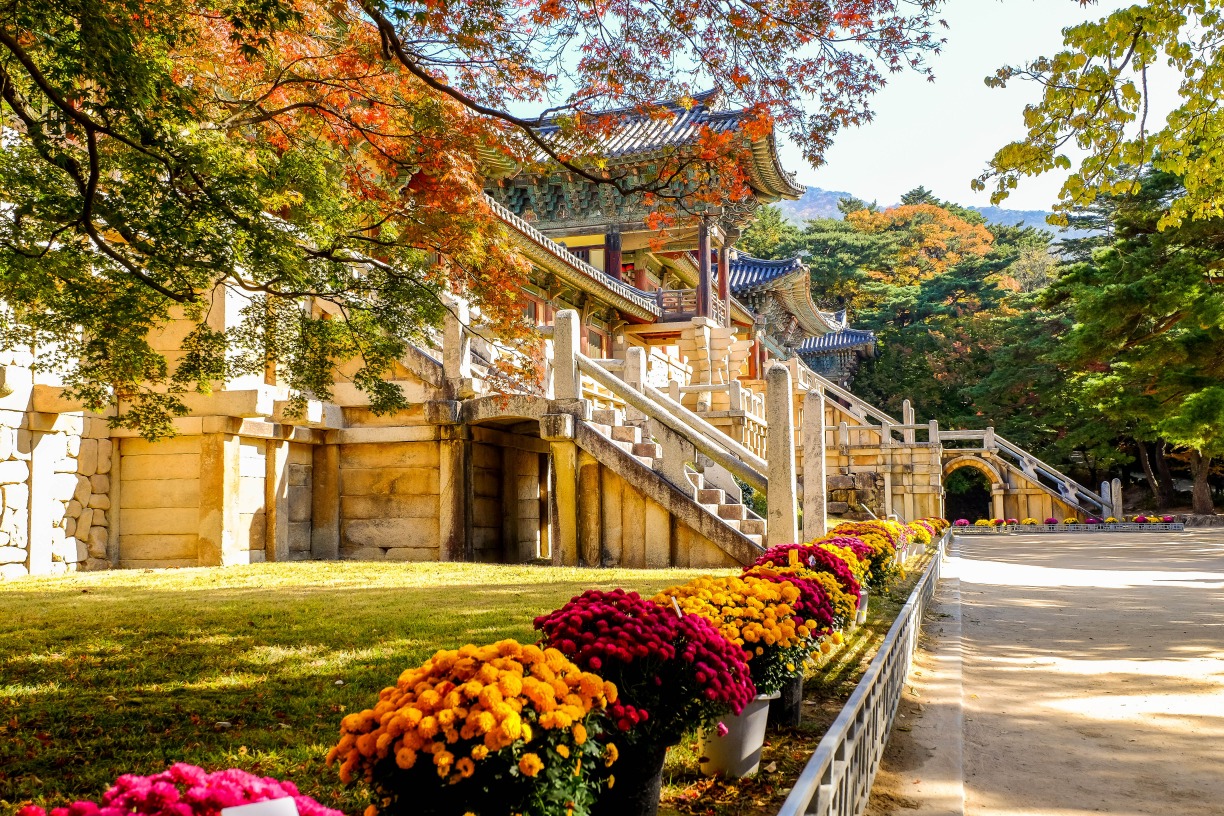
Seoul presents itself as a city of two faces: on one side, the chic and vibrant atmosphere of the business districts compares it to a metropolitan city, a worthy rival of Hong Kong or Tokyo; on the other side, the soul of the old city revives, to the delight of strollers, in the palaces of the Joseon dynasty and Buddhist temples.
Seoul presents itself as a city of two faces: on one side, the chic and vibrant atmosphere of the business districts compares it to a metropolitan city, a worthy rival of Hong Kong or Tokyo; on the other side, the soul of the old city revives, to the delight of strollers, in the palaces of the Joseon dynasty and Buddhist temples. Poetic, picturesque, joyful and trendy all at once, South Korea's capital will appeal to nature lovers, to singles eager for wild celebrations, but also to vacationers seeking to share magical moments with family.
Host city of the Asian Games in 1986, the Summer Olympics in 1988, and the G20 Summit in 2010, Seoul firmly asserts its international openness. Visiting Seoul means discovering another facet of Asia.
History
Seoul's history began in 1392, with the decline of the Goreyo dynasty and the rise of the Joseon dynasty. The city was declared capital by General Yi Seonggye, who, having betrayed the Goreyo army, decided to found a new royal line in Seoul, whose original name is "Hanyang".
From the 15th to the 17th century, the city of Hanyang experienced brilliant prosperity. It welcomed the Gyeongbokgung Palace where the royal family resided between 1395 and 1592, as well as Changdeokgung Palace, built by King Taejong and beautified by King Seonjo with an adorable landscape garden where royal ceremonies were held, such as archery tournaments and fireworks displays.
Seoul prides itself on being the historic heart of Korea. It witnessed a succession of important events such as the construction of Hanyangdoseong – Seoul's circular fortress that isolated the kingdom from foreign powers for over a hundred years – Japan's annexation of the country in 1910, Korea's liberation in 1947, or the Korean War of 1950 that opposed North Korea and Corée du Sud.
Today
In 1945, following the end of Japanese occupation, Korea acquired the status of an independent nation. The capital, which was called "Hanyang" during the reign of the Joseon kings, then "Gyeongseong" during the colonial regime, was renamed Seoul.
Following the Korean War of 1950, Seoul recovered by pursuing an ambitious industrial policy with U.S. support. Urbanization progressed, skyscrapers set the tone, and the city revealed the face of an economic and technological powerhouse where everything seemed possible. However, memories of the old royal city flourished everywhere.
Seoul is among the world's most frequently visited tourist destinations. In 2014, it ranked 9th among the most visited cities on the planet and 4th for tourism-related spending.
Points of Interest to Visit
The city is home to shopping centers, enormous theme parks, hiking trails alongside picturesque natural settings, as well as major public squares. Seoul is a dynamic and vibrant city that reveals a different atmosphere through each of its neighborhoods. From its incredible business center in Gangnam, its historic area with its numerous temples and imperial palaces in Jongno, or the lively nightlife of its student districts in Hongdae and Sinchon, there's no doubt Seoul will awaken all your senses.
Historic Sites
The Great Palaces of the Joseon Era
History enthusiasts will appreciate lingering in one of Seoul's medieval structures. The Gyeongbokgung Palace, Gyeonghuigong Palace, Changgyeonggung Palace, Changdeokgung Palace, and Deoksugung Palace were built by the kings of the Joseon dynasty, who ruled South Korea from the late 14th century until the 19th century.
Gyeongbokgung Palace, which served as the main residence of the imperial family, is the largest and most remarkable of the five buildings. Destroyed during Japanese occupation, it underwent large-scale restoration. The changing of the royal guard at the Gwanghwamun Gate – the main entrance to the palace – has become a flagship attraction for tourists.
The secondary palace Changdeokgung delights visitors with its location at the foot of mountains and its magnificent wooded garden, where plum trees, hornbeams, white oaks, maples, and pines provide soothing shade to strollers.
Jongmyo Shrine
A place where Confucian principles still resound! Inscribed on the UNESCO World Heritage List beginning in 1995, Jongmyo Shrine is a Confucian temple frequented by members of the royal family. Kings once visited to make wishes and pay respects at the relics of their venerable ancestors. Today, the shrine continues to perpetuate traditions of music and dance established over 500 years ago.
Natural Sites
Bukhansan National Park
Literally meaning "park of the Great Northern Mountain," the park lives up to its name. It's a picturesque place crossed by valleys, rivers, and majestic granite peaks, with abundant vegetation. It lends itself to multiple activities, including picnicking, hiking, mountaineering, visiting timeless temples as well as capturing splendid nature scenes in photographs. The best time to visit is spring, when the blooming of trees adorns the mountain with a thousand colors.
Namsan Park
Perched at 262 meters above sea level, Namsan Park is a restful retreat away from the capital's hustle and bustle. Once at the summit, tourists will enjoy an unobstructed view of the Maritime Aquarium, Namsan Library, and the N Seoul Tower, itself crowned with a revolving restaurant where diners travel on their own seats. An egg-shaped cable car will transport you to the top of the Tower.
Jangchungdan Park
Close to Namsan, the Jangchung urban park alternates between flower gardens, shrubs, and pretty streams. Within the park, you'll find a tea house with an intimate atmosphere! Let yourself be captivated by the beauty of the place, listening to the sound of the waterfall flowing nearby.
Han River Municipal Park
Arranged along the riverbanks, this 700-hectare municipal park is a space dedicated to relaxation and rest. Seoulites love to visit on weekends to get fresh air, cycle or jog, or even water ski. The park also offers lakes and a small island perfect for pleasure boating, bird photography, and romantic sunsets. Here's a destination recommended for a romantic getaway in Seoul!
Along Cheonggyecheon Stream
Inspired by the model of the Parisian Seine, the Cheonggyecheon River flows through the capital over a course of 13 km. A stroll along the riverbanks is essential for travelers, as the riverside areas host numerous musical and cultural events throughout the year.
Leisure Areas
If you're planning to visit Seoul with family, theme parks are tourist destinations that will delight your children.
– Everland Park: beyond the high-adrenaline installations, the park houses animal reserves (giant pandas, giraffes, tigers, various primate species, etc.) that will satisfy visitors of all ages;
– Seoul Land Park: Less thrilling than Everland, Seoul Land Park has the advantage of being close to the city, a criterion to consider when traveling with children.
– Caribbean Bay: this immense water park is managed by Samsung Everland. Wave pool, water slides, flumes, or diving… The choice is wide!
– Other theme parks: Children's Grand Park or Lotte World.
Must-Do Activities in Seoul
You can do almost anything in South Korea's capital – except get bored! A selection of activities will keep travelers entertained and engaged:
– taste the excellent local specialties;
– visit Gyeongbokgung Palace, the capital's most emblematic icon;
– tour Changdeokgung Palace, a masterpiece of natural beauty and simplicity;
– spend a dream day at Everland Park;
– pay respects at the royal mausoleums of the Joseon dynasty that stand at the heart of Seoul;
– visit the historic villages of Hahoe and Yangdong: wooden huts, livestock raising, and vegetable gardens;
– strike a pose in front of the Hwaseong Fortress;
– take a guided tour of Jongmyo Confucian Shrine;
– stroll along the Han River during spring's cherry blossom season and rent a pleasure boat on Yeouido Island;
– watch the Jump theater show, a world-renowned South Korean comedy where gestures and martial arts substitute for words;
– enjoy a 360-degree view of the city from the top of the N Seoul Tower.
Best Season to Visit
Burning hot summers are not the ideal season for a trip to Seoul. Moreover, rain is frequent from June to August, which can inconvenience visitors hoping to tour the city's treasures. During winter, which extends from December through late February, a bitter and icy cold reigns everywhere. The best times for a vacation in Seoul remain autumn (September to November) and spring (April to June). The sun shines throughout the day, and trees display beautiful spring colors.
For foreigners, flying is the easiest and most practical way to come to Seoul. International flights land either at Incheon Airport or Gimpo Airport. Air France is, along with Korean Air, the only airlines offering a direct flight to Seoul from France.
Incheon Airport, located 52 km from Seoul's center, handles the most international traffic. At the airport entrance, you can take a bus or an express train from the AREX Express Service group to reach your accommodation.
Attractions in Seoul
See all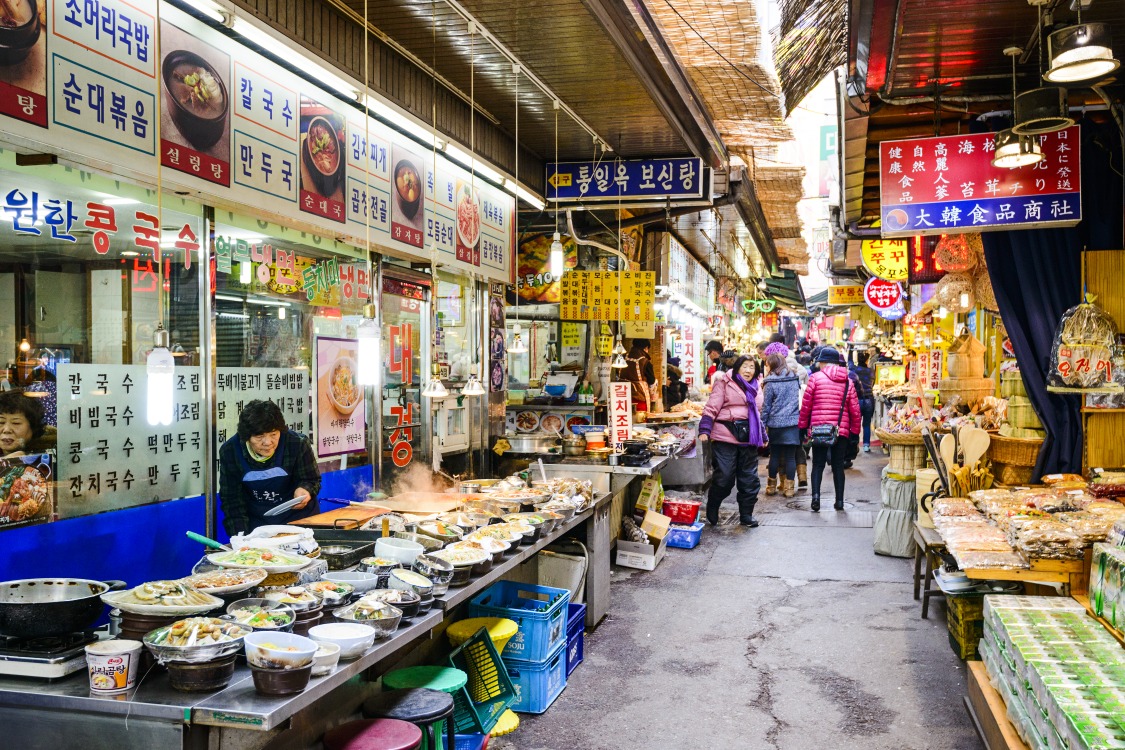
Marché de Dongdaemun
Également appelé Tongdaemun ou DDM, le marché de Dongdaemun occupe le quartier de Jongno-gu, dans le centre-est de Séoul. Ce vaste complexe commercial mêle marché traditionnel, tours de mode
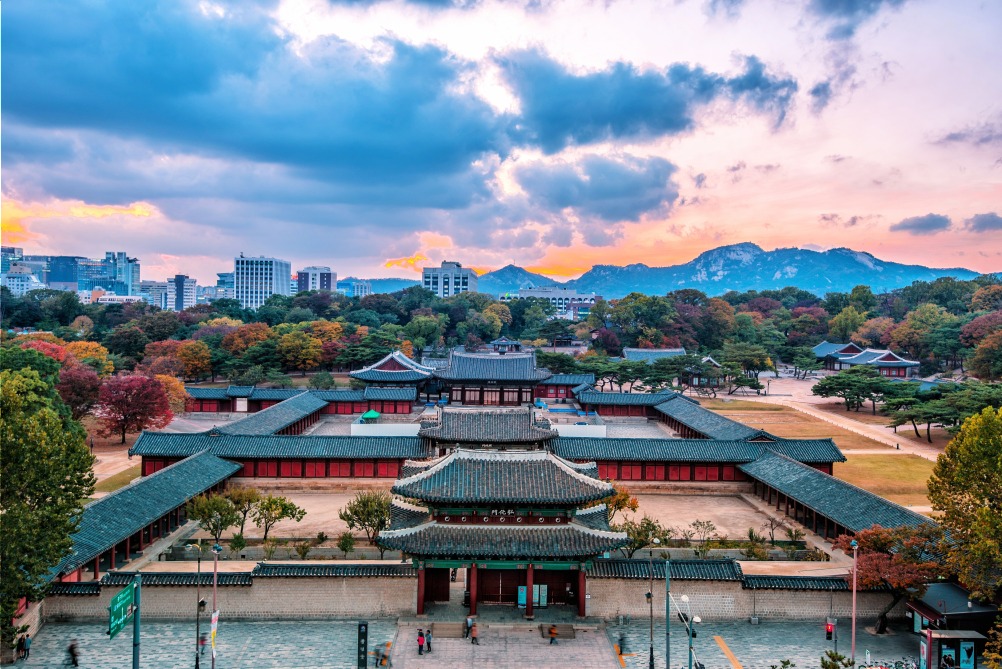
Palais Changgyeongggung
Le palais Changgyeonggung, situé dans le centre historique de Séoul, fait partie des cinq grands palais de la dynastie Joseon.
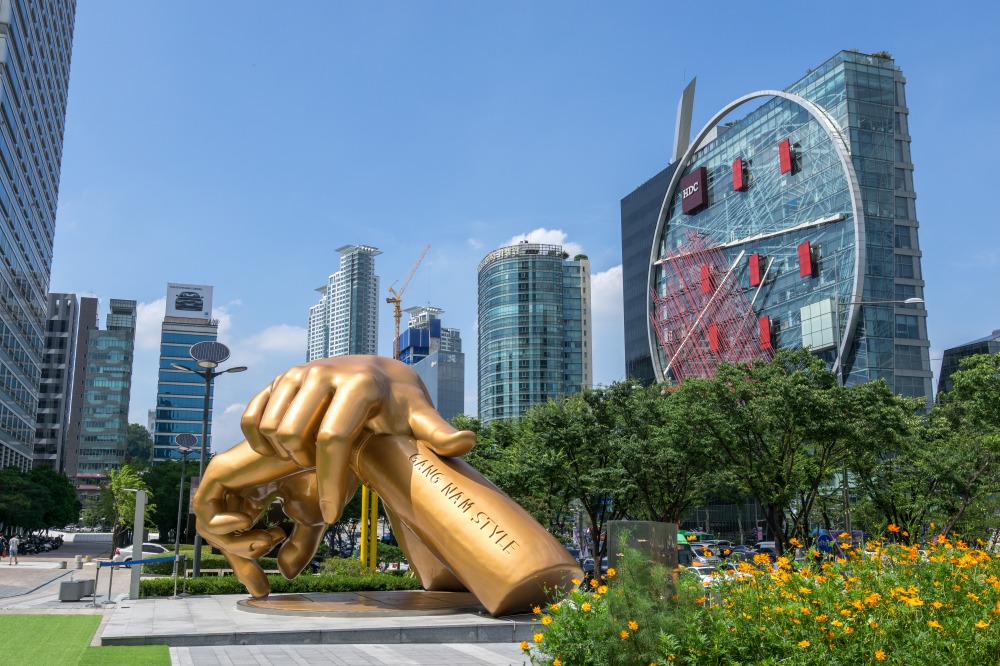
Quartier Gangnam
Gangnam, dont le nom signifie littéralement « au sud de la rivière », est un arrondissement de Séoul situé en bordure de la rivière Han. Ce district concentre sièges d'entreprises, centres commerciaux
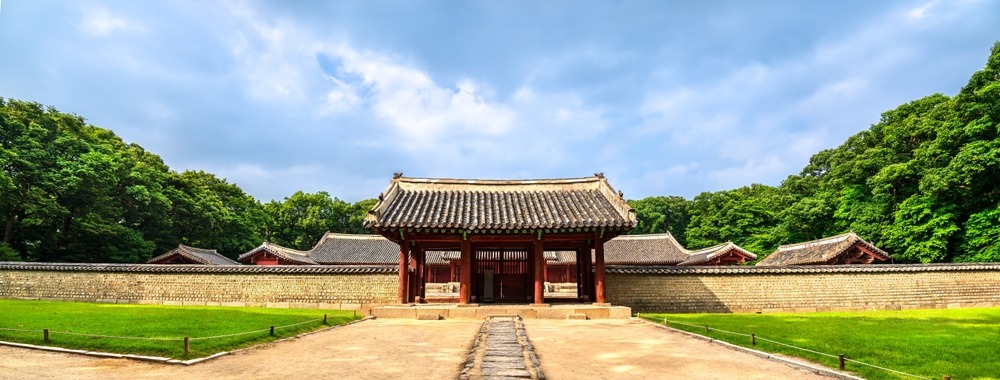
Le sanctuaire de Jongmyo
Le sanctuaire de Jongmyo, situé à Séoul non loin des palais royaux, abrite les tablettes spirituelles des rois et reines de la dynastie Joseon.
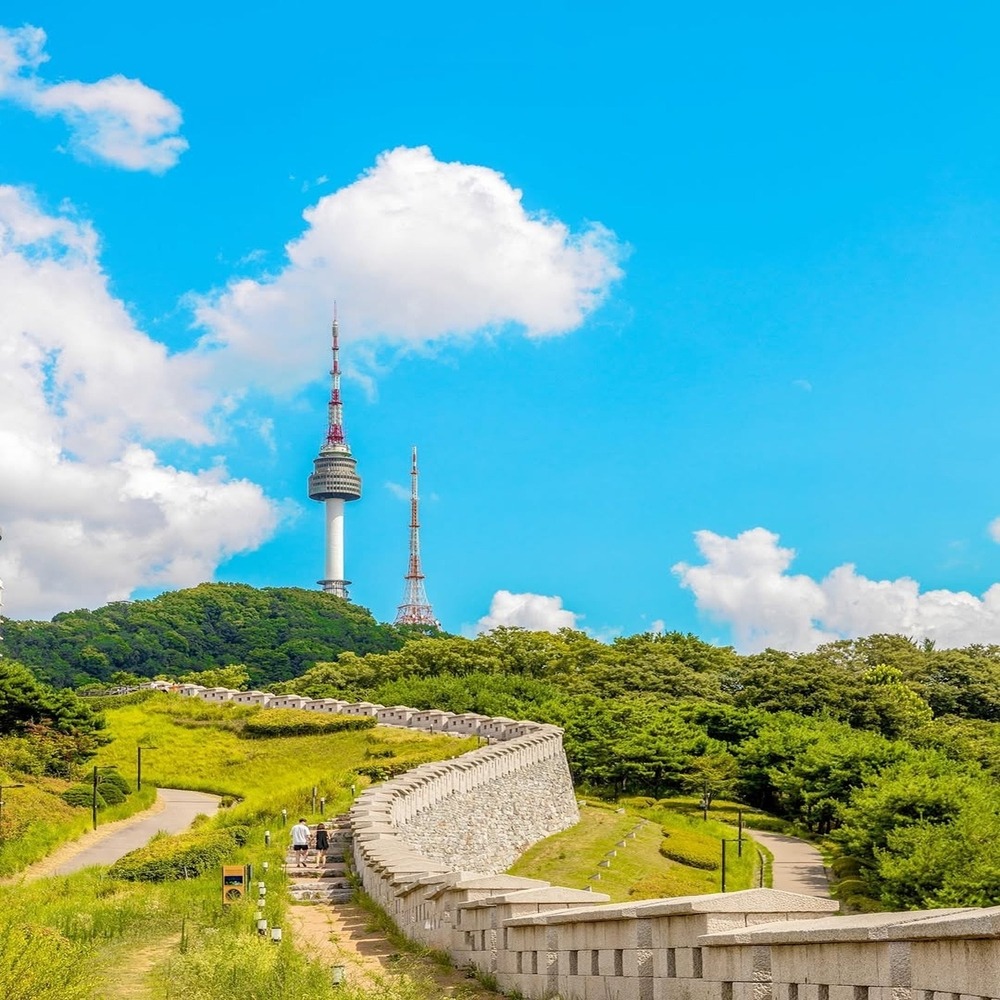
La Namsan Seoul Tower
La Namsan Seoul Tower, aussi appelée N Seoul Tower, est une tour de télécommunications de 236,7 m culminant sur le mont Namsan, au centre de Séoul. Sa silhouette domine la capitale sud-coréenne
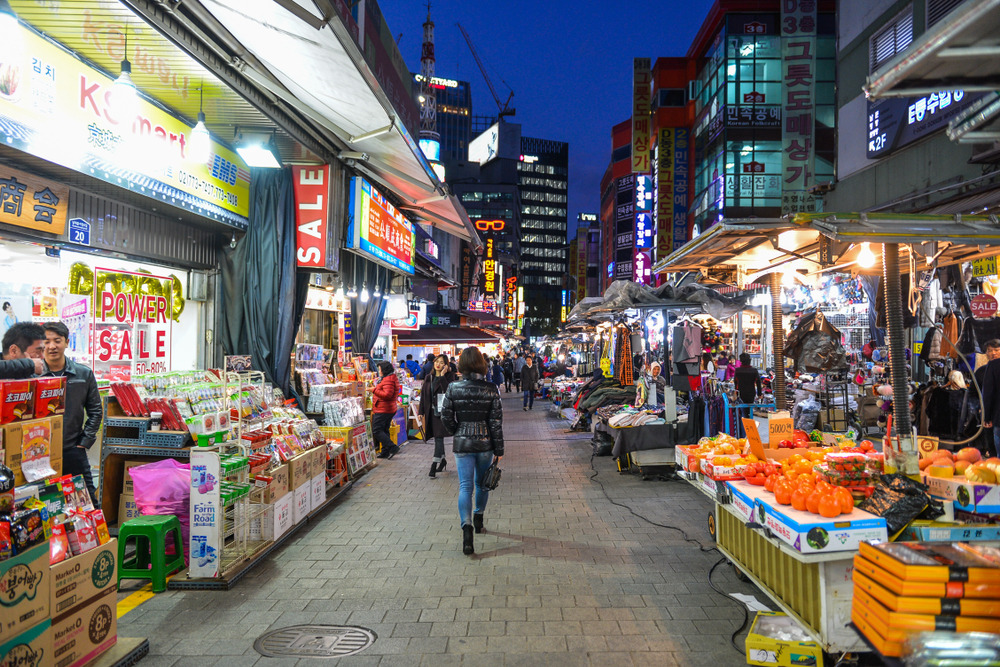
Le marché de Namdaemun
Au pied de l'ancienne porte fortifiée qui lui a donné son nom, le marché de Namdaemun déploie ses ruelles marchandes sur plus de 66 000 mètres carrés au cœur de Séoul.
Want to discover this destination?
Our local advisors design your tailor-made trip.