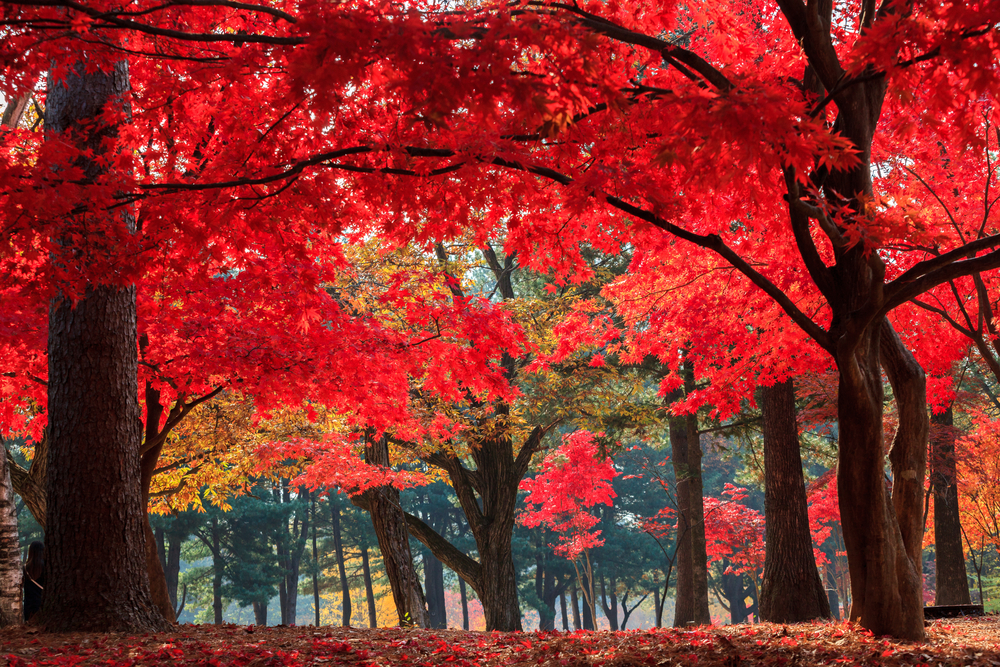
Gangneung
Gangneung
Gangneung, on the East Sea, combines pristine beaches, UNESCO-listed Confucian sites, ancient bamboo groves and one of South Korea's most vibrant coffee scenes. A complete destination just 2 hours from Seoul by KTX.
Gangneung is a coastal city in Gangwon province, on the East Sea (Sea of Japan). Known for its fine sandy beaches, centuries-old pine forests and thriving coffee culture, it is also the birthplace of Korean Confucianism and home to major historical figures. The 2018 Winter Olympics put it on the international stage.
Quick Facts at a Glance
- Access from Seoul: KTX from Cheongnyangni Station or Seoul Station — approximately 2 hours.
- Bus access: Express buses from Dong Seoul terminal, approximately 2 h 30.
- Recommended duration: 2 to 3 days to experience beaches, historical sites and gastronomy.
- Best season: Spring (April–May) and autumn (September–October) for calm weather; summer for beaches, but very crowded.
- Accessibility: KTX station and city centre are accessible; some historical sites have uneven terrain.
What to See
Gangneung concentrates varied landscapes across a compact area. Gyeongpo Beach and its namesake lake form the natural heart of the city. The historic quarter is home to the Confucian Hyanggyo (Confucian school) and Ojukheon villa, the birthplace of philosopher Yulgok and painter Shin Saimdang. Along the waterfront, a concentration of independent cafés has given rise to Anmok's "Coffee Street."
History and Context
Gangneung is one of Korea's oldest cities, mentioned in chronicles dating back to the Goryeo kingdom. It was an administrative and cultural centre of the Yeongdong region. Ojukheon villa, built in the 15th century, is one of Korea's oldest wooden structures. Shin Saimdang's portrait appears on the 50,000 won note, testament to the city's cultural influence.
Highlights of Your Visit
Ojukheon and Municipal Museum
Ojukheon villa is designated a National Treasure. It houses the room where Yi I (Yulgok), a 16th-century Confucian philosopher, was born. The adjoining museum showcases works by Shin Saimdang, the first woman to appear on a Korean banknote. The black bamboo grove (ojuk) surrounding the house is remarkable in every season.
Gyeongpo Lake and Beach
Gyeongpo Lake is separated from the sea by a narrow strip of sand bordered by pines. The Gyeongpodae pavilion, perched on the shore, offers panoramic views of the lake and mountains. In summer, the beach draws crowds; off-season, the lakeside walk is peaceful and photogenic.
Anmok Coffee Street
This waterfront has become a cultural phenomenon: dozens of independent cafés line the seafront. Coffee culture in Gangneung is serious—the city hosts the Korea Coffee Festival each year. Local roasters work with carefully selected single origins.
Jungang Market
The Jungang covered market is the best place to taste local specialties: chodang sundubu (silky tofu made with sea water), ojingeo (dried squid) and rice cakes. The atmosphere is authentic, far from Seoul's tourist-oriented markets.
Photography Tips
- Gyeongpodae: Golden light in late afternoon, pavilion reflections on the lake.
- Ojukheon: The bamboo grove is photogenic early morning, before visitor crowds arrive.
- Anmok: Sunset over the sea from café terraces—due west orientation is ideal.
- Restrictions: Some interior areas of Ojukheon prohibit photography; respect posted signs.
Location and Access
Gangneung lies on South Korea's east coast, approximately 230 km from Seoul. The Gyeonggang KTX line, opened for the 2018 Olympics, reduced travel time to about 2 hours. Within the city, local buses serve major sites. Bike rental is convenient for exploring Gyeongpo Lake. A taxi or local bus connects the KTX station to the city centre in under 20 minutes.
Nearby Attractions
- Woljeongsa Temple — 9th-century Buddhist temple nestled in a fir forest in Odaesan National Park, approximately 50 km west.
- Sokcho — Coastal town to the north, gateway to Seoraksan National Park and its granite peaks.
- Odaesan National Park — Forest hiking trails, spectacular foliage in autumn.
- Jeongdongjin — Coastal village south of Gangneung, famous for sea sunrises and its giant hourglass clock.
Frequently asked questions
Spring (April–May) and autumn (September–October) offer pleasant weather and fewer crowds. Summer is ideal for beaches but very busy. Winter attracts snow sports enthusiasts to nearby resorts.
The KTX is the fastest option: approximately 2 hours from Cheongnyangni or Seoul Station. Express buses from Dong Seoul terminal take about 2 h 30 and cost less.
Chodang sundubu (silky tofu made with sea water) is the city's signature dish. Dried squid (ojingeo) and fresh seafood at Jungang Market are also essential.
One day allows you to see Ojukheon, Gyeongpo Lake and Anmok Coffee Street. To combine beaches, the market and excursions to Woljeongsa or Jeongdongjin, plan for at least two nights.
At Ojukheon, some interior areas prohibit photography. Stay on marked paths to preserve the designated wooden structures. No special dress code is required for Gangneung's civil heritage sites.
Local buses cover main sites. Bike rental is convenient around Gyeongpo Lake. Taxis are available and affordable for trips between distant attractions.
Want to discover this destination?
Our local advisors design your tailor-made trip.