Jongmyo
Jongmyo
Jongmyo is Seoul's royal Confucian shrine, inscribed as a UNESCO World Heritage site since 1995. It houses the ancestral tablets of the Joseon dynasty kings and queens, and each May welcomes a solemn ritual that has been performed for six centuries.
Jongmyo is Seoul's royal Confucian shrine, inscribed as a UNESCO World Heritage site since 1995. Erected in the late 14th century, it houses the ancestral tablets of the kings and queens of the Joseon dynasty. Each year, a solemn ritual perpetuates a tradition spanning six centuries. It is one of the rare places in Seoul where time seems genuinely suspended.
Practical Information at a Glance
- Admission: paid (modest fee); free for children under 7 and seniors over 65
- Access: Metro lines 1 and 3, Jongno 3-ga Station (종로3가), exits 8 or 11
- Weekly closure: Tuesdays
- Recommended duration: 1 to 1.5 hours
- Guided tours: free guided tours in multiple languages at set times; outside these slots, self-guided access is available
- Accessibility for people with reduced mobility: partially accessible; main walkways are navigable, though some paved areas are uneven
What You'll See
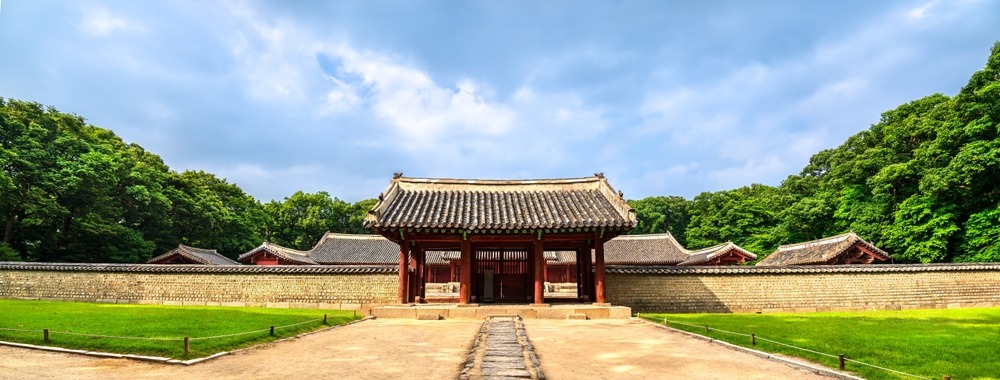
The shrine comprises two main buildings. The Jeongjeon (main hall) is one of Korea's longest wooden structures: a continuous gallery houses 49 royal ancestral tablets. The Yeongnyeongjeon (hall of eternal peace) accommodates the tablets of collateral ancestors. The white gravel courtyards, century-old pine trees, and reflecting pools form an ensemble of striking simplicity.
History and Context
Founded in 1395 by King Taejo, founder of the Joseon dynasty, Jongmyo was destroyed during the Japanese invasions of 1592 and rebuilt in the early 17th century. Confucian philosophy placed ancestor veneration at the heart of royal power: honoring the deceased ensured the legitimacy of the living sovereign. This logic explains the deliberately austere design, free of superfluous ornamentation.
Highlights of Your Visit
The Jeongjeon
The main hall stretches over 100 meters across its facade. The minimalist architecture—dark wooden columns, double-pitched roof, absence of vivid colors—contrasts sharply with the neighboring palaces. The interior is not accessible to visitors, but the facade viewed from the courtyard creates a remarkable sense of depth.
The Jongmyo Jerye Ritual
On the first Sunday of May each year, the Jongmyo Jerye recreates the royal Confucian rite: procession in period costumes, food offerings, ritual music jeryeak performed on ancient instruments. This ritual, inscribed as UNESCO intangible cultural heritage, is open to the public. Arrive early to secure a good viewing spot.
The Gardens and Wooded Grounds
The park surrounding the shrine is one of the quietest green spaces in central Seoul. The shaded pathways between the two main halls offer a welcome respite, particularly in spring (cherry blossoms) and autumn (russet foliage).
Etiquette and Visiting Rules
- Quiet behavior is required in the inner courtyards.
- Do not walk on the central stone pathways: they were reserved for royal spirits.
- Photography is permitted in outdoor spaces; respect prohibition signs inside buildings.
- Neat attire is recommended; no strict dress code is imposed on visitors.
Photography Tips
Morning light, before the crowds arrive, is ideal for photographing the Jeongjeon facade without throngs of people. In autumn, the maples and ginkgos create striking contrast with the dark wooden columns. Frame from the end of the courtyard to capture the full length of the gallery. Avoid using flash in covered areas.
Location and Access
Jongmyo is situated in Jongno-gu district, in the historic heart of Seoul, just a short walk from Gyeongbokgung Palace and Changdeokgung Palace. Jongno 3-ga Station (lines 1 and 3) serves the site directly. The Insadong district is accessible on foot in under ten minutes.
Nearby Attractions
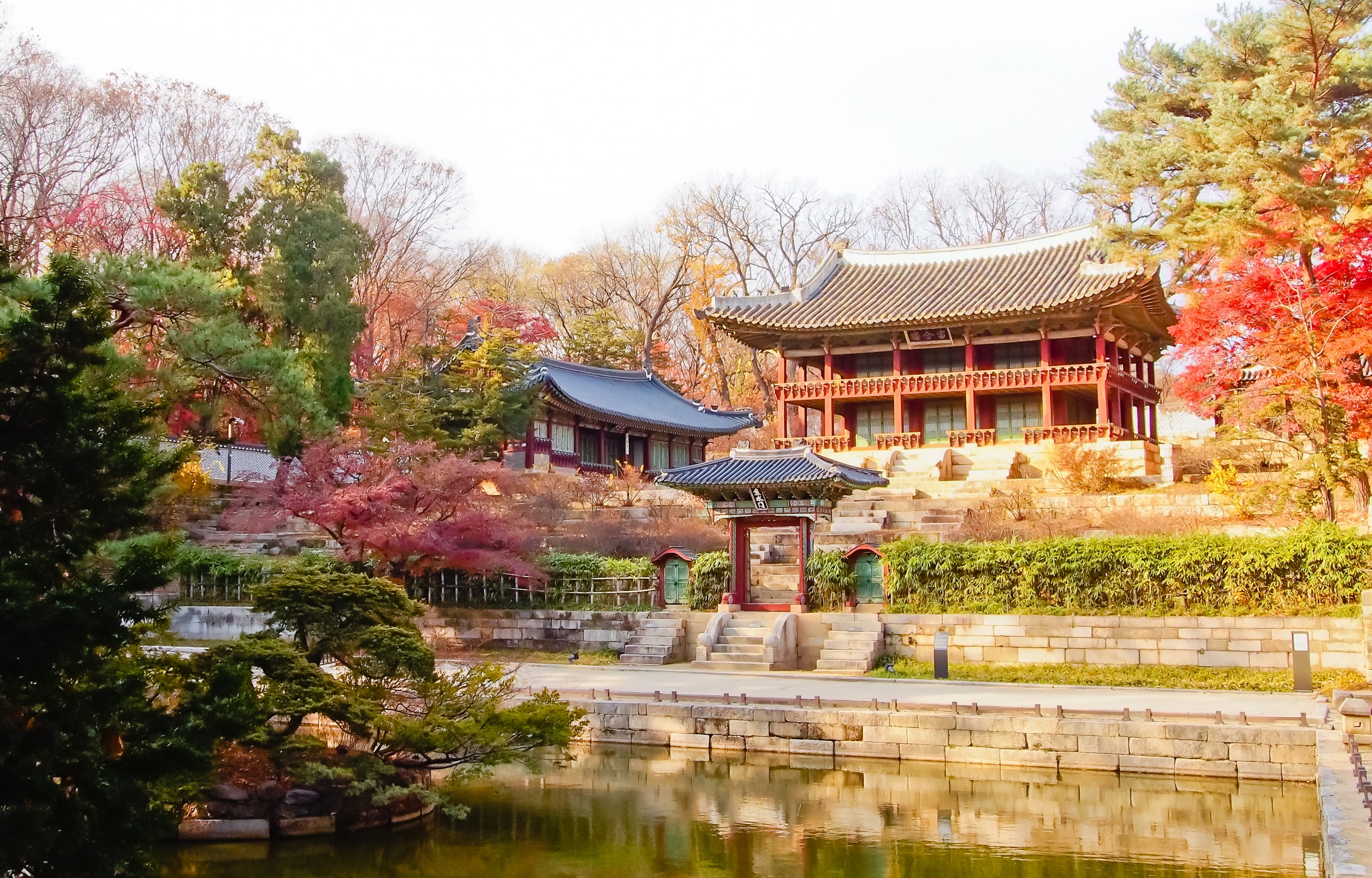
- Changdeokgung Palace — UNESCO-listed royal palace with its renowned Secret Garden, a short walk north.
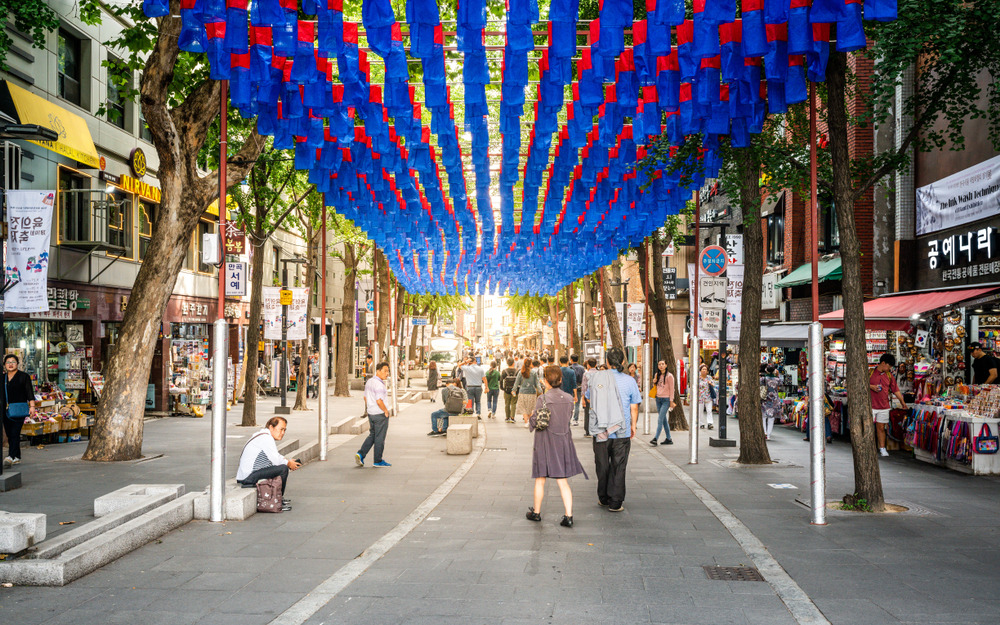
- Insadong — vibrant pedestrian street with art galleries, traditional teas, and Korean crafts.
- Bukchon Hanok Village — district of traditional hanok houses nestled between the royal palaces.
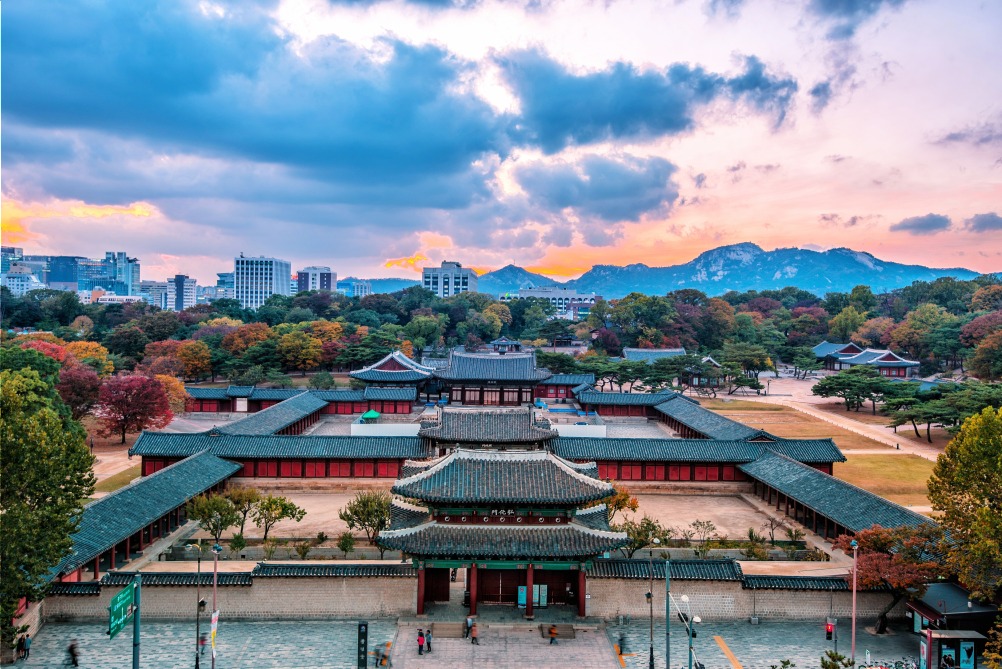
- Gyeongbokgung Palace — the largest palace of the Joseon dynasty, with a changing of the guard ceremony.
Frequently asked questions
Spring (April–May) and autumn (October–November) offer the most beautiful natural settings. On the first Sunday of May, the Jongmyo Jerye ritual brings the site exceptionally to life.
No advance reservation is necessary for regular visits. For the May ritual, it is advisable to arrive early in the morning to secure a good spot in the crowd.
Yes. The proximity to Changdeokgung, Gyeongbokgung, and Insadong makes it possible to group several visits in one day on foot or by metro.
It is permitted in outdoor spaces. Certain interior areas of the buildings prohibit photography; signs clearly indicate this on site.
The main walkways are wheelchair-accessible, but some gravel-paved or slightly elevated areas may present challenges.
Free guided tours in English and other languages are offered at set times. Outside these slots, self-guided exploration is possible with explanatory panels on site.
Nearby
Interested in this visit?
We can include it in your personalised itinerary.