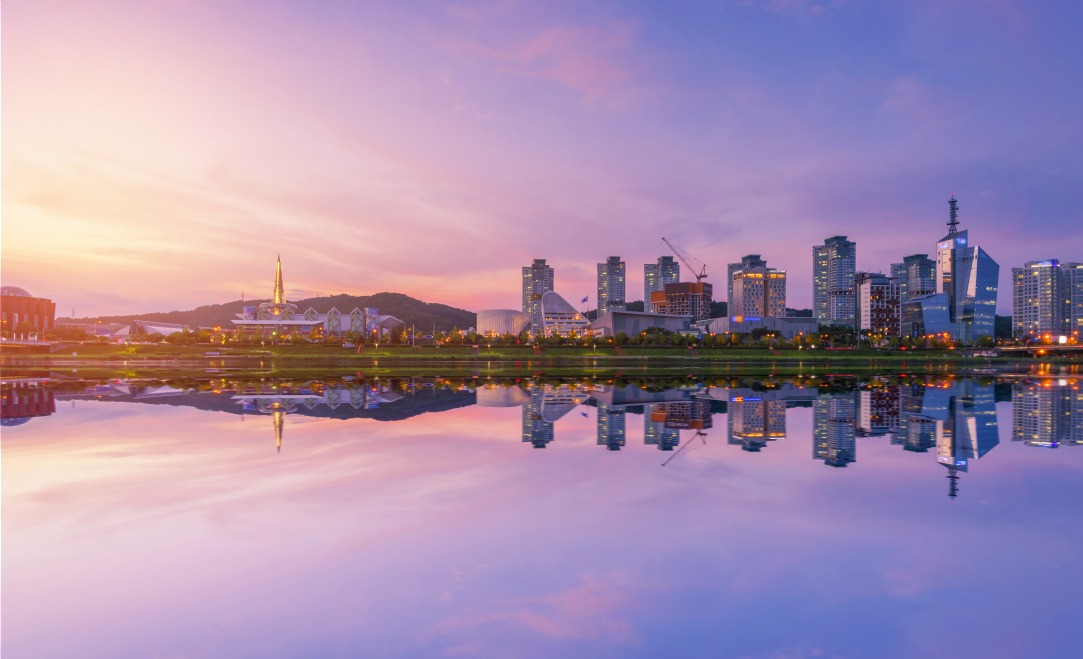
Sobaeksan National Park
Wooded ridges, royal azaleas in May, and the thirteen-century-old Buseoksa Temple: Sobaeksan National Park offers an immersion into Korean mountain terrain, nestled between Danyang and Yeongju, without the crowds of larger parks.
Sobaeksan National Park stretches across Chungcheongbuk-do and Gyeongsangbuk-do provinces in central South Korea. Its gentle ridges, beech forests, and Buddhist temples make it a favored destination for Korean hikers, particularly in spring for the royal azaleas and in winter for snow-covered landscapes. Less crowded than Seoraksan or Jirisan, it offers an immersion into mountain wilderness without excessive foot traffic.
Quick reference guide
- Entrance fee: park admission fee (rates vary by sector; free for some access points).
- Clothing: hiking boots recommended; warm layers needed at elevation outside summer months.
- Suggested duration: a full day for a round trip to the main peak; a weekend to explore multiple sectors.
- Access: Danyang Station (Jungang Line) or Yeongju Station; local shuttles and taxis to park entrances.
What you'll find here
The park covers approximately 320 km². The main peak, Birobong (1,439 m), is accessible from several trailheads. Hundred-year-old beech forests dominate the northern slopes. The Buseoksa Temple, designated as a national heritage site, sits on the park's periphery on the Yeongju side. The alpine meadows of Yeonhwabong burst into thousands of royal azaleas each late spring.
History and context
Sobaeksan has been designated a national park since 1987. The Sobaek mountain range historically formed a natural boundary between the ancient kingdoms of Silla and Baekje. Buseoksa Temple, founded in the 7th century by the monk Uisang, is one of Korea's oldest Buddhist temple complexes still in active use.
Highlights of your visit
Climbing Birobong
The trail from Cheondonggye is the most popular route. The ridge offers sweeping views over surrounding valleys. In winter, frost crystallizes on the trees, creating a spectacle cherished by Korean photographers.
Royal azalea blooms
In late May, the slopes of Yeonhwabong blanket themselves in royal azaleas (Rhododendron schlippenbachii). This is the park's busiest season; arrive early morning to avoid crowds on the trails.
Buseoksa Temple
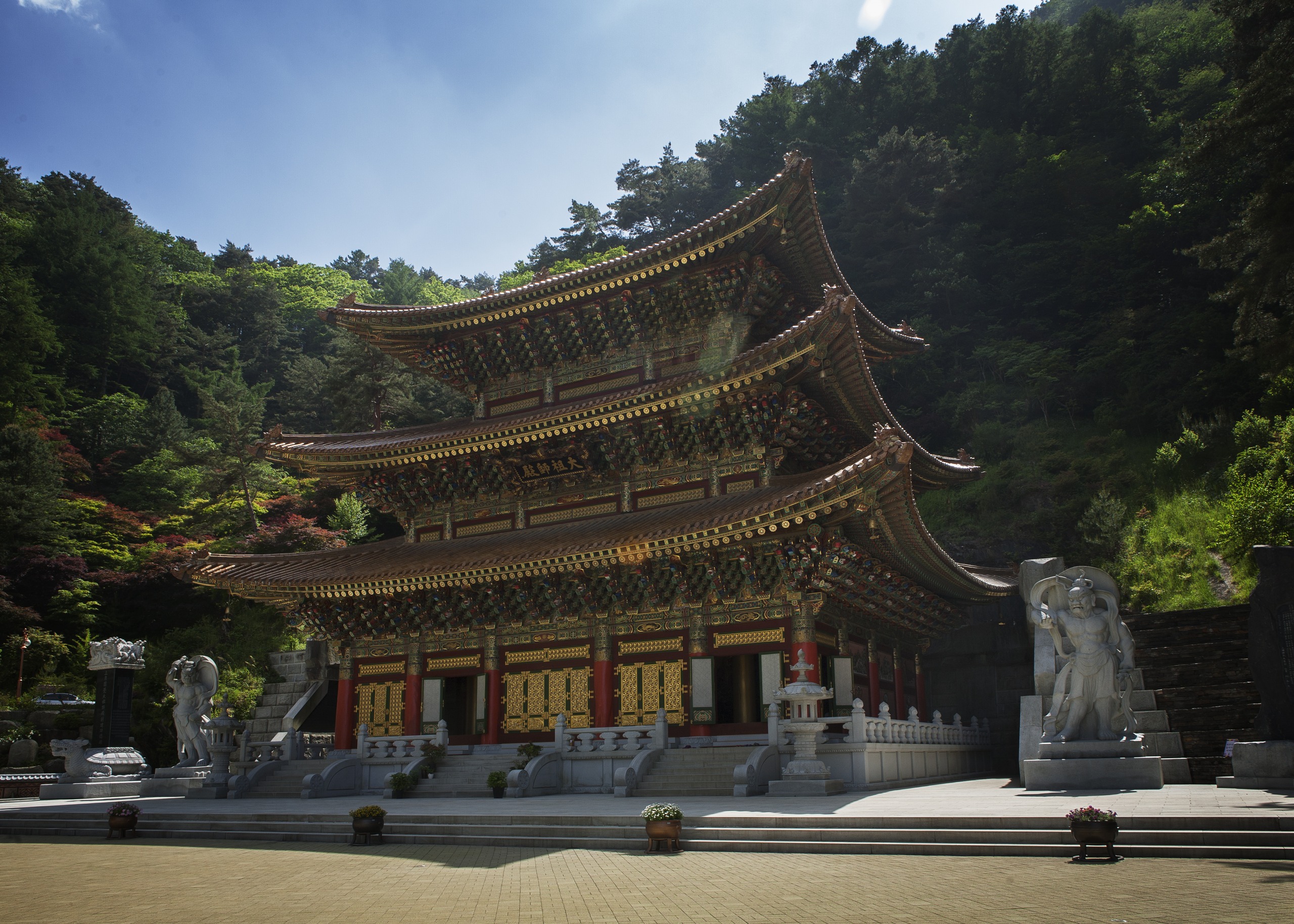
Accessible from Yeongju, this complex houses the Muryangsujeon pavilion, one of Korea's oldest wooden structures. The atmosphere here is serene, far removed from the tourist bustle of major urban temples.
Etiquette and visiting rules
- At Buseoksa Temple: proper attire required; keep voices low in worship areas.
- Stay on marked trails in protected zones of the national park.
- Fires and camping are prohibited within the national park boundaries.
- Pack out all trash; rubbish bins are sparse on trails.
Photography tips
Golden morning light on the ridges is optimal between 6 and 8 a.m. In autumn, the beeches turn rust and gold: the northern slopes offer the finest colors. For azaleas, light morning mist adds depth to shots. Photography is unrestricted throughout the park; at Buseoksa Temple, avoid photographing monks during prayer.
Location and access
The park is accessible from Danyang to the northwest and Yeongju to the southeast. The Jungang railway line connects Danyang to Seoul in approximately two and a half hours. From Yeongju, local buses serve the Buseoksa sector entrance. By car, the Jungang Expressway (Route 55) provides easy access to both towns from Seoul or Daegu.
Nearby attractions
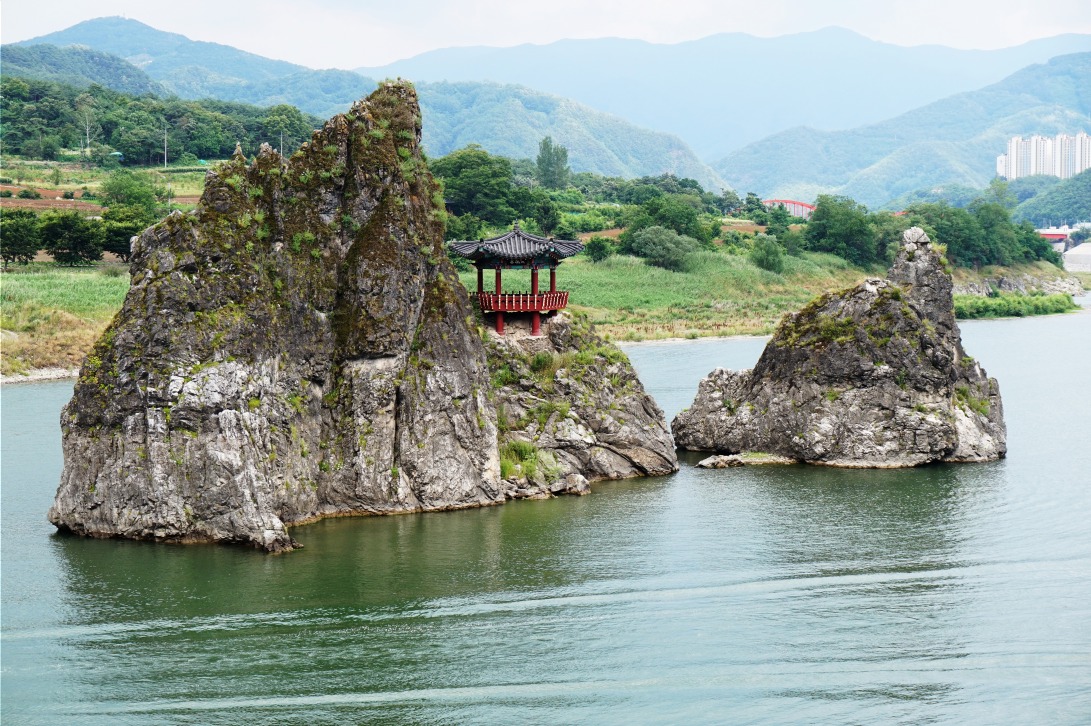
- Danyang — a riverside town renowned for its limestone caves and Han River cliff faces.
- Buseoksa Temple — one of Korea's oldest Buddhist temples, at the park's southern edge.
- Yeongju — the park's gateway town, famous for ginseng and the Confucian village of Seonbichon.
- Woraksan National Park — another Sobaek range park to the west, even less frequented.
Frequently asked questions
Spring (late May) for royal azaleas and autumn (October) for beech foliage are the two peak seasons. Winter attracts snow-landscape enthusiasts, but trails can be icy.
Proper dress is expected: shoulders and knees covered. Remove your shoes before entering the main pavilions.
Yes. Danyang is one of the park's access towns. You can hike in the morning and explore Danyang's caves or cliff formations in the afternoon.
Yes, via the Jungang railway line to Danyang or Yeongju, then local bus or taxi. Some entrances have limited public transport; check with your accommodation about available shuttle services.
Count approximately three to four hours of climbing from the main trailhead, depending on your pace. Plan a full day for a comfortable round trip.
Photography is free on park trails. At Buseoksa Temple, avoid photographing religious ceremonies and monks without their consent.
Interested in this visit?
We can include it in your personalised itinerary.