Pohang
Pohang
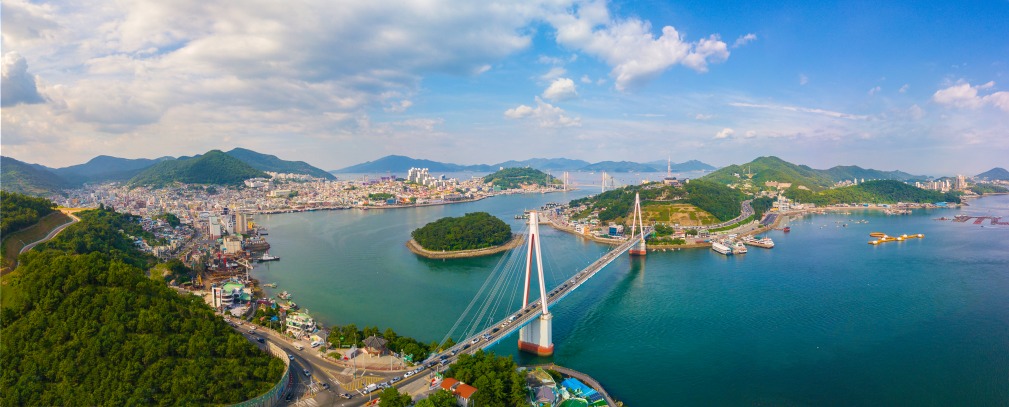
On Korea's eastern shoreline, Pohang blends steel manufacturing, an iconic sunrise at Homigot, a bustling fish market, and hiking trails leading to Bogyeongsa Temple.
With a population of 499,363 in 2022, Pohang is the largest city in North Gyeongsang Province, in the southeast of South Korea. The city is home to POSCO (Pohang Steel Company), the world's fourth-largest steelmaking enterprise. It is also renowned for its seafood and stands as one of the places where the sun rises first in the country.
History
Archaeological evidence demonstrates that the Pohang region has been inhabited since the Mumun Pottery period (1500–300 BCE). Indeed, small villages and dolmens dating from this era have been discovered there. A simple fishing village in the early twentieth century, Pohang began to develop from 1930 onwards, when a modern port was constructed. It gained city status in 1931 and metropolitan status in 1949.
Of major strategic importance during the Korean War, Pohang saw UN forces landing on July 18, 1950. Subsequently, fierce clashes between North Korea's 5th Infantry Division and South Korea's 3rd Infantry Division took place in the region in August and September of that same year.
Pohang had approximately 50,000 inhabitants in the 1960s. The city experienced rapid economic growth after it welcomed steelmaker POSCO in 1968. Until the end of the twentieth century, its economy relied on iron, steel, shipbuilding, and fishing.
Beginning in the early twenty-first century, Pohang started to reduce its dependence on heavy industry and diversify its economy. Today, the city places considerable emphasis on environmental protection and the development of higher education. It is also positioning itself as an artistic and cultural hub.
What to See in Pohang?
Pohang offers several tourist attractions. Among the most renowned are:
Homigot Sunrise Plaza
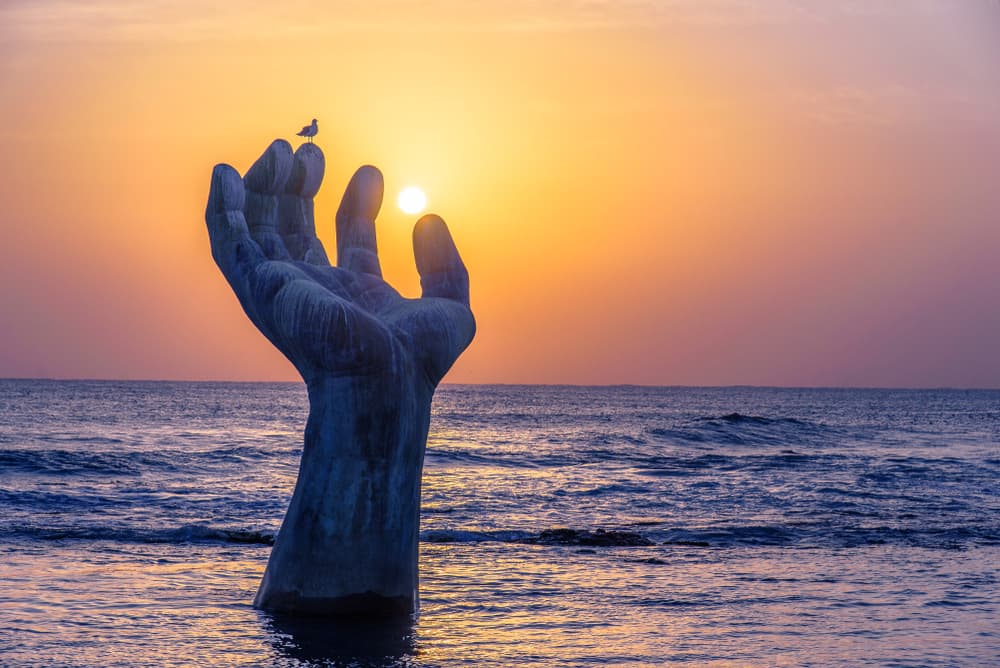
Homigot Sunrise Plaza is a plaza situated on Cape Homigot, at the eastern tip of the Korean peninsula. It is one of two locations in South Korea to receive the sun's light first, the other being Cape Ganjeolgot in Ulsan. On New Year's Day, many Koreans visit to witness the year's first sunrise. The place is a superb spot for photography. Its large bronze hand statue serves as the ideal backdrop for your shots. Near the plaza, you will also find the New Millennium Memorial Hall, which offers magnificent views over Cape Homigot.
Space Walk
This psychedelic art installation is nestled within Hwanho Park. The structure resembles a roller coaster and offers an extraordinary walk, along with breathtaking views of the city.
Yeongildae Marine Pavilion
It is Korea's oldest maritime pavilion. Located at the end of a jetty extending from Pohang Beach into the sea, its second floor affords superb views over Yeongilman Bay and POSCO. At night, the monument glimmers with golden lights, creating a magnificent nocturnal landscape.
Igari Anchor Observation Bridge
This 10-meter-high observation bridge gives the impression of floating above the sea. It extends 102 meters in the direction of Dokdo Island. Viewed from above, its tip evokes the image of an anchor. The beach where this structure was built is magnificent, and it is also well-suited for camping.
Naeyeonsan County Park
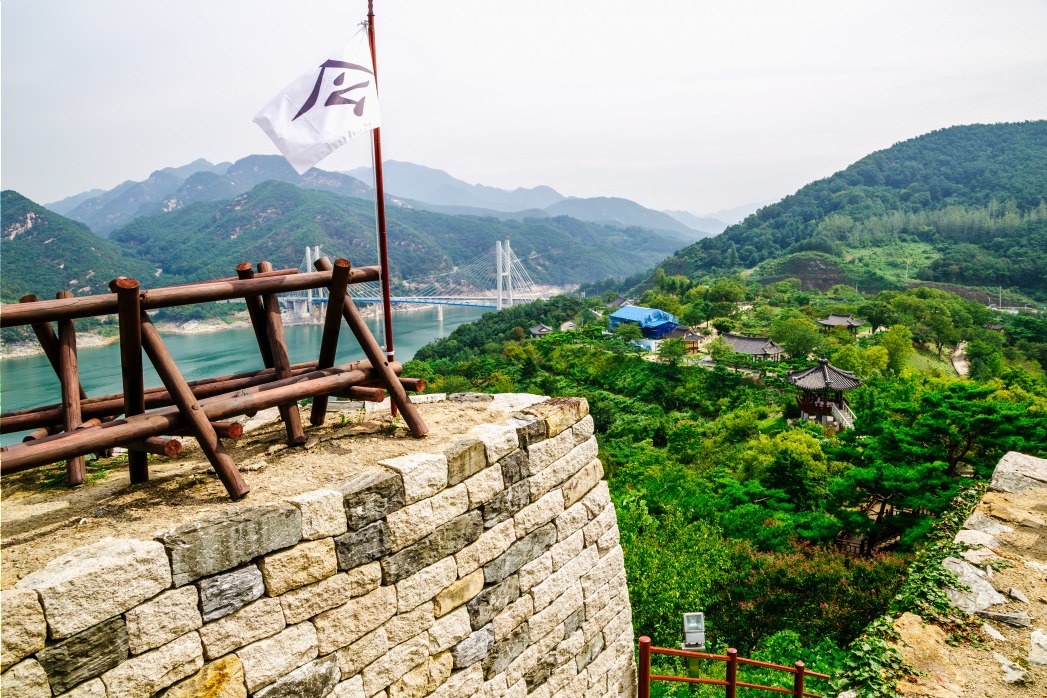
The park is located on Naeyeonsan Mountain. Among its attractions are the historic Bogyeongsa Temple, Cheonghagol Valley, and numerous waterfalls. The protected area is also ideal for hiking.
Jukdo Fish Market
This market is located 500 meters from Ogeori, the city's heart. It features more than 200 stalls of fresh fish and seafood. Restaurants have settled nearby and serve various dishes based on fish, ranging from hoe (sliced raw fish) to mulhoe (raw fish in cold broth), as well as jeonbok juk (abalone rice porridge).
Pohang Canal
Opened in 2014, the Pohang Canal connects the Hyeongsangang River to Songdo Beach. A cruise along this waterway allows you to discover some of the attractions located within the city, such as the Pohang ship, Songdo Beach, and Antwerp Port. The Pohang Canal PR Hall, meanwhile, gives you a glimpse of Pohang's past and shares the story of the canal.
Practical Information
When to Visit?
Pohang has a humid subtropical climate. Spring (March to May) presents itself as the best time to visit. During this season, you will be able to fully enjoy its attractions and pleasant temperatures.
Several daily trains from Seoul and Daegu serve Pohang. It is also accessible by bus from these two cities and Busan. Furthermore, its airport is connected to those of Seoul Gimpo and Jeju.
Pohang has a well-developed bus network connecting its various neighborhoods. Naturally, taxis are also available there.
Want to discover this destination?
Our local advisors design your tailor-made trip.