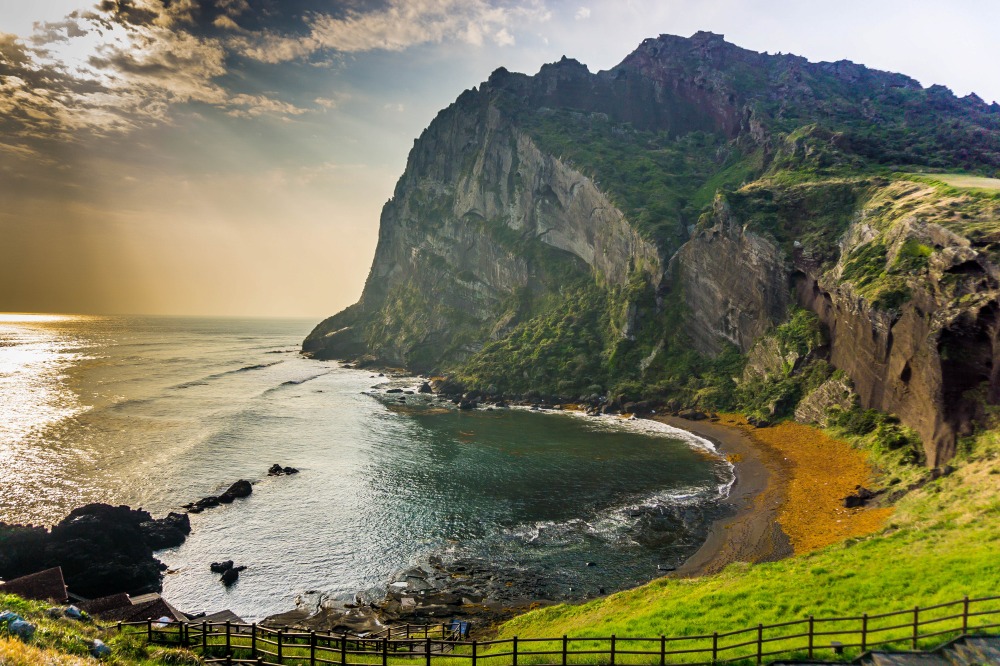
Suncheon
Suncheon
Suncheon brings together a Ramsar-listed bay with golden reeds, a lived-in hanok village enclosed by Joseon-era ramparts, and a 9th-century Buddhist temple nestled in the Jogye mountains.
Suncheon is a city in South Jeolla province in southwestern Corée du Sud. It has earned its reputation through a bay designated as a Ramsar wetland, a preserved hanok village, and landscapes of reeds that have served as a backdrop for numerous Korean dramas. It stands as one of the few Korean cities to have made ecological preservation the cornerstone of its urban development.
Quick reference
- Access: Suncheon KTX station, connected to Seoul (Jeolla line) and Busan.
- Recommended duration: 1 to 2 days to cover the bay, hanok village, and national garden.
- Best time to visit: Autumn (October–November) for golden reeds; spring for cherry blossoms.
- Dress code: No specific requirements; comfortable walking shoes recommended for the bay's trails.
What to see
Suncheon clusters several distinct sites. The Suncheon Bay (Suncheonman) holds one of Korea's largest reed marshes and mudflats teeming with migratory birds, including white-naped cranes. The Naganeupseong hanok village, surrounded by stone ramparts, preserves traditional houses still inhabited by locals. The Suncheon National Garden, created for the 2013 International Garden Expo, features thematic Korean and international gardens.
History and context
Naganeupseong is among the rare fortified villages from the Joseon period (14th–19th century) to have retained its original ramparts and urban fabric. The bay, long exploited for fishing and rice cultivation, has been protected since the 1990s amid development pressure. Its 2006 Ramsar designation solidified its status as an ecological refuge.
Highlights of your visit
Suncheon Bay (Suncheonman)
Wooden trails cross the mudflats and reed fields. An observation tower on Yongsan Hill offers panoramic views across the entire bay. In winter, thousands of cranes and wild geese descend on the site, making it a landmark location for birdwatching across East Asia.
The Fortified Village of Naganeupseong
Stone ramparts from the 15th century encircle a village where families still live in thatched-roof hanok houses. A traditional market, restored governor's pavilion, and winding alleys offer a tangible glimpse of life under Joseon rule.
Suncheon National Garden
Designed as a showcase for Korean biodiversity, this expansive garden integrates wetlands, pine forests, and thematic gardens. It connects to the bay through an ecological corridor, making it a transitional space between city and nature.
Seonamsa Temple
Perched in the Jogye mountains, this Buddhist temple founded in the 9th century is accessible via a forest trail. Its single-arch stone bridge, Seungseon-gyo, holds the status of national treasure. The atmosphere here is serene, far removed from the bustle of major tourist temples.
Photography tips
The bay photographs best in late afternoon when slanting light catches the reeds in gold. The blue hour from Yongsan Tower reveals the meanders of channels across the mudflat. At Naganeupseong, early morning limits crowds and allows you to capture smoke rising from hearths in the alleys. At Seonamsa Temple, the filtered forest light works at any hour of the day.
Location and access
Suncheon lies roughly 280 km south of Seoul. The KTX station allows you to reach the city in under three hours from the capital. Local buses and taxis serve the bay and Naganeupseong from downtown. The national garden has its own bus stop from the station. The bay is partially accessible for people with reduced mobility thanks to wooden boardwalks.
Nearby attractions
- Yeosu — port city around thirty minutes by train, known for its waterfront and Hyangiram pavilion.
- Boseong Tea Plantations — terraced tea plant rows approximately one hour from Suncheon.
- Gurye — gateway to Jirisan National Park, with wild chrysanthemum fields in spring.
- Gwangyang — celebrated for its plum blossoms in February–March, a short bus ride away.
Frequently asked questions
Autumn (October–November) is ideal for the bay's reeds, which turn golden. Spring draws visitors for cherry blossoms and plum blossoms. Winter allows you to observe migratory birds on the bay.
No mandatory dress code, but modest attire is appropriate within the temple grounds. Comfortable shoes are essential for the forest trail access.
Yes, the two cities are connected by train in around thirty minutes. Two days in Suncheon and one day in Yeosu form a coherent circuit through South Jeolla.
The wooden boardwalks flanking the reeds are largely flat and accessible. Some trail sections on the hills remain difficult for people with reduced mobility.
Yes, a portion of the houses within the ramparts remain occupied by permanent residents. Some offer hanok stay accommodations for overnight stays.
One day allows you to cover the bay and national garden. Two days are needed to add Naganeupseong and Seonamsa Temple at a leisurely pace.
Photos
Attractions in Suncheon
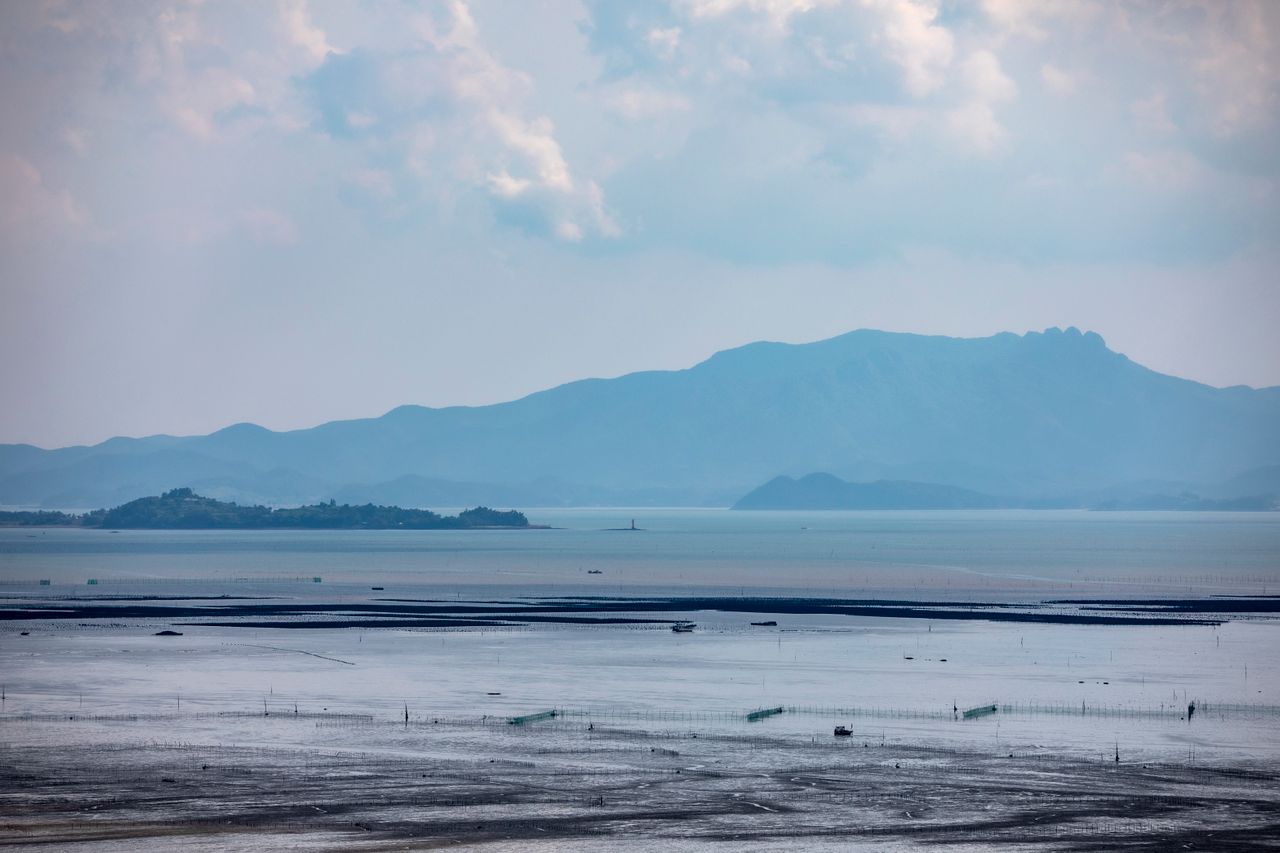
Suncheon Bay Wetland Reserve
La baie de Suncheon, sur la côte sud de la Corée, abrite l'une des plus grandes zones humides côtières d'Asie de l'Est.
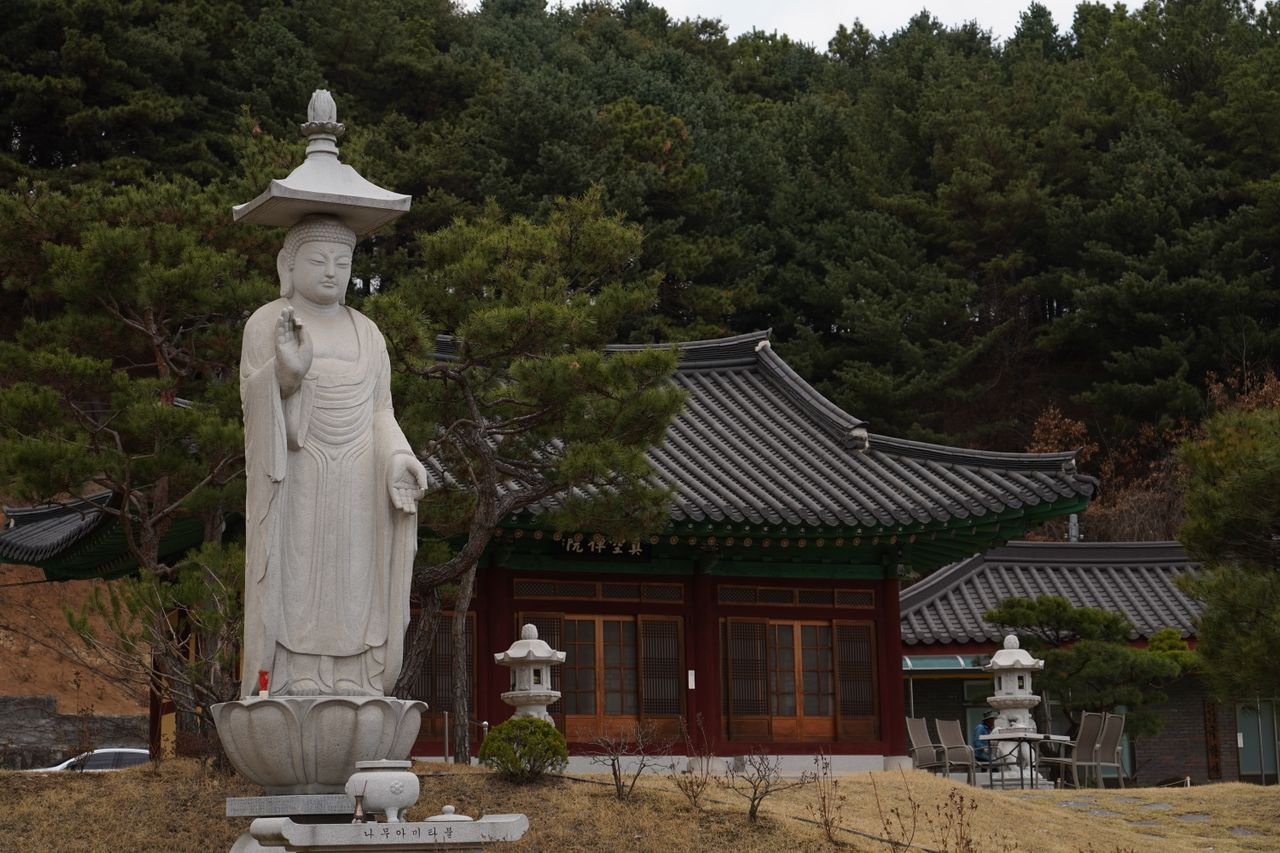
Temple Songgwangsa
Le temple Songgwangsa s'élève dans les montagnes du parc national de Jogyesan, à une vingtaine de kilomètres au nord de Suncheon. Fondé au IXe siècle, il est l'un des trois « joyaux » du bouddhisme
Want to discover this destination?
Our local advisors design your tailor-made trip.