Search and filter among 9 contents
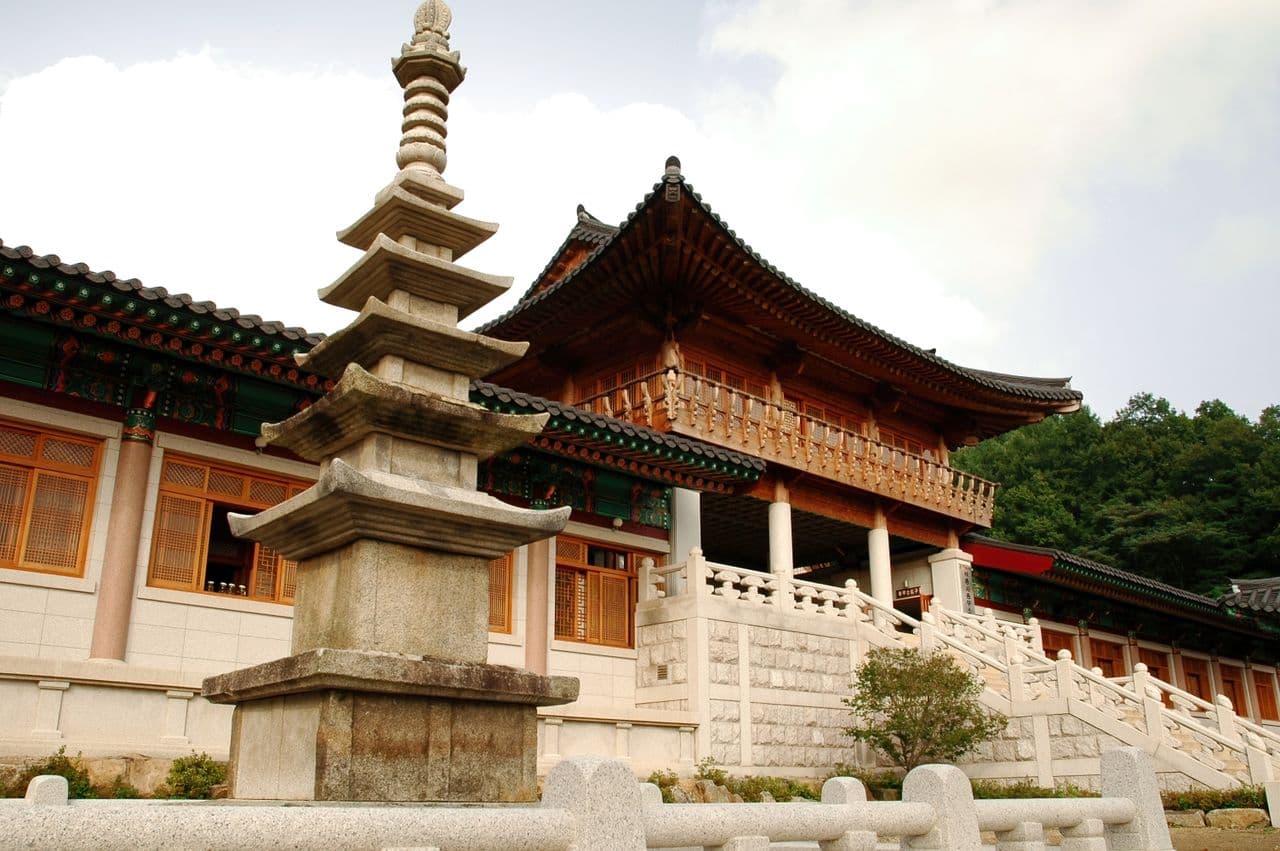
Yakcheonsa temple, located in Seogwipo on Jeju Island in South Korea, is one of the largest Buddhist temples in the country. Spectacular murals, a pagoda and a pine forest make it a truly distinctive site.
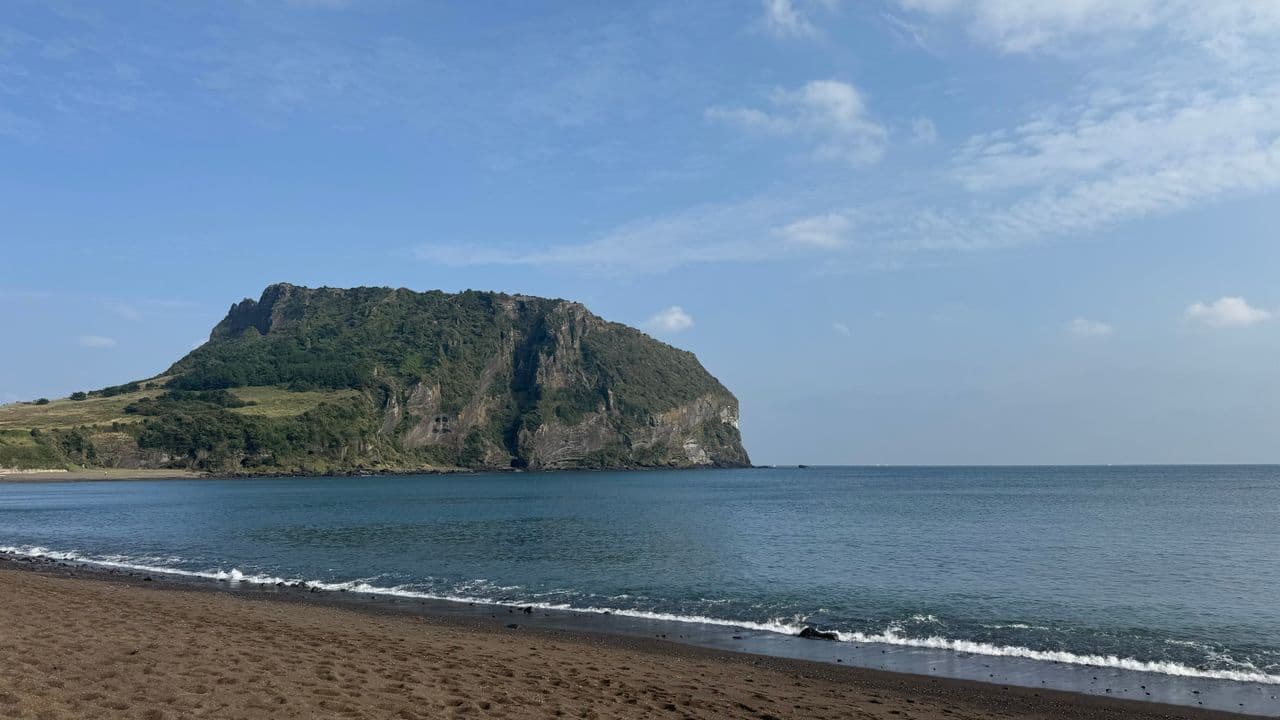
Seongsan Ilchulbong is a 182-meter volcanic crater rising at the eastern tip of Jeju Island, UNESCO-listed since 2007. Famous for its spectacular sunrises and traditional haenyeo divers, it offers breathtaking views over the Korean coastline.
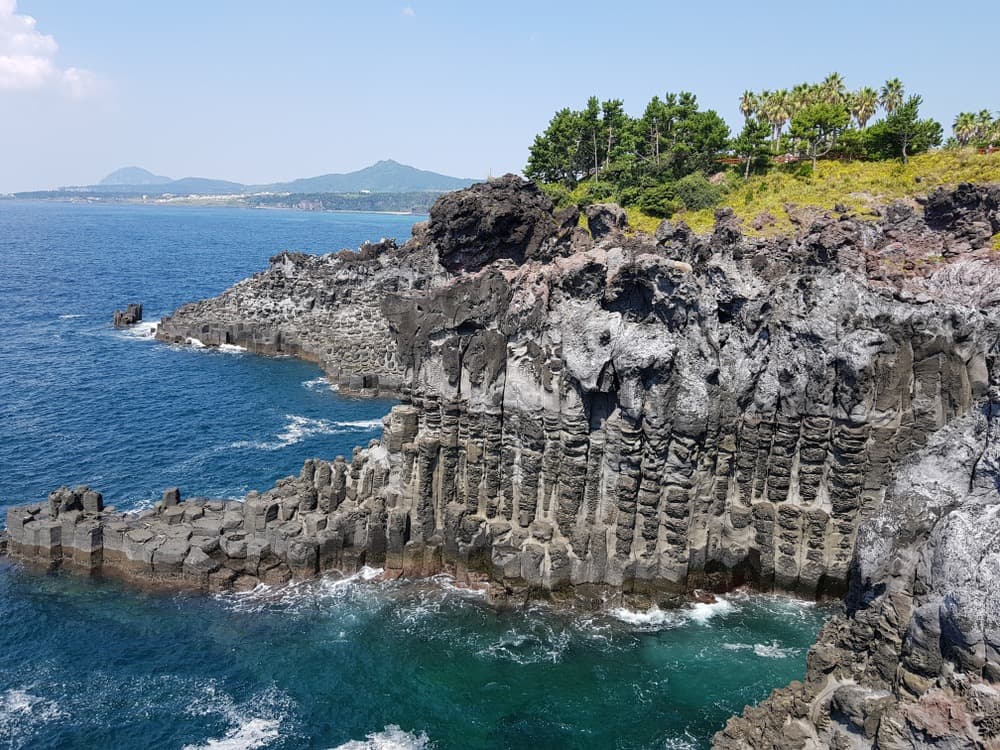
On the south coast of Jeju, the Jusangjeoli cliffs line up hexagonal basalt columns formed by the cooling of volcanic lava. A UNESCO-classified geological site, spectacular in rough seas and calm weather alike.
A Buddhist cave sanctuary nestled in a volcanic dome on the southwestern coast of Jeju, with views over Marado island and Dragon Head Rock.
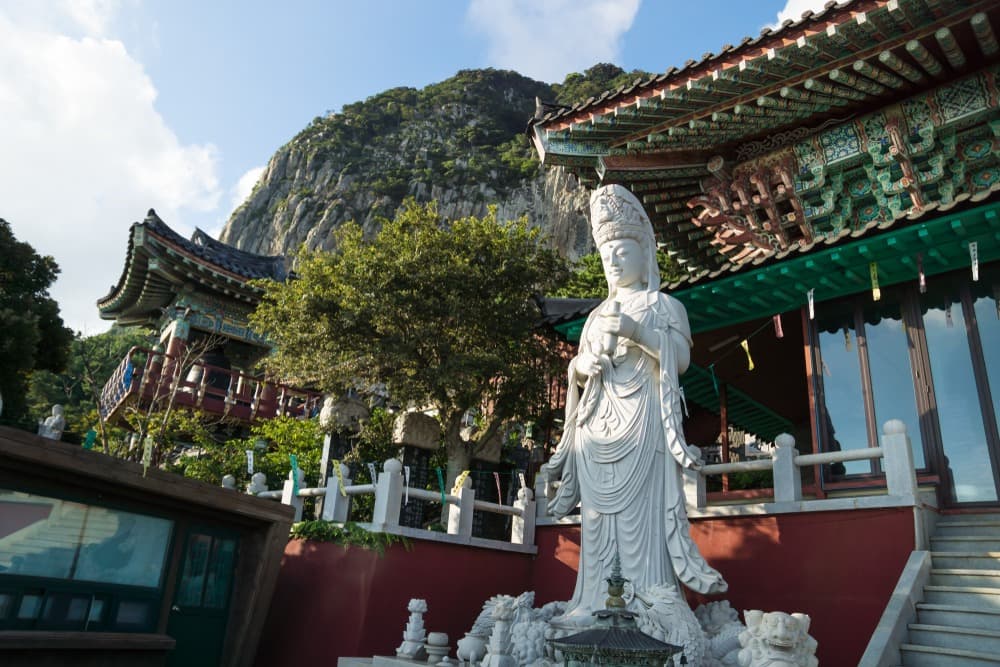
A lava dome rising nearly 400 meters in southwest Jeju, Sanbangsan is home to two Buddhist temples, a sanctuary cave, and protected rare flora.
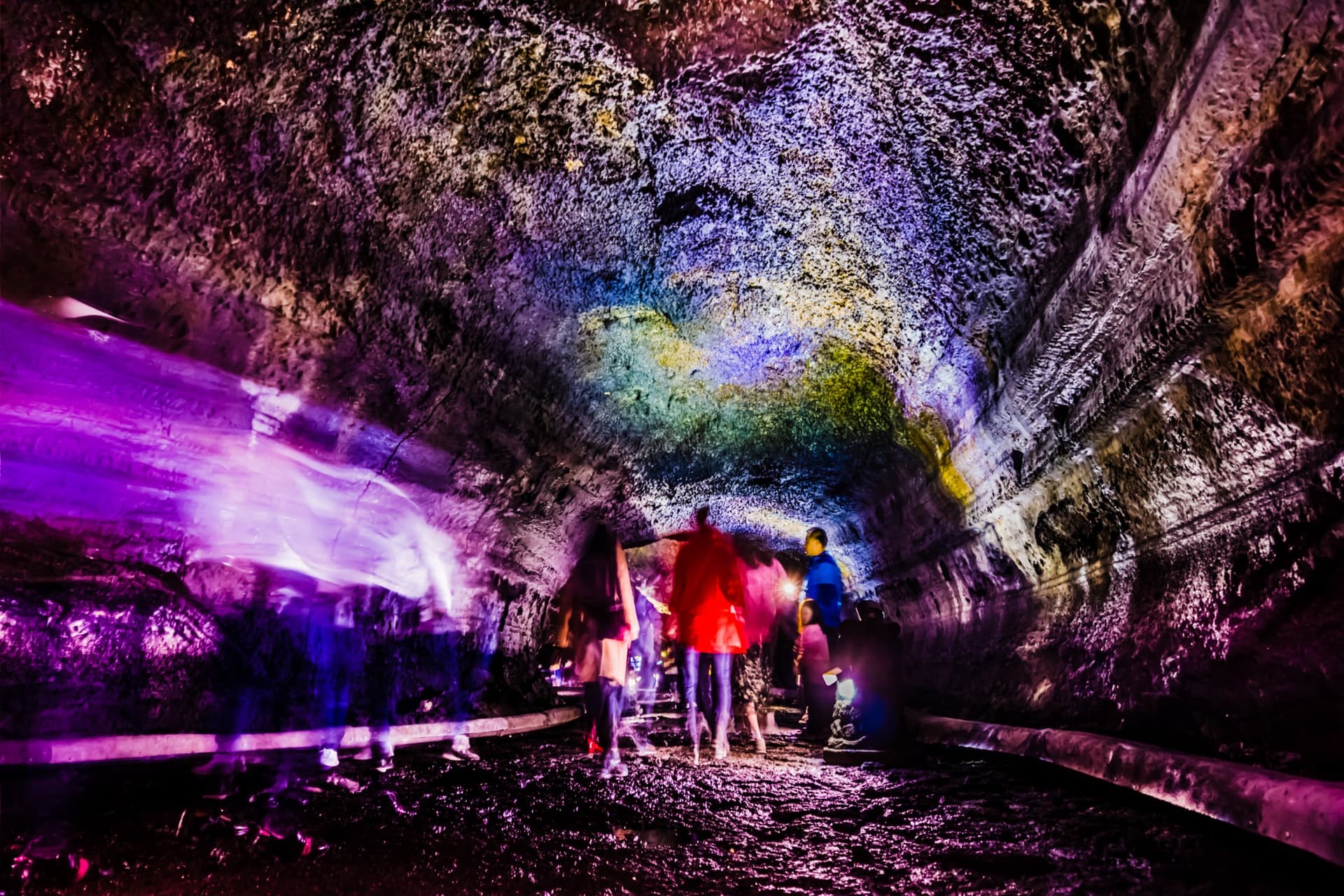
Stretching 13 km and UNESCO-listed, the Manjanggul lava tube in Gujwa on Jeju Island shelters a 7-meter lava column and a vast bat colony.
On the southern coast of Jeju, Jusangjeolli Cliff showcases hexagonal basalt columns rising 20 meters high—remnants of Mount Hallasan's volcanic activity.
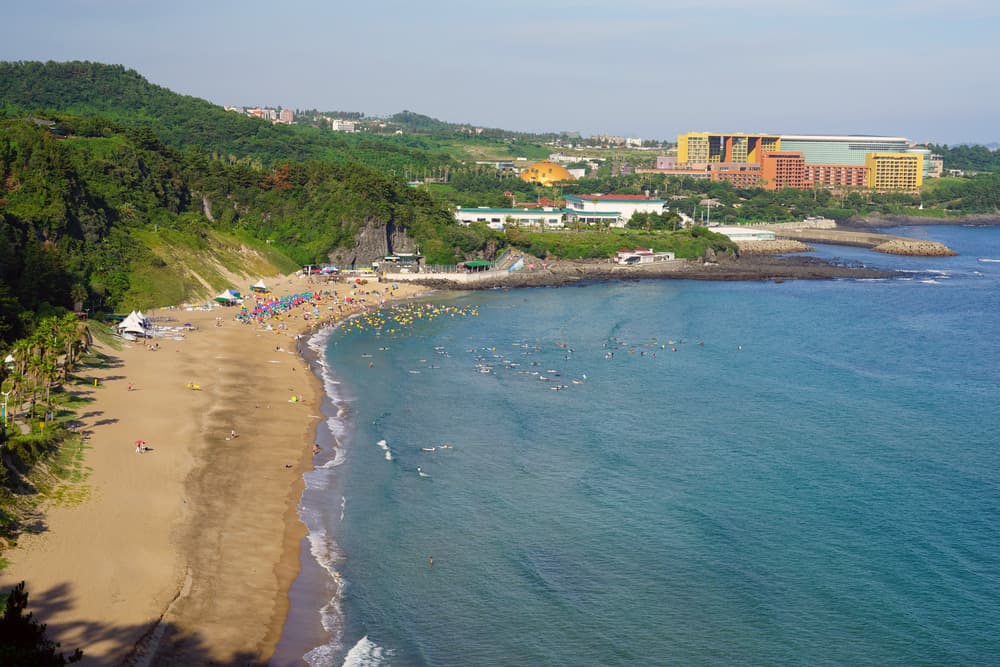
Located 14 km from Seogwipo-si on Jeju Island, Jungmun Saekdal Beach is rated South Korea's best beach: four-colored sand, surfing, sea turtles.
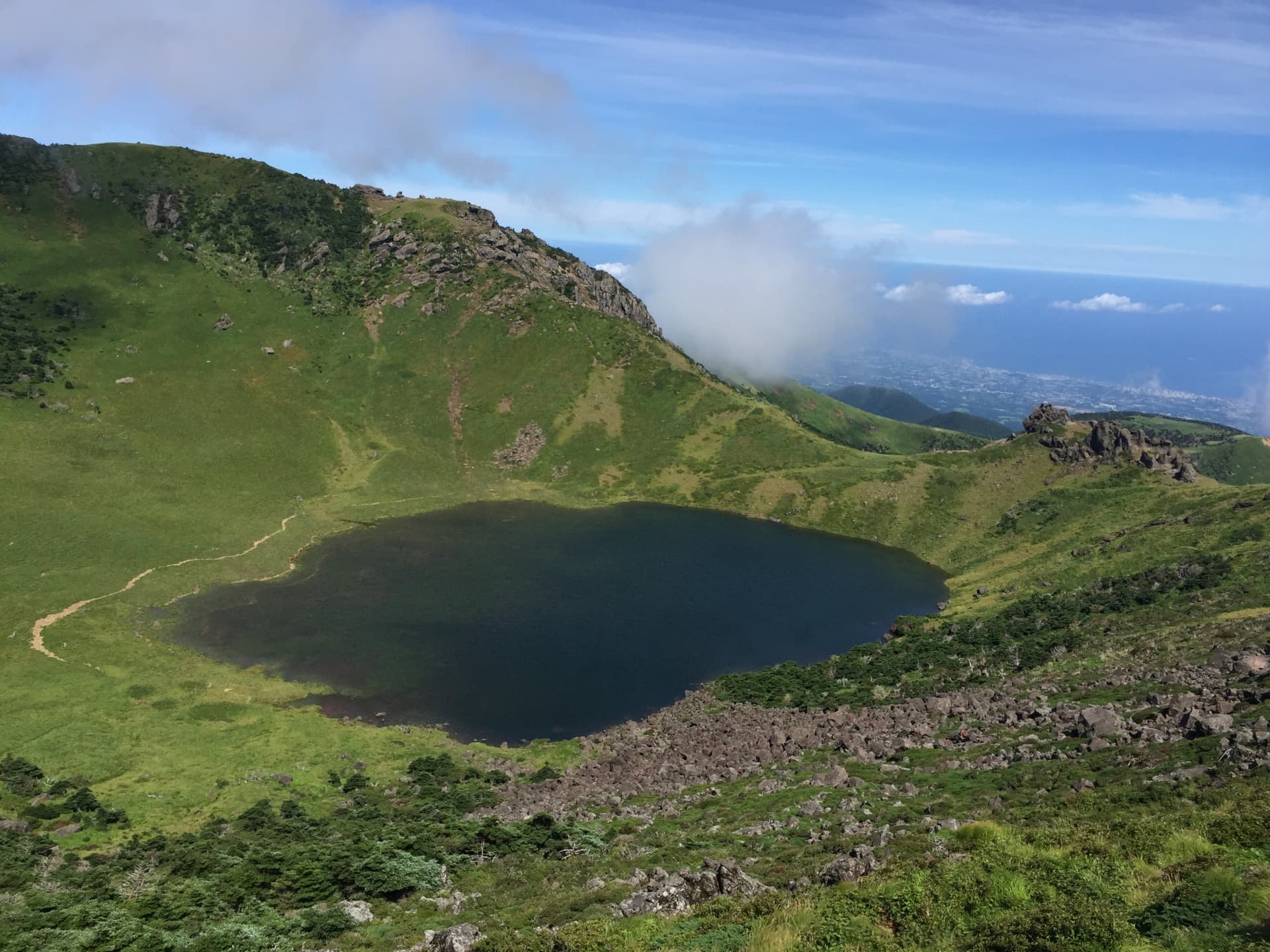
Hallasan
South Korea's highest peak (1,950 m) and UNESCO site, Mount Hallasan dominates Jeju Island with its seven trails, caldera and lava tunnels.
9 of 9 results
We use cookies to improve your experience and measure our site's audience. You can choose what you accept. Learn more.