Search and filter among 9 contents
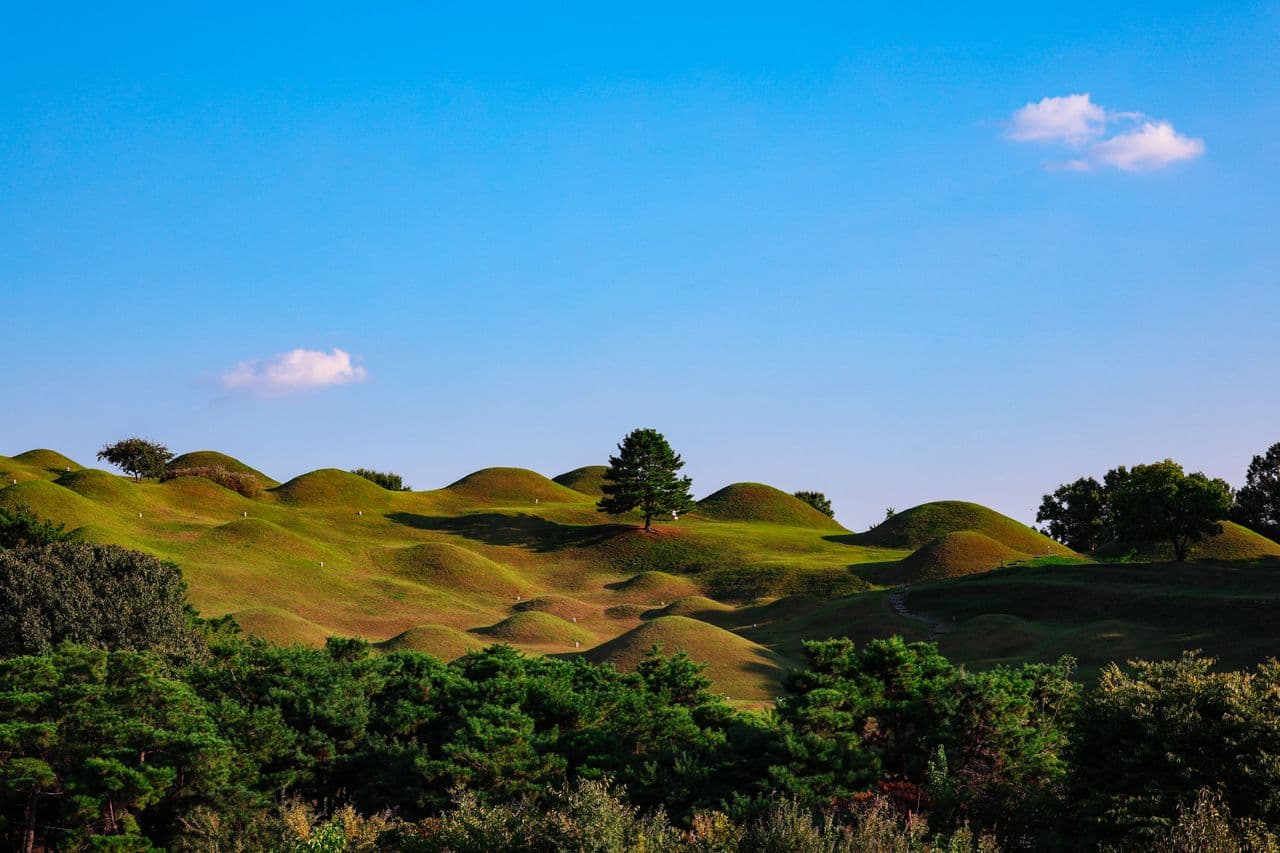
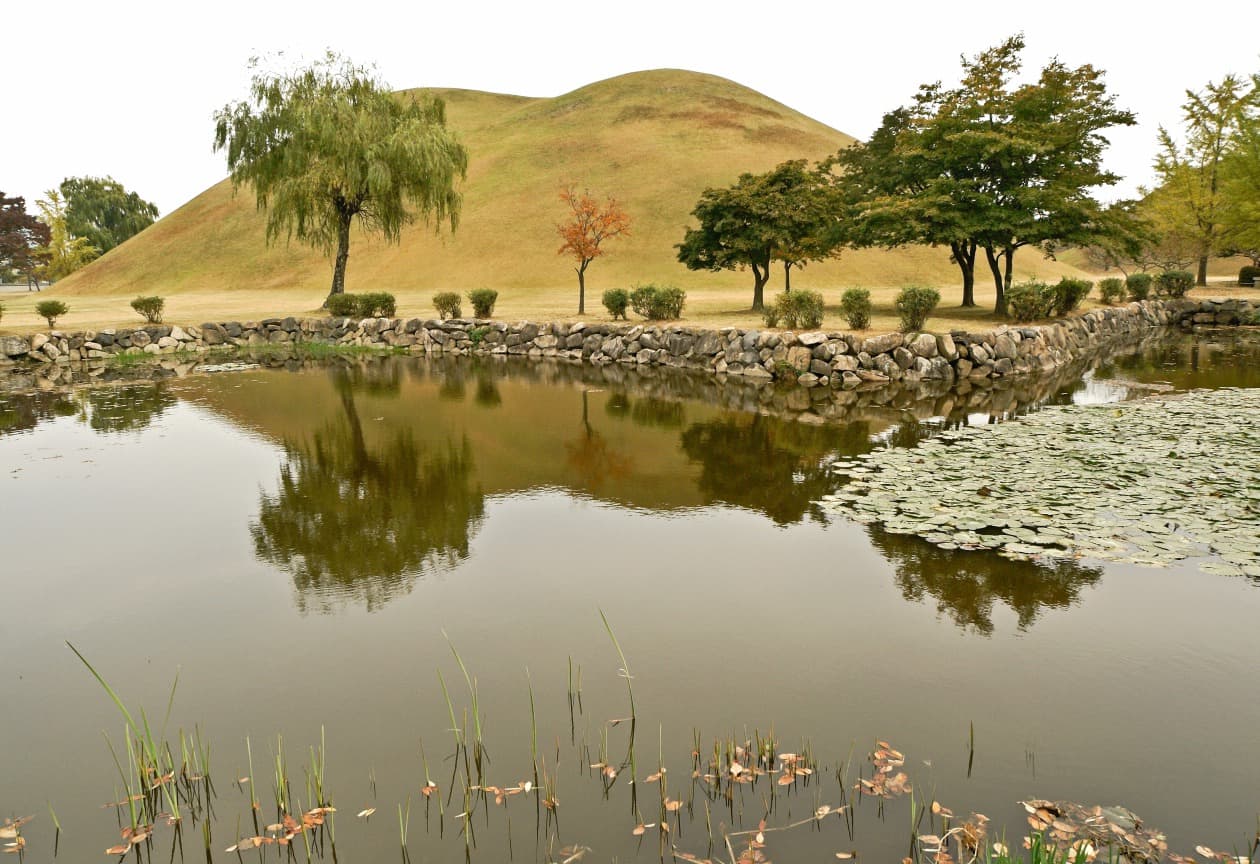
In the heart of Gyeongju, Tumuli Park brings together roughly twenty royal burial mounds from the Silla Kingdom (4th–6th centuries), inscribed as a UNESCO World Heritage Site. Only one mound, Cheonmachong, is open for interior exploration.
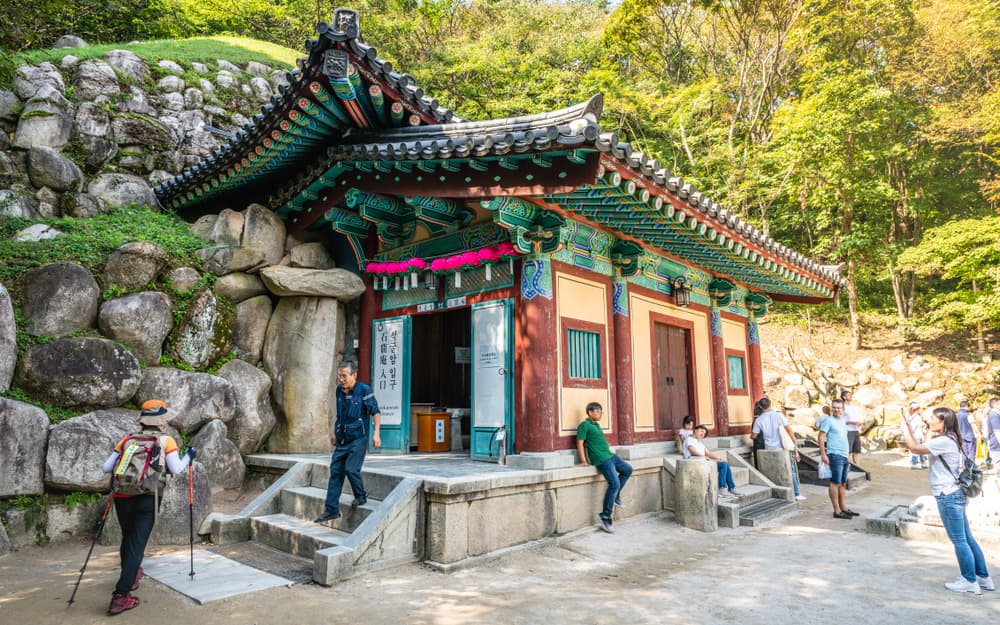
Seokguram
An 8th-century rock-carved Buddhist sanctuary and UNESCO World Heritage site, Seokguram shelters a white granite Buddha and 41 relief sculptures on the heights of Gyeongju.
On Mount Kaya near Daegu, Haeinsa houses the 80,000 wooden tablets of the Tripitaka Koreana, inscribed as UNESCO World Heritage since 1995.
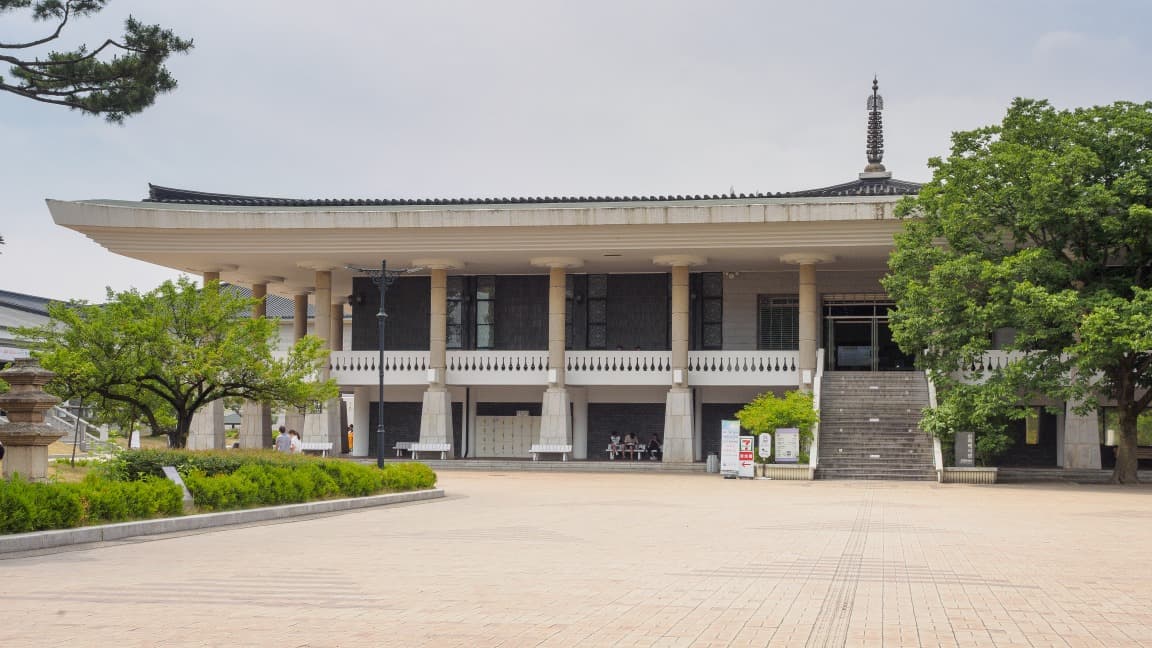
Gyeongju National Museum houses Silla royal jewels, artifacts from the Anapji Basin and the famous Emille Bell, all within the ancient capital of the kingdom.
Namsan Mountain, 5 km south of Gyeongju, brings together carved Buddhist statues, pagodas and Silla remains along trails designated as UNESCO World Heritage.
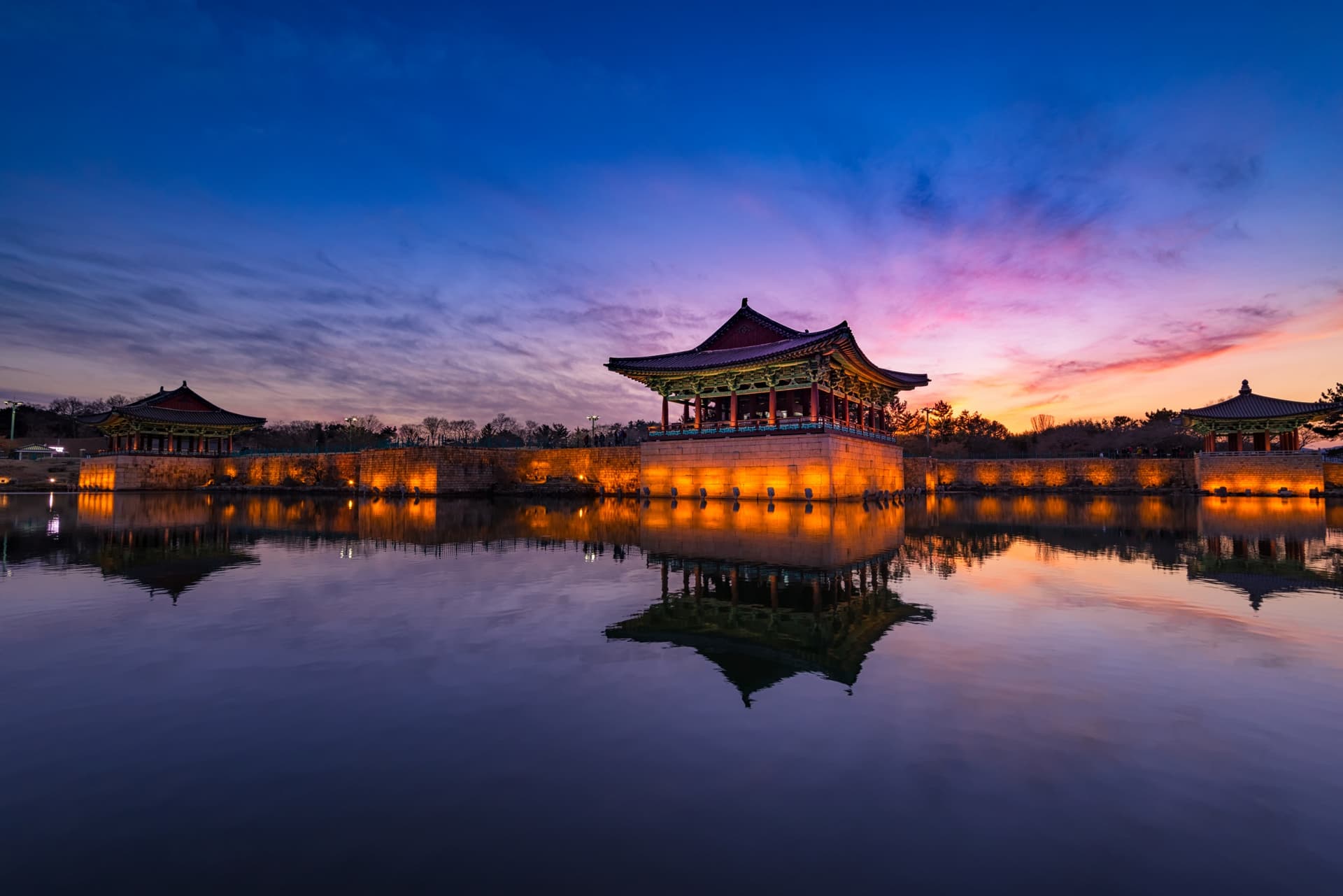
Remains of the Silla royal palace in Gyeongju: oval artificial pond, Imhaejeon hall and the sacred bell of King Seongdeok, to visit by day or in the evening.
23 tumuli from the Silla kingdom, a UNESCO World Heritage site in the heart of Gyeongju. Cheonmachong, the only accessible tomb, reveals a gold crown and a painting of the Korean pegasus.
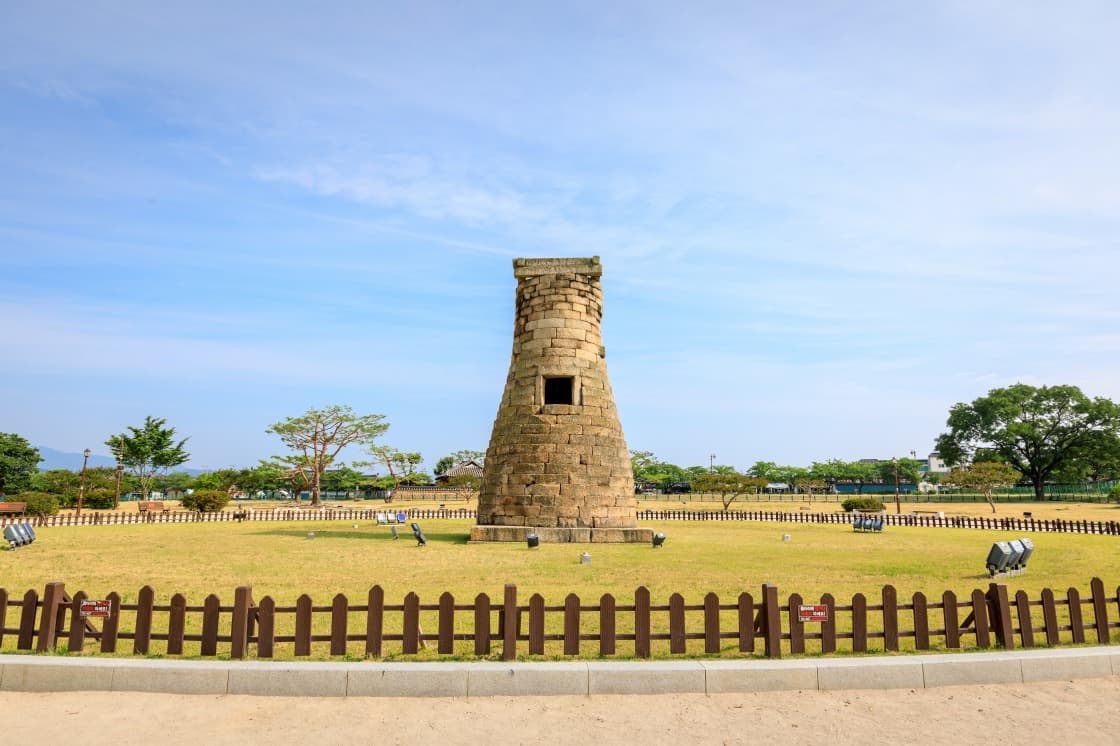
In Gyeongju, the Cheomseongdae Observatory is the oldest astronomical observatory in East Asia, erected in the 7th century under the Silla Kingdom.
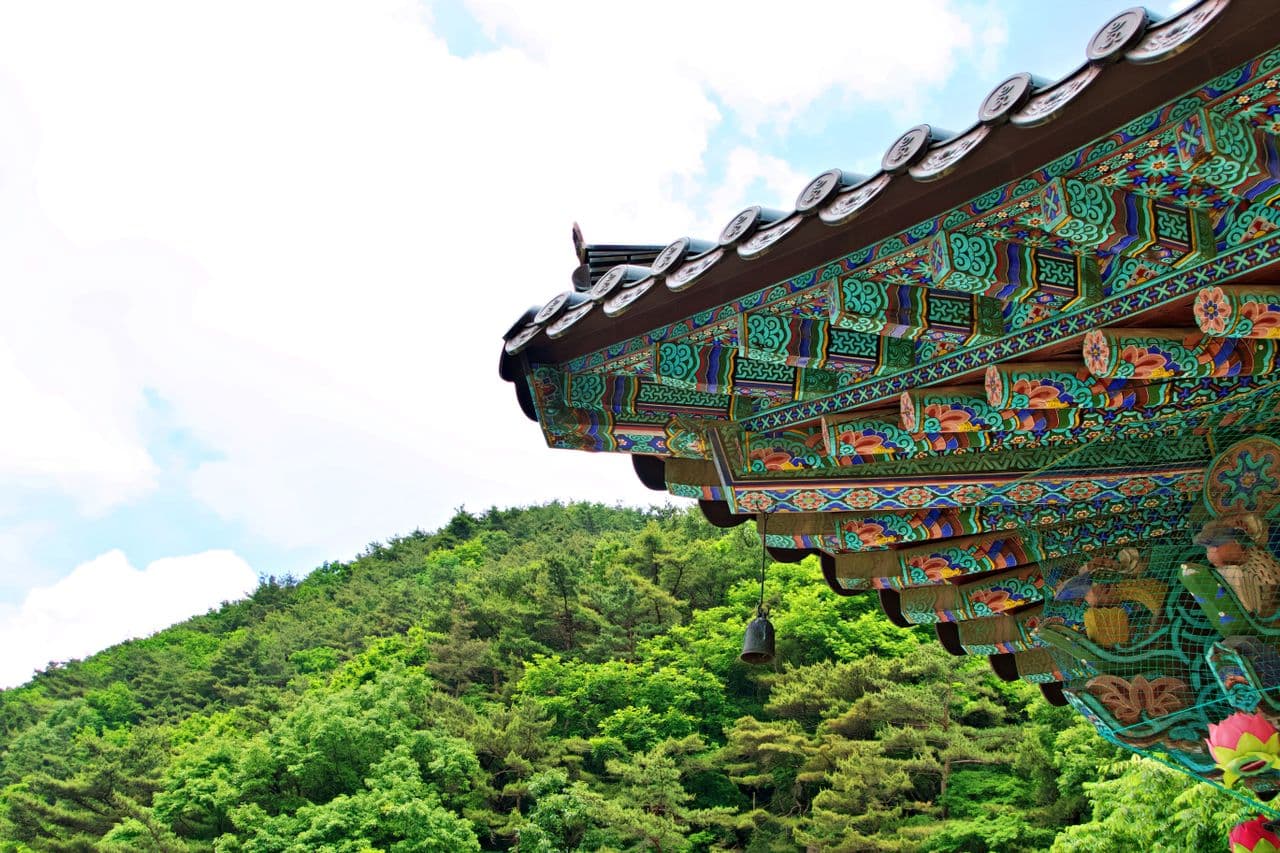
Temple Bulguksa
On the slopes of Tohamsan near Gyeongju, the UNESCO-listed Bulguksa Temple houses two 8th-century pagodas and several national treasures.
9 of 9 results
We use cookies to improve your experience and measure our site's audience. You can choose what you accept. Learn more.