Andong
Andong
Along the banks of the Nakdong River, Andong safeguards South Korea's Confucian heritage: UNESCO villages, mask dances, and distinctive gastronomy.
Situated in North Gyeongsang Province along the Nakdong River, the city of Andong attracts travelers visiting South Korea with its picturesque and peaceful setting, but above all for its rich cultural heritage. Indeed, it is home to a traditional village that is listed as a UNESCO World Heritage site. This cultural gem is moreover the flagship attraction of the region. Beyond that, Andong is also renowned for its National University, which has specialized in the teaching of Korean folklore.
Its History
Initially, the city of Andong was not called by that name, but was known as Gochang. This name dates back around the year 1 BCE when the region was still inhabited by the Jinhan people. It was this population that built the city of Gochang.
The city's current name emerged after the Battle of Gochang in 930, which pitted the Goryeo army against the forces of Hubaekje. This confrontation was won by the forces of King Wanggeon leading the Goryeo army, and after this victory, control of Gochang passed to them. From that moment on, the city received its new name: Andong.
During the Joseon dynasty, the city of Andong was transformed into an important center for Confucianism. For a long period, the region remained extremely conservative, so much so that Confucian scholars were educated there, notably Yi Hwang, one of the most important figures among the country's intellectual elite. By the end of this period, it can be said that Andong and its high-ranking families had considerable influence in Korean political circles. This influence gradually waned toward the end of the 16th century, but regained ground when a local family managed to gain favor with the royal family through marriage.
During the Korean War, Andong witnessed violent fighting and material damage was considerable. However, the city recovered rapidly—so much so that in 1976, a hydroelectric dam was constructed, providing the city with the energy resources it needed.
The year 1999 in Andong is marked by a visit from Queen Elizabeth II, who celebrated her 73rd birthday there.
Today
From a demographic perspective, the city has experienced fairly rapid growth, despite an exodus of part of its population to Seoul. Indeed, some 70,000 people chose to build their lives in the South Korean capital. Today, Andong has nearly 184,108 inhabitants.
Since the late 1990s, Andong has become a hub in the tourism industry in North Gyeongsang Province thanks to the significant cultural heritage it houses.
What to See in Andong?
The Traditional Village of Hahoe
This small village, whose name literally translates to "Water-covered Village," was officially inscribed on the UNESCO World Heritage list in 2010 in the "Historic Village of Korea" category. It is worth noting that it is inhabited by approximately 230 residents who live according to ancient ancestral customs. The houses, which retain Joseon architecture, have tile roofs that blend harmoniously with the thatched-roof dwellings in the surrounding areas. Moreover, every weekend, visitors have the chance to witness a traditional mask dance performance, and it is also worth noting that every October, an international festival is dedicated to this dance.
Access to the village is fee-based; expect around 3,000 won, or about €2.
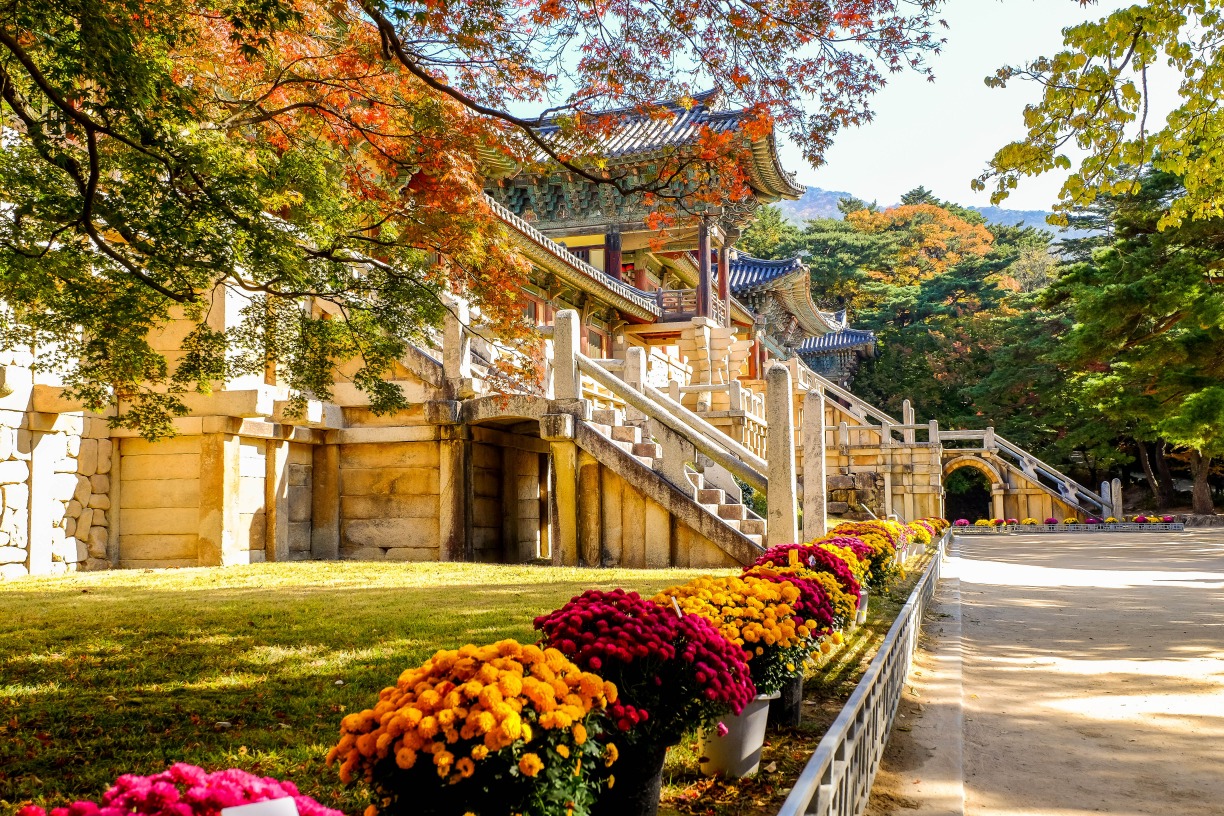
Bongjeongsa Temple
A visit to this Buddhist temple is one of the must-sees in the city of Andong, as it is a subsidiary temple of Gounsa, which is the main temple of the 16th branch of the Jogye order. The site contains more than a dozen buildings in its main section and nine others in its auxiliary section located respectively to the east and west of the main complex. In total, it covers approximately 1,650 m².
By Train
From Busan, Daegu, and Gwangju, you can take a direct line to Andong. If you are in Seoul, board the KTX to Daegu, then transfer to the local train that will take you to your destination. The alternative is to take the Mugunghwa, a semi-rapid line.
Note that Andong Station is located in the city center, which means it is close to local accommodations. The staff speaks English well, and inside the central station there are ATMs and a tourist information office.
By Bus
Thanks to the intercity bus network, it is easier to reach Andong. You can take line 2 (green) from the East Seoul Terminal, which is located across from Kangbyeon Station. Departures occur every ten to fifteen minutes, and the journey takes approximately 2 hours 40 minutes.
Express buses from Gangnam Terminal depart for Andong every 40 to 60 minutes. To locate the terminal, simply enter the large Shinsegae department store, where you will find two shops representing Italian brands. The passage between these stores is directly connected to the terminal. The journey duration is approximately 2 hours 50 minutes.
When leaving Andong, you can always take the bus, but note that the last bus departs at 8 p.m. It is ideal to check bus schedules, especially during weekends.
The city of Andong is quite small and can be explored in less than ten minutes. If you prefer not to walk, there are also taxis and buses. Public transportation, for example, connects the city and its peripheries as well as tourist attractions around Andong. They are often stationed on the street in front of the station. It should be noted that stops are marked in Korean, but when you visit the tourist information office, they will provide you with a brochure in English. In this small document, you will find details regarding fares, schedules, and destinations served by the buses.
Attractions in Andong
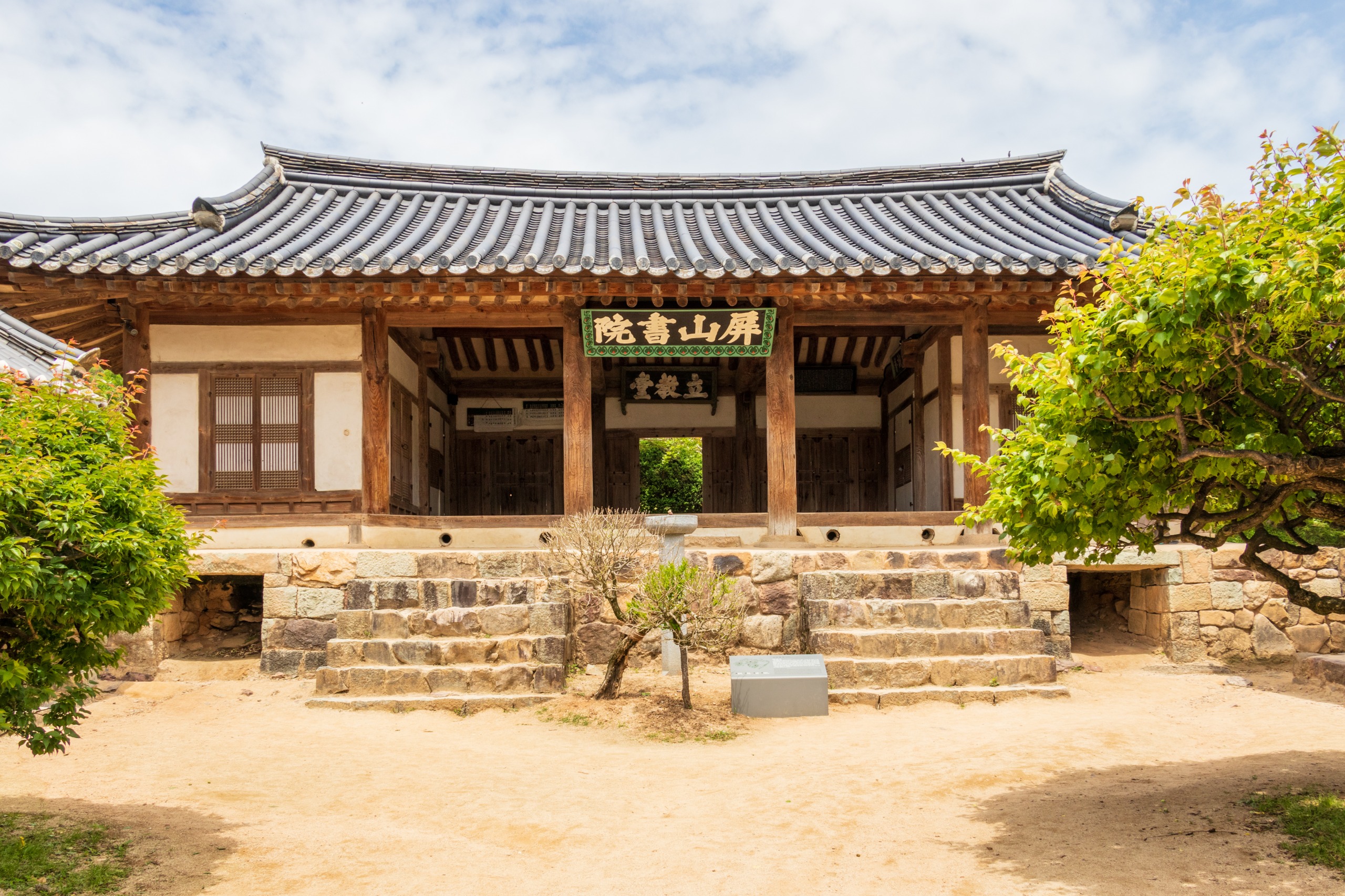
Ecole confucianisme Byeongsan Seowon
Située en bordure du fleuve Nakdong, au pied de la montagne Byeongsan, Byeongsan Seowon est une école néo-confucéenne implantée dans le district de Pungcheon-myeon, à Andong
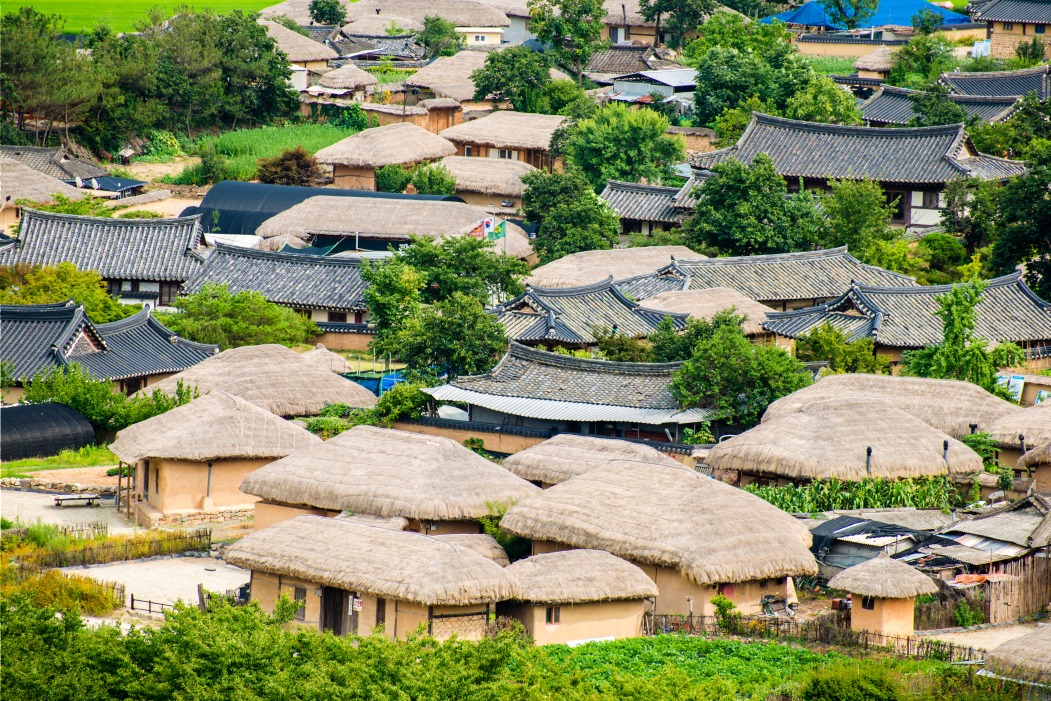
Hahoe
À une vingtaine de kilomètres à l'ouest d'Andong, dans la province du Gyeongsangbuk-do, le village de Hahoe conserve un ensemble architectural et un patrimoine immatériel hérités de la dynastie Joseon
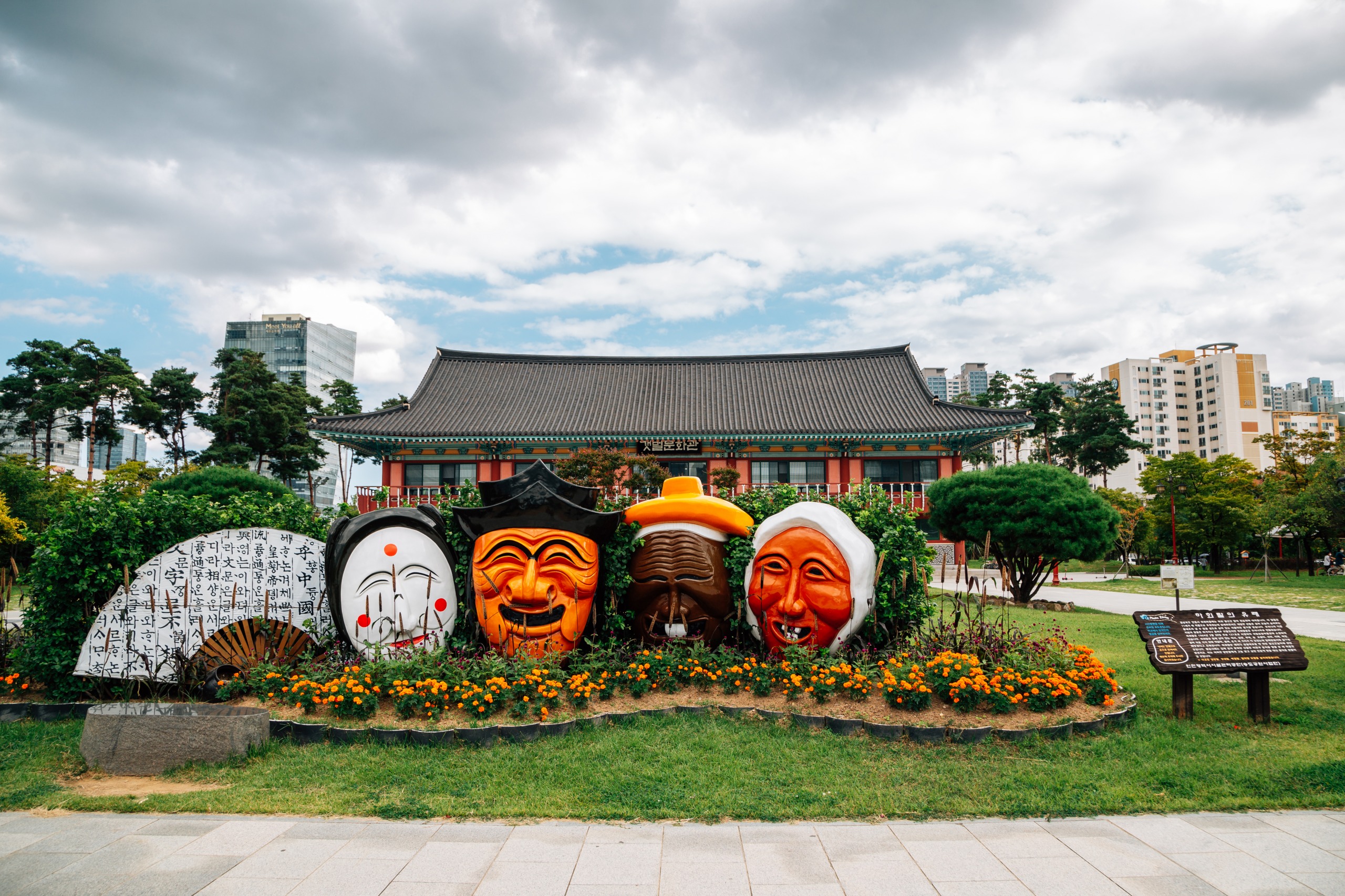
Le musée des masques Hahoe
Le musée des masques Hahoe est implanté à l'entrée du village d'Hahoe, à une vingtaine de kilomètres à l'ouest d'Andong.
Want to discover this destination?
Our local advisors design your tailor-made trip.