Busan
Busan
South Korea's second-largest city, Busan blends lively beaches, Buddhist temples and artist villages. Our complete guide to planning your stay.
Busan, also known as Pusan, is the second-largest city in South Korea. Located in the Gyeongsang region of the south, 150km northwest of Japan, Busan is a major coastal city and South Korea's principal port. Nestled between numerous mountains and bordered by the Sea of Japan, Busan boasts many assets that make it a must-visit destination for any trip to South Korea.
History
From the 10th to the 14th century, during the Koryo dynasty, Busan was known as Busanpo. In the 15th century, it became the exclusive port for commercial trade with Japan and retained this status even after the Japanese invasions of 1592. The city only opened its doors to other nations in 1883. It was during this period that a wave of modernity began to sweep over Busan.
Busan played a strategic role during the Korean War. South Korean forces attacked a North Korean warship carrying hundreds of soldiers in the harbor. This allowed the city to remain one of the few places under South Korean control.
The prosperity of its commerce and the importance of its traffic continue to animate its port activities to this day. This is precisely why the American Association of Port Authorities (AAPA) designated Busan port as the world's third-largest maritime port.
Discovering Busan
Busan is South Korea's second-largest city, after its capital Seoul. It now has over 3.6 million inhabitants. The diversity of its landscapes and the beauty of its historic buildings make it a prime destination for a stay in South Korea.
Busan's Beaches
Its expansive sandy beaches invite you to relax. Gwangalli Beach, popular for the views it offers of the Gwangan Bridge, will be a perfect stop to sip a cocktail on a terrace and savor the finest fresh seafood dishes. At sunset, the bridge illuminates to offer an impressive spectacle. The entire coast glows with lights and plunges you into a completely different atmosphere, inviting you to celebrate.
Haeundae Beach, heavily frequented during the day, especially in the summer season due to its status as the country's most renowned beach, stretches for nearly 1.5 km. You can either stroll along the entire beach to Dongbaekseom Island, which houses the APEC House where major world leaders have met, or simply relax on the beach and enjoy water activities. Highly animated, numerous groups of artists, singers, musicians and magicians perform throughout the night. On the shore, the entrance to the great Busan Aquarium invites you to discover the wealth of marine life from around the world.
The Fish Market
Another must-see when visiting Busan is its famous Jagalchi Fish Market, the largest of its kind in the country. Arrive early in the morning to watch fishermen unpack their night's catch and witness heated negotiations. You'll discover unexpected species and taste the country's finest fresh fish. For those who struggle with the morning fish aromas, you can visit at any time of day without issue.
Busan's Temples
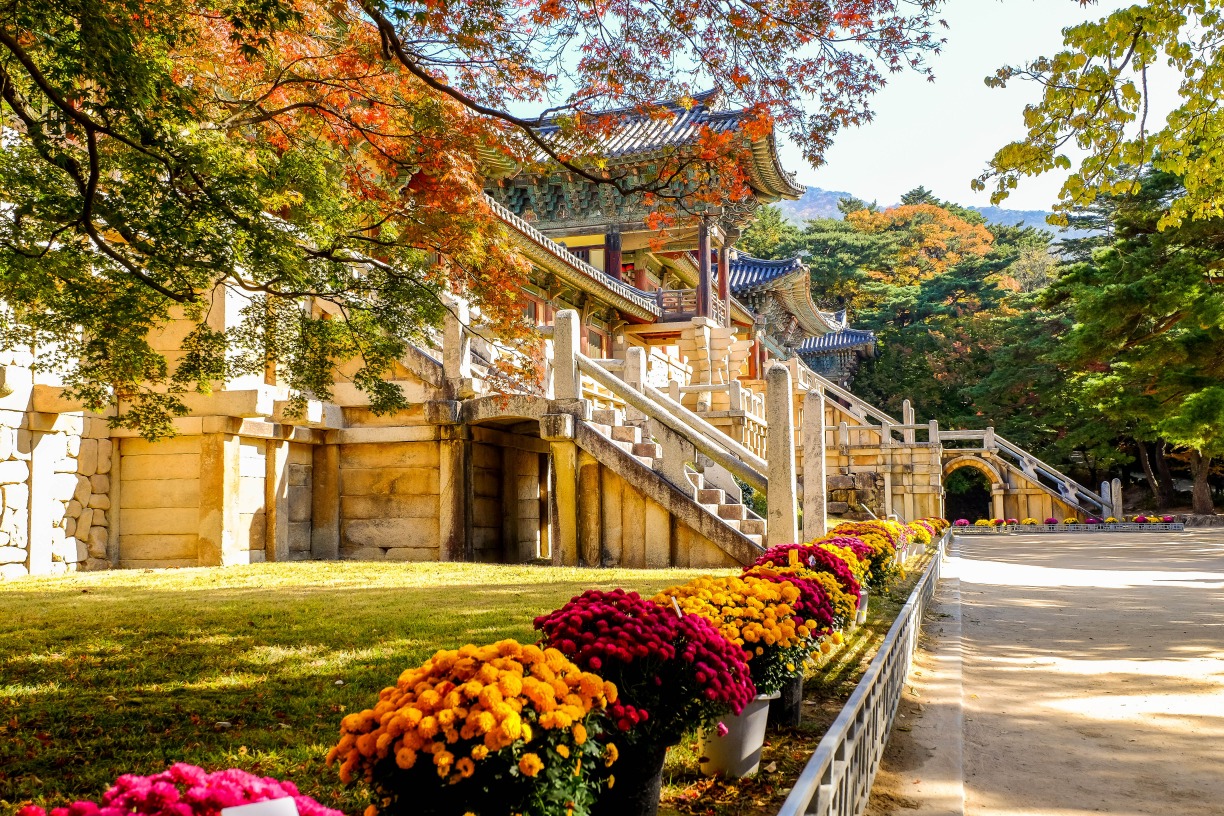
Next, venture into a different setting with the magnificent Beomeosa Temple. Built in 678, it ranks among Korea's most beautiful and largest temples. Nestled at the foot of Mount Geumjeongsan, it's a true haven of peace where nature lovers can wander and contemplate the splendor and diversity of the landscapes. You can even stay in the temple for a few days to experience the life of monks—a practice known as "temple-stay." To continue exploring Busan's Buddhist structures, visit Yonggungsa Temple. Constructed on a clifftop overlooking the northeast coast of Busan, this place is equally magical and distinctive as Beomeosa. The expansive views over the sea from the temple, with moving Buddhist chants echoing through the air, truly merit the journey.
A Cultural Side
To complete your discovery of Busan beautifully, don't miss a quick detour to the Gamcheon Cultural Village. Art lovers and street art enthusiasts will surely appreciate the originality of this small village nestled between mountains. Its multicolored houses, narrow alleys and artistic cafés cannot help but charm you. Numerous literary references appear around every corner—you may even spot the Little Prince and his fox friend gazing out over the village and distant sea.
Busan, this large city still provincial in spirit, remains relatively undiscovered by tourists, guaranteeing you a stay full of surprises.
Climate
Busan enjoys a humid subtropical climate of the Cwa type according to the Köppen-Geiger climate classification. This very sunny coastal city experiences temperatures significantly higher than the rest of the Korean peninsula; however, precipitation is quite heavy in summer with an annual average of 1,472mm. Summers can be very humid and heavy while winters are fairly cold and dry. The average temperature is 14.1°C.
Gimhae International Airport allows you to reach Busan quickly via a dedicated metro line or by limousine, local buses or taxi. The airport is served by numerous international flights.
Busan also has a station served by the KTX. Plan for approximately 3 hours by KTX (local high-speed rail) from Seoul.
Numerous buses serve Busan from most cities across the country.
Busan maintains regular maritime connections with Japan thanks to its international ferry service. On the island of Kyūshū, in the city of Fukuoka, you can reach Busan in 6 hours.
Busan is a city perfectly well-served by public transportation.
Its metro, which currently has 4 lines plus 2 special lines (the Busan Gimhae Line and the Donghae Line), allows you to easily reach the main points of interest.
Busan also benefits from an extensive bus network. Unfortunately, if you don't speak Korean it can be difficult to navigate unless you know exactly which bus number to take and your destination stop.
Taxis can be a perfectly viable option but should be avoided during rush hours.
What to Do in Busan?
- Relax on Haeundae and Gwangalli beaches
- Visit Beomeosa and Yonggungsa temples
- Photograph Gwangan Bridge at sunset
- Wander through Jagalchi Market and savor the country's finest fresh fish
- Be charmed by the artistic attractions of Gamcheon Cultural Village
Attractions in Busan
See all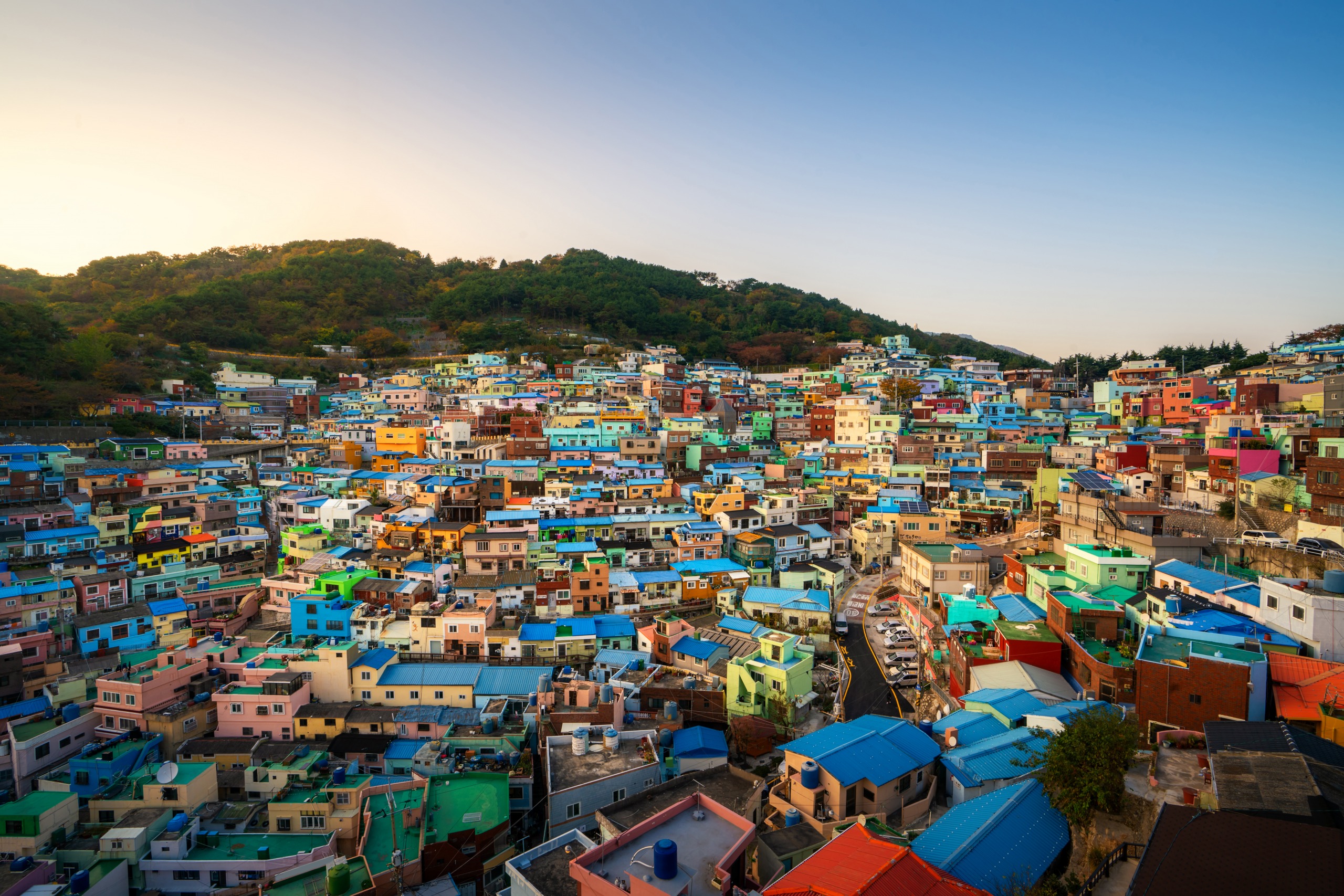
Village culturel de Gamcheon
Accroché à flanc de colline dans le district de Saha à Busan, le village culturel de Gamcheon aligne ses maisons cubiques peintes de couleurs vives au-dessus du port.
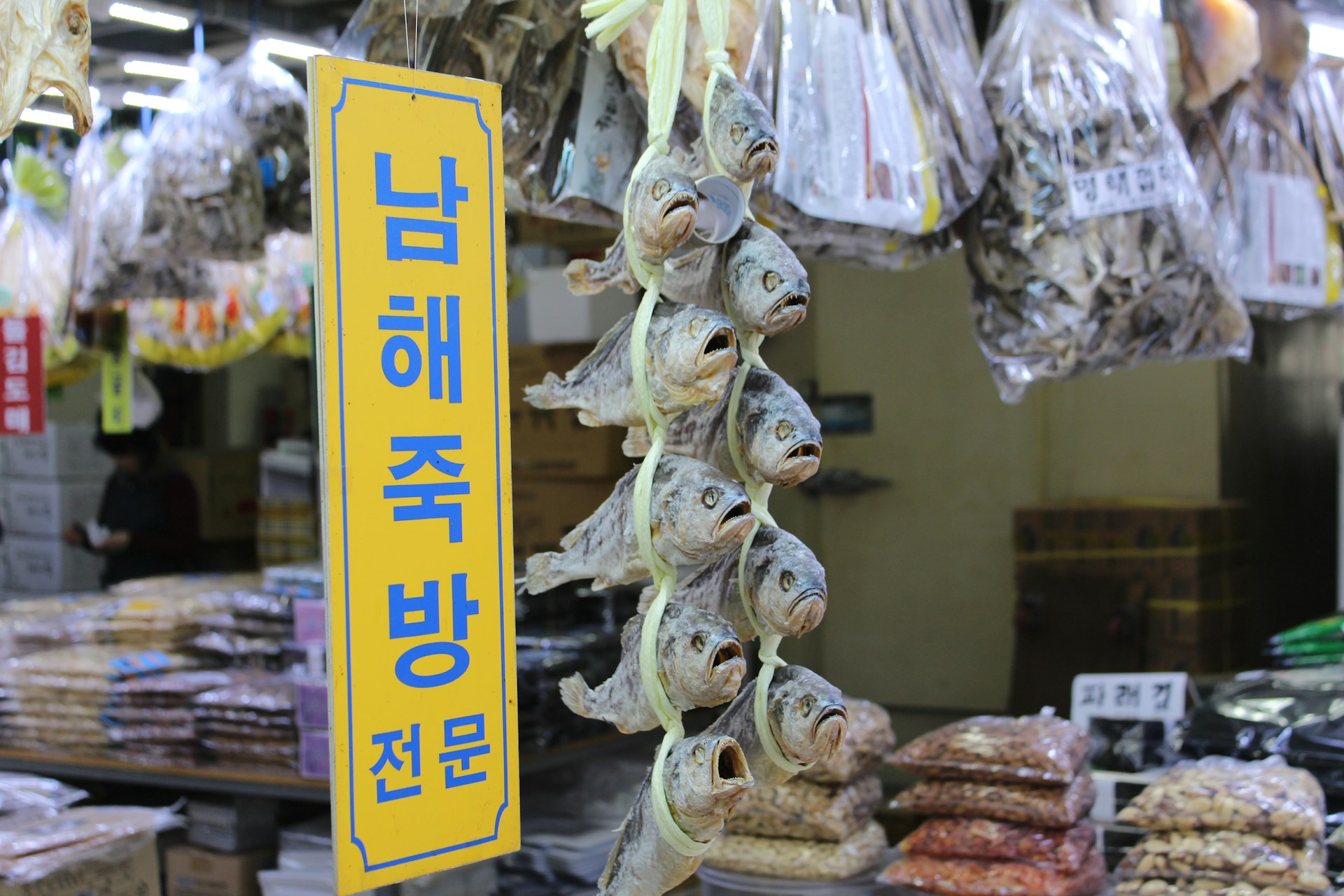
Marché aux poissons de Jagalchi
Le marché Jagalchi est le plus grand marché aux poissons de Corée du Sud, installé sur le front de mer du quartier Jung-gu à Busan.
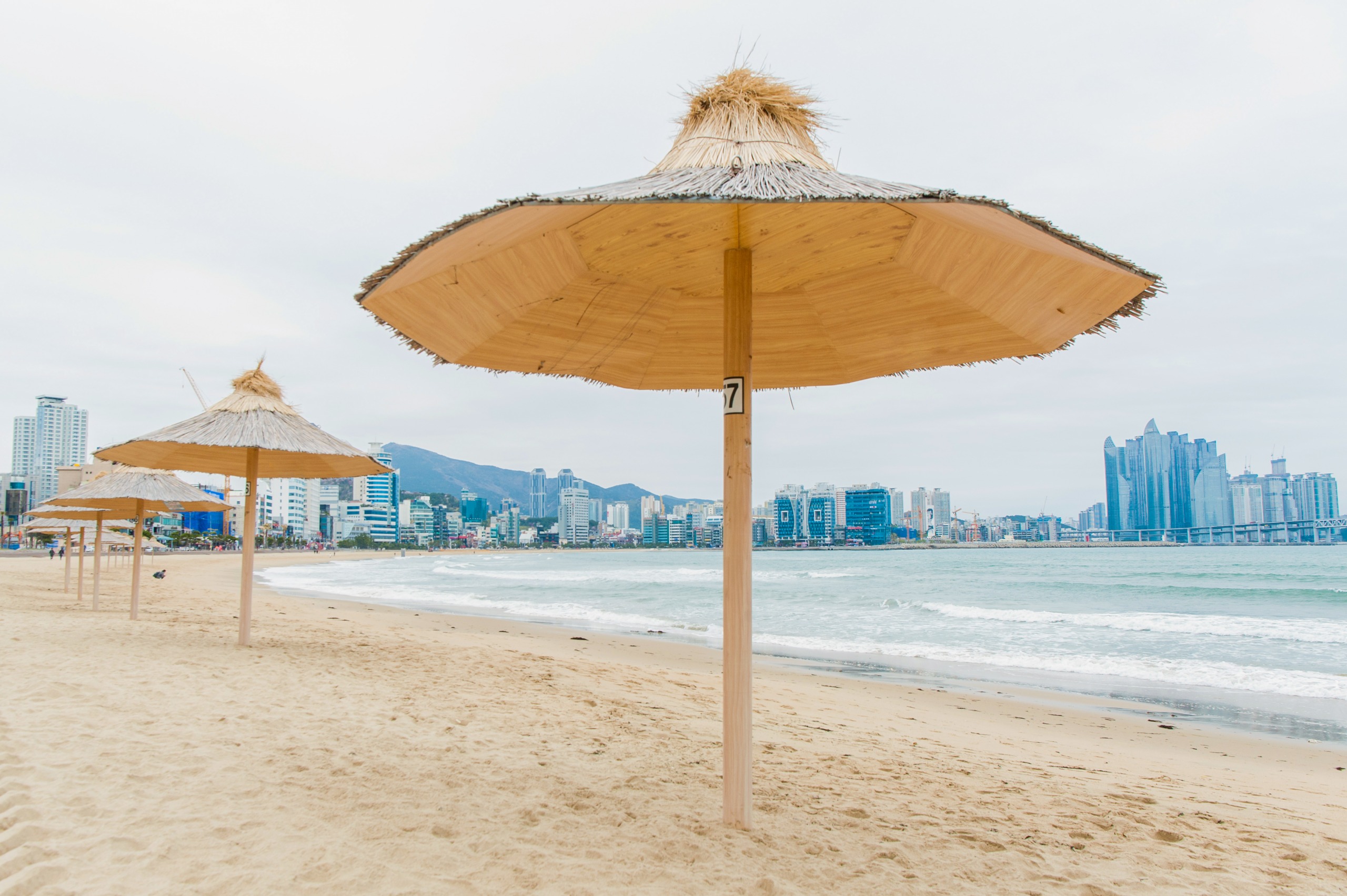
Plage de Gwangalli
La plage de Gwangalli s'étire sur 1,6 km au sud-est de Busan, face à la silhouette du pont Gwangan qui ferme la baie. Plus urbaine et plus festive que sa voisine Haeundae, elle combine baignade
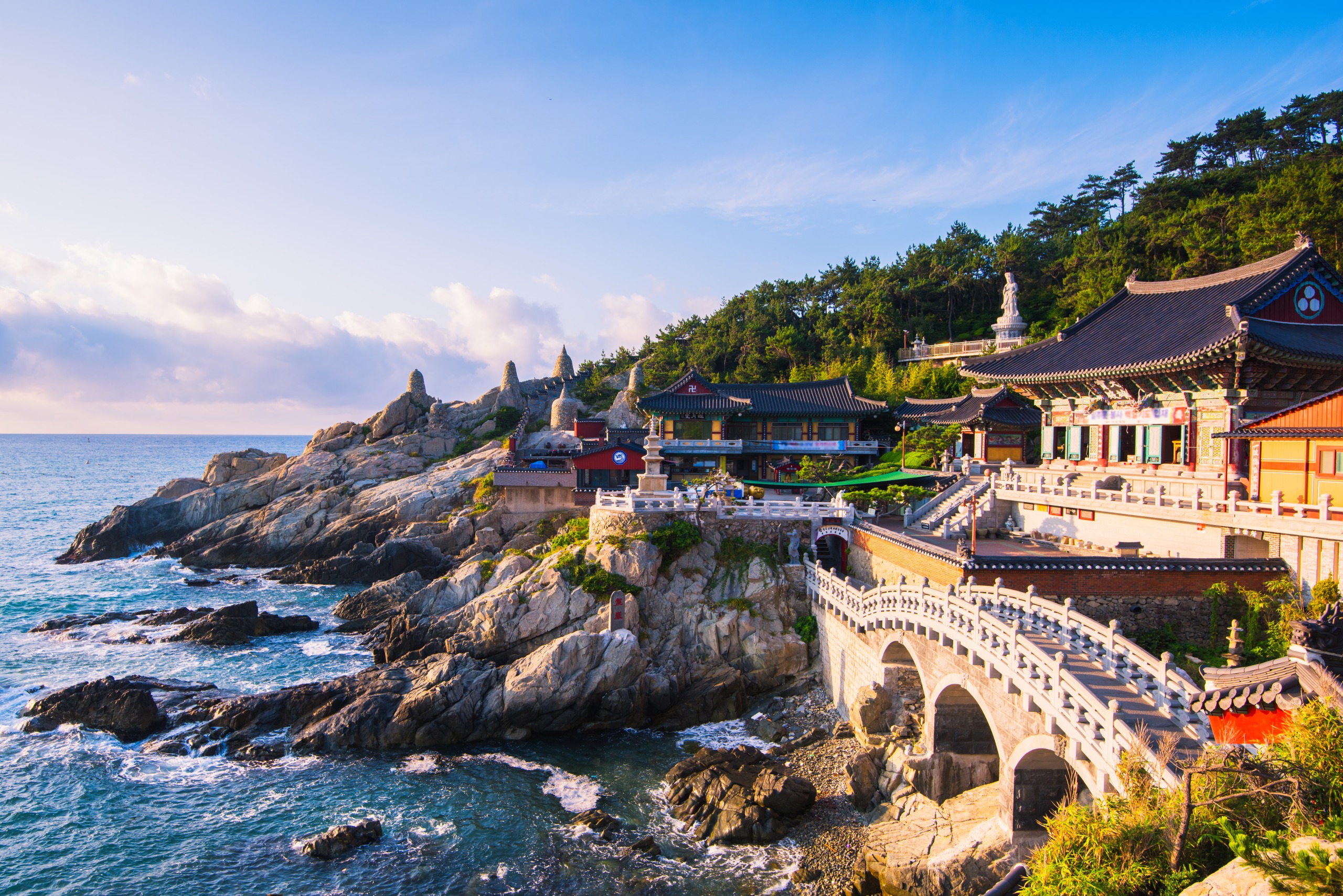
Temple de Haedong Yonggungsa
Accroché à la côte rocheuse au nord-est de Busan, le temple de Haedong Yonggungsa fait partie des rares sanctuaires bouddhistes coréens construits en bord de mer.
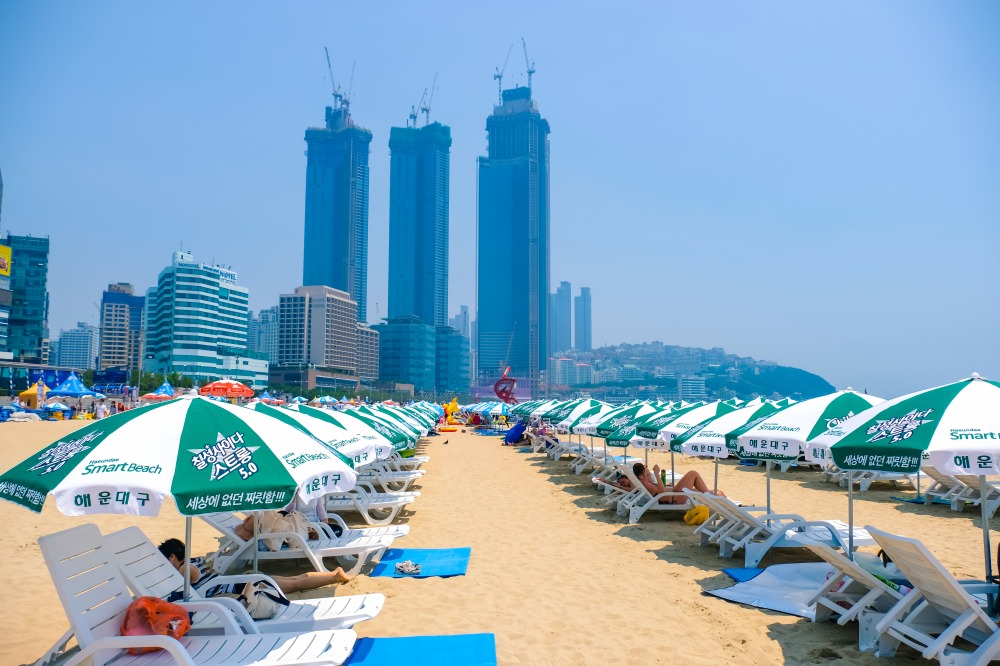
Plage Haeundae
La plage de Haeundae s'étend sur environ 1,5 km le long du littoral est de Busan, avec une largeur de 30 à 50 mètres. C'est l'une des plages urbaines les plus fréquentées de Corée du Sud
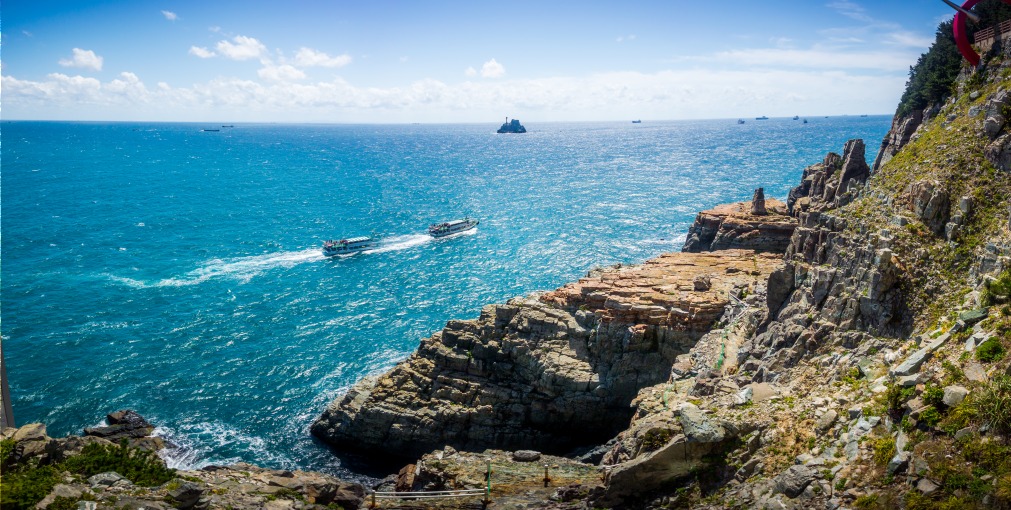
Sea Life Busan
Sea Life Busan est un aquarium de 36 000 m² implanté sur la plage de Haeundae, à Busan. Construit sur trois niveaux, il héberge plus de 250 espèces de poissons, reptiles et amphibiens
Want to discover this destination?
Our local advisors design your tailor-made trip.