Incheon
Incheon
Gateway to South Korea, Incheon brings together a futuristic smart city, a historic Chinatown, prehistoric dolmens and Yellow Sea beaches.
Incheon, located around fifty kilometers west of Seoul, is South Korea's second major port city after Busan. Incheon isn't particularly touristy, but it remains an almost unavoidable stop on a trip to South Korea since it is home to the major Incheon International Airport.
History
In 372 and 475, Korean diplomatic missions to China began at Incheon. This city served as a refuge for the government during the Goryeo dynasty, at the time of the Mongol invasion.
Incheon modernized around the 19th century. Its port was built in 1883. Special importance was given to Incheon thanks to its mouth, which constituted a strategic location for port construction. At that time, only 4,700 people lived in the city.
Incheon played a major role during the Korean War in 1950. It was the site where the UN amphibious force landed, during the Battle of Incheon, as part of Operation Chromite. This involved reducing the pressure being exerted on the Busan area by creating a second front and launching a counter-offensive northward.
The international airport opened its doors in 2001.
Why Not Stop a While in Incheon?
Incheon is best known as one of South Korea's main gateways, thanks to its international airport. The city is often overlooked by tourists who prefer to head straight to Seoul, the capital, just a few kilometers away. Yet Incheon has plenty to offer, notably with its famous intelligent city called Songdo and its charming Chinatown district.
Korean Intelligence with Songdo
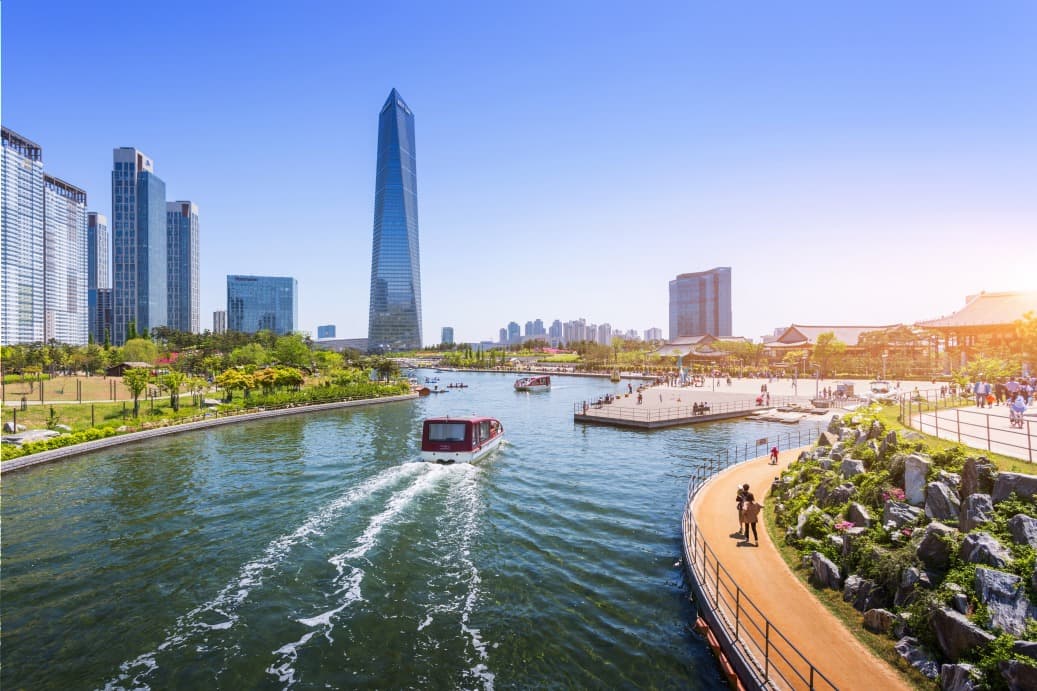
Songdo is a new district that beautifully combines modernity within a natural landscape. This smart city was built on 610 hectares reclaimed from the Yellow Sea, near the large bridge leading to Incheon International Airport. Songdo contains numerous skyscrapers, a large park and the Compact Smart City. You can shop along Canal Walk, a street lined with boutiques. The atmosphere is unique as it evokes that of the great European shopping streets. From there, you can admire the large cable-stayed bridge that connects Songdo to Yeongjong Island. At around twenty kilometers long, it's the most spectacular highway viaduct in South Korea. Considered one of the "ten architectural wonders of the world," it's truly worth a detour, especially at night when it's beautifully illuminated.
China in Incheon
Head next to Unnam-dong to discover Chinatown. This Chinese quarter evokes imperial China of the Qing dynasty, especially with the colors of its buildings. Some of its streets are beautifully decorated like the famous tales where Snow White and Peter Pan are the main characters. Its atmosphere with the scent of China will certainly make you hungry, and fortunately the area abounds with Chinese restaurants where you can order a meal.
A Bit of History on Korean Immigration
History enthusiasts won't want to miss the Museum of the History of Korean Emigration. This gallery exhibits pieces such as various models of Korean passports and various documents from South Korea's first expatriates.
Ganghwa Island
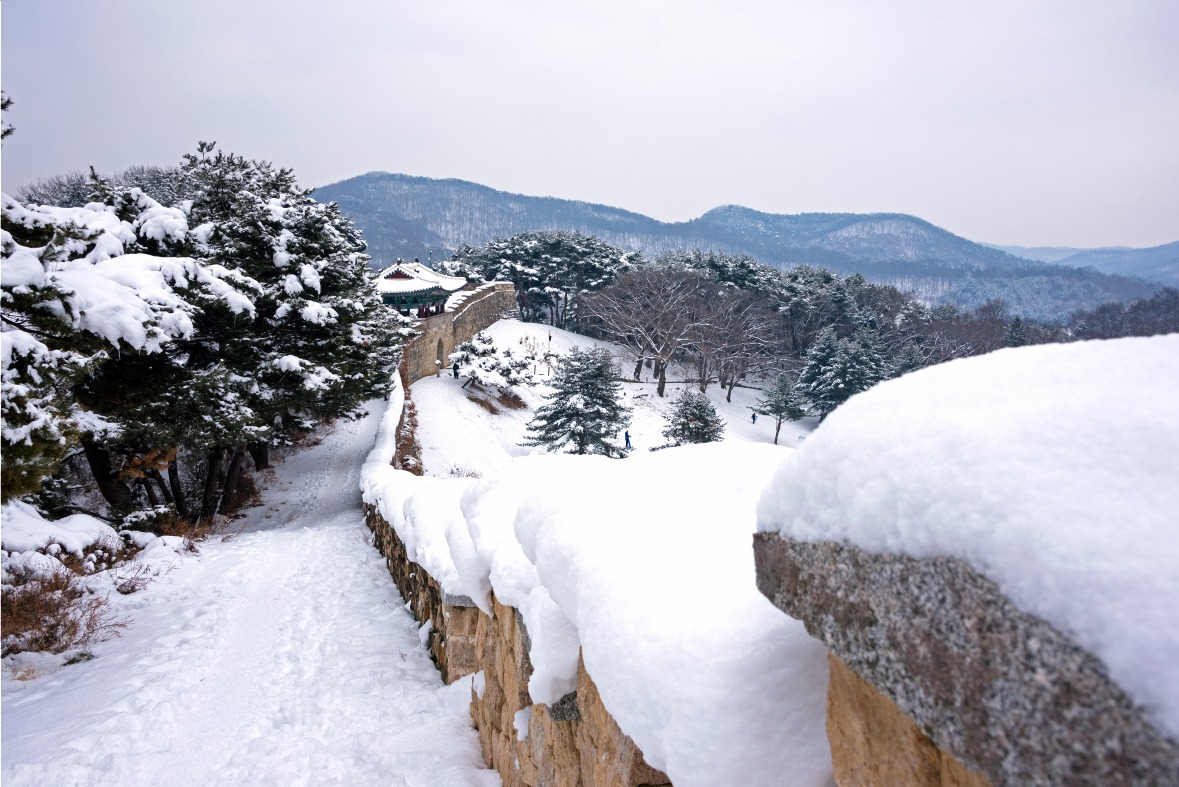
After this lovely discovery, it's time for adventure on Ganghwa Island, lost at sea on South Korea's western coast. Composed of nearly thirty islets, most of which are uninhabited, this island is connected to the mainland by a bridge. Ganghwa is home to countless historical monuments worthy of admiration. Among the most famous are the 80 dolmens, raw stone tombs dating from prehistoric times, and the footprints of Dangun, the creator of the first Korean state. At the summit of Mount Mani, you'll enjoy an unobstructed view of the mainland and western sea via the Chamseong altar.
Beaches in Incheon
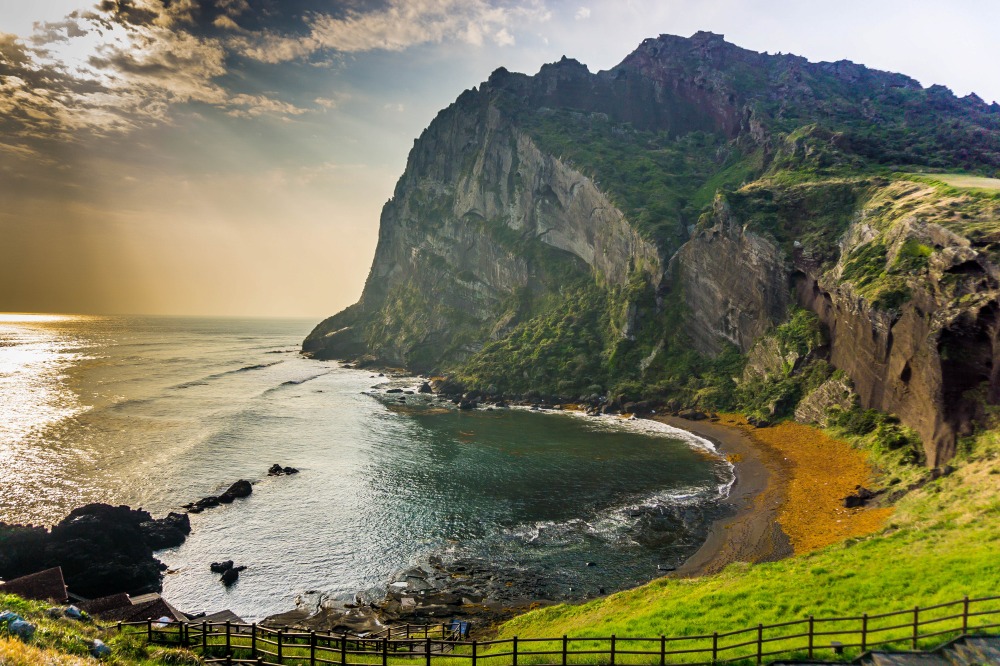
As a coastal city, Incheon has numerous beaches where you can relax and enjoy the sunshine. On Yongyudo Island, in the southwest, near Incheon International Airport, you'll find Eurwangni Beach, whose beauty is enhanced by strangely-shaped rocks and pine trees that frame it. It's crowded during the summer season but regains its calm the rest of the year. The yellow sea, bordered by white sand, is very suitable for swimming or why not beach volleyball, just for fun. Many festivals and competitions are organized there for the delight of visitors. Liberty Park, Jayu, is located not far from this beach. You can visit it to see the statue of General Douglas MacArthur, the man who led American troops in defense of South Korea in 1950. The park also houses a replica of the Statue of Liberty that makes New York famous. Continue your walk on Seonnyeobawi Beach, the fairy's rock. On this beach, you'll be amazed by the rock that looks like a woman wearing a crown on her head. If you plan to spend the night there to watch the sunset, you can rent a room in the surrounding area.
During your short stay in Incheon, don't forget to visit Bupyeong, the go-to spot for trendy bars and restaurants, just next to the train station. There's an underground shopping center that welcomes you warmly if you want to window shop. The shops offer a whole selection of clothing and a wide choice of latest generation smartphones. Also plan a little getaway to Wolmido Island, located just one kilometer from Incheon's coast. This island is well known for its unique crescent moon shape and its many tourist attractions, including the "Play Hill" amusement park and Culture Street. It's the perfect place to enjoy seafood dishes with around fifty specialized restaurants. To end your Incheon vacation beautifully, treat yourself to a little getaway to Jakyakdo Island, which stands in Wolmido Harbor. It's full of beautiful places where you can picnic while admiring the magnificent sea view. Don't forget to take a little trip to Muuido, Daecheongdo, Yeonpyeongdo and Deokjeokdo Islands. Beyond the beautiful beaches and landscapes, they have numerous hiking trails you can explore if you have time.
Climate
Incheon benefits from a humid continental climate, classified Dwa by the Köppen-Geiger climate map. Over the year, the average temperature is 12°C. Average annual rainfall is 1,166.6 mm. You can vacation peacefully in Incheon in May, June, September and October as these are the months when the climate is most favorable. In any case, although July and August are very hot in Incheon, you can take advantage of the good weather to enjoy swimming on the beaches.
Incheon has an international airport that is the main entry point to South Korea. It's the 10th busiest airport in Asia, behind Kuala Lumpur International Airport.
You can reach Incheon from China. The city is home to an international port that regularly receives ships from numerous Chinese cities, including Tianjin and Dandong.
The Kyeong-in Metro Line, also known as Line 1, passes through Incheon. At the capital's train station, you can take the express train, which is much faster to reach Incheon.
You can travel by bus from most cities in the country. If you're leaving from Seoul, take the express bus at the train station or at Gangnam Station.
In Incheon, you have plenty of choice for transportation. Buses serve almost every corner of the city. Incheon currently has around 2,000 buses in service.
The metro line operated by Incheon Rapid Transit Corporation also passes through most of the city's tourist sites.
Taxis also roam the city and will get you from point A to point B easily.
What to Do in Incheon?
- Stroll through Songdo and the Chinatown district
- Venture onto Jakyakdo, Ganghwa, Yongyudo and Wolmido Islands
- Walk on Eurwangni and Seonnyeobawi beaches
- Window shop in Bupyeong
- See the historic monuments at Liberty Park
Want to discover this destination?
Our local advisors design your tailor-made trip.