Jeolla
Rural southwestern Korea, the country's gastronomic reference, between Jeonju's hanok district, zen monasteries and 1,700 islands off the coast of Mokpo.
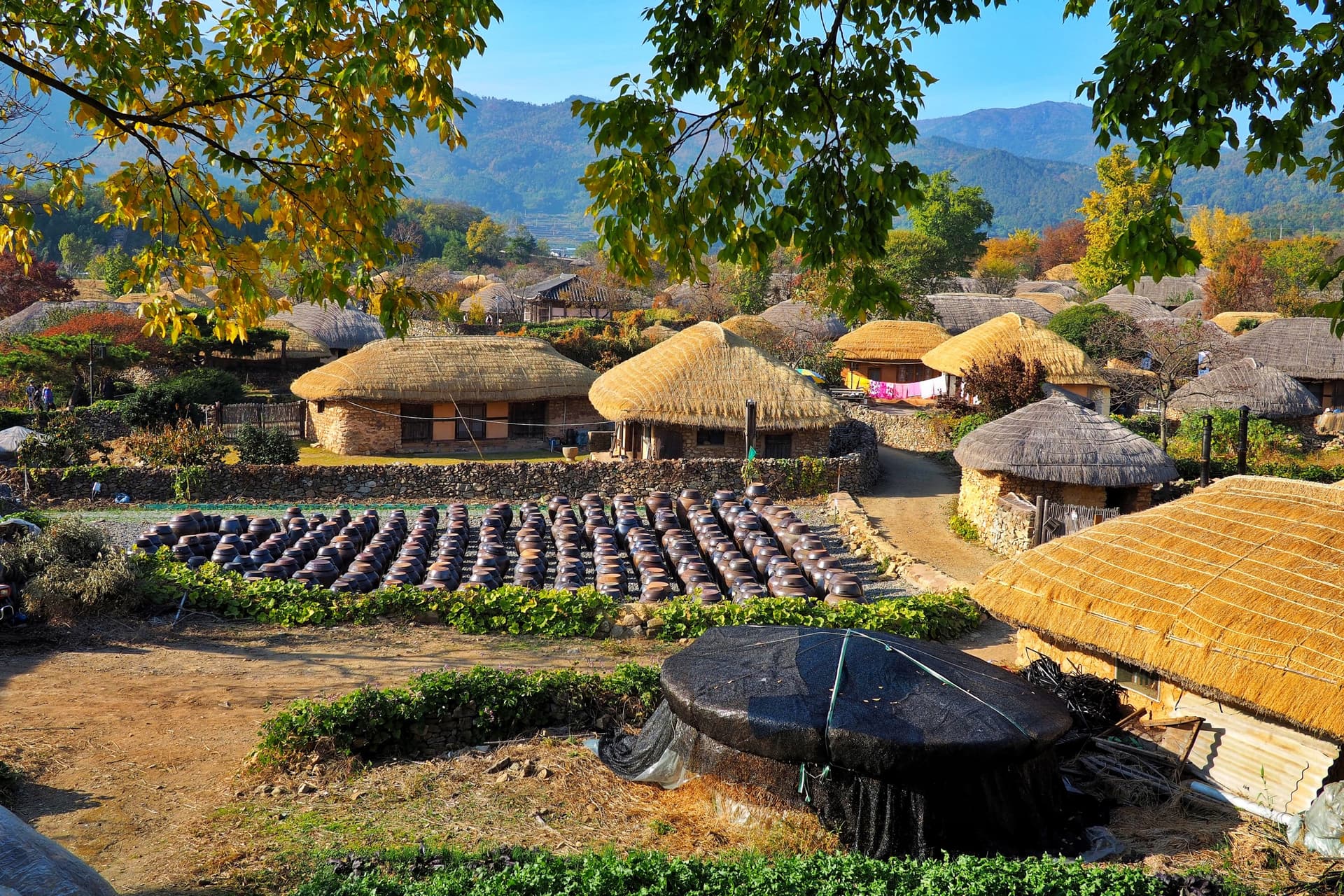
Jeolla occupies the southwestern tip of the peninsula, two provinces (Jeollabuk-do and Jeollanam-do) that long remained on the margins of industrial development concentrated around Seoul and Busan. This historical isolation paradoxically explains what the region offers today: preserved farmland, villages with tile roofs, and a culinary tradition that remains the national benchmark. When a Korean wants to eat well, Jeolla comes to mind.
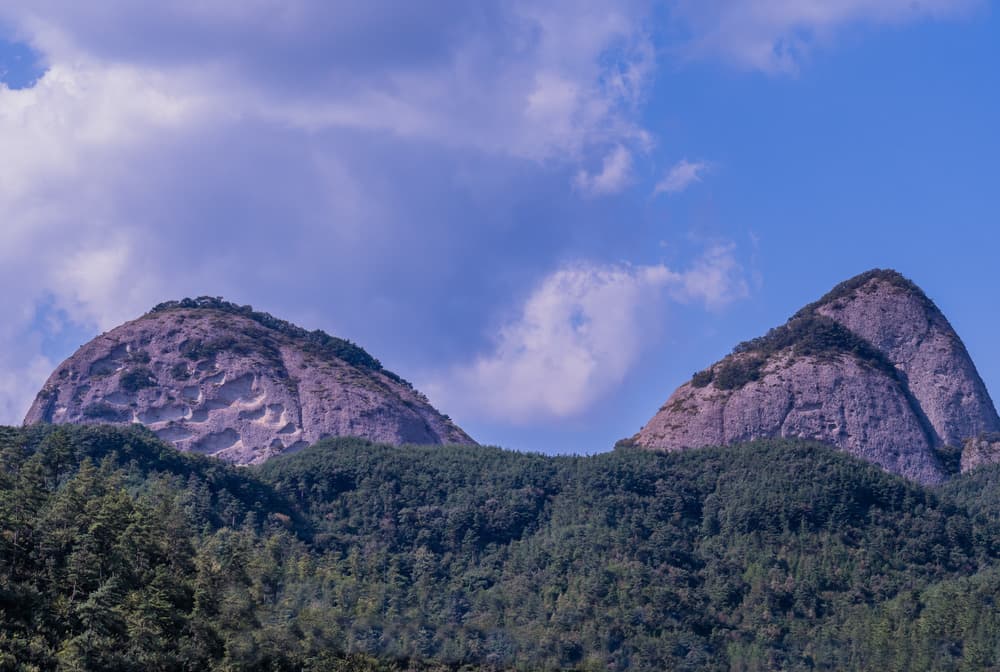
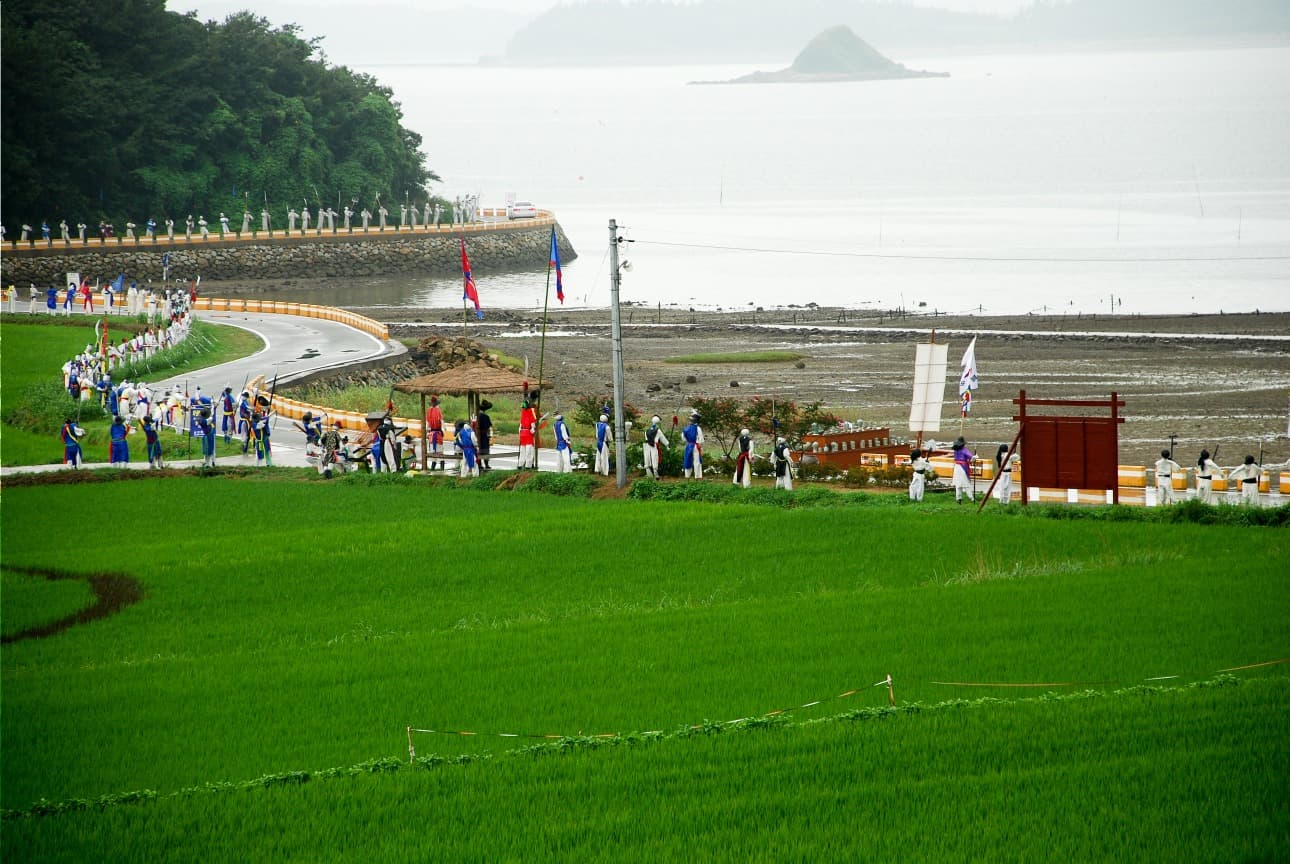
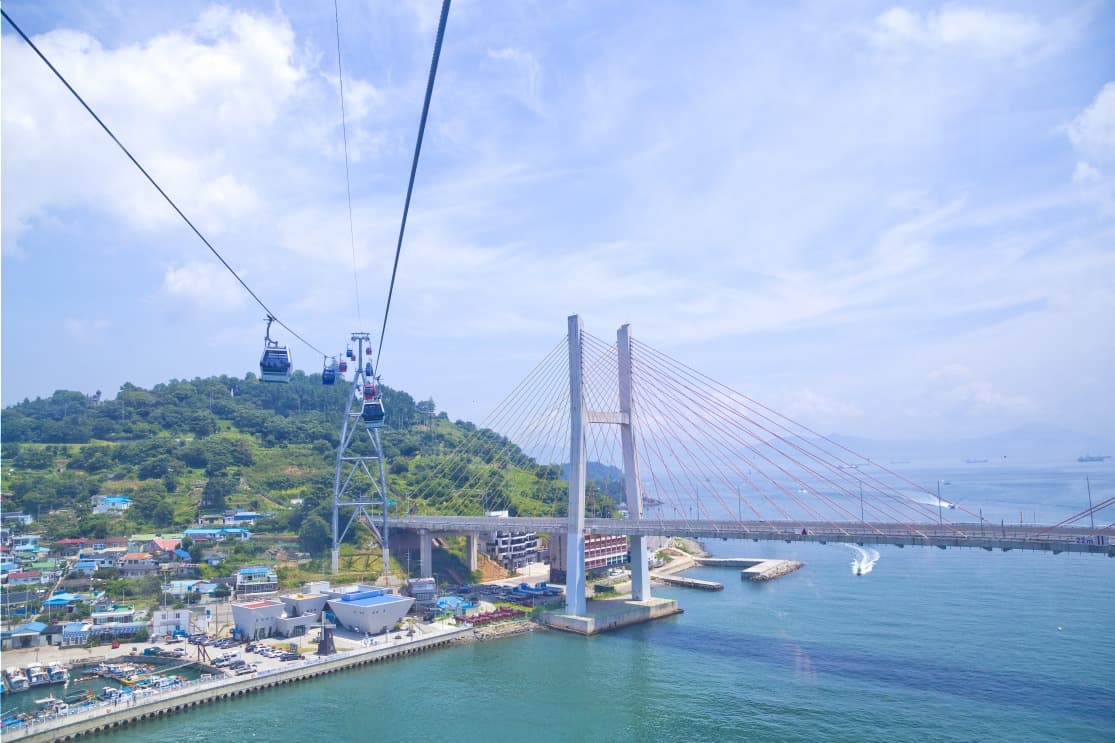
The landscape alternates between rice paddies around Jeonju and Gimje, forested hills inland, and a deeply indented coastline to the southwest. From the port of Mokpo, more than 1,700 islands scatter across the Yellow Sea and the South Sea, a hundred of them inhabited. Daily ferries serve Bigeumdo, Heuksando, and Hongdo, the latter renowned for its red sandstone cliffs two hours by boat from the mainland. Inland, Jirisan National Park spills into the eastern province and peaks at 1,915 meters, the highest point on continental Korea.
Jeonju, the historic capital of the Joseon dynasty before its move to Seoul, serves as the natural gateway from the capital (1 hour 45 minutes by KTX). Its hanok district contains roughly 700 traditional houses, still inhabited or converted into guesthouses, making it the country's largest preserved ensemble. It also claims to be the birthplace of bibimbap, served here in a sizzling stone bowl with around twenty accompaniments. Further south, Gwangju, the country's sixth-largest city, carries strong political memory linked to the May 1980 uprising, documented at the May 18 Memorial and the National Cemetery.
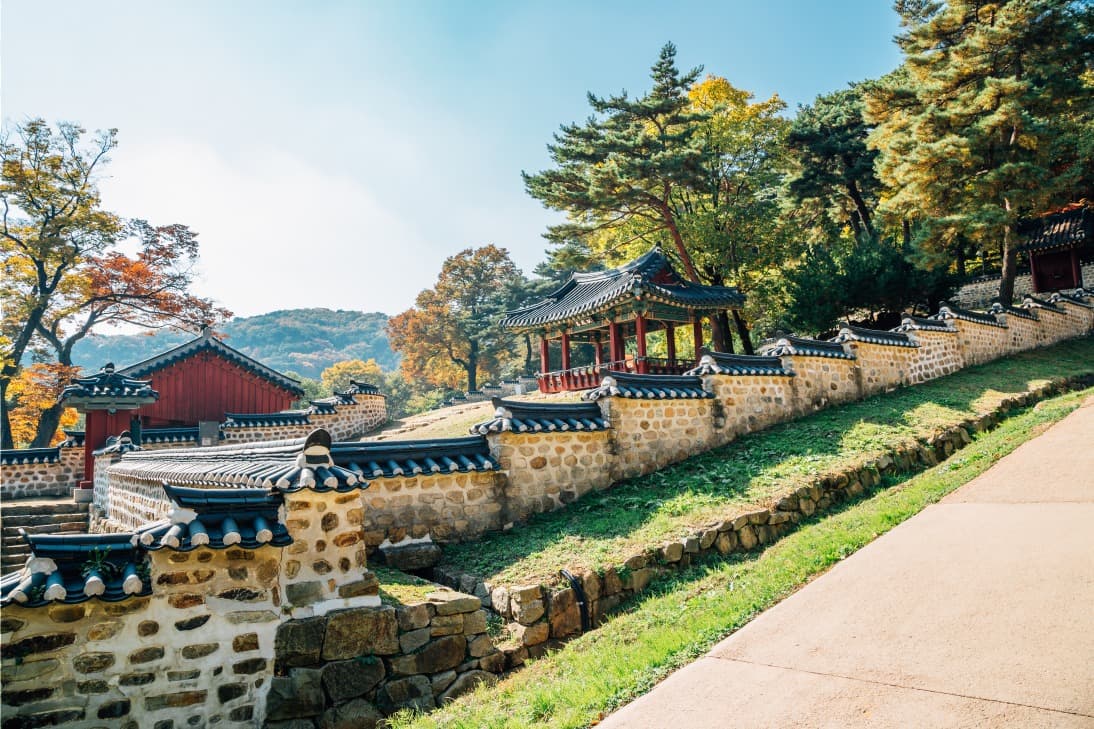
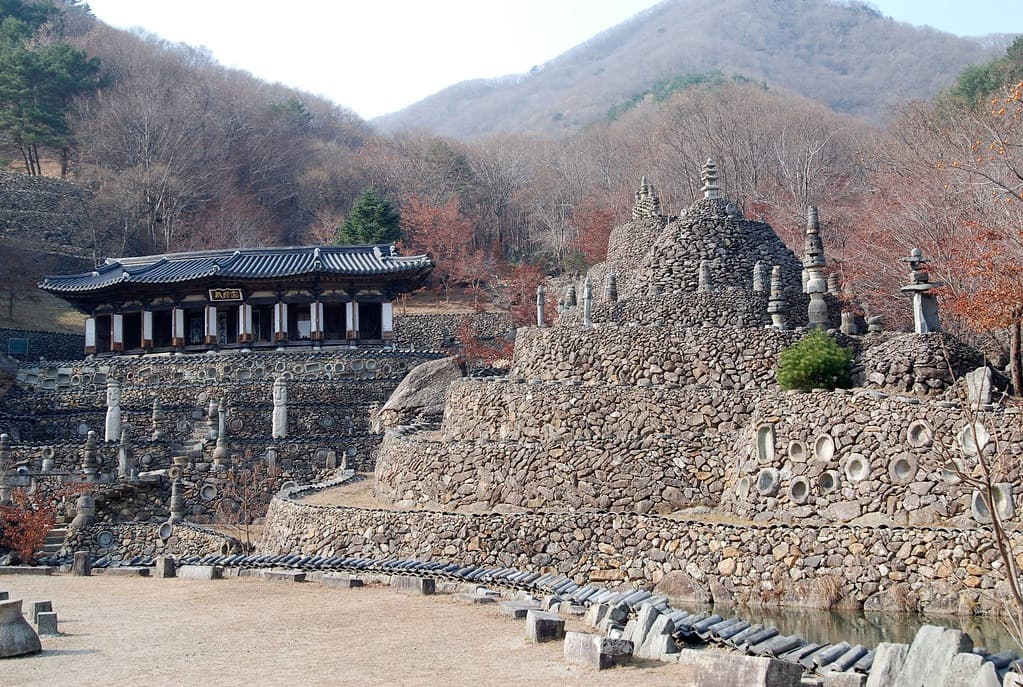
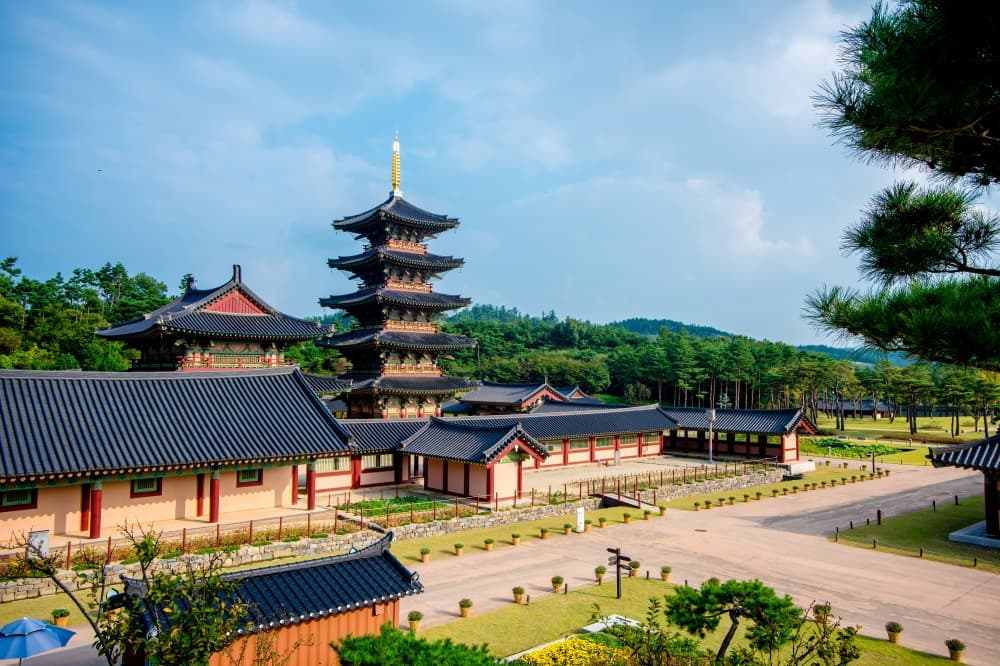
Zen Buddhism (Seon in Korean) has its spiritual home at Songgwangsa, in Suncheon County. This monastery, one of the three "jewels" of Korean Buddhism, offers serious temple-stays: wake-up at 3:30 a.m., silent meals (baru gongyang), sitting meditation. An hour's drive away, Naejangsan National Park draws Koreans every year around November 10-15 for its maples and ginkgos turning deep red along the path to Naejangsa Temple. Suncheon Bay, a Ramsar-designated site, showcases 28 square kilometers of reed beds crossed by wooden walkways, wintering grounds for white-naped cranes between November and February.
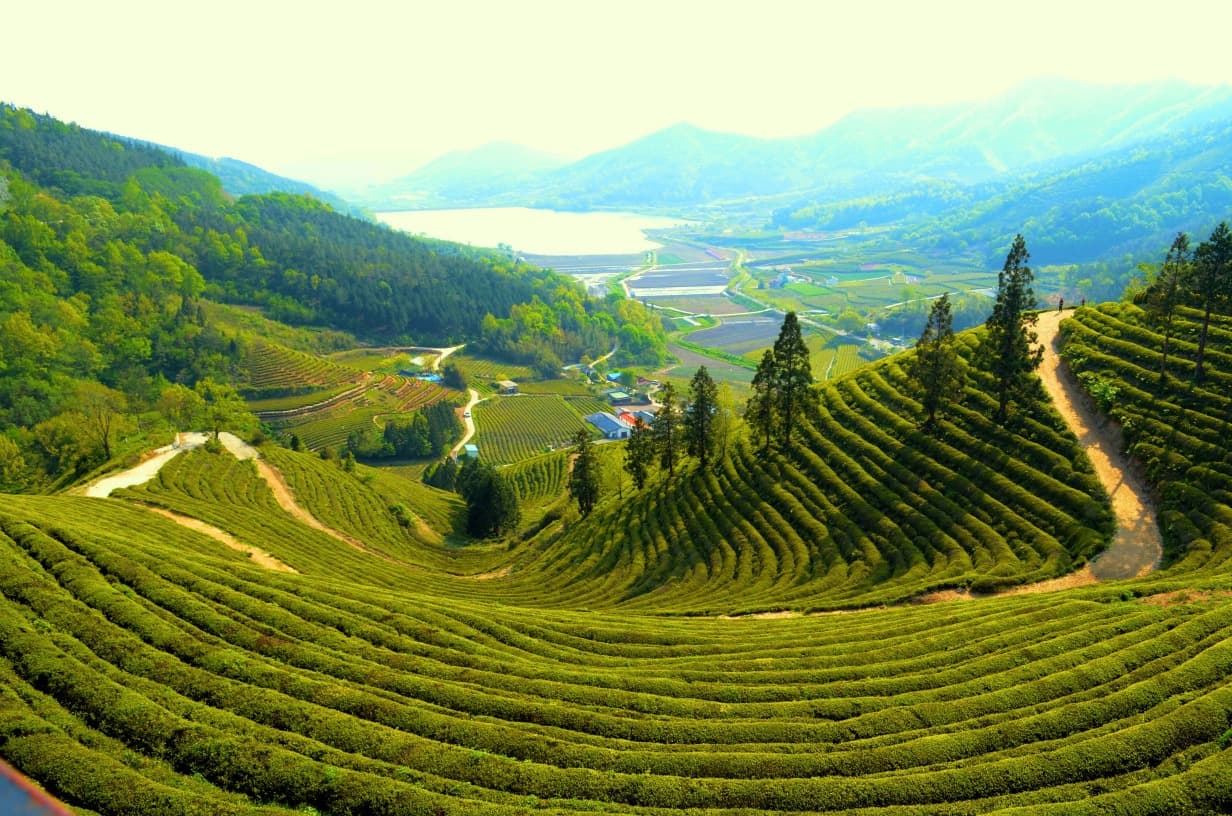
On the culinary front, the region stands out for hanjeongsik, the traditional meal where ten to thirty small dishes (banchan) are arranged simultaneously: fermented kimchis, seasonal vegetables, dried fish, jeotgal (fermented seafood condiments). Boseong, on the southern coast, produces half of Korea's green tea on terraces photographed since the 1950s. Damyang is known for its bamboo forests (Juknokwon) and its tteokgalbi cuisine—grilled beef patties. Ganggyeong's jeotgal, Jangsu's noodles, Gochang's eel: each sub-region claims its specialty, and we tailor itineraries to the traveler's tastes.
The region remains rural and English-speaking services are limited; some character-driven accommodations sit in hamlets poorly served by public transport. This is precisely what makes it compelling for those seeking a slower Korea, and why we work with English-speaking driver-guides on most itineraries here.
What to discover
Jeonju hanok district. Roughly 700 traditional houses, inhabited or converted, with cobbled lanes between Gyeonggijeon Shrine and Jeondong Cathedral. Overnight stays in renovated hanok and bibimbap breakfasts with local hosts available.
Temple-stay at Songgwangsa. Two nights in one of Korea's three great zen monasteries, with dawn meditation, monastic meals served in four bowls, and silent walks through the cryptomeria forest surrounding the grounds.
Naejangsan maples in November. A day's hike between Naejangsa Temple and Seoraebong peak (763 m), with dense red foliage between November 5 and 20 depending on the year.
Islands departing from Mokpo. Daily ferries to Bigeumdo (beaches and salt marshes), Heuksando (coastal trails), or Hongdo (red sandstone cliffs). Plan at least one night on site to justify the 1- to 2-hour crossings.
Boseong tea plantations. Daehan Dawon terraces planted on hillsides since 1957, with iced green tea tastings in summer and local matcha ice cream. Easily combined with Suncheon Bay 50 minutes away.
When to go
Jeolla enjoys a milder climate than northern Korea, with winters rarely dropping below -2°C in lowlands and summers around 29-31°C in July-August. The two best windows are mid-April through end of May (cherry blossoms in Jeonju around April 5-10, followed by azalea blooms) and mid-October through mid-November (Naejangsan maples, Damyang ginkgos, clear skies). The monsoon, called jangma, strikes hard from late June through mid-July: 250 to 400 mm cumulative rainfall, mountain roads sometimes closed in rural counties, island ferries frequently suspended.
August remains humid and heavy, with typhoon risk through mid-September, especially on the southern coast and islands. December through February are feasible for the mainland (Jeonju, Gwangju, Suncheon) but less appealing for high-altitude hiking in Jirisan, where snow lingers from January through March. For Mokpo's islands, we avoid December-February: wind and fog often reduce visibility and disrupt ferry service.
Practical tips
We recommend 3 to 4 days to capture the region's spirit: one night in Jeonju, one to two nights in a temple-stay or rural hanok around Suncheon-Boseong, and a day's extension toward Mokpo if islands appeal to the traveler. Fewer than 3 days don't justify the journey from Seoul (1 hour 45 minutes by KTX to Jeonju, then a car is essential). Beyond 5 days, the density of experiences thins unless you devote time to hiking Jirisan or exploring multiple islands.
Access is by KTX train from Seoul to Jeonju or Gwangju-Songjeong, then by car with driver (rural public transport is sparse). The region flows naturally with Seoul beforehand, and with Gyeongsang and Busan afterward via the southern KTX line (Gwangju-Busan in 3 hours). Combining Jeolla and Jeju requires a domestic flight from Gwangju or Mokpo (40 minutes). Hotel comfort remains modest outside Jeonju and Gwangju, but hanok and temple-stays more than compensate. This region suits contemplative travelers, gastronomy and Buddhist culture enthusiasts, and families with older children who appreciate hiking and leisurely meals. It will appeal less to those in a hurry seeking monumental sites.