9 articles to prepare your trip
On Mount Kaya near Daegu, Haeinsa houses the 80,000 wooden tablets of the Tripitaka Koreana, inscribed as UNESCO World Heritage since 1995.
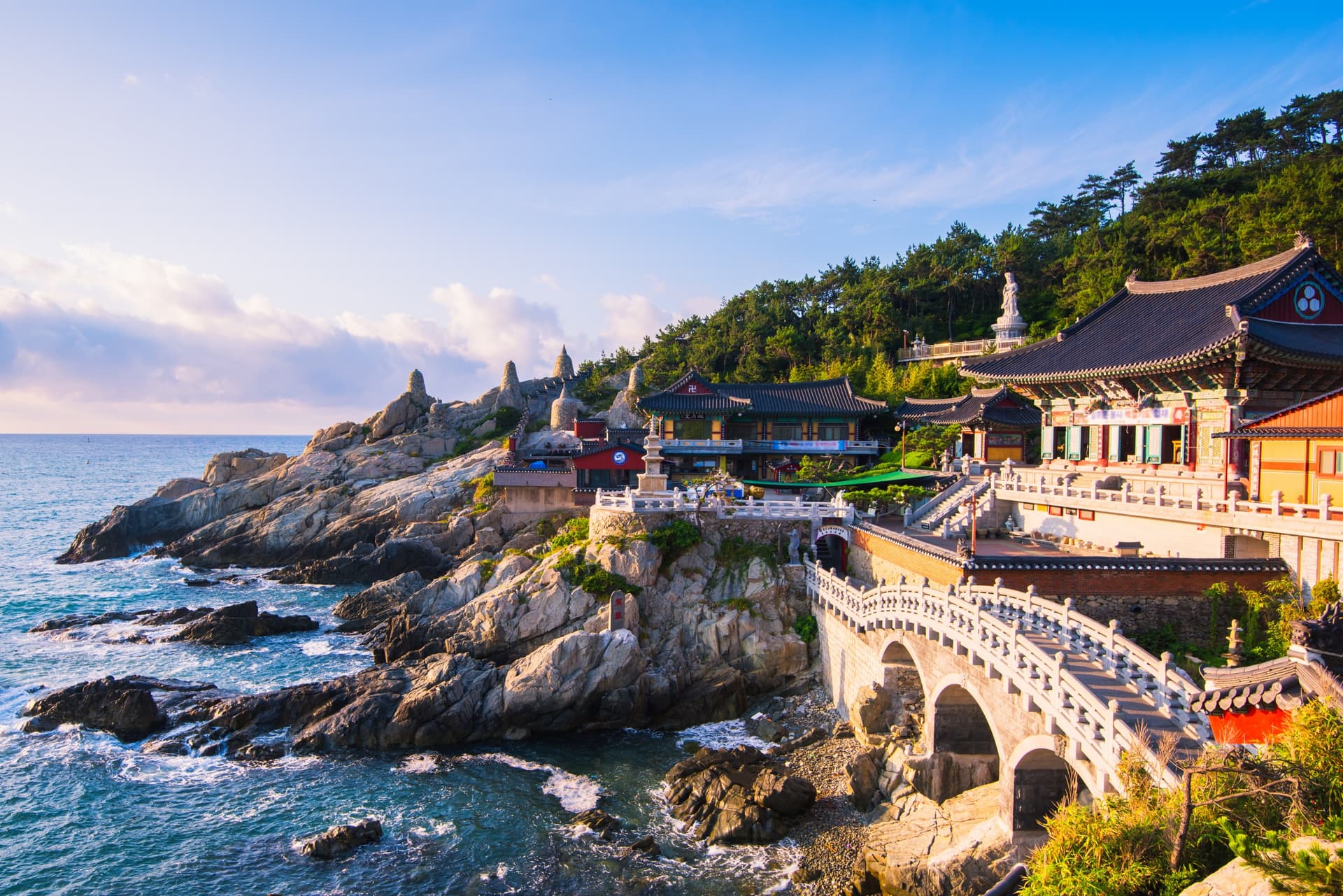
Built in 1376 on the rocky coast northeast of Busan, Haedong Yonggungsa is one of the rare Korean Buddhist temples constructed on the seafront.
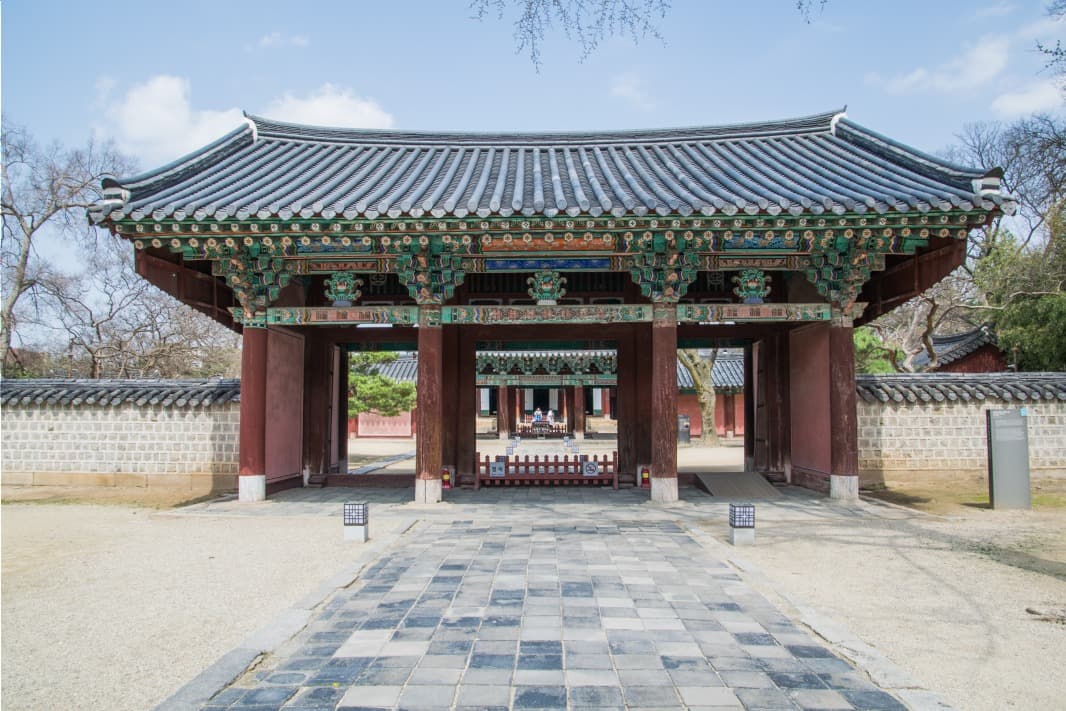
Joseon shrine founded in 1410 in Jeonju, Gyeonggijeon houses the portrait of King Taejo and dynastic annals inscribed on the UNESCO Memory of the World Register.
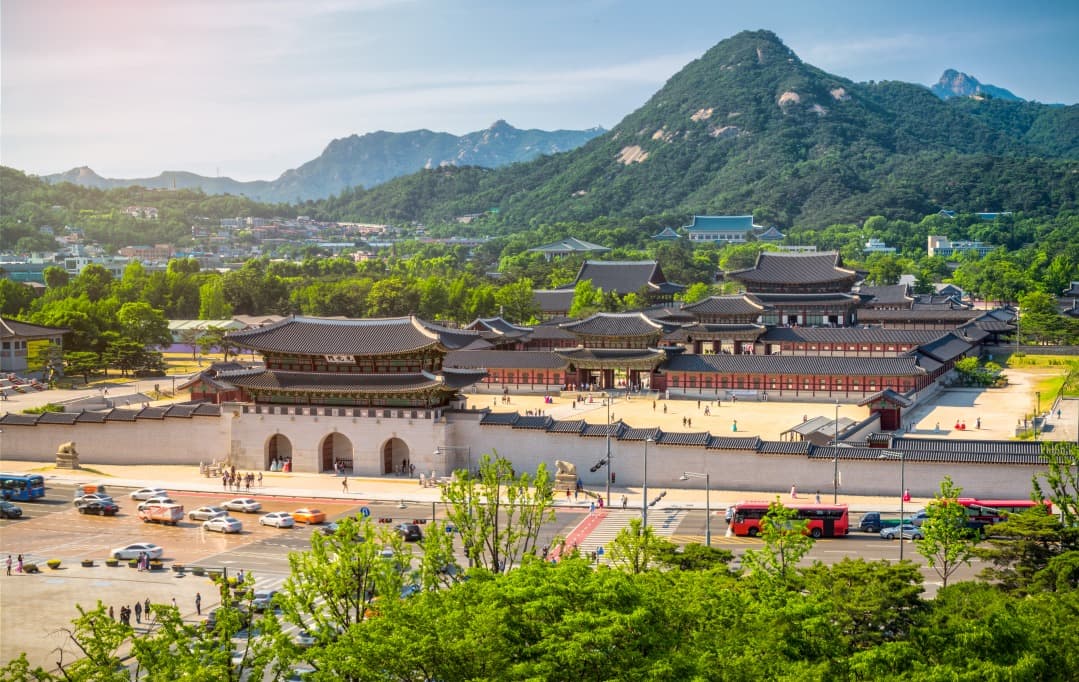
The largest royal palace of the Joseon dynasty, Gyeongbokgung stands with its restored pavilions in the heart of Seoul. History, sites to see and practical advice.
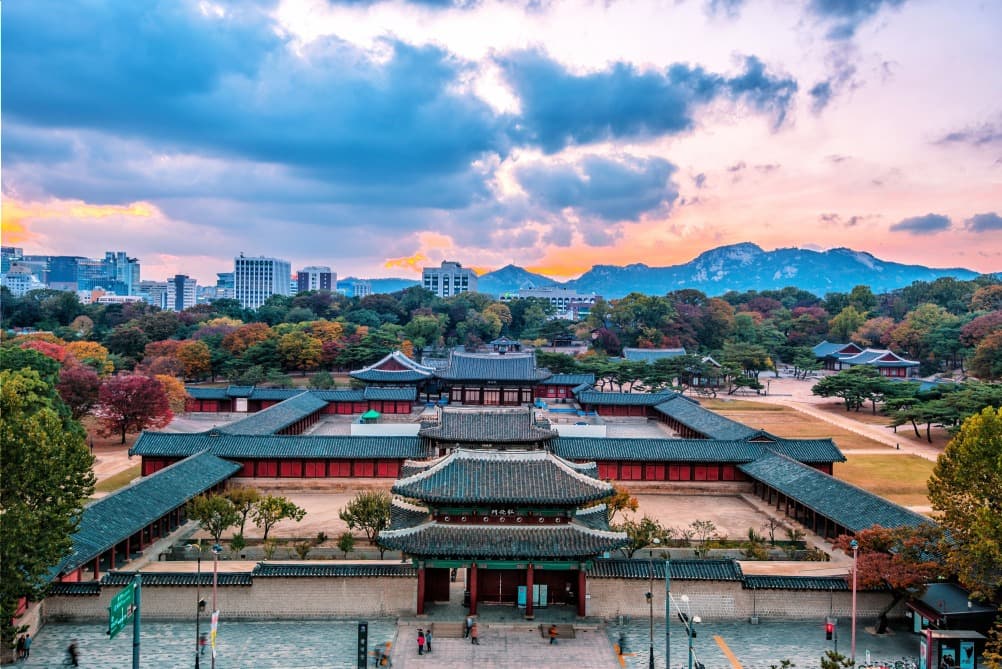
In Seoul, Changgyeonggung Palace houses Korea's oldest preserved throne hall and nine centuries of history, from Goryeo through modern restoration.
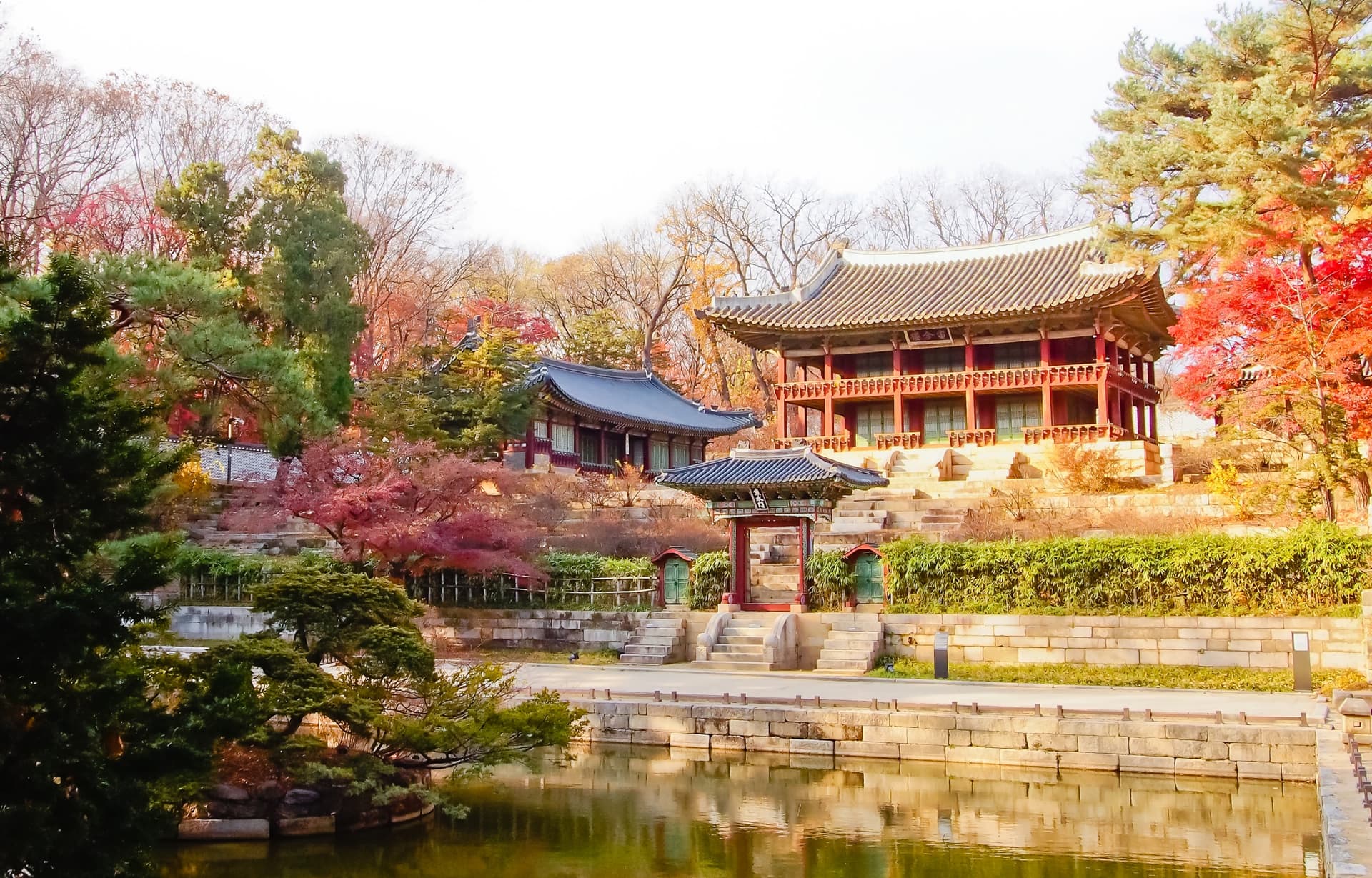
UNESCO-listed Joseon Palace, Changdeokgung is renowned for its historic halls and the 32-hectare Huwon garden, in northern Seoul.
Temple Bulguksa
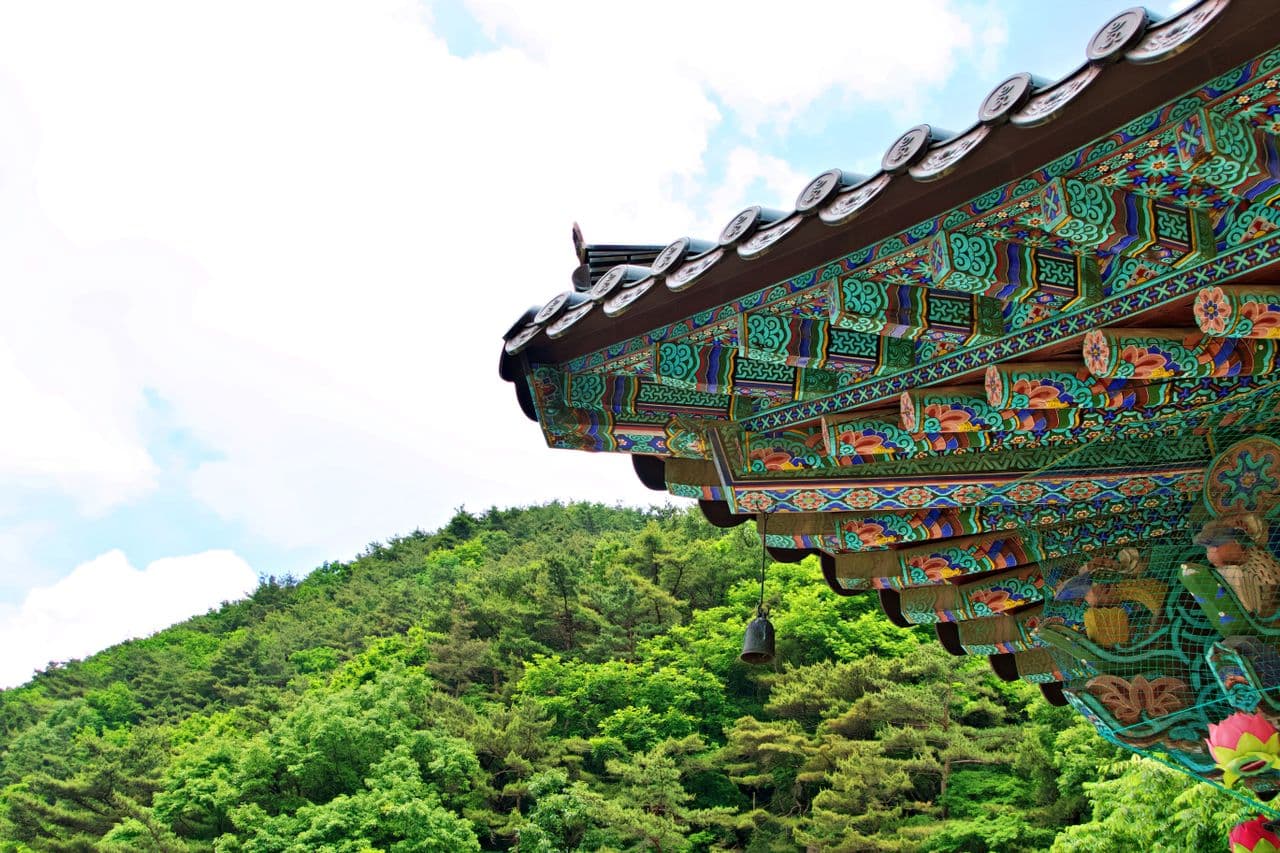
On the slopes of Tohamsan near Gyeongju, the UNESCO-listed Bulguksa Temple houses two 8th-century pagodas and several national treasures.
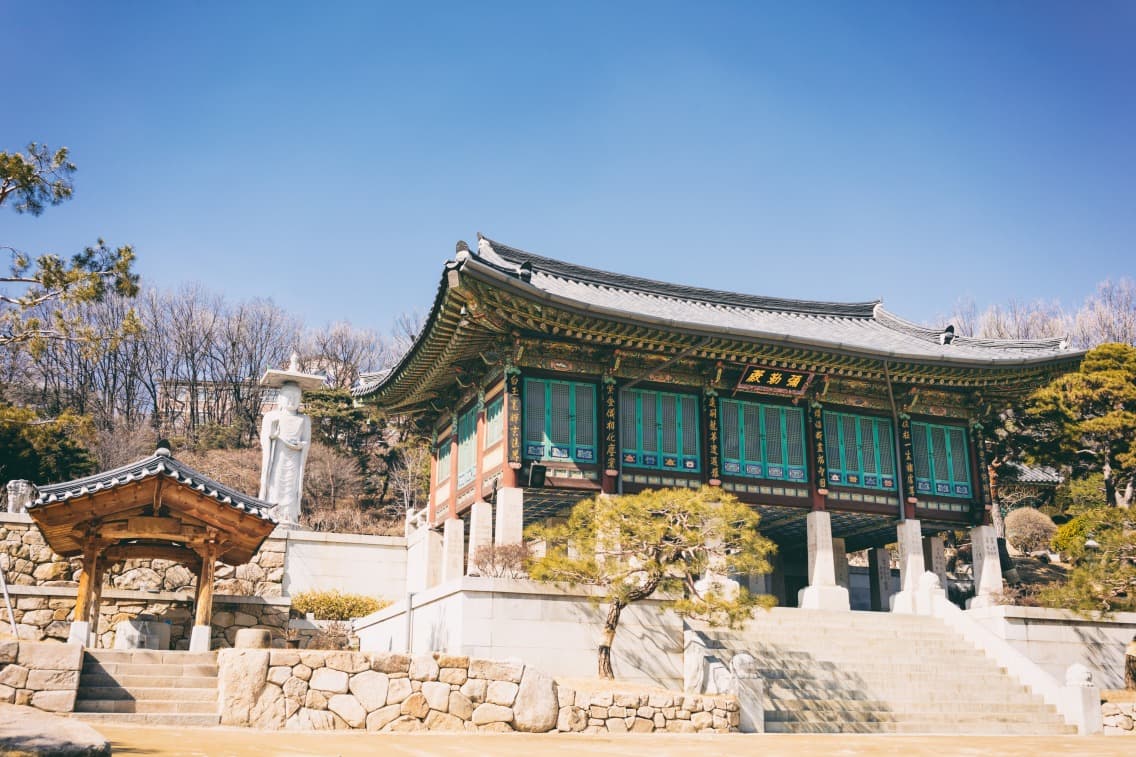
In the heart of Gangnam, Seoul, Bongeunsa is a Buddhist temple founded in 794 that houses a 28m Maitreya statue and offers a Temple Stay program.
Gyeongju
Former capital of the Silla kingdom, Gyeongju concentrates 4 UNESCO sites, 150 royal tumuli and a living hanok village. Complete guide to visiting this open-air museum in southeastern South Korea.
9 of 9 results
We use cookies to improve your experience and measure our site's audience. You can choose what you accept. Learn more.