South Korea's 5 Must-Visit Cities
Whether traditional, futuristic, authentic or historic, these cities all share one thing in common: they are essential stops on a journey through South Korea
Whether traditional, futuristic, authentic or historic, these cities all share one thing in common: they are essential stops on a journey through South Korea. From Seoul to Suwon, passing through Gyeongju and Busan via Jeonju, discover the top 5 South Korean cities you absolutely must visit!
1. Seoul
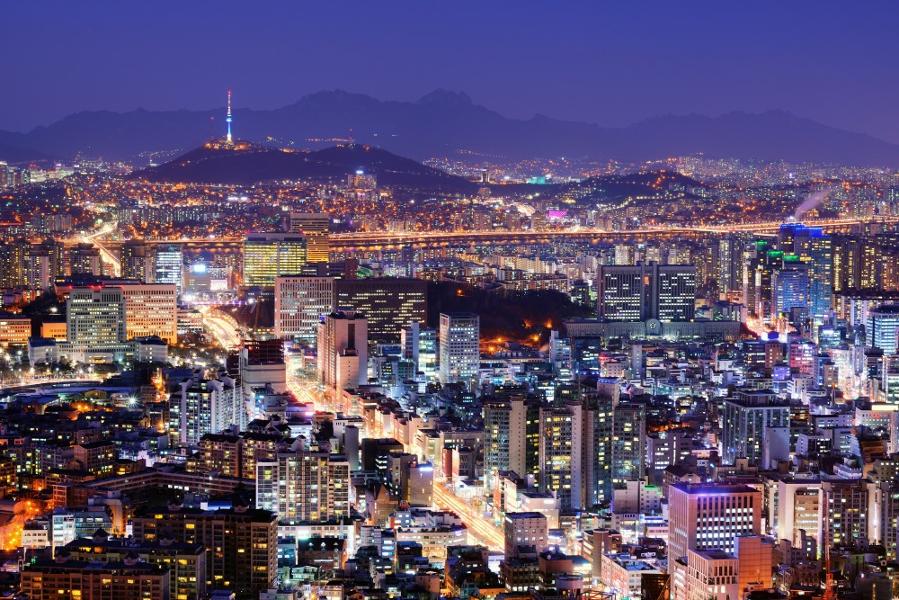
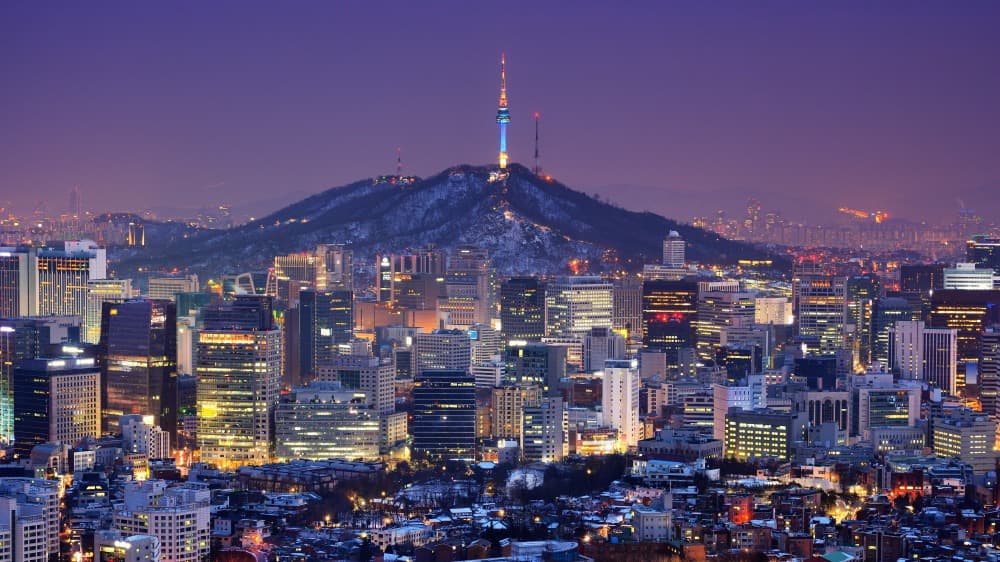
It's impossible to discuss Corée du Sud without mentioning Seoul. Ranked among the world's most densely populated megacities, South Korea's capital is home to nearly half of the country's population. It's a city full of contrasts where natural and urban landscapes coexist, skyscrapers and futuristic architecture stand alongside Buddhist temples and historic palaces.
Must-sees include the Gyeongbokgung Palace, the Bukchon neighborhood with its hanoks (traditional Korean houses), the Cheonggyecheon riverbanks for a nature walk in the heart of the city, the trendy districts of Hongdae and Sinchon for nightlife and karaoke, the favorite pastime of young Koreans…
2. Busan
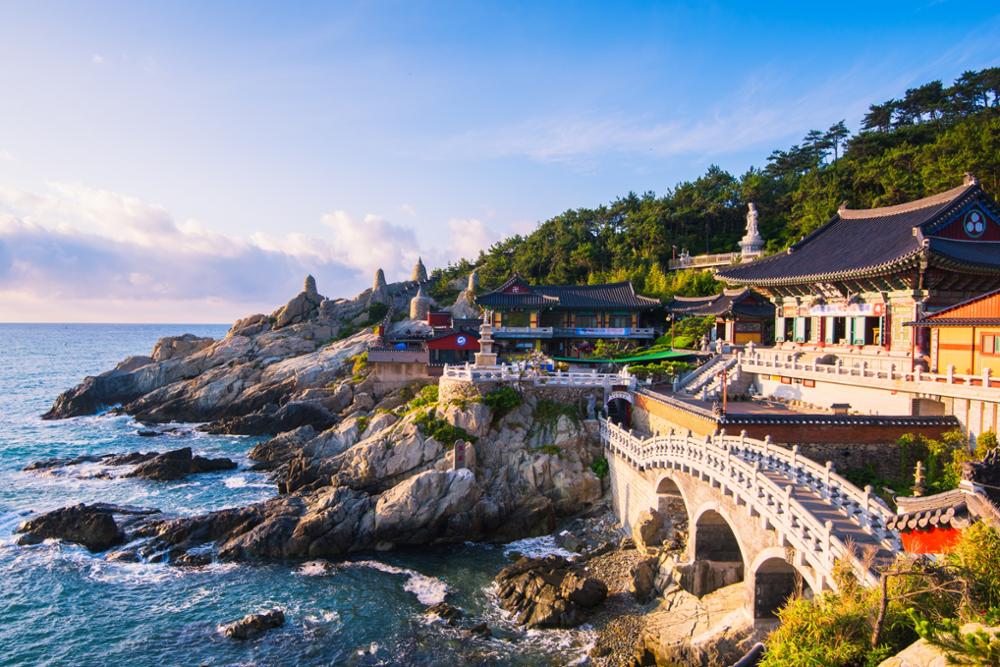
Busan is South Korea's second-largest city. And despite its size, it's a pleasant place to be. Its peninsular geographic location gives it a unique atmosphere. Bordered by the sea and surrounded by mountains, this modern yet laid-back city offers breathtaking landscapes. It's also home to the country's largest port and one of Asia's most important.
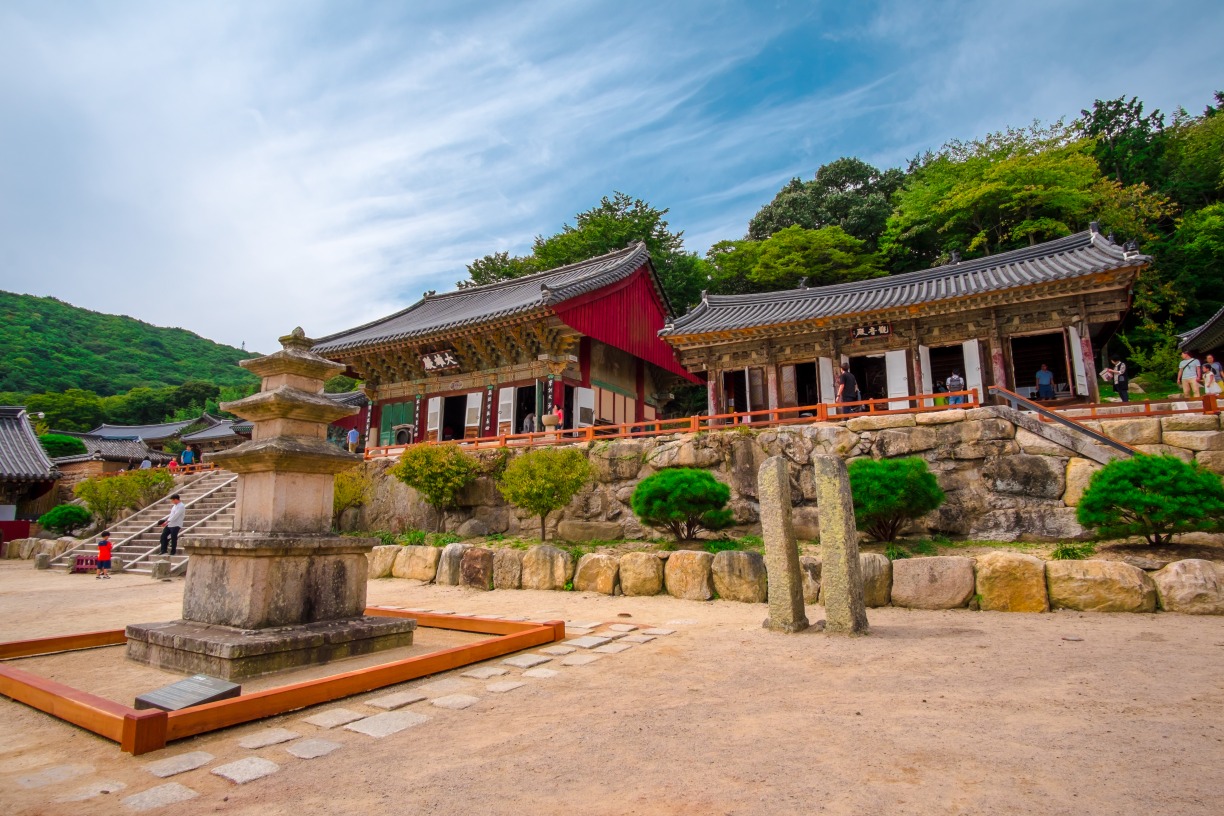
Must-sees include the magnificent Haedong Yonggungsa Temple by the sea, the authentic Beomeosa Temple, the Gamcheon Cultural Village with its colorful houses enhanced by countless street art pieces, the Haeundae and Gwangali beaches day and night, the Busan Fish Market to taste local culinary specialties…
3. Gyeongju
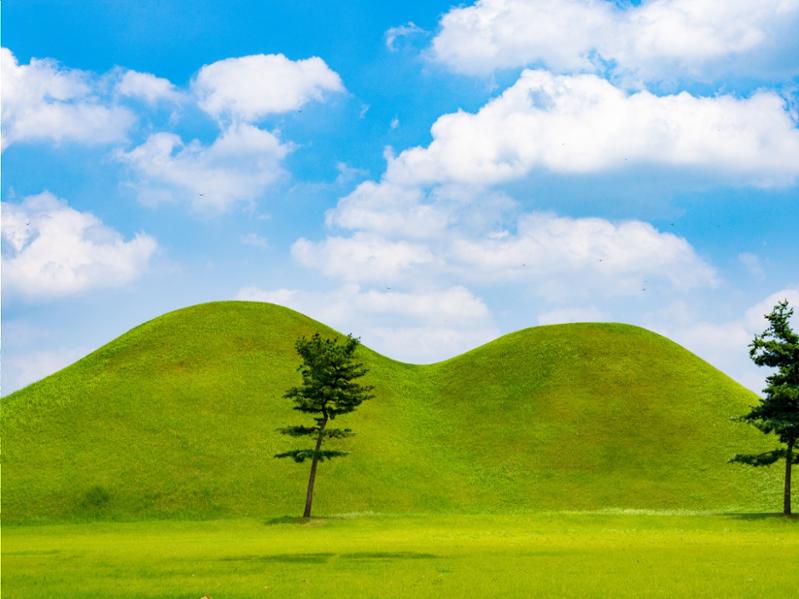
The former capital of the Silla Kingdom for over a millennium (between 57 BC and 935 AD), Gyeongju boasts numerous historical remains recognized by UNESCO that have made it, today, the capital of cultural tourism in South Korea. There's no doubt about it: Gyeongju is a true open-air museum.
Must-sees include learning the city and country's history and admiring ancient remains at the National Museum, the Namsan Park with its tumuli tombs where many kings rest under verdant hills, one of the world's oldest astronomical observatories (7th century), the Donggung Palace…
4. Jeonju
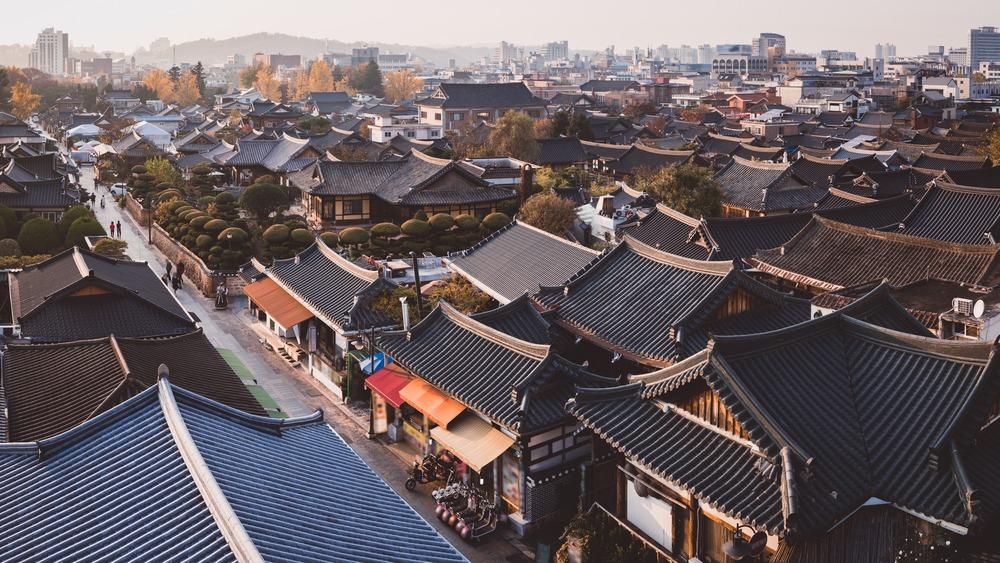
This is the ideal city to immerse yourself in South Korean traditional culture! Indeed, this city located in the center of the peninsula was the spiritual capital of the country under the Joseon Dynasty. There's a village that seems frozen in time with structures dating back to the 14th century. A perfect opportunity to spend a night in a hanok!
Must-sees include stepping back in time in the must-visit traditional village and its hanoks, tasting the famous bibimbap, the Gyeonggijeon Park and its shrine, the Jeondong Cathedral, visiting the Hanji Paper Museum and participating in a crafting workshop, admiring the view over the city from Omokdae Hill…
5. Suwon
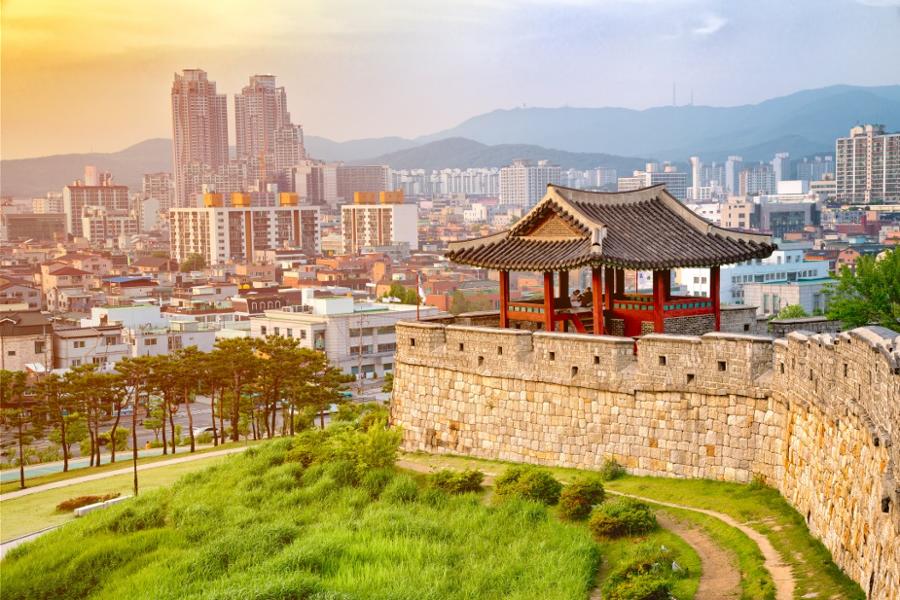
History enthusiasts shouldn't miss the city of Suwon on your South Korea journey. You'll find the remarkable Hwaseong Fortress and its citadel, which long gave the city its military reputation worldwide. Built in the 18th century under the Joseon Dynasty, it was damaged during the Korean War and then meticulously restored from the 1970s onward to its original specifications.
Must-sees include, beyond its fortress, charming streets and citadel, the Hwaseong Haenggung Palace, the Suwon Hwaseong Museum, the Yongjusa Temple and Gwanggyo Mountain where you can enjoy scenic hiking!
Frequently asked questions
Spring (March-May) and autumn (September-November) are the best seasons to visit South Korea. In spring, cherry blossoms bloom in Gyeongju and Jeonju, while in autumn, the fall foliage colors illuminate the areas around Suwon and Busan. Summer is hot and humid (monsoon season in July), and winter can be harsh in Seoul.
The KTX (high-speed train) rail network is the fastest and most comfortable way to connect these cities. Seoul-Busan takes about 2.5 hours by KTX, and Seoul-Jeonju about 1.5 hours. For Suwon, Seoul's metro is sufficient (30-40 minutes). Long-distance buses are also available from bus terminals for more budget-friendly fares.
Yes, 2 weeks allow you to comfortably visit all 5 cities. Plan 4-5 days for Seoul, 2-3 days for Busan (with a day trip to Gyeongju), 1-2 days for Jeonju and 1 day for Suwon (accessible from Seoul). A circular itinerary Seoul → Suwon → Jeonju → Busan → Gyeongju → Seoul is ideal.
A hanok is a traditional Korean house characterized by its curved black tile roofs, ondols (heated floors) and architecture in harmony with nature. In Jeonju, the hanok village (Hanok Village) groups together more than 700 hanoks dating from the 14th century. You can absolutely reserve a night in a hanok converted into a guesthouse for an authentic immersion in traditional Korean culture.
Yes, Suwon's Hwaseong Fortress has been a UNESCO World Heritage site since 1997. Built in the late 18th century under the Joseon Dynasty, it extends for nearly 5.7 km and incorporates innovative military architectural elements for its time. Damaged during the Korean War, it was meticulously restored from the 1970s onward based on original plans.