Complete Guide to South Korea
From our agency in Seoul, we guide English-speaking travelers through a territory spanning 500 kilometers north to south, transforming every 100 kilometers. The peninsula alternates between granite peaks, terraced rice fields, clay villages, and cities of 10 million inhabitants. You'll eat bibimbap at a counter in Jeonju, walk the Olle trail on Jeju facing the Pacific, and sleep on heated floors (ondol) in a hanok in Bukchon.
Four regions structure most of our itineraries. Seoul and its suburbs, for Joseon palaces, night markets, and the contemporary scene of Seongsu. The Gyeongsang region in the southeast, with Gyeongju (former capital of Silla, UNESCO-listed) and the port of Busan. Jeolla in the southwest, more rural, renowned for its fermented cuisine and temples like Songgwangsa. Finally, the volcanic island of Jeju, 1 hour's flight from Seoul, with its Hallasan crater at 1,950 meters.
Two specificities guide the planning: a climate with four marked seasons (humid heat in July-August, snow in January in Gangwon) and a highly efficient KTX rail network that reshapes logistics. Plan for 12 to 16 days for a coherent first discovery, ideally between April-May or October-November.
The regions of South Korea
Each region has its own personality: climate, landscapes, pace of life and ways of traveling. Our local team helps you choose the combination that suits you.
Seoul and surroundings
With a capital of 9.7 million inhabitants, Seoul brings together Joseon royal palaces (Gyeongbokgung, Changdeokgung), hanok districts like Bukchon, covered markets of Gwangjang, and the café scene of Seongsu. We typically dedicate 3 to 4 days there, complemented by an excursion to the DMZ (demilitarized zone, 50 km north) and Bongeunsa temple. Continental climate: dry winters at -5°C in January, humid summers at 30°C in August. The suburbs provide access to the Suwon fortress (Hwaseong, UNESCO) and hiking trails in Bukhansan National Park, accessible by metro from the city center.
Gyeongsang and Busan
The southeast brings together Gyeongju, former capital of the Silla kingdom with its royal tumuli and Bulguksa temple, and Andong with its Confucian village of Hahoe. Further south, Busan (3.4 million inhabitants) features beaches (Haeundae), Jagalchi fish market and the colorful Gamcheon village. We often combine Gyeongju and Busan over 4 days, connected by KTX from Seoul (2h15). Milder climate than the north, very humid summers, winters around 5°C. An ideal base to taste milmyeon, cold noodles typical of the port.
Jeolla
The southwest remains the most rural region and the most recognized for its cuisine. Jeonju and its hanok quarter (700 traditional houses) serve as the gateway, followed by Songgwangsa zen temple and Naejangsan National Park, spectacular in November for its maples. The southern coast is dotted with islands accessible by ferry from Mokpo. We spend 2 to 3 days there to slow down, stay in temple-stays and taste the banchan (small side dishes) served by the dozens. Milder climate, but marked monsoons from late June to mid-July.
Gangwon and Eastern Mountains
To the east, the Taebaek massif stands with the national parks of Seoraksan (1,708 m) and Odaesan, among the most beautiful in the country for autumn hiking. The coasts of the East Sea, around Sokcho and Gangneung (host city of the 2018 Winter Olympics), offer access to long beaches and coffee culture. Allow 2 days for a hiking loop + coastal route. Cold winters with guaranteed snow from December to February, ideal for ski resorts. The KTX connects Gangneung from Seoul in 2 hours.
Jeju Island
Volcanic island south of the peninsula, accessible by 1-hour flight from Seoul. Hallasan peaks at 1,950 meters and can be hiked in a day. All around, the Olle trail cuts the coast into 27 marked sections, between basalt cliffs, mandarin orchards and haenyeo diving villages. Milder climate than the mainland: 6°C in January, 27°C in August. We recommend 3 to 4 days, renting a car as public transport remains limited. UNESCO heritage sites include the Manjanggul lava tube and Seongsan Ilchulbong peak.
Explore by theme
Unique experiences tailored to every traveler.
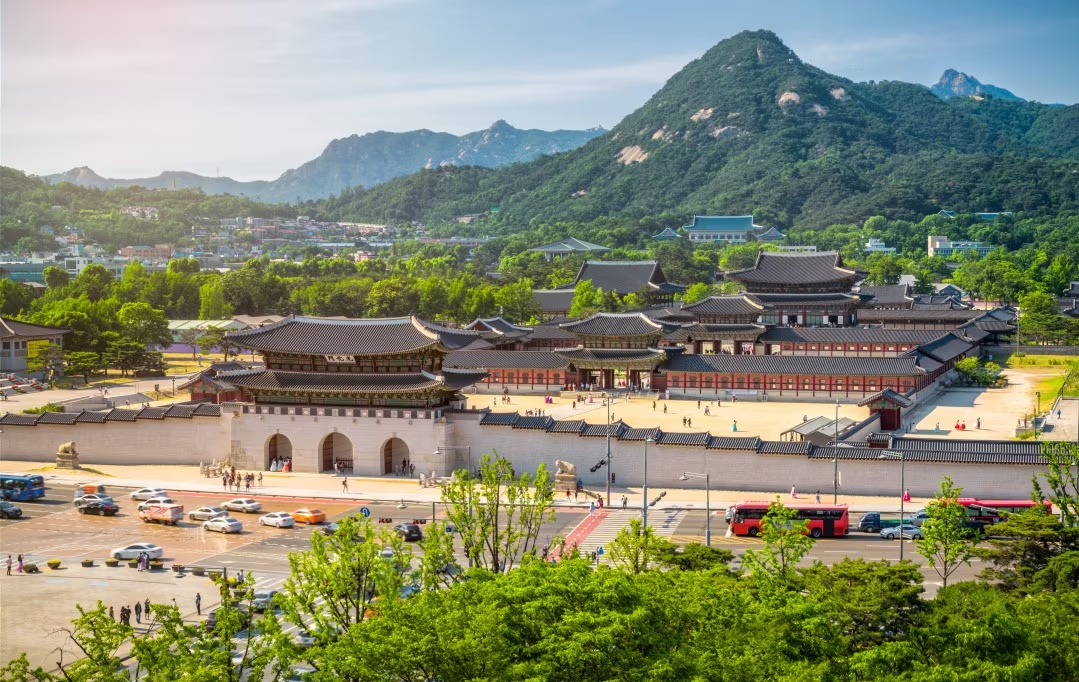
Culture & Heritage
Temples, musées, sites historiques
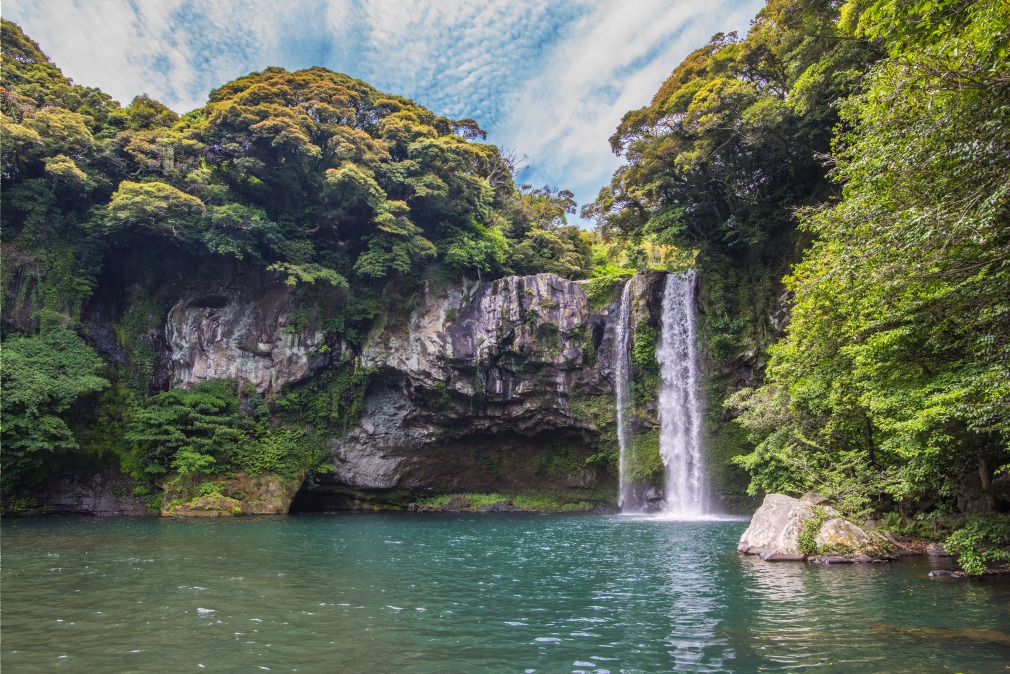
Nature & Landscapes
Parcs nationaux, montagnes, forêts
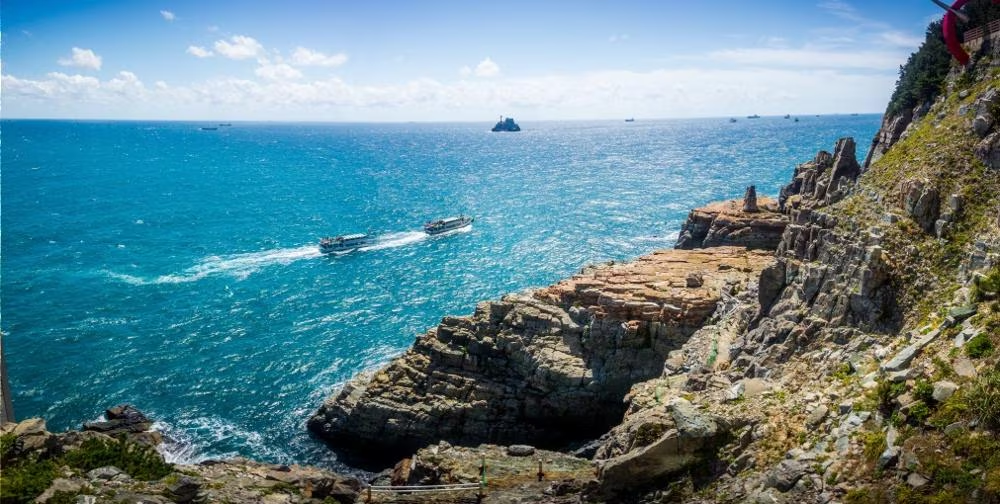
Sea & Beaches
Littoral, îles, sports nautiques
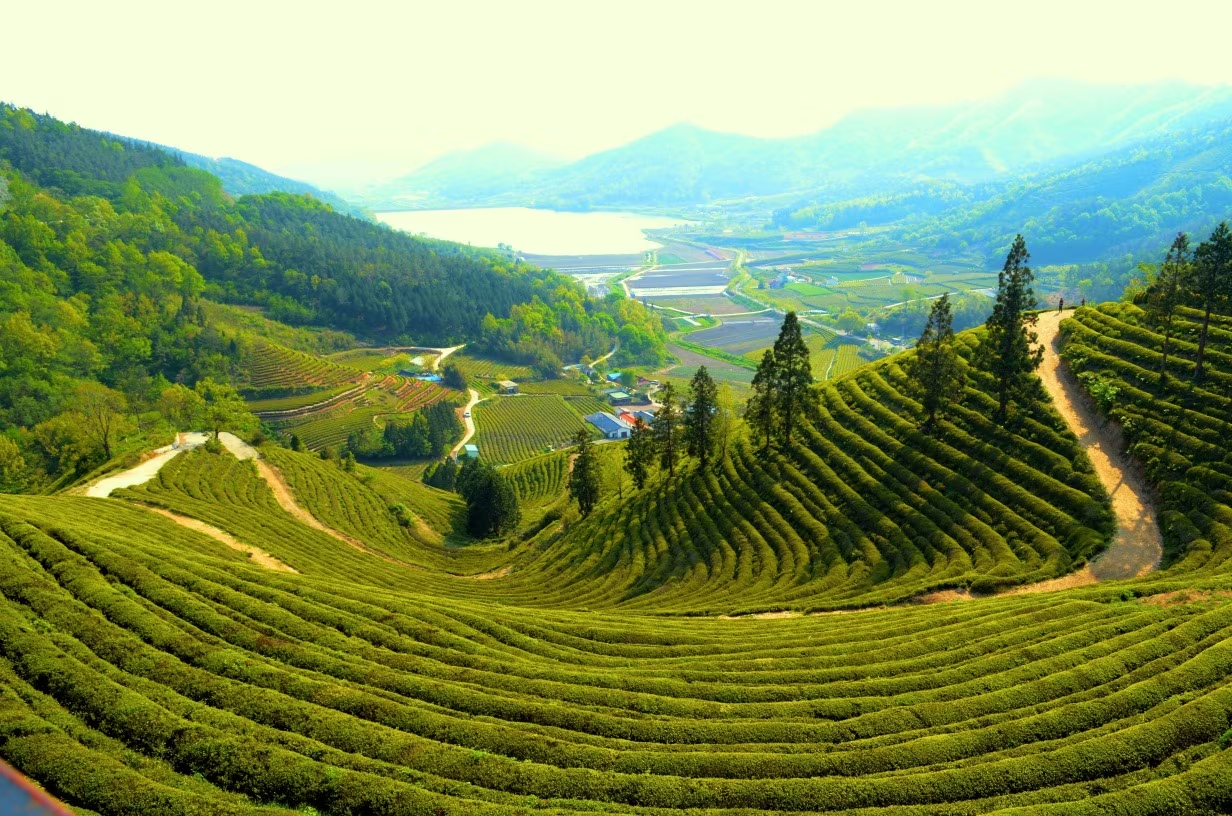
Wildlife & Biodiversity
Observation animale, sanctuaires, réserves
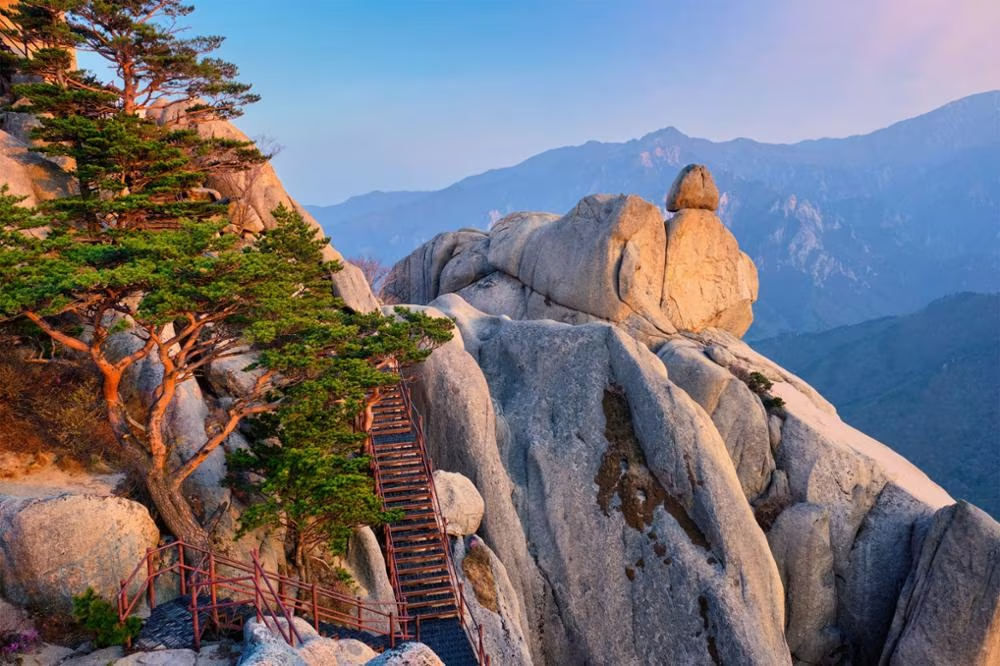
Activities & Adventure
Trek, kayak, escalade, sports outdoor
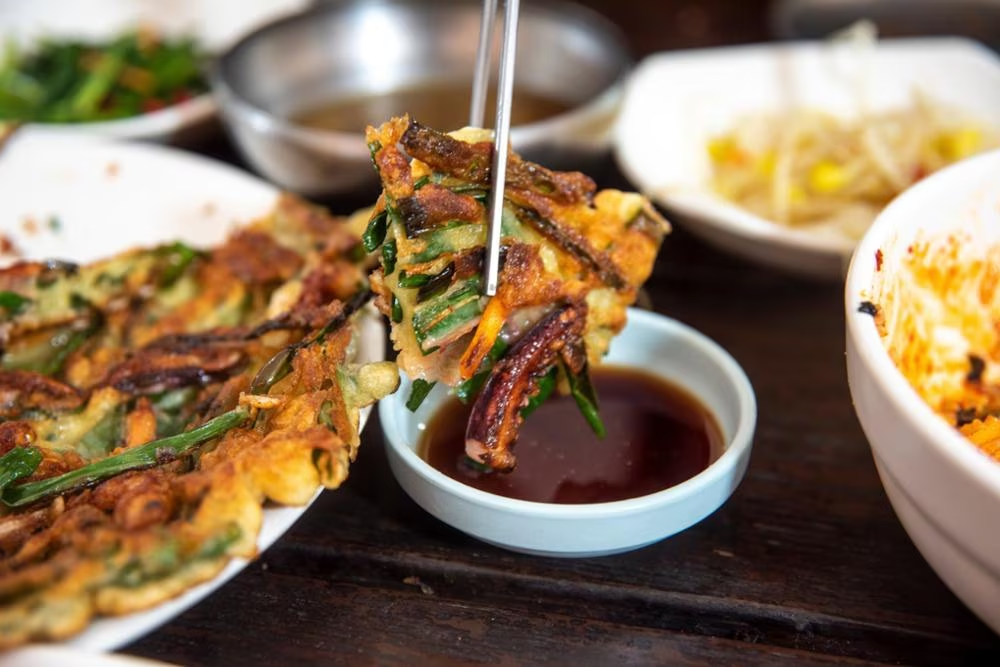
Gastronomy
Cuisine locale, marchés, cours de cuisine
We use cookies to improve your experience and measure our site's audience. You can choose what you accept. Learn more.