Insa
Insa
Insa-dong, a historic district in Seoul, brings together art galleries, antique shops, tea houses and street food in the heart of Korea's cultural center.
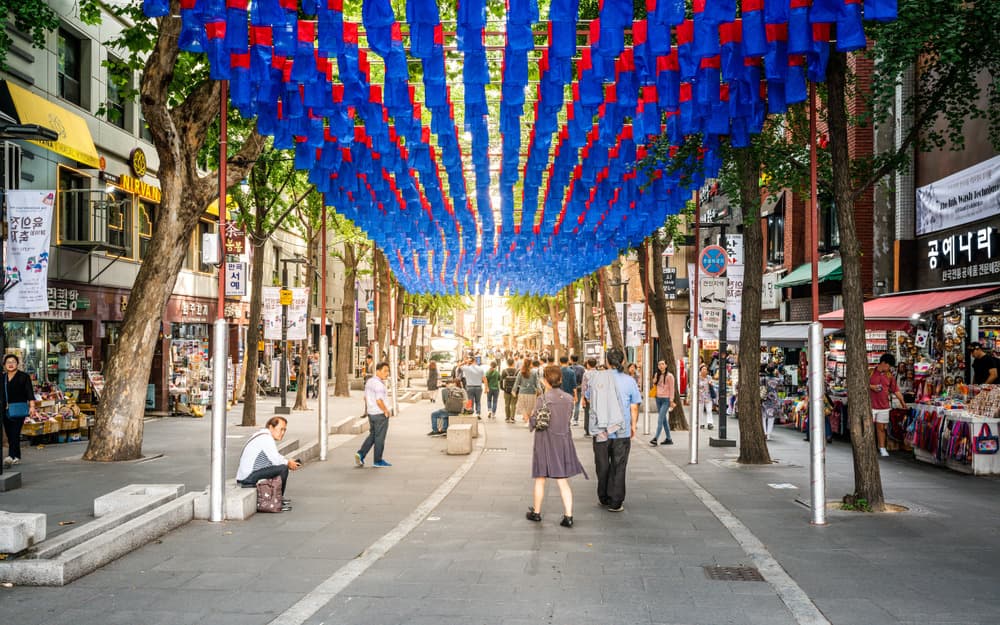
Insa-dong, often called simply Insa, is one of the most visited neighborhoods in historic central Seoul. Its main thoroughfare, Insadong-gil, concentrates antique dealers, art galleries, traditional stationery shops, tea rooms and restaurants. The district houses nearly half of South Korea's antique dealers and art galleries, making it an essential destination for understanding both contemporary and traditional Korean craftsmanship and art.
Why visit Insa-dong
Insa-dong brings together in just a few streets a rare cultural density in Seoul: art galleries, thematic museums, stationery shops selling hanji (traditional Korean paper), calligraphy boutiques, ceramics and antique pieces. The neighborhood also remains one of the capital's best places to taste Korean street food and explore traditional teas in specialized tea houses. Its main street becomes pedestrian-only on weekends, making it easy to stroll and purchase original souvenirs.
History of Insa-dong
The district's name comes from the fusion of two former towns once separated by a stream, whose names ended with the syllables "In" and "Sa". The word "dong" means "neighborhood" in Korean. Where the stream once flowed now stretches the main street, Insadong-gil.
Originally, Insa-dong was a residential area for court officials. During Japanese occupation, the region became an antiques trading center after wealthy Korean residents were forced to sell their possessions. After the Korean War, the neighborhood transformed into an artistic hub, attracting painters, calligraphers and the first cultural cafes.
Nicknamed "Mary's Alley" by foreign visitors from the 1960s onward, Insa-dong's international reputation grew during the 1988 Seoul Olympics. A renovation project launched in 2000 was halted for two years following protests from merchants and residents attached to the district's character.
What to see and do in Insa-dong
Art galleries
Insa-dong houses around a hundred exhibition spaces, from historic galleries to venues dedicated to contemporary creation. Notable addresses include:
- Hakgojae: a reference for Korean folk arts.
- Gana Art: a gallery focused on emerging talent and the contemporary scene.
Exhibitions are often free or moderately priced, allowing you to visit several galleries in half a day.
Thematic museums
- Color Pool Museum: an interactive journey around color, suitable for families.
- Alive Museum: interactive 4D art based on optical illusions.
- Asia Eros: South Korea's first museum dedicated to sex.
Street food and street cuisine
Insa-dong ranks among Seoul's best street food spots. Along the main thoroughfare, stalls serve gimbap (rice rolls), odeng (fish paste skewers in broth) and bungeo-ppang (fish-shaped cakes filled with red bean paste).
Tea houses and traditional desserts
Several tea houses offer an introduction to Korean teas, sometimes rare varieties (persimmon tea, ginger tea, jujube tea): O'sulloc Tea House, The Old Tea Shop and the Beautiful Tea Museum. Teas are often accompanied by desserts such as rice cakes (tteok) or bingsu (shaved ice topped with toppings).
Monuments and heritage
The neighborhood is home to several historic sites:
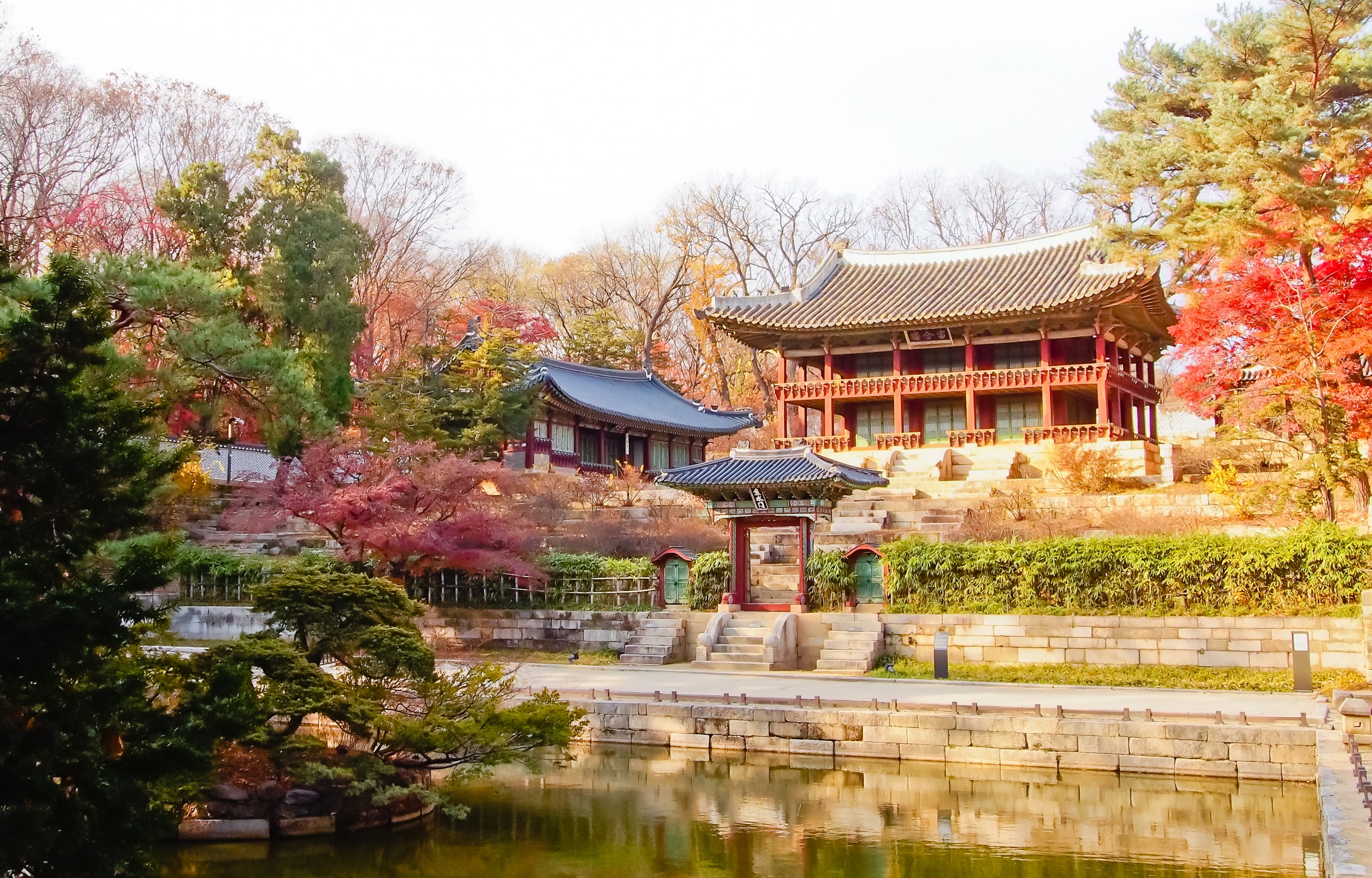
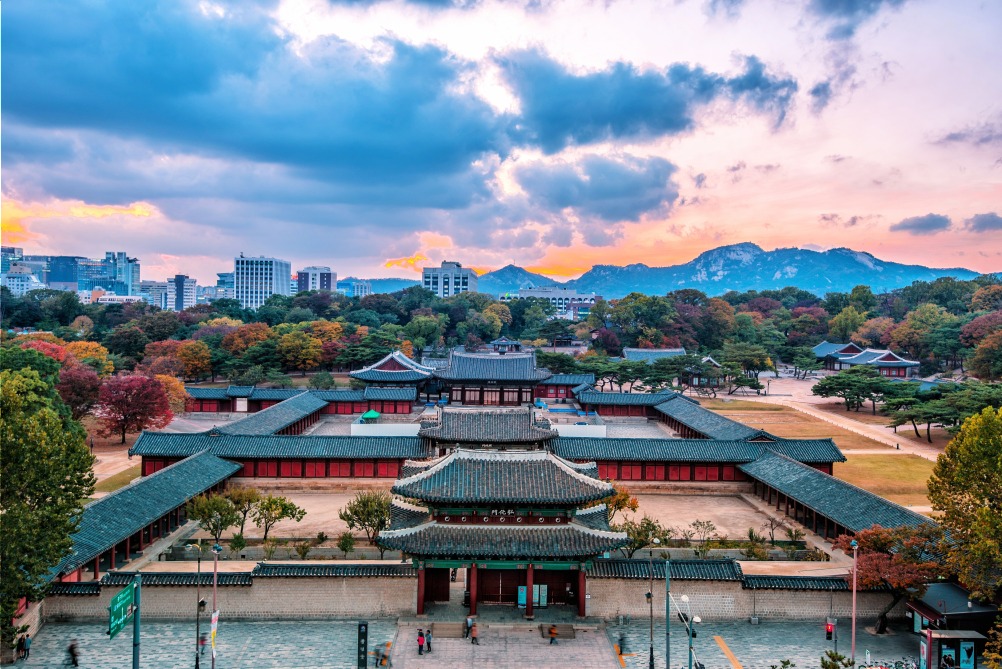
- Unhyeon Palace, a former royal residence from the Joseon dynasty.
- Bosingak Bell Pavilion, once rung to mark the opening of the city gates.
- Jongno Tower, a modern architectural landmark of the district.
- Tapgol Park, South Korea's first modern park, developed in 1887 on the site of Wongaksa Temple. It features the Wongaksa Pagoda, designated as National Treasure No. 2.
Practical information
Most shops open in the morning and close in early evening, while tea houses and bars extend their hours into late evening. Hours vary considerably from one establishment to another, so it's best to check case by case.
The neighborhood is explored on foot. Allow 2 to 3 hours for a general visit, half a day if you include galleries and museums. Card payments are widely accepted, though some street food stalls accept cash only.
When to visit Insa-dong
Insa-dong can be visited year-round. Spring (April-May) and autumn (September-October) offer the most pleasant conditions, with mild temperatures and low humidity. Summer (July-August) is hot and rainy, winter (December-February) is dry and cold but bright.
On weekends, the main street becomes pedestrian-only and hosts animations, calligraphy demonstrations and street performances. For a quieter visit, prefer weekday mornings.
How to get there
- Subway: Anguk Station (Line 3, Exit 6) or Jongno 3-ga (Lines 1, 3, 5, Exit 5).
- Bus: Lines 109, 151, 162, 171, 172, 272 and 710. Get off at Anguk Station, Jongno Police Station or Insa-dong stops.
- On foot: Insa-dong is a 10-15 minute walk from Gyeongbokgung Palace and Gwanghwamun.
What to see nearby
Insa-dong is located in the heart of historic Seoul, ideally positioned to combine multiple sites in one day:
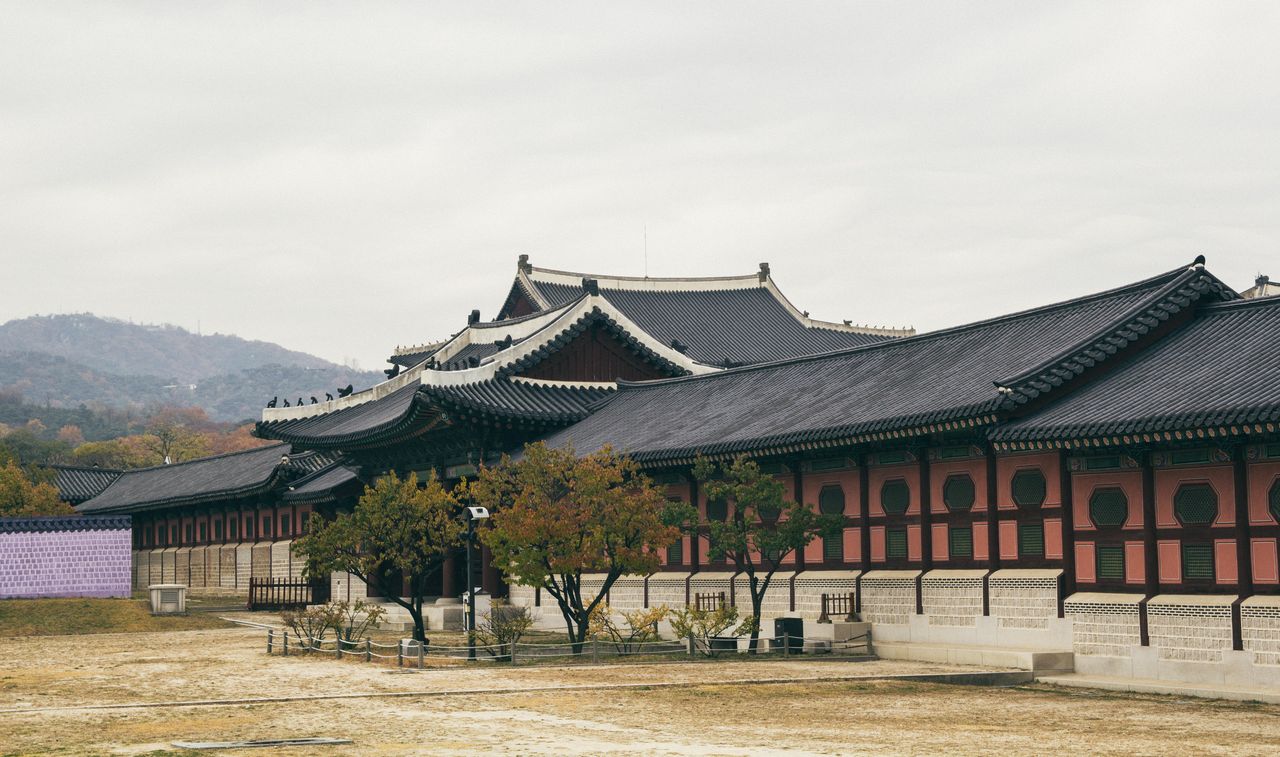
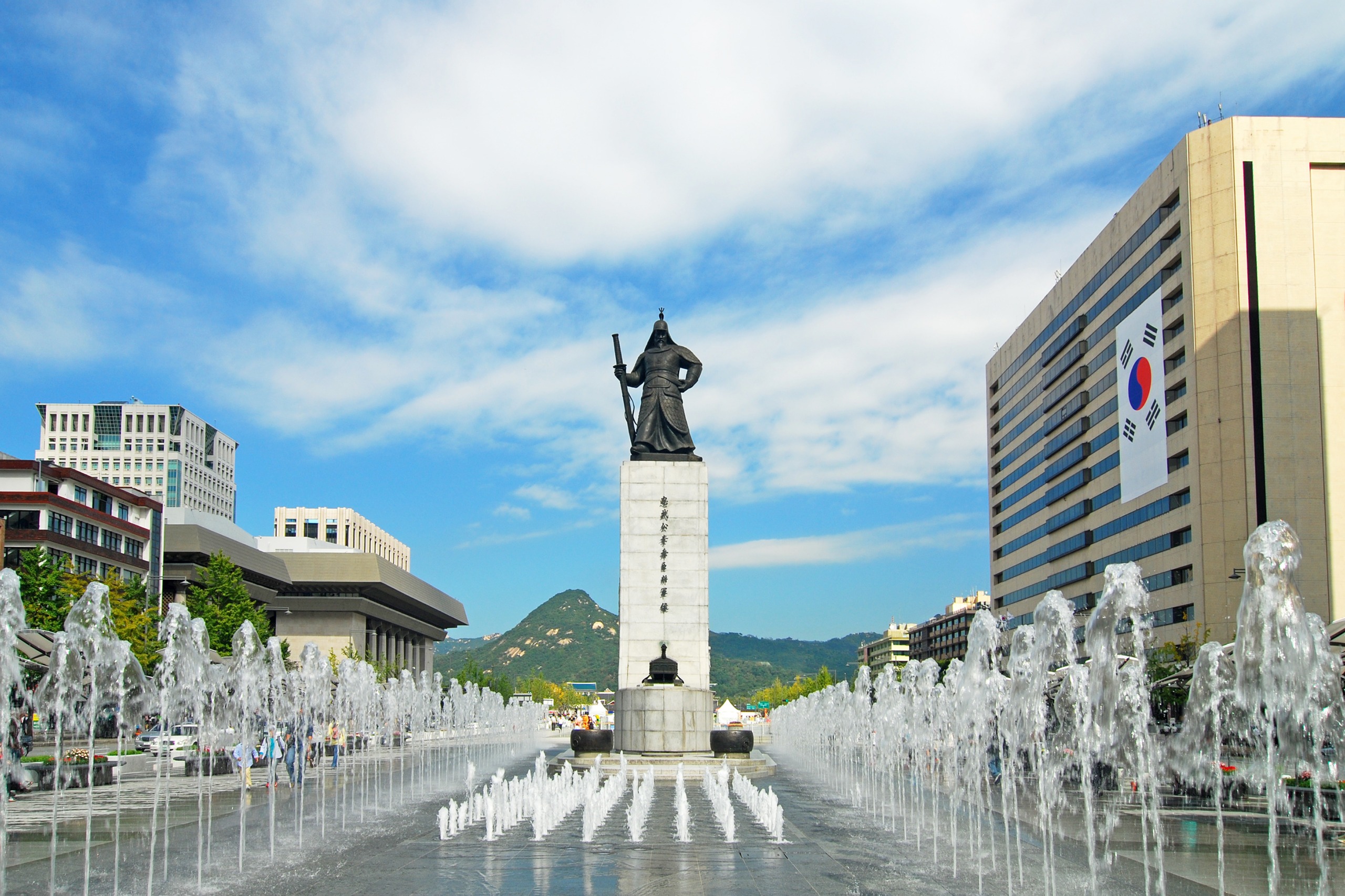
- Gwanghwamun and Gyeongbokgung Palace, within easy walking distance.
- The Bukchon hanok village, with its traditional houses, just to the north.
- Gwangjang Market, to extend your street food experience.
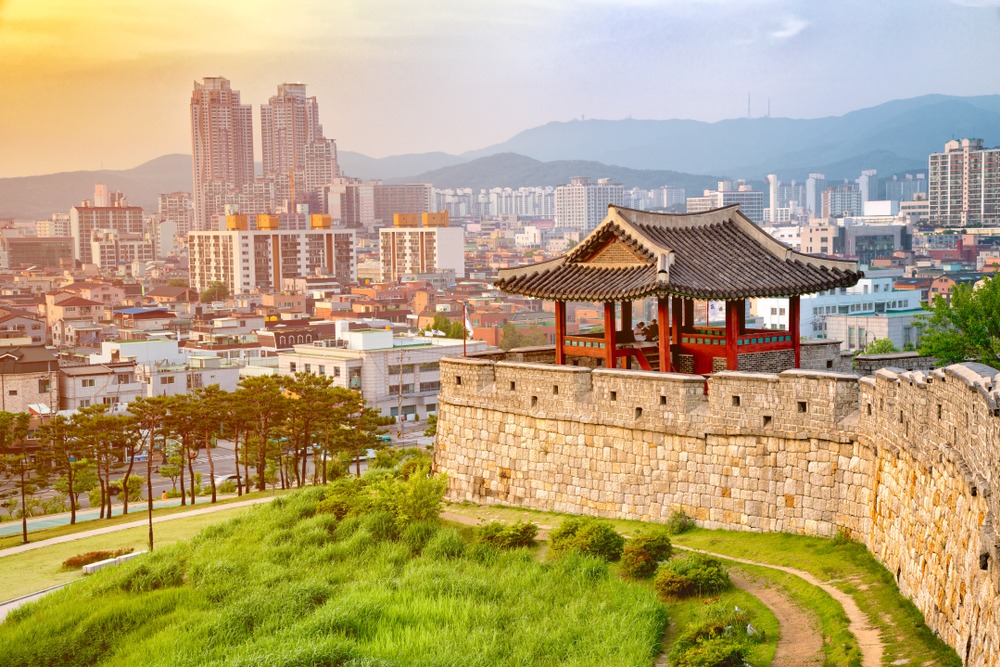
To extend your stay beyond the capital, you can visit Hwaseong Fortress in Suwon or the historic village of Hahoe.
Frequently asked questions
Frequently asked questions
Allow 2 to 3 hours for a general discovery of the neighborhood. If you wish to visit several galleries or museums and take a break in a tea house, plan for half a day to a full day.
On weekends, the main street becomes pedestrian-only and offers animations and performances. For a quieter visit to galleries, prefer a weekday morning.
Yes. The Color Pool Museum and Alive Museum are designed for interactive family visits. Street food stalls and craft shops also appeal to children.
The neighborhood is renowned for hanji (traditional Korean paper), calligraphy, ceramics, painted fans, tea sets and antiques. It's one of the best places in Seoul to purchase authentic Korean crafts.
Take Line 3 to Anguk Station (Exit 6) or get off at Jongno 3-ga (Lines 1, 3 or 5, Exit 5). From there, Insadong-gil is just a few minutes' walk away.
Including Insa-dong in your trip
Insa-dong fits naturally into a Seoul stay focused on Korean heritage and culture. To plan a complete itinerary combining the capital, historic sites and countryside, consult our South Korea travel suggestions.
Nearby
Interested in this visit?
We can include it in your personalised itinerary.