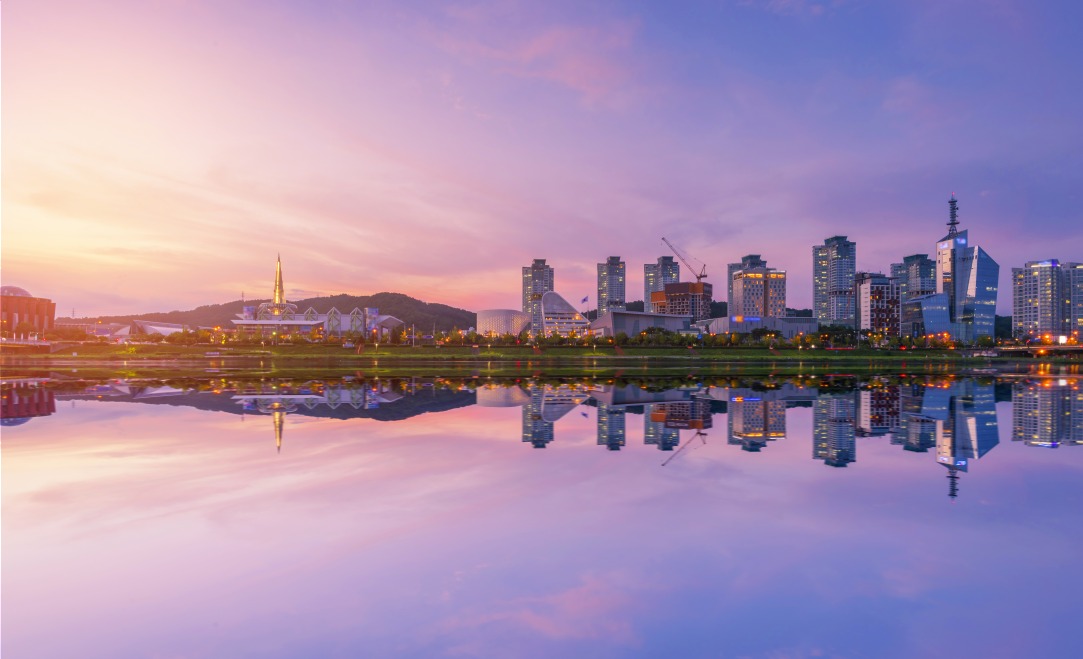
Jeonju
Jeonju
South Korea's traditional capital, Jeonju is home to the country's largest hanok village and the birthplace of authentic bibimbap. Explore our complete guide.
Jeonju sits nestled in the fertile Honam plain, in North Jeolla Province, at the heart of the Korean peninsula. Renowned for its many tourist attractions, this city has much to captivate travel enthusiasts. Its rich cultural heritage, distinctive culinary specialties, and international festivals are just the beginning.
History
Jeonju has been writing its history for over a millennium. The city traces its roots to the Baekje kingdom period. In 892, it became a capital following the dissolution of Korea's three kingdoms, when Gyeon Hwon founded Later Baekje.
In 1592, the opening battles of the Imjin War took place in Jeonju. In 1949, the agricultural city received city status.
Stretching across the fertile Honam plain, Jeonju has always enjoyed a strategic location. For centuries, it has established itself as a major regional hub where high-quality agricultural products thrive.
Today
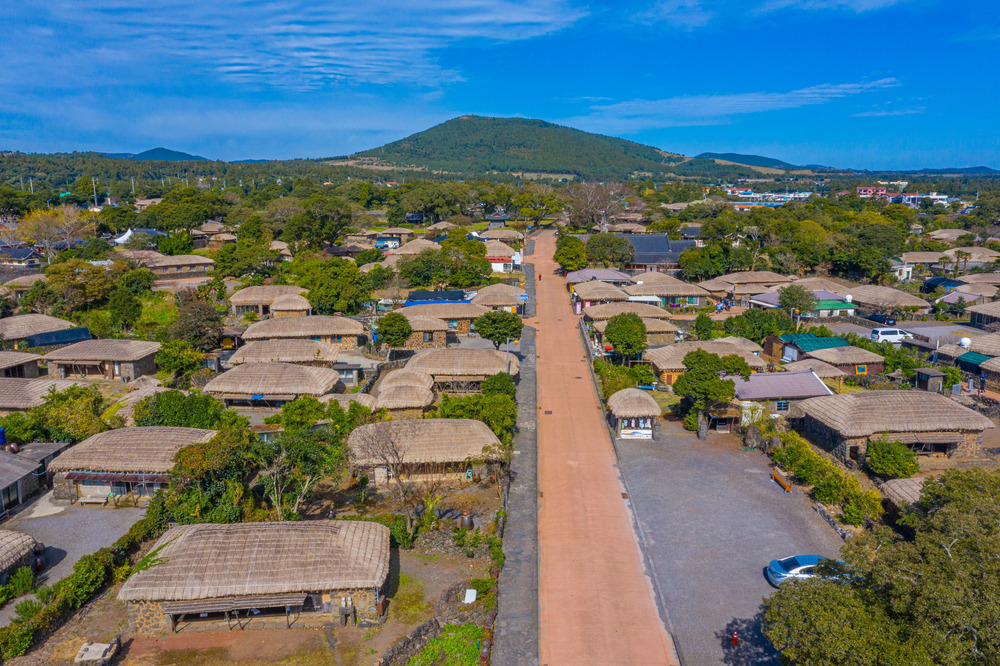
A former capital of the Yi dynasty, Jeonju has successfully preserved its particularly rich historical and cultural heritage. Among the remnants of its eventful past stands the illustrious hanok village. It comprises several hundred traditional houses distinguished by the distinctive curved lines of their roofs. The traditional Jeonju village, spanning the Pungnam-dong and Kyo-dong neighborhoods, is the largest in South Korea. It's a charming destination where you can spend a few days experiencing traditional Korean living. Within the village, discover the Gang-am Calligraphy Museum, which showcases a thousand works by the most celebrated South Korean calligraphers and painters.
Near the hanok village, you'll find the celebrated Pungnammun Gate. Built around a fortress shaped like a semicircle, this monument is the sole remaining vestige of an immense complex of four gates constructed in 1389, during the Goryeo kingdom.
At the entrance to the hanok village stands the Gyeonggijeon Shrine, one of Jeonju's cultural jewels. Erected in 1410, this sacred site houses the Jeonju Library where the annals of the Joseon dynasty are preserved. The portrait of Tae-Jo Lee, the renowned king who founded the Joseon dynasty, is displayed here.
Facing the Gyeonggijeon Shrine, discover Jeondong Cathedral, built on the site where many Christians were executed. It's the city's oldest church. Its architecture harmoniously blends Roman and Byzantine styles. Its red brick façades, adorned with twelve multicolored stained-glass windows, are exceptionally beautiful.
In the neighborhood behind the Gyeonggijeon Shrine and Jeondong Cathedral, you can wander through winding alleyways contemplating the authenticity of old residences. Such a sight has become rare in modern Korea's urban landscape. Toward the former location of the Hyanggyo Confucian academy, the rooftops of houses clinging to small hills are sublime.
After exploring Jeonju's alleyways, it's time to escape to Deokjin Municipal Park, near Jeonbuk University. This enchanting place is built around a large natural pond, adorned with lotus flowers during the summer months. The pond's waters are crossed by a suspended wooden bridge arched gracefully overhead. In this magnificent park, discover an artificial waterfall, a beautiful garden, stone monuments, a grand pagoda, and a traditional pavilion. During your visit, don't miss taking a rowboat tour to admire the landscape from a different perspective.
The Omokdae Pavilion is also a must-see Jeonju landmark, especially at night. It's a very peaceful spot where you can relax while admiring the scenery. Positioned atop a hill north of the Hyanggyo Confucian academy, it offers stunning views over the hanok village and the city.
In Jeonju, a visit to the Asian Paper Museum is unmissable. This historically rich building introduces you to hanji, traditional Korean paper used since ancient Egyptian times. Recognized as the finest paper in the world, hanji is renowned for its excellent quality and remarkable durability. You'll discover nearly 3,000 pieces of this unique paper in this museum.
It's with hanji paper that craftspeople create hapjukseon and taegeukseon, Jeonju's famous fans. They're displayed in the Jeonju Traditional Craft Exhibition Center, a place you shouldn't miss. Located approximately 500 meters from Jeondong Cathedral, it offers numerous activities. After appreciating the beauty of the displayed products, you can craft your own fan.
Jeonju's Gastronomy
Like its cultural richness, Jeonju is also appreciated for the quality of its agricultural products and the uniqueness of its cuisine. After enriching your knowledge of the city's culture, it's time to taste the culinary specialties, particularly bibimbap. This is a very popular dish that tourists absolutely must try during their Jeonju getaway. Bibimbap is a delicious mixture of rice, sautéed vegetables, and beef that can then be seasoned with a fried egg, spinach, and many other ingredients. Also try kongnamul gukbap (soybean sprout broth with rice), a delicious dish that has made Jeonju famous. Your taste buds will thank you!
Festivals in Jeonju
Jeonju is also a festive city that hosts numerous festivals each year. The International Film Festival, the largest across all of Asia, has been organized here since 2000 between late April and early May. Taking place on "Movie Street," it animates Jeonju for nine days. During this highly anticipated event, many experimental and independent films are screened for cinema enthusiasts. Music lovers, meanwhile, will be interested in the International Sori Festival. Each autumn, this festival brings Jeonju alive with traditional music and world music from across the globe.
Practical Information
Climate
Jeonju experiences a continental climate of the Dfa type, according to the Köppen-Geiger classification. In summer, intense heat prevails and rainfall is abundant. The average annual precipitation is 1,313.1 mm. The average annual temperature is 13°C.
From Incheon Airport, you can reach Jeonju by limousine bus for a journey of approximately 3.5 hours.
Jeonju is connected to Seoul by rail and road. You have two options to get there. Either take the KTX to Jeonju Station, or disembark at Iksan Station to take the bus and taxi. The first is less expensive but very slow, unlike the second option which takes only two hours.
If you're traveling from Busan, you can take the express bus and arrive at your destination after 3 hours and 20 minutes of travel.
Within Jeonju city, the main means of transportation are buses and taxis. You can choose either depending on your budget.
Attractions in Jeonju
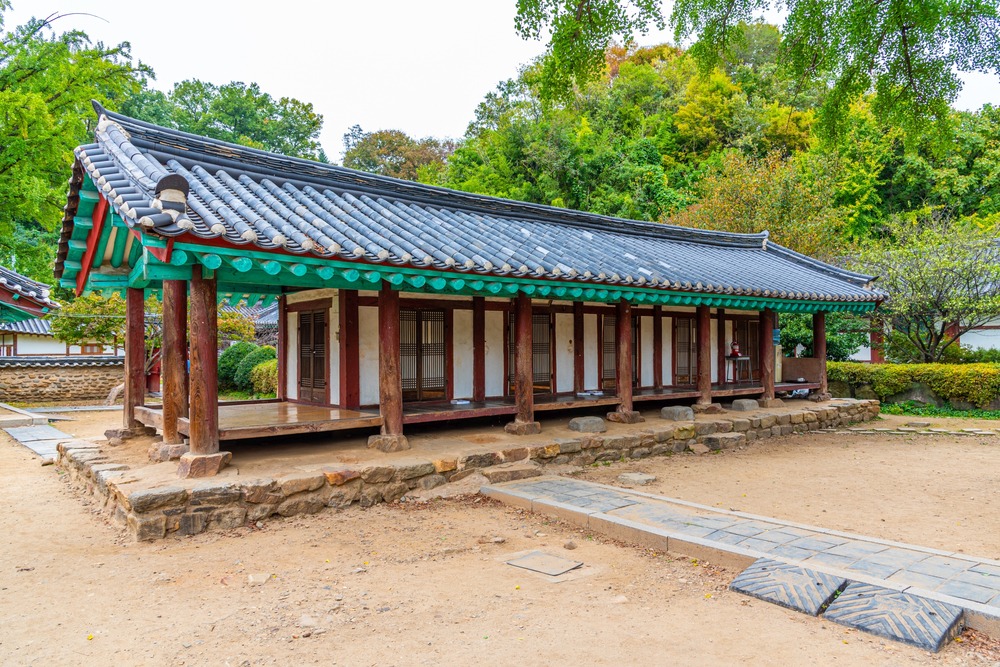
Le hyanggyo de Jeonju
Le hyanggyo de Jeonju est une ancienne école confucéenne du XVIIe siècle, classée trésor historique n°379. Située à proximité immédiate du village hanok de Jeonju, elle compte une dizaine de bâtiments
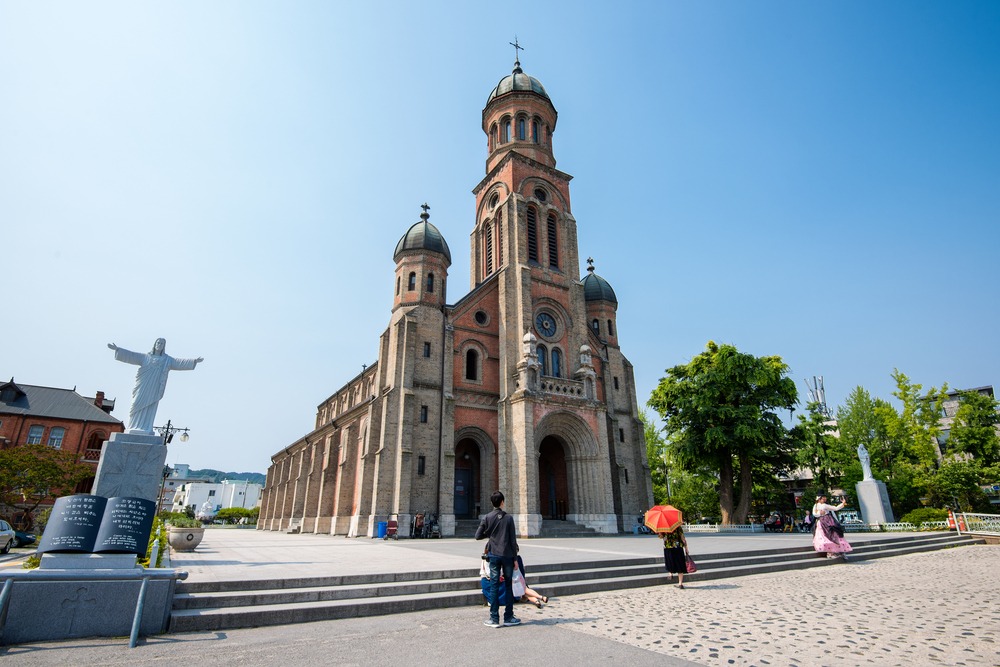
La cathédrale de Jeondong
Classée site historique n° 288, la cathédrale de Jeondong se dresse à l'entrée du village traditionnel Hanok de Jeonju, à l'emplacement où plusieurs catholiques coréens furent exécutés
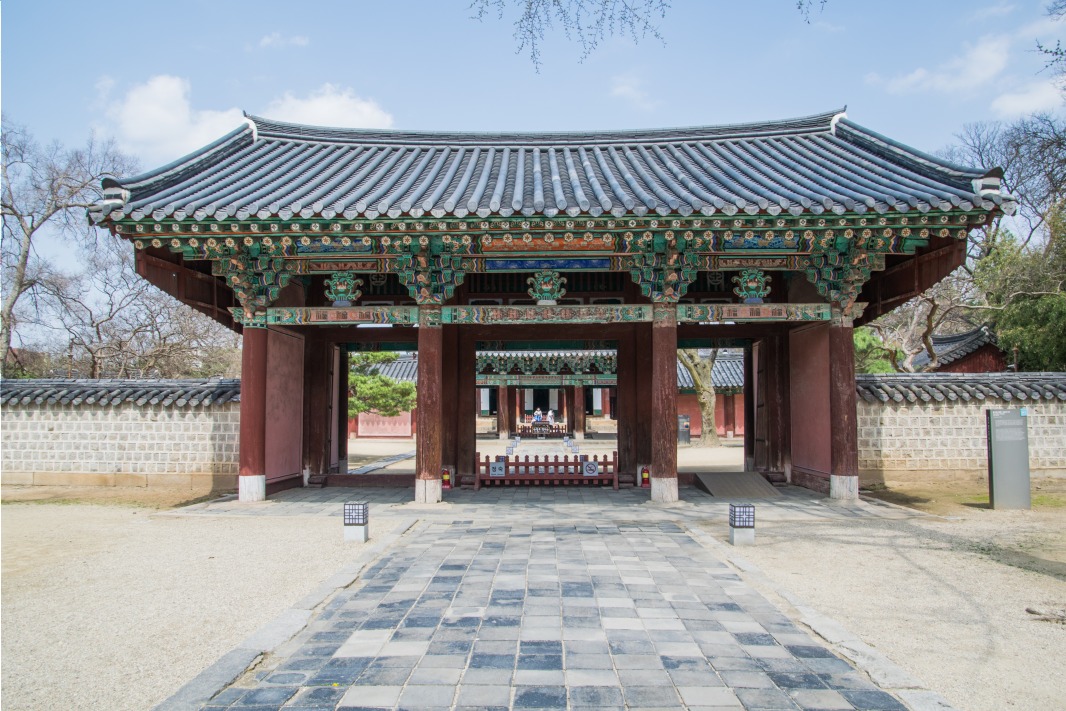
Gyeonggijeon Shrine
Le sanctuaire de Gyeonggijeon se dresse au cœur du village hanok de Jeonju, dans le sud-ouest de la Corée du Sud. Classé site historique n°339, il abrite le portrait officiel du roi Taejo
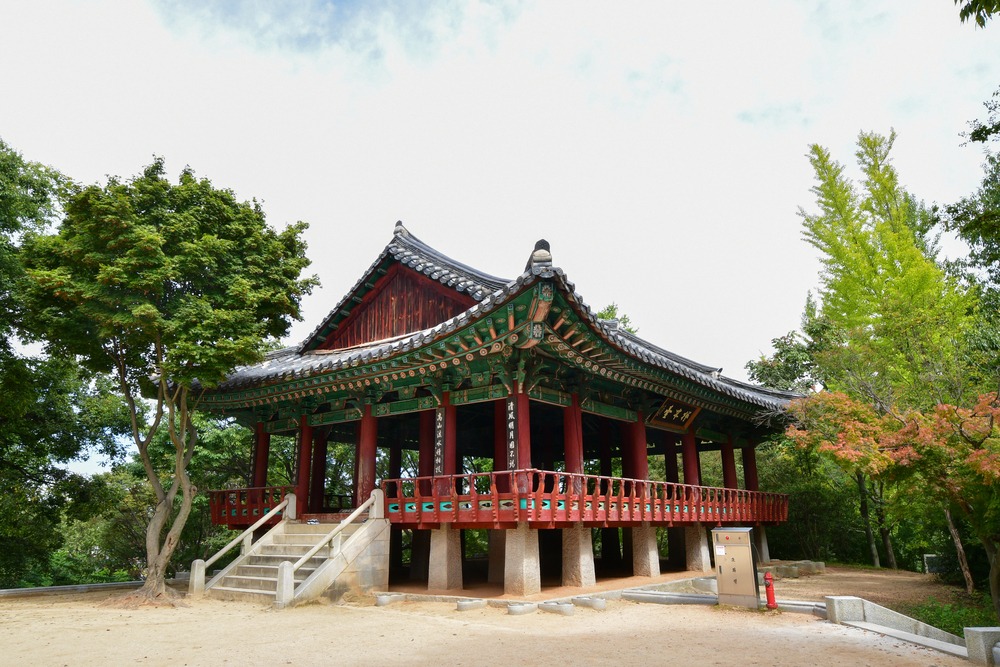
Omokdae et Imokdae
Sur une colline boisée au-dessus du village hanok de Jeonju, deux pavillons en bois marquent les origines de la dynastie Joseon. Omokdae et Imokdae offrent à la fois un point de vue
Want to discover this destination?
Our local advisors design your tailor-made trip.