Cheonggyecheon Stream
Cheonggyecheon Stream
A 6 km landscaped promenade in the heart of Seoul, Cheonggyecheon is an emblematic example of urban renaturalisation, free to access day and night.
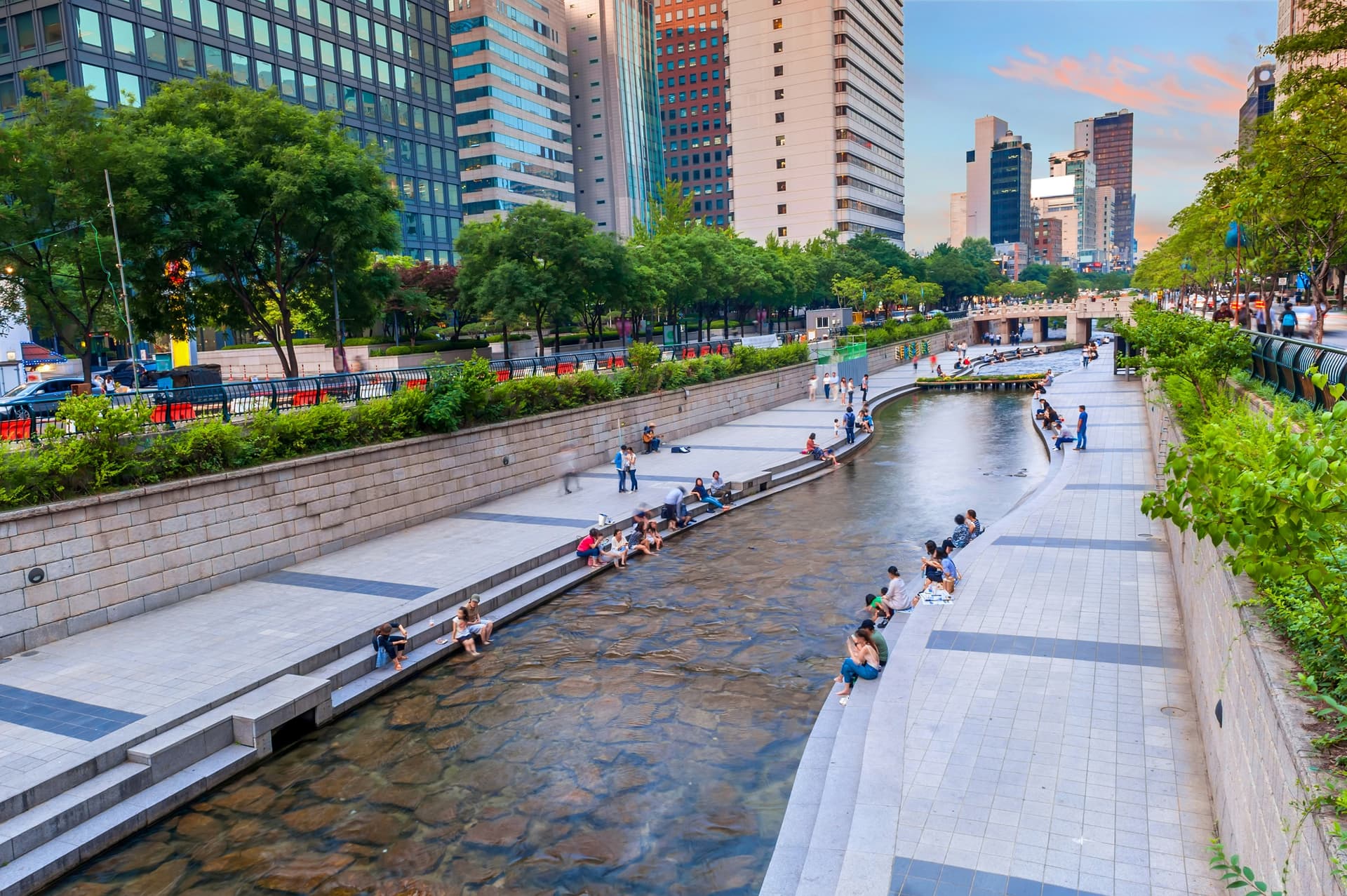
Cheonggyecheon is a landscaped waterway that runs through central Seoul from west to east for approximately 6 km, from Tapyeongno to Sindapcheolgyo. It then joins the Han River, which flows into the Yellow Sea. Its rehabilitation in the mid-2000s transformed an elevated highway into an urban promenade frequented by Seoulites and passing travellers.
Why visit Cheonggyecheon
Cheonggyecheon offers a rare respite from Seoul's density: a pedestrian promenade below street level, lined with flowing water, footbridges and green-planted walls. The site combines several points of interest:
- A linear 6 km route, freely accessible in the heart of the city.
- A frequently cited example of urban redevelopment, with the demolition of an expressway to expose the water once more.
- Unexpected urban biodiversity: herons, fish, cicadas in summer.
- Nighttime animation thanks to illuminations on the water and 22 bridges spanning the waterway.
History of Cheonggyecheon
During the Joseon dynasty, the waterway was named Gaecheon. King Taejong launched the first drainage works and erected bridges to manage the floods that affected the capital. The project was later declared a national undertaking by King Yeongjo, who continued the development of the riverbanks.
During the Korean War (1950–1953), the stream suffered severe contamination due to an influx of population and makeshift settlements along its banks. In the 1960s, in a logic of rapid modernisation, it was buried under a highway, topped with an elevated expressway. The waterway then disappeared from view for nearly four decades.
In 2003, Seoul's mayor Lee Myung-bak decided to demolish the highway and restore the water to the open air. After two years of construction, the redeveloped Cheonggyecheon was inaugurated in 2005. The project has since become an international reference for urban renaturalisation.
What to see along the route
Cheonggye Plaza
Located at the western end, Cheonggye Plaza marks the symbolic starting point of the promenade. It hosts events throughout the year, including the Seoul Lantern Festival, which illuminates the waterway with thematic light installations.
The 22 bridges
Twenty-two bridges cross Cheonggyecheon. Each has its own character: some are strictly utilitarian, others decorated with mosaics or murals. Stepping stones laid in the waterbed allow you to pass from one bank to the other.
Wildlife and vegetation
Despite the ultra-urban setting, herons, carp and small fish are regularly seen in the water, and cicadas can be heard in summer. The banks are planted and maintained, softening the mineral atmosphere of the city centre.
Night illuminations
As darkness falls, coloured light displays are projected onto the water and beneath certain bridges. The evening promenade is one of the most appreciated experiences at this location.
When to visit
Cheonggyecheon can be visited year-round, but the experience varies by season:
- Spring and autumn: mild temperatures, ideal for walking the full 6 km.
- Summer: the banks below street level remain cooler than the street; paddling is tolerated in certain zones.
- November: peak season for the lantern festival at Cheonggye Plaza.
- Winter: a quieter promenade, sometimes enlivened by year-end light installations.
Late afternoon and early evening offer the best balance between natural light and illuminations.
Practical information
- Access: free and open 24/7.
- Visit duration: allow 1 hour for a central section, 2 to 3 hours to walk the full 6 km.
- Accessibility: the promenade runs below street level; ramps and lifts exist at several access points, though not the entire route is wheelchair-accessible.
- What to bring: comfortable shoes, water in summer, warm clothing in winter (the corridor can be windy).
How to get there
Several metro stations provide access to Cheonggyecheon:
- Jonggak Station (Line 1), Exit 5: direct access to the central section of the waterway.
- City Hall Station (Lines 1 and 2), Exit 4: access to Cheonggye Plaza and the western starting point.
- Gwanghwamun Station (Line 3), approximately 10 minutes walk from the Plaza, convenient if you combine the visit with Gyeongbokgung Palace.
What to see nearby
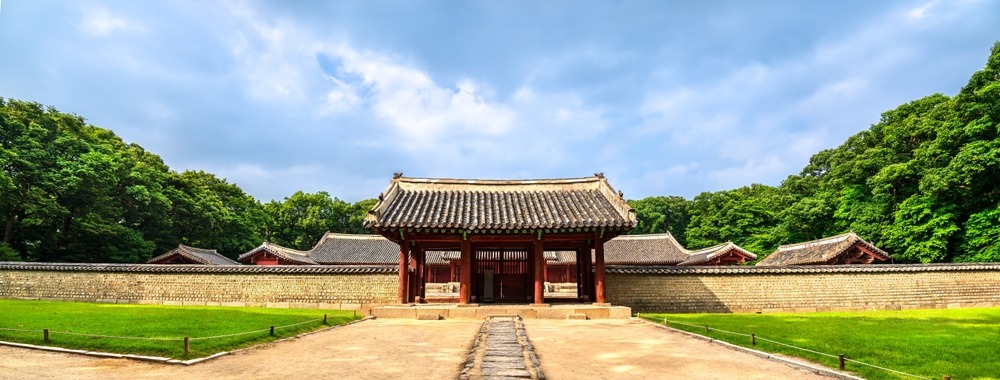
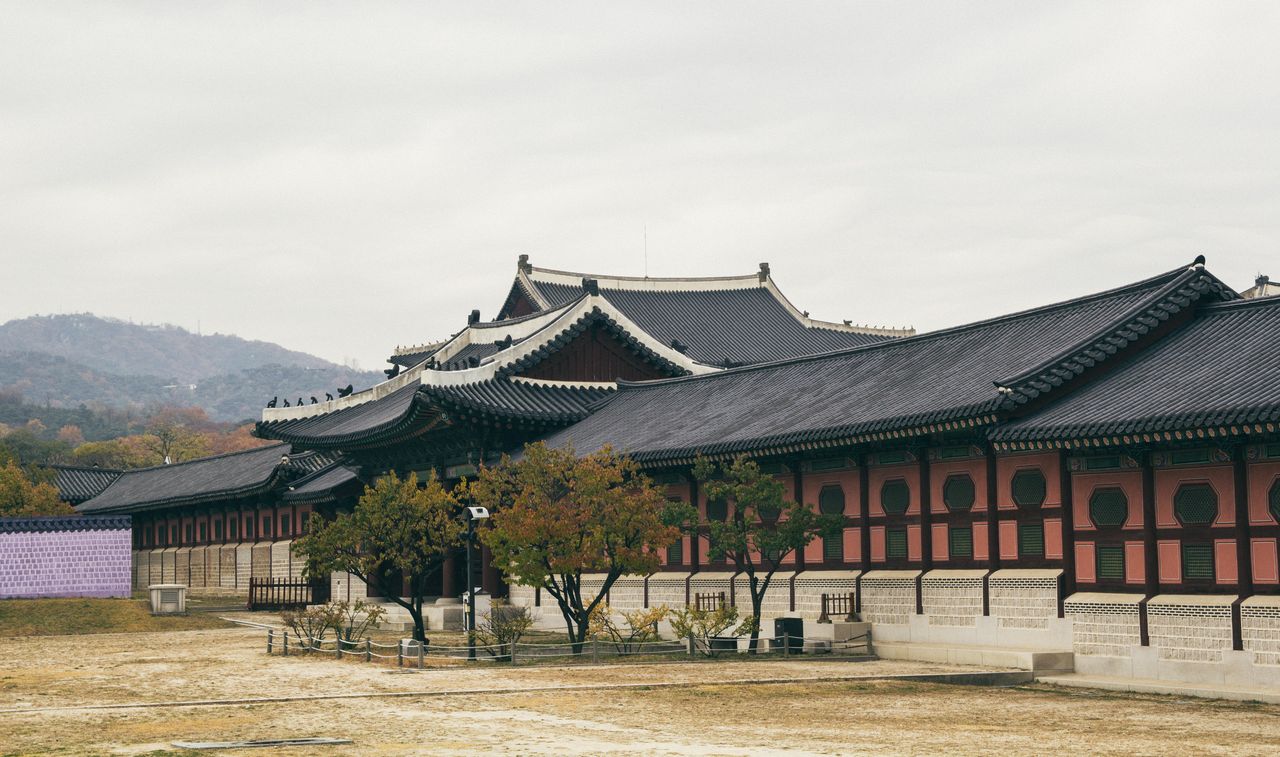
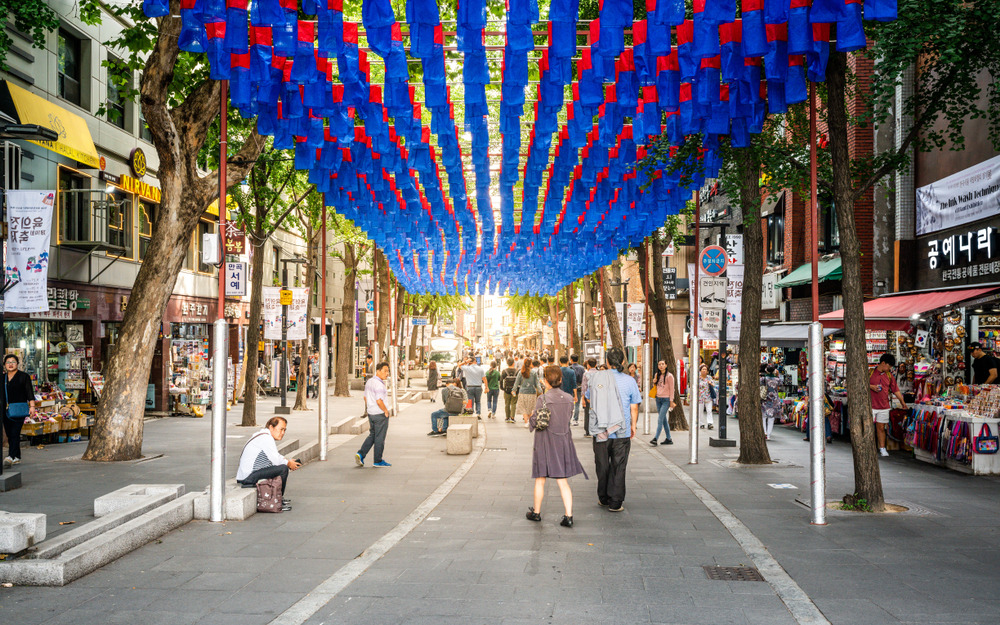
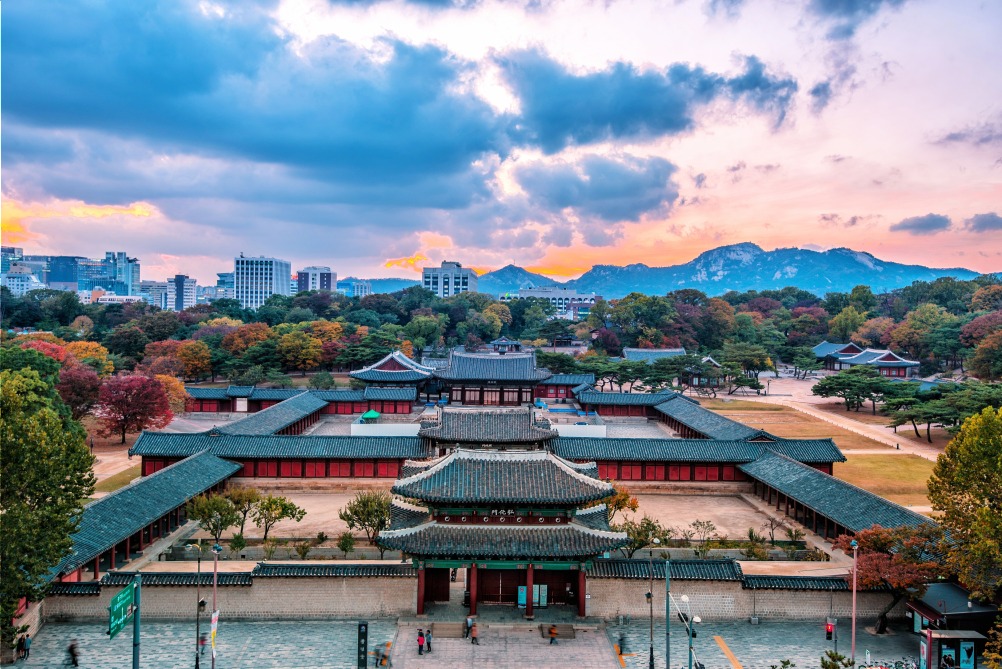
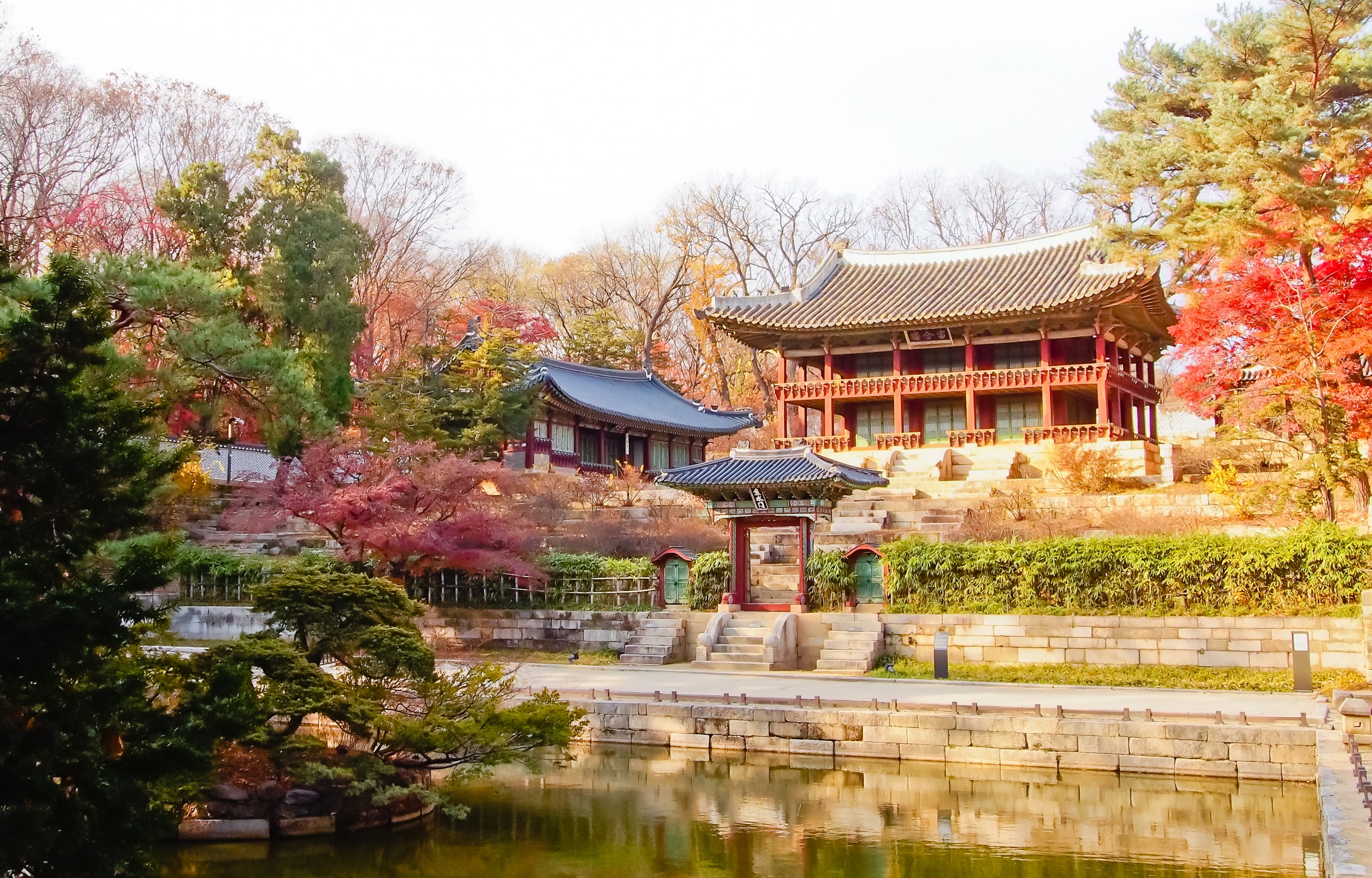
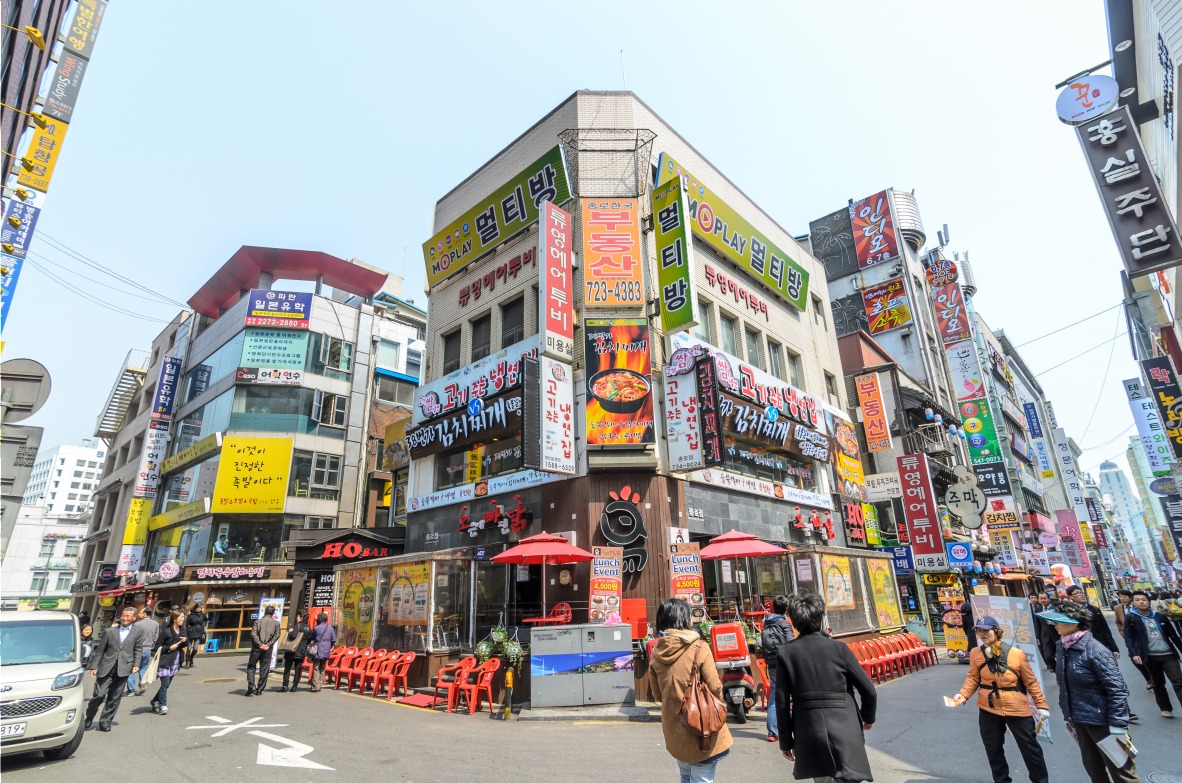
Cheonggyecheon lies within a sector rich in cultural sites. In the immediate vicinity in Seoul, you can extend your visit with royal palaces (Gyeongbokgung, Changdeokgung), Gwangjang Market or the Insadong district. To extend your stay in Corée du Sud, these stops are worth a detour:
- Hwaseong Fortress in Suwon, accessible by train from Seoul.
- The traditional village of Hahoe, UNESCO-listed.
- Haeinsa Temple and its Tripitaka Koreana.
- Haeundae Beach in Busan.
Frequently asked questions
Frequently asked questions
Include Cheonggyecheon in your trip
A walk along Cheonggyecheon fits naturally into any discovery of Seoul, complementing royal palaces and historic quarters. To build a tailor-made itinerary combining the capital, traditional villages and the southern coast, consult our trips in Corée du Sud.
Nearby
Interested in this visit?
We can include it in your personalised itinerary.