Namdaemun Market
Namdaemun Market
Seoul's oldest traditional market: 66,000 m², 10,000 merchants, street food ranked among Asia's finest, and affordable hanbok.
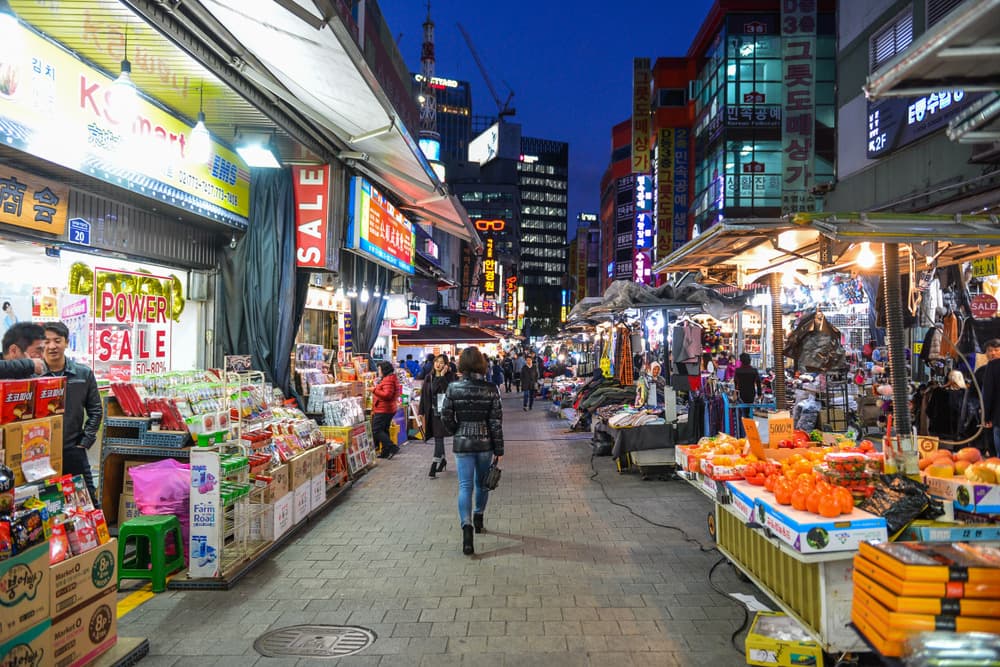
At the foot of the ancient fortified gate that gave it its name, Namdaemun Market spreads its merchant lanes across more than 66,000 square meters in the heart of Seoul. With over 10,000 retailers and wholesalers, it is one of South Korea's oldest traditional markets, still thriving today for fashion, hanbok, souvenirs and street food.
Why visit Namdaemun
Namdaemun is a living neighborhood market, not a tourist showcase. You'll encounter wholesalers, Seoul families shopping for essentials, and merchants transporting goods by motorbike or hand-pulled carts—remnants of an urban landscape predating the automobile age. Three compelling reasons to spend half a day here:
- Rare commercial density: clothing, accessories, hanbok, stationery, eyeglasses, hiking gear, flowers, kitchenware and electronics all coexist within a few city blocks.
- A street food scene ranked among Asia's top 10 by Seoul's municipal government, particularly renowned for hotteok (sweet filled pancakes).
- Generally lower prices than other Seoul markets and shopping arcades, especially for souvenirs and children's clothing.
Market history
The market takes its name from Namdaemun, one of the three main gates of the walled city of Seoul under the Joseon dynasty. It dates back to 1414 and was initially managed by the royal government. In 1608, the district welcomed a tribute bureau (in rice, cloth and money) established by King Seonjo, which stimulated commercial activity around the square: grains, fish, fruits and textiles were already being traded there.
During the colonial period (1910-1945), market management came under Japanese control. After Liberation, it was taken over by the Namdaemun Merchants' Organization, created by the merchants themselves. The site was devastated by fire in 1953, amid the Korean War, then rebuilt the following year after several years of construction hampered by financial hardship. Further fires struck in 1968 and 1975. Between 2007 and 2010, Seoul's municipal government undertook major renovation work to modernize infrastructure while preserving the character of the place.
What to see and do
Street food at Exit 5 of Hoehyeon
Street food stalls cluster around Exit 5 of Hoehyeon subway station. This is the densest spot to sample hotteok, mandu (steamed dumplings), kalguksu noodles, vegetable fritters and pan-fried dishes. The City of Seoul ranks Namdaemun among Asia's top 10 street food destinations, largely thanks to its renowned hotteok.
Hanbok and clothing
Several alleyways are dedicated to hanbok, Korea's traditional costume, sold in ceremonial versions or modern reinterpretations. An entire street is also devoted to children's clothing, frequented mostly by locals. For adult fashion, prices are competitive if you compare across stalls.
Souvenirs and everyday items
Namdaemun is an ideal shopping spot for Korean souvenirs: ceramics, accessories, stationery, decorative objects. You'll also find wholesale flowers, carpets, hiking equipment and eyeglasses—a patchwork reflecting the market's historical organization by specialty lanes.
Practical information
The market operates around the clock for the wholesale section and is closed Sundays for most retail stalls. Weekday mornings offer the best window for visiting without crowds. A few tips:
- Bring cash in won: not all stalls accept cards.
- Negotiation is acceptable on clothing and accessories, far less so on food.
- Plan for 1.5 to 3 hours depending on whether you're mainly eating or shopping.
- Watch out for carts and motorbikes navigating the narrow alleyways.
How to get there
The market is located at Exit 5 of Hoehyeon station (Line 4 of Seoul Metro) and about a 10-minute walk from Seoul Central Station. It's also served by numerous urban bus lines (green, blue and red) as well as airport buses—check on-site or via a real-time transit app for current route numbers.
Nearby attractions
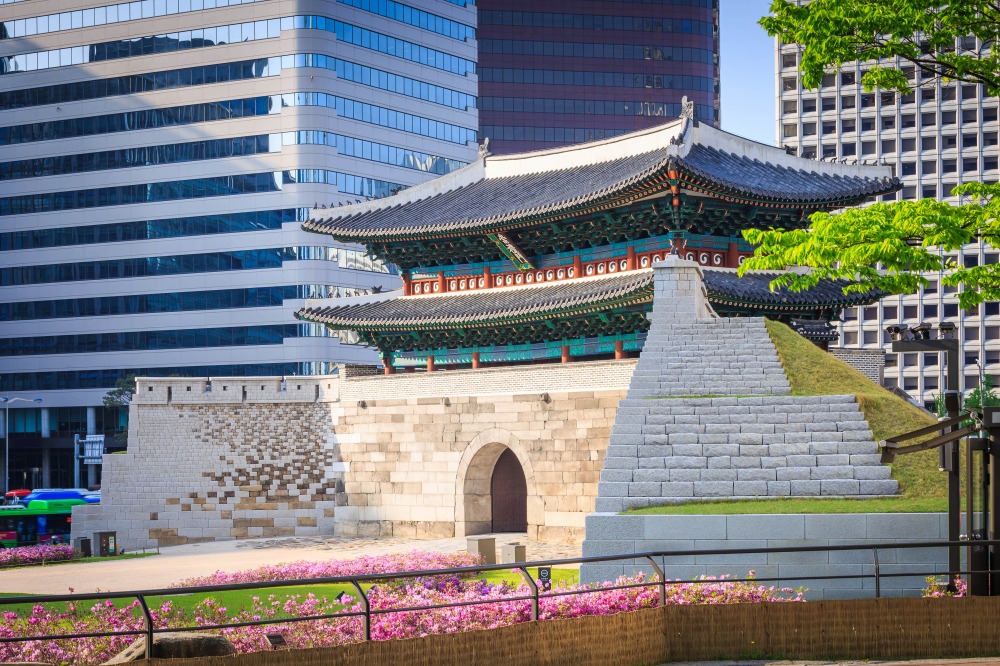
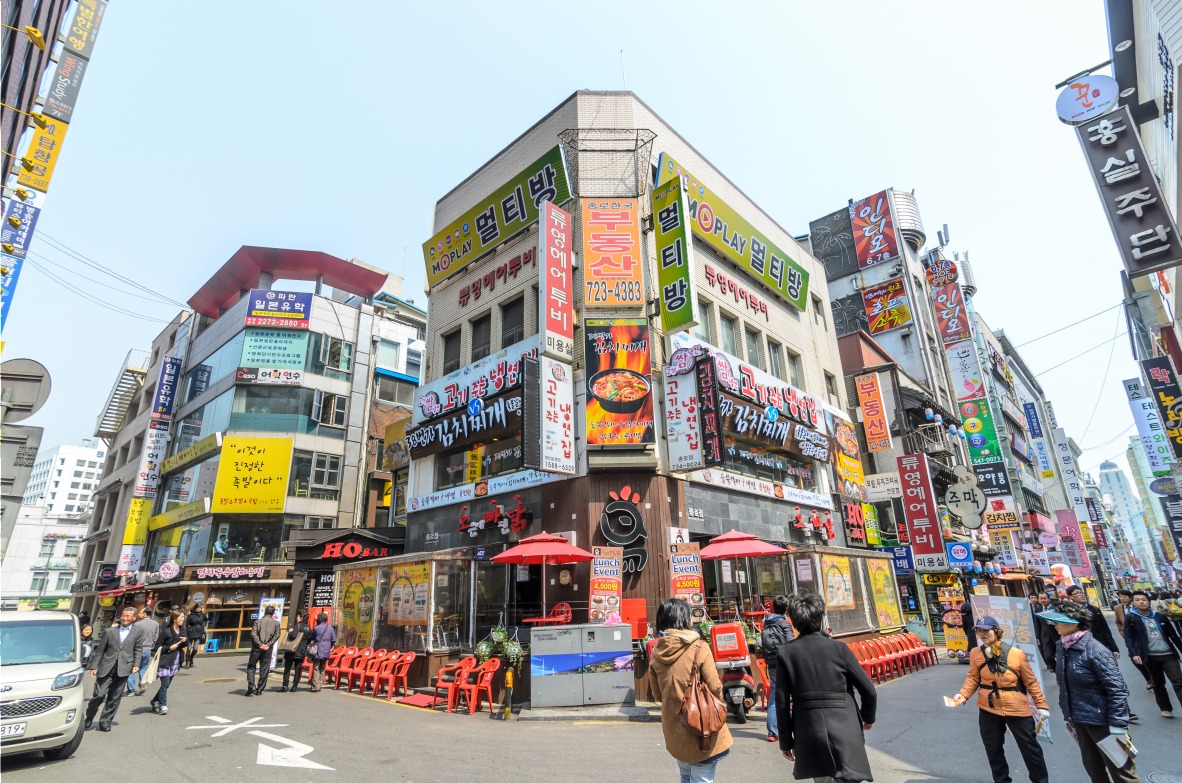
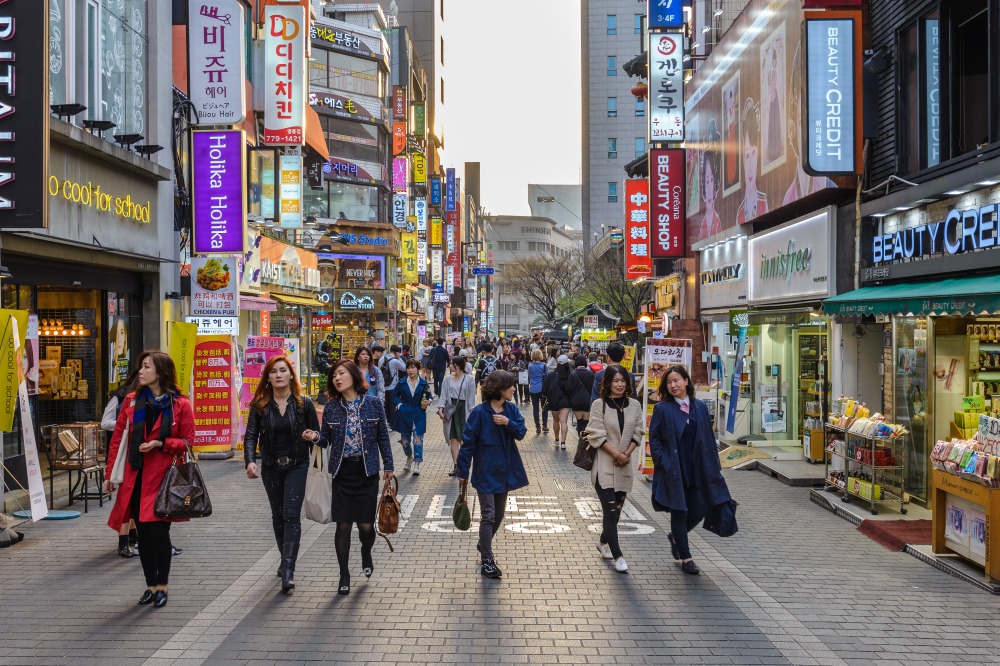
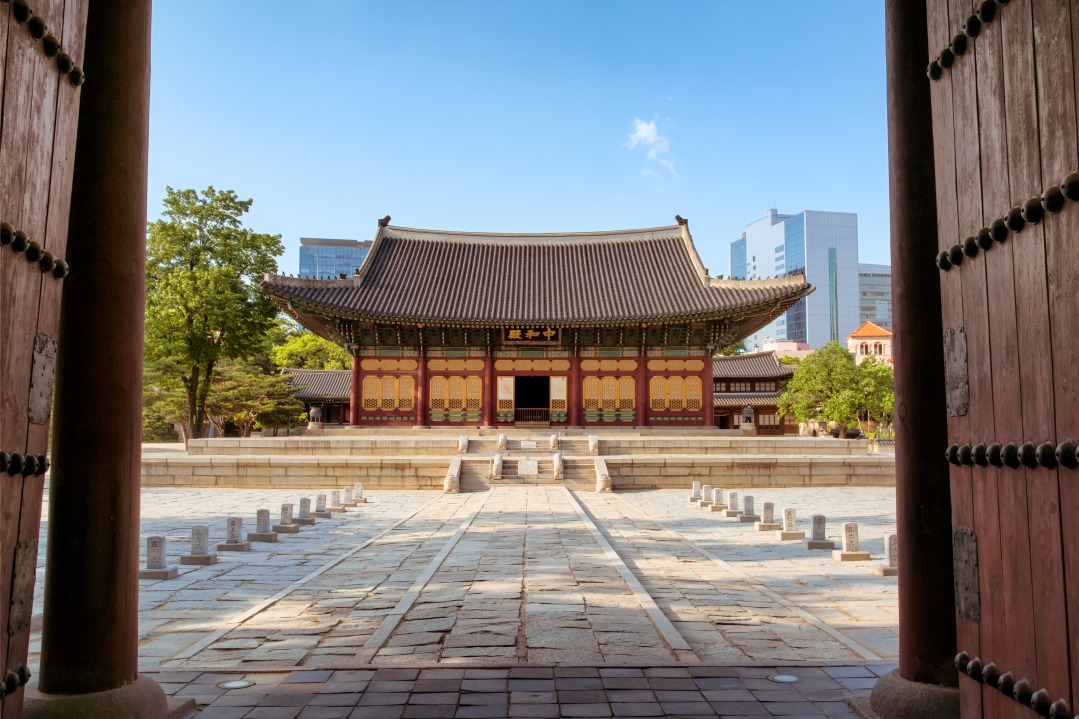
Namdaemun fits naturally into a day exploring central Seoul, between the Sungnyemun gate (just steps away), Deoksugung Palace and the Myeongdong district. To extend your South Korea journey beyond the capital, several destinations complement an urban visit well:
- Haeinsa Temple, home to the Tripitaka Koreana, a treasured Buddhist collection.
- Maisan Mountain and its distinctive rock formations.
- Haeundae Beach in Busan, for a coastal escape.
Frequently asked questions
Frequently asked questions
Most retail stalls are closed on Sundays. The wholesale section, however, operates largely at night throughout the rest of the week.
Namdaemun is older (1414) and remains a traditional market with daytime focus, emphasizing everyday fashion, hanbok, street food and souvenirs. Dongdaemun, larger and more modern, is known for shopping malls open late into the night and its textile hub.
The most typical purchases are hanbok (or inspired accessories), Korean stationery, ceramics, affordable eyeglasses, and local snacks like hotteok to enjoy on the spot.
Plan your trip
To weave Namdaemun into a complete itinerary between Seoul, southern temples and interior landscapes, explore our custom South Korea journeys.
Nearby
Interested in this visit?
We can include it in your personalised itinerary.