Gyeongju National Museum
Gyeongju National Museum
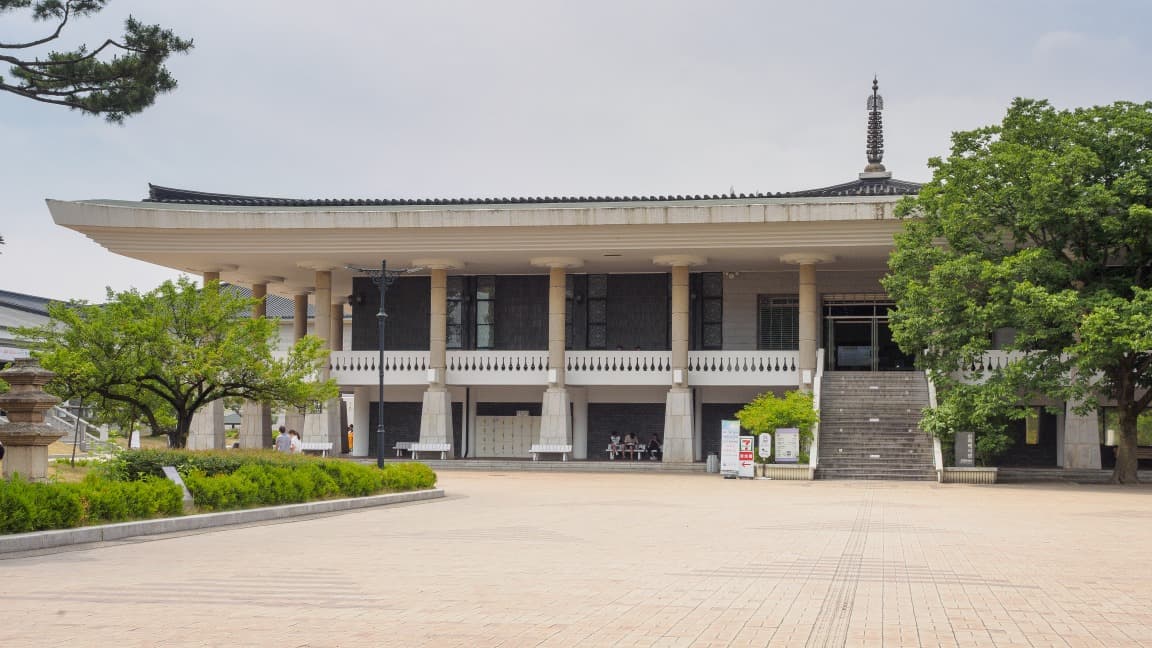
Gyeongju National Museum houses Silla royal jewels, artifacts from the Anapji Basin and the famous Emille Bell, all within the ancient capital of the kingdom.
The Gyeongju National Museum brings together an essential part of the heritage of the Silla Kingdom (57 BCE – 935), which thrived for nearly a thousand years from the present-day city of Gyeongju. Royal jewels, funerary artifacts, Buddhist pieces and the celebrated Emille Bell are united here within a museum complex organized across four complementary spaces.
Why Visit Gyeongju National Museum
As the ancient capital of the Silla Kingdom, Gyeongju's excavations have yielded an exceptional concentration of precious objects: gold crowns, ceremonial belts, ceramics, and Buddhist relics. The museum centralizes approximately 3,000 displayed pieces from roughly 100,000 items held in its collections, making it the most comprehensive stop for understanding Silla culture before or after exploring the city's archaeological sites.
Entry is free, the thematic organization is clear, and the masterpiece—the bell of King Seongdeok—can be discovered freely in the outdoor courtyard.
Museum History
The museum was founded in 1945 as a branch of the National Museum of Corée du Sud, at a time when authorities sought to protect and locally display objects from excavations conducted across the former Silla capital.
In 1975, the institution gained independence and moved into a new building. That same year it adopted its current name, the Gyeongju National Museum. Since then, its collections have grown steadily with regional archaeological campaigns, particularly from major royal tombs and the Anapji Basin.
What to See at the Museum
The complex is organized into four spaces: the main hall, Annex I (Gobun Gallery), Annex II, and the outdoor exhibition area.
The Main Hall: Silla Royal Treasures
The main archaeological gallery showcases jewels, ritual objects and weapons attributed to the Silla dynasty. The most striking piece is a gold crown from the fifth century, finely crafted and accompanied by pendants and ceremonial belts. Complementary vitrines: pottery, glazed ceramics and domestic objects used in the royal court.
Annex I — Gobun Gallery
The Gobun Gallery displays artifacts from the large tombs (gobun) of Gyeongju, these tumuli visible today in Tumuli Park. Visitors gain understanding of burial stratigraphy, funerary goods and the social status of the deceased as reflected in the recovered objects.
Annex II — Anapji Basin Excavation
This annex brings together pieces extracted from the Anapji Basin excavation, an ancient pond within the palace compound. Wood furnishings preserved by silt, utensils, royal gaming dice, roof ornaments: a rare window into daily court life.
Outdoor Exhibition Area and Emille Bell
The outdoor courtyard houses the bell of King Seongdeok, one of Asia's largest bronze bells: 3.75 meters tall and weighing an estimated 20 to 25 tonnes. It originally came from the Bongdeoksa Temple.
Its nickname, Emille, derives from an ancient legend: to successfully cast the bell, a child was supposedly thrown into the molten bronze, and his cry—"Emille"—is said to resonate in the instrument's timbre ever since. Legend holds that the bell's sound once carried for several kilometers when struck; today it is no longer rung, and it cannot be touched.
Practical Information
- Admission: free (except special events such as exhibition openings).
- Audio guide: available for rental at modest cost; explanatory materials in English also provided.
- English-language guided tour: Saturdays only, November through March, at 1:30 PM.
- Accessibility: wheelchairs and strollers available for rent, ramps, elevators and adapted restrooms on-site.
- Animals: not permitted.
- Recommended visit duration: allow 2 to 3 hours to explore all sections.
Opening hours are generally daytime (morning through late afternoon), with extended hours on weekends. Check the official calendar before your visit, particularly for closures on Mondays and public holidays.
When to Visit
The museum is open year-round. From March through December, Saturday evening visits allow you to discover the collections and outdoor courtyard in a different ambiance—nighttime lighting particularly highlights the Emille Bell.
To combine your visit with Gyeongju's outdoor archaeological sites, spring (April-May) and autumn (October-November) offer the most pleasant conditions.
Getting There
The museum is located east of Gyeongju's city center, near Tumuli Park and the Anapji site.
- By bus: lines 11, 600 or 603 from Gyeongju Bus Terminal, stop near the museum.
- By bike: rental available in Gyeongju's city center; the cycling trail network connects the main historical sites.
- On foot: feasible from the historic center in about thirty minutes.
Nearby Attractions
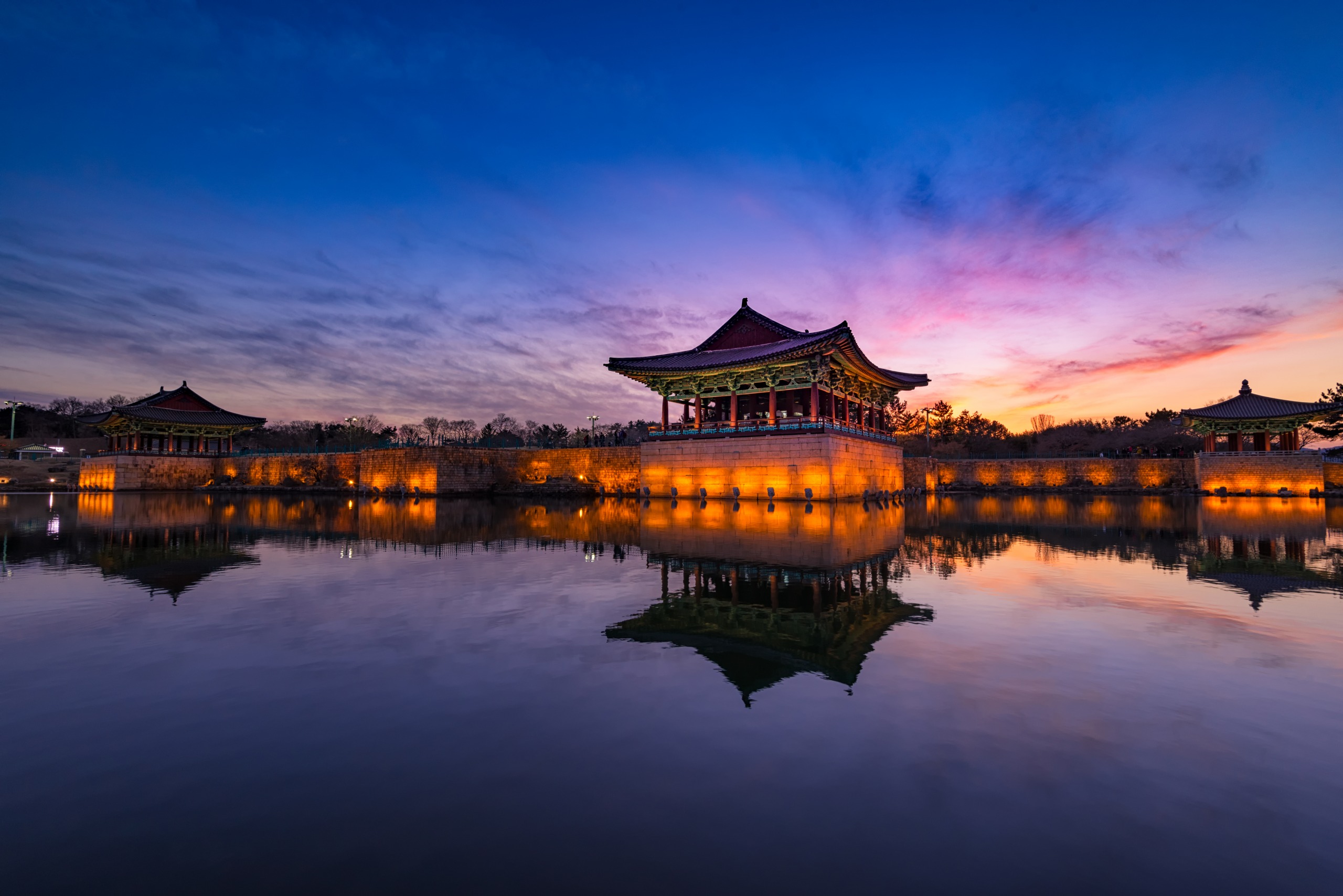
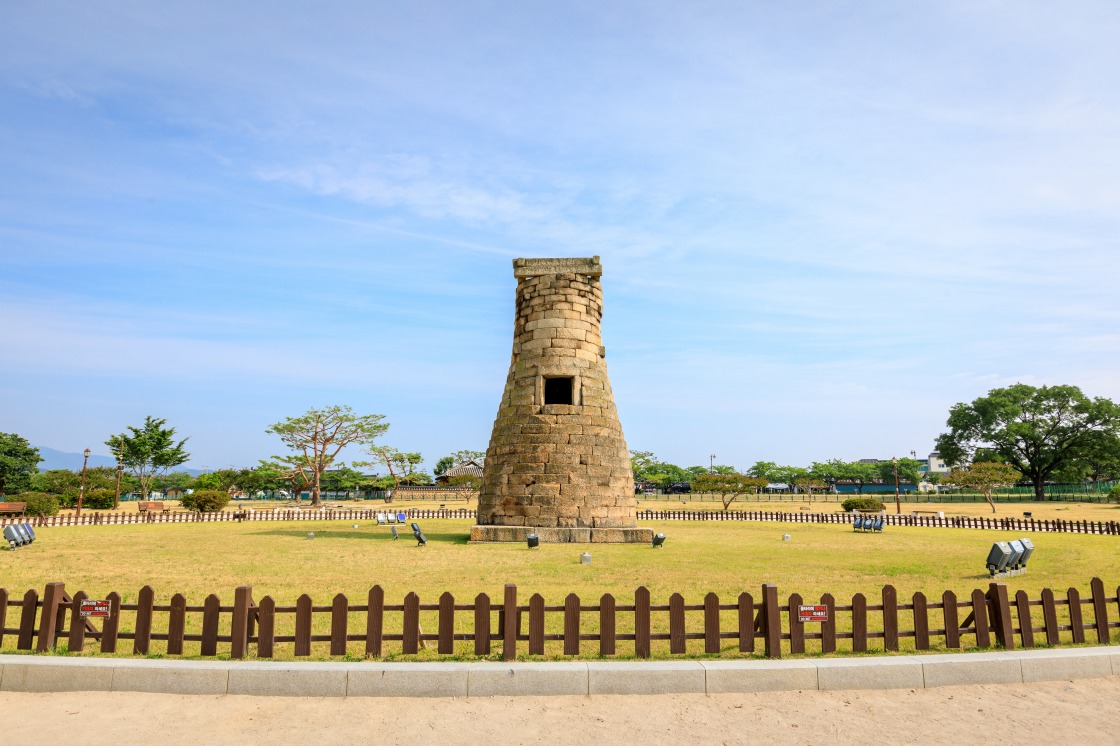
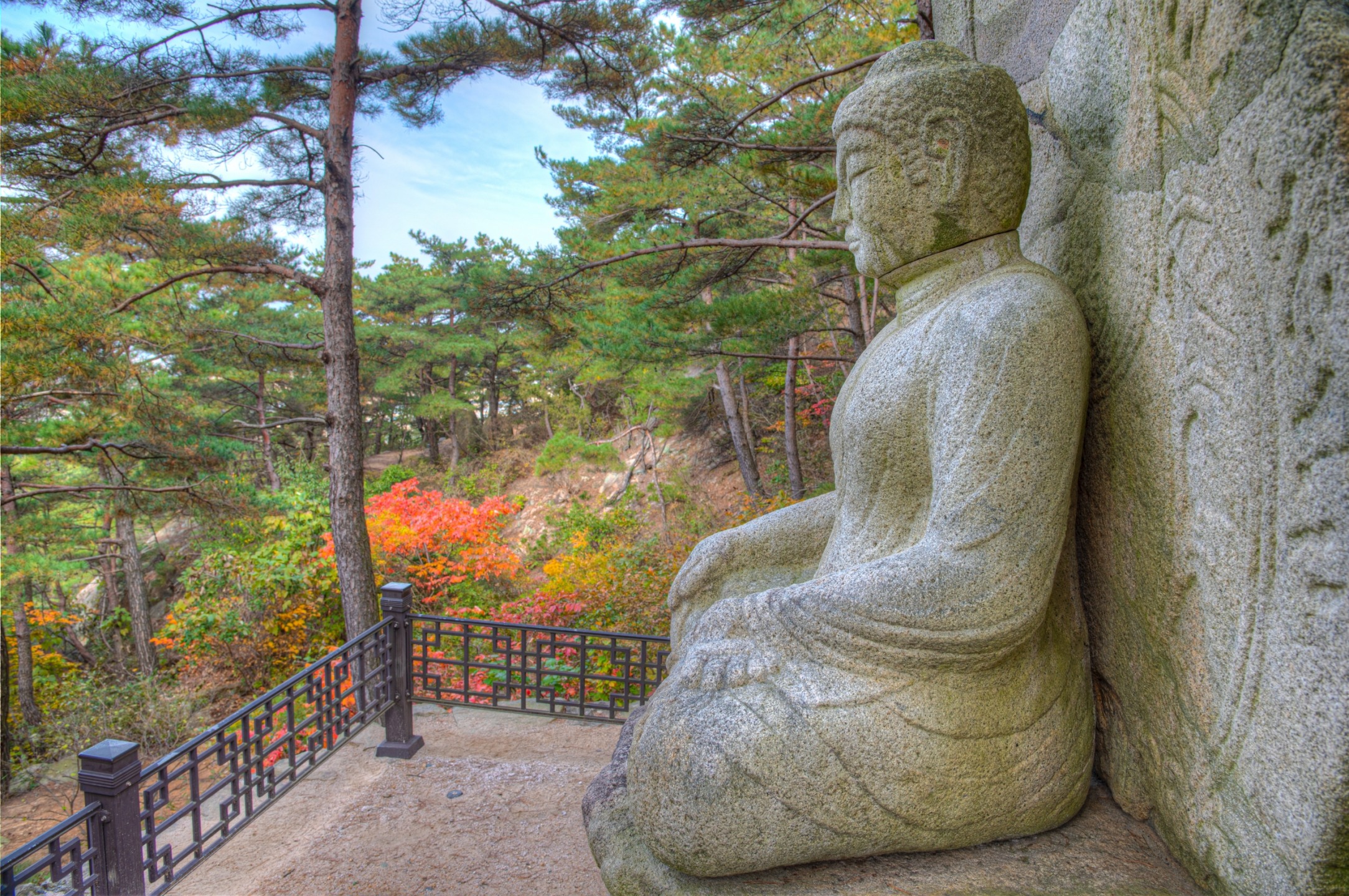
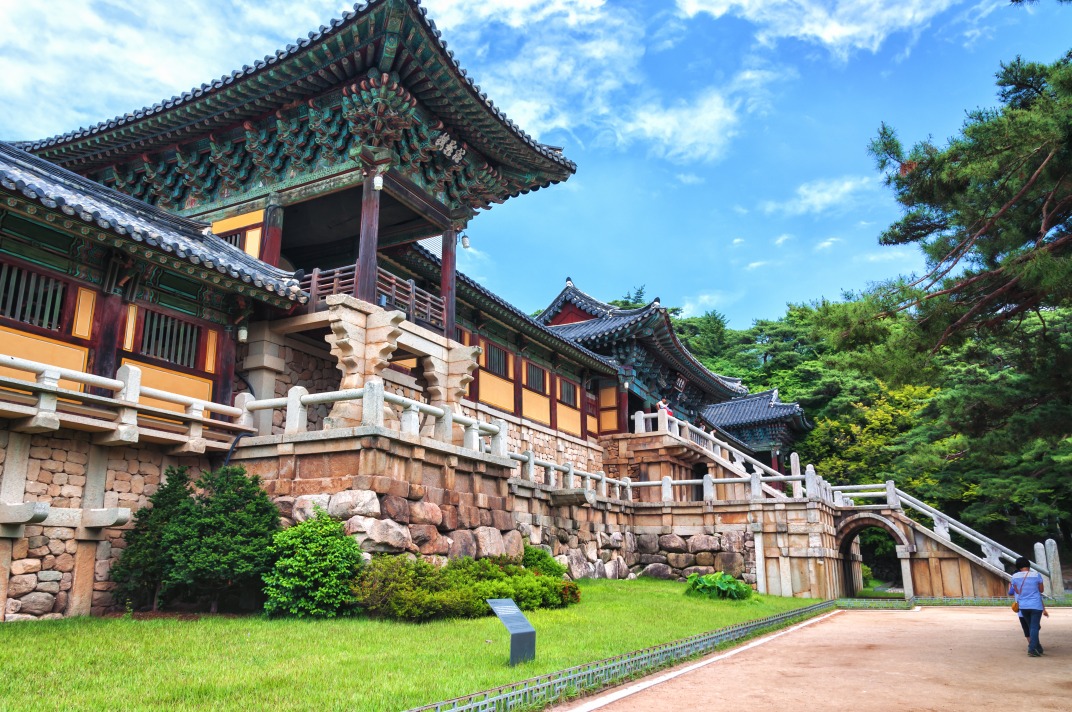
The museum is part of a cluster of historical sites concentrated around the former Silla capital. Combine on the same day: Tumuli Park (major royal tombs), the Anapji Basin and its pavilion, as well as Cheomseongdae Observatory. Further afield, Haeinsa Temple and Magoksa Temple complete a cultural Korean itinerary for heritage enthusiasts. For a beach break after sightseeing, Haeundae Beach in Busan is reachable in less than two hours.
Frequently Asked Questions
Frequently asked questions
Access to the permanent collections is free. Only certain special events (exhibition openings, temporary exhibitions) may be subject to a fee.
Allow 2 to 3 hours to explore the main hall, both annexes and the outdoor area housing the Emille Bell.
Guided tours are offered in English, Saturdays only from November through March at 1:30 PM. English-language materials and an audio guide are available at other times. No official English-speaking guidance is currently available.
It is the bell of King Seongdeok, cast during the Silla era and originally from Bongdeoksa Temple. Standing 3.75 meters tall and weighing between 20 and 25 tonnes, it ranks among Asia's largest bronze bells. Its nickname comes from a legend suggesting a child was sacrificed in the molten bronze during its casting.
Yes: ramps, elevators, adapted restrooms and wheelchair rentals are available on-site.
Plan Your Trip
Gyeongju National Museum fits naturally into a cultural circuit around the former Silla capital. To build your complete itinerary, explore our Corée du Sud travel ideas.
Nearby
Interested in this visit?
We can include it in your personalised itinerary.