Must-See Highlights of a Stay in Gyeongju
Once the capital of the Silla Kingdom, Gyeongju is one of the most culturally rich cities in South Korea. For good reason—it ranks among Asia's most significant archaeological sites.
The former capital of the Silla Kingdom, Gyeongju is one of the most culturally significant cities in South Korea. And rightfully so—it ranks among Asia's most remarkable archaeological sites! There's no doubt about it: Gyeongju is an essential stop on any South Korea trip. To make sure you don't miss the highlights, we've compiled the 5 must-see sites to discover during a stay in Gyeongju…
The Gyeongju National Museum
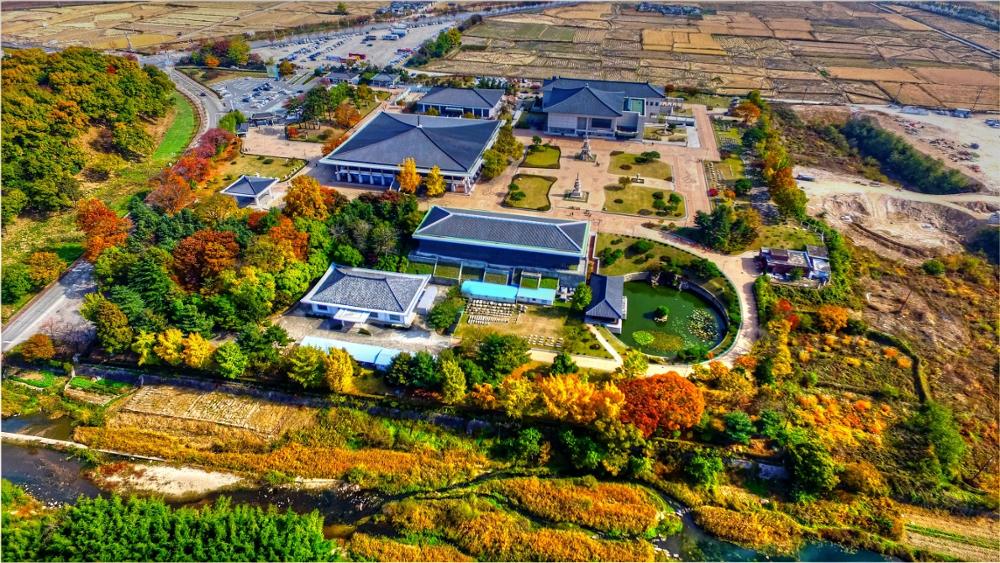
If you want to learn more about the city's history and understand how the Silla Kingdom functioned, this is the perfect place to start your visit. The Gyeongju National Museum is divided into 3 buildings: one dedicated to the history of the Silla Kingdom from the Paleolithic period to the Bronze Age, another focused on Buddhist art, and the third chronicling daily life in the royal court during the kingdom's era. Throughout your visit, you'll discover thousands of period artifacts found in palaces, fortresses, tombs, and other historical remains, many of which are designated as national treasures.
The showstopper? The impressive Bronze Bell of King Seongdeok. Weighing nearly 20 tons, it's one of the largest in Asia!
The Royal Tombs of Silla
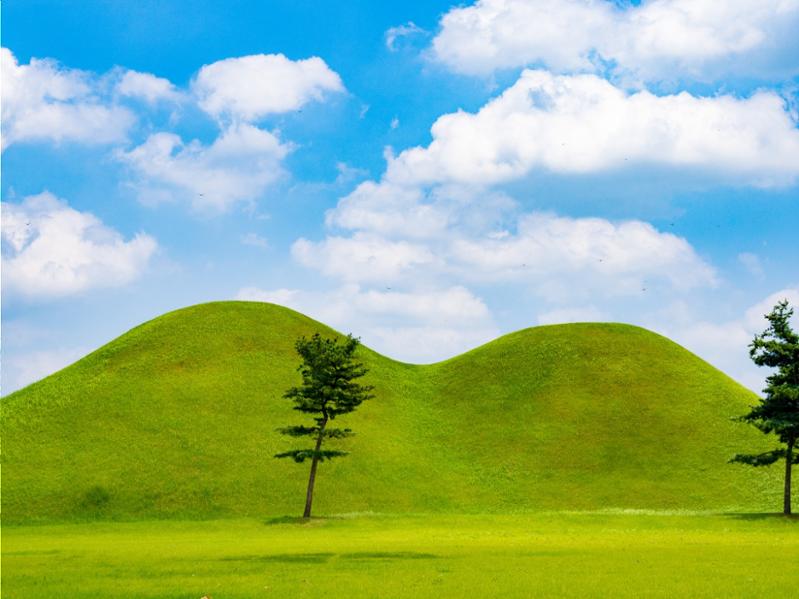
Throughout Gyeongju and its surroundings, you'll notice small, grass-covered rounded hills dotting the landscape. These are actually burial sites known as tumuli. Indeed, they serve as royal tombs and resting places for the great monarchs of the Silla Kingdom. Constructed from wood, the tumuli were then covered with stones, earth, and sod. There are no fewer than 150 within the city proper, with roughly double that number in the surrounding region. A large portion of the downtown tombs are located within Tumuli Park! This is a pleasant, tree-filled green space ideal for cycling or leisurely walks…
The Cheomsongdae Astronomical Observatory
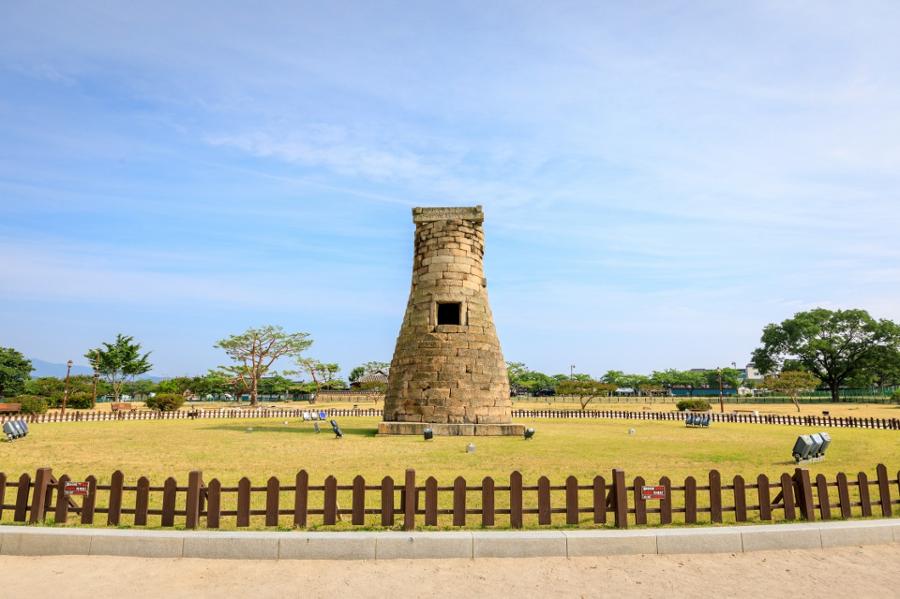
This is National Treasure No. 31 of South Korea. While the Cheomsongdae Astronomical Observatory may not be striking at first glance, its history and remarkable state of preservation make it a truly noteworthy site. With a structure dating to the 7th century, it is Asia's oldest astronomical observatory and one of the country's best-preserved ancient buildings. That alone makes it worth the visit! Not to mention its utterly distinctive and supremely photogenic form…
Worth noting: the Cheomsongdae Astronomical Observatory is located near a green space with botanical garden-like charm. You'll find numerous flower varieties as beautiful as they come….
Bulguksa Temple and Seokguram Grotto
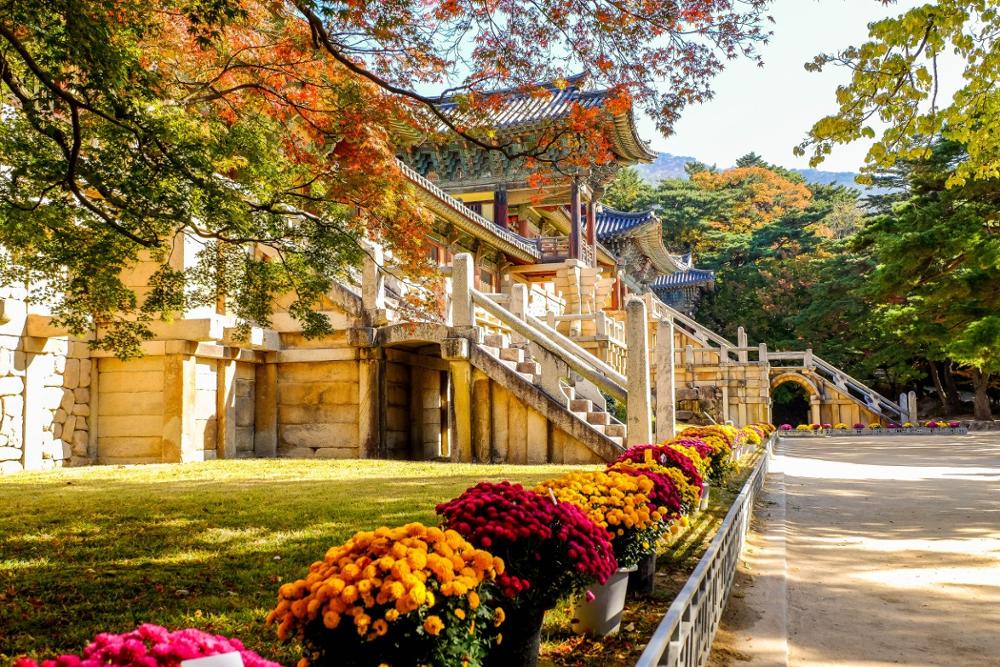
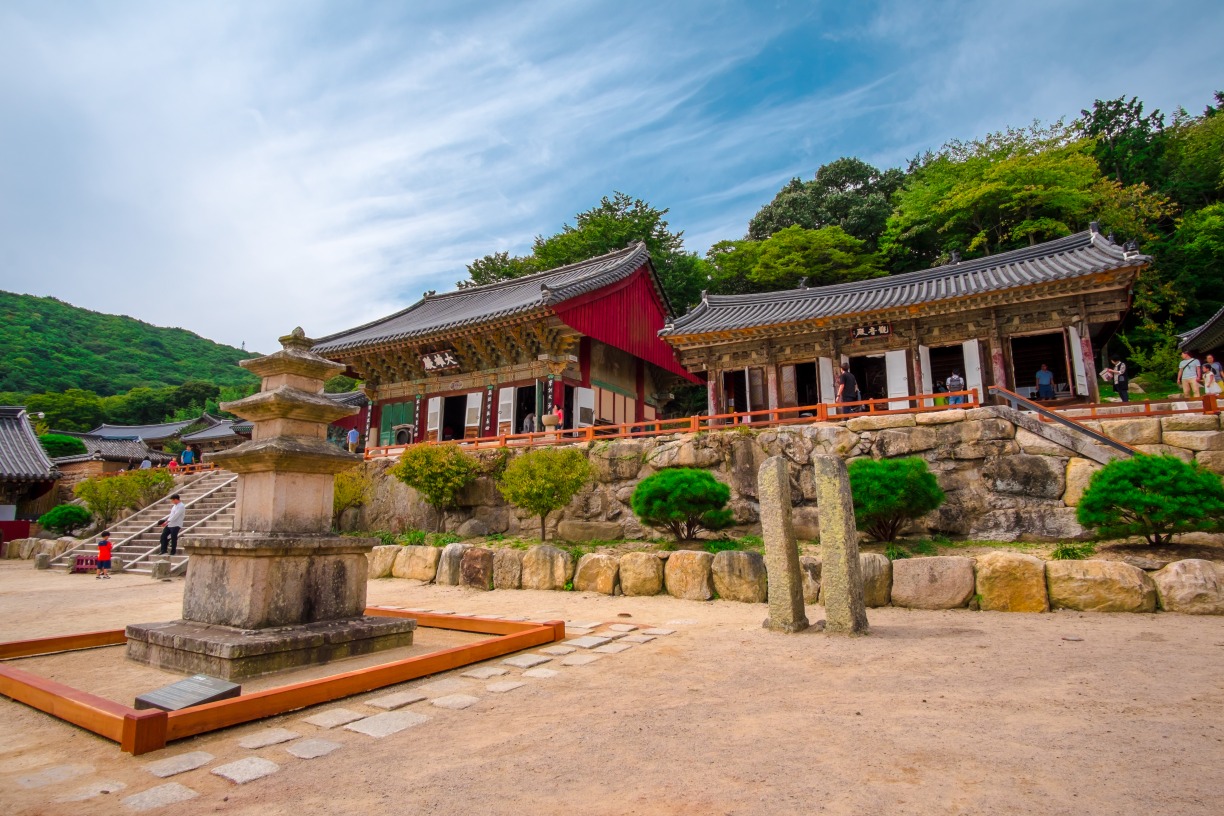
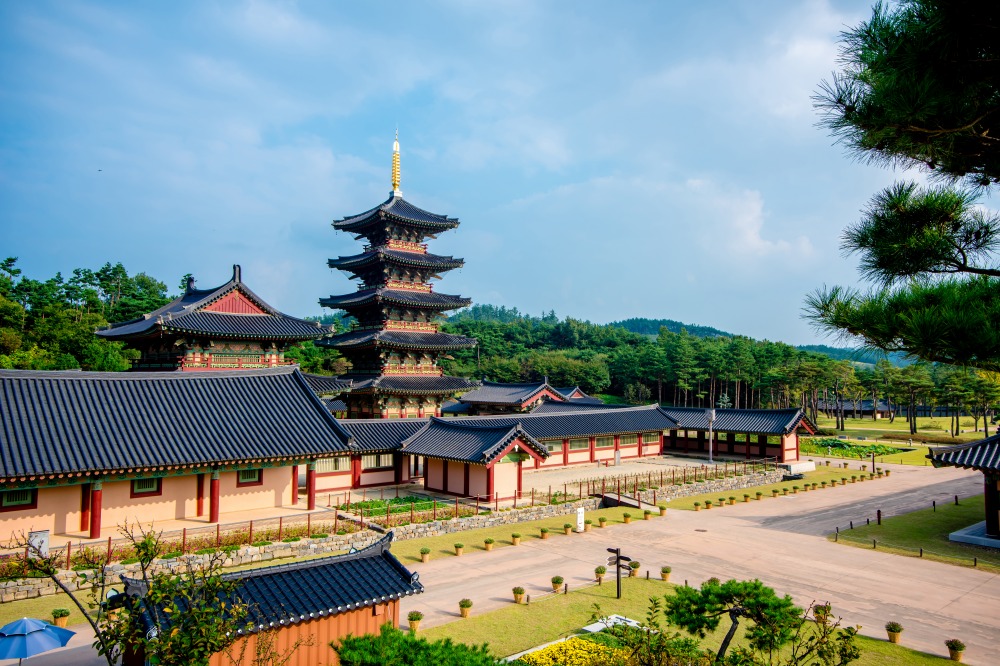
Regarded as a masterpiece of the golden age of Buddhist art in the Silla Kingdom, Bulguksa Temple is a major historical site in South Korea. It alone holds 7 Korean national treasures, including Dabotap and Seokgatap pagodas, Cheongun-gyo bridge, and two bronze Buddha statues… It would be a shame to miss it, wouldn't it?
Not far from the temple, you can continue your expedition with a visit to Seokguram Grotto. This hermitage, annexed to Bulguksa Temple, was established in the 8th century and houses numerous Buddhist and Hindu statues, including a Buddha standing 320 meters tall!
Discover this ancient capital of the Silla Kingdom on our tour "A Spring Sojourn in the Heart of South Korea!"
Frequently asked questions
Plan for at least 2 full days to comfortably visit the 5 major sites in Gyeongju: the national museum, royal tombs, Cheomsongdae Observatory, Bulguksa Temple, and Seokguram Grotto. Some travelers choose to spend 3 days exploring the region by bicycle.
From Seoul, the fastest option is the KTX train to Singyeongju Station, with a journey of approximately 2 hours. Express buses also connect Seoul to Gyeongju in about 4 hours at a lower fare.
Yes, entrance to both Bulguksa Temple and Seokguram Grotto is paid. The two sites can often be visited with a combined ticket, which is frequently more economical. It's advisable to check current rates with the Korean tourism office before your visit.
Spring (March-April) is ideal for enjoying cherry blossoms in the parks and around the tumuli. Autumn (October-November) offers stunning colors and cultural festivals. Summer can be hot and humid, while winter is cold but peaceful.
Tumuli are royal tombs in the shape of rounded grass-covered hills, characteristic of Gyeongju's landscape. Built from wood and then covered with stones, earth, and sod, they served as burial places for the great monarchs of the Silla Kingdom. More than 150 can be found within the city proper.