Gosu Cave
Gosu Cave
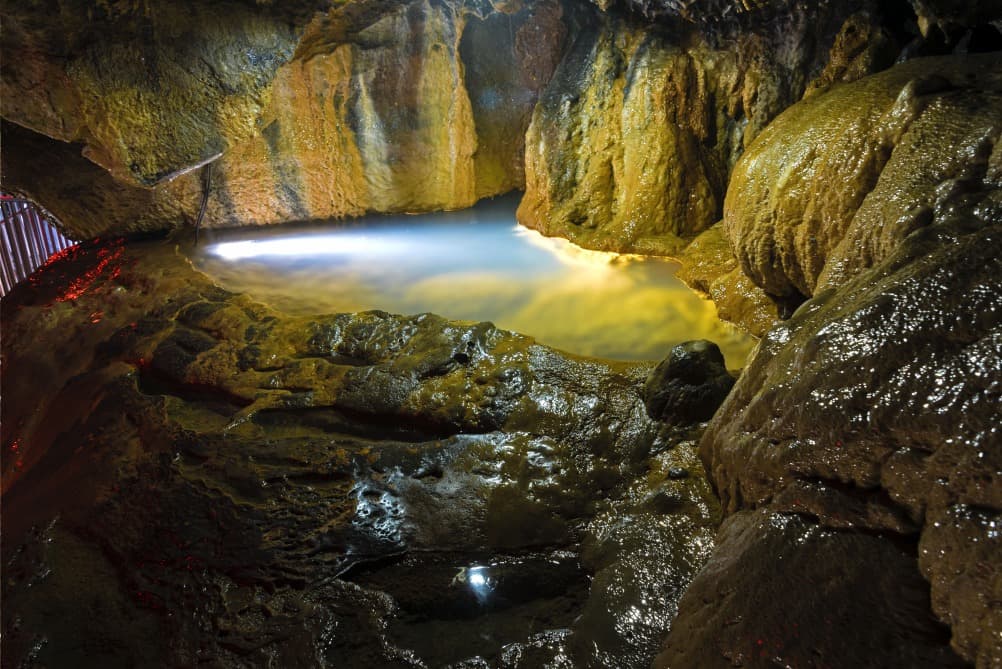
Near Danyang, Gosu Cave unfolds 1.7 km of limestone galleries classified as a natural monument, between spectacular formations and prehistoric remains.
Gosu Cave is located near Danyang, in North Chungcheong Province, South Korea. This limestone cavity, formed over several tens of thousands of years, extends across approximately 1.7 km of developed galleries and carries the nickname "underground palace". Designated natural monument no. 256, it has been open to the public since 1976 and ranks among the country's best-known karstic sites.
Why visit Gosu Cave
The site combines geological interest, archaeological heritage, and accessibility. Metal walkways, spiral staircases, and lighting installations allow visitors to move through a network of chambers with diverse formations without specialized equipment. Visitors will encounter stalactites, stalagmites, draperies, and large limestone columns, some reaching several meters in height. The cave also holds prehistoric significance: raw stone tools discovered at its entrance testify that it served as human shelter several millennia ago.
History and origins
The name Gosu literally means "field of tall reeds", a reference to the tall grasses that once covered the region. The cavity itself remained largely unknown for centuries before being recognized as a site of prehistoric occupation. Excavations at the entrance unearthed raw stone tools and instruments, evidence of ancient human presence.
Following development work, the cave was officially opened to the public in 1976. Its designation as natural monument no. 256 secured its protected status, governing visitor conditions and the preservation of its underground ecosystem.
What to see inside
The route follows a succession of chambers, several bearing evocative names linked to the shape of the formations. Among the remarkable features:
- Manmulsang ("all manner of aspects"): a dense cluster of stalactites and stalagmites located mid-way through, considered the most spectacular section of the cave.
- Buttercup-colored columns reaching approximately 8 meters in height.
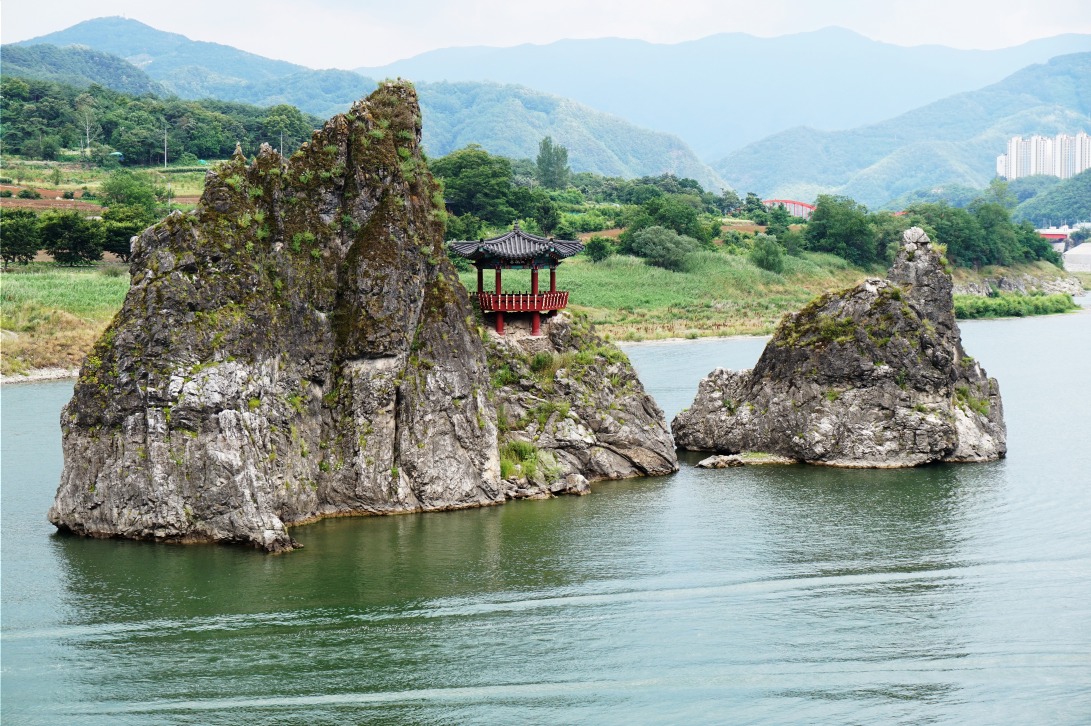
- The Dodamsambong rock, listed among the eight remarkable attractions of the region.
- Formations named after their silhouettes: soaring eagle, Roman palace, lover's rock, feminine silhouette, and lion-shaped boulder.
The cave is also home to underground fauna adapted to darkness and humidity: bats, spiders, arthropods, mollusks, and various invertebrates. This ecosystem partly explains the strict visitor regulations.
Practical information
The interior route requires good physical fitness: the walkways feature successive climbs and descents along the walls, sometimes narrow passages. Wear closed-toe shoes with grippy soles, as humidity makes surfaces slippery. Temperature remains cool year-round, regardless of the season outside; a light jacket is worthwhile even in summer.
Tickets are purchased at the visitor center located at the site entrance. Entry fees are moderate and typically include access to visitor center exhibitions. Hours vary between summer (April–October) and winter (November–March) seasons, with later closing during summer. Check current conditions on-site or through the local tourism office before traveling, as certain access rules (bags, cameras, mandatory lockers) may change.
How to get there
The starting point is Danyang bus terminal. Bus no. 171 connects directly to Gosu Cave. Check frequencies on-site, as service is less frequent outside weekends and holiday periods. The journey is also possible on foot by crossing the bridge from Danyang town center and following the main road.
To reach Danyang from Seoul, the most convenient option is by train to Danyang Station, then by local bus. Consult our guide to Danyang to prepare your stopover.
Nearby attractions
The area around Danyang offers several natural and cultural extensions:
- Sobaeksan National Park, a forested massif ideal for hiking, particularly busy during azalea blooms in spring.
- Guinsa Temple, headquarters of the Cheontae Buddhist order, cascading down a mountainside.
- Danyang town center itself, which runs alongside the Namhan River (South Han) and offers several restaurants serving maeuntang, a spicy fish stew typical of the region.
To expand your itinerary to other sites across the country, you may explore Hahoe historic village, Haeinsa Temple, or Hwaseong Fortress.
Frequently asked questions
Frequently asked questions
The developed network extends approximately 1.7 km. Figures mentioning greater depths correspond to the total development of cumulative galleries, not vertical descent.
The route features numerous narrow staircases and damp passages. It suits children capable of walking independently, but is not recommended for strollers or people with reduced mobility.
Closed-toe, non-slip shoes and warm clothing are recommended, as interior temperature remains cool year-round. Gloves and lockers are typically provided at the entrance.
The cave can be visited year-round thanks to its constant temperature. Spring and autumn are nonetheless more pleasant for combining the visit with surrounding outdoor sites, particularly Sobaeksan Park.
From Danyang bus terminal, bus no. 171 goes directly to the site. On foot, the journey is also possible by crossing the bridge over the Namhan River.
Extend your trip
Gosu Cave fits naturally into an itinerary including Danyang, Sobaeksan, and central peninsula temples. To build a custom itinerary and receive seasonal advice, consult our suggestions for travel in South Korea.
Interested in this visit?
We can include it in your personalised itinerary.