The Hahoe Mask Museum
The Hahoe Mask Museum
At the entrance to the UNESCO village of Hahoe, this Andong museum preserves the Hahoetal masks, National Treasure No. 121, and a collection of ritual masks from around the globe.
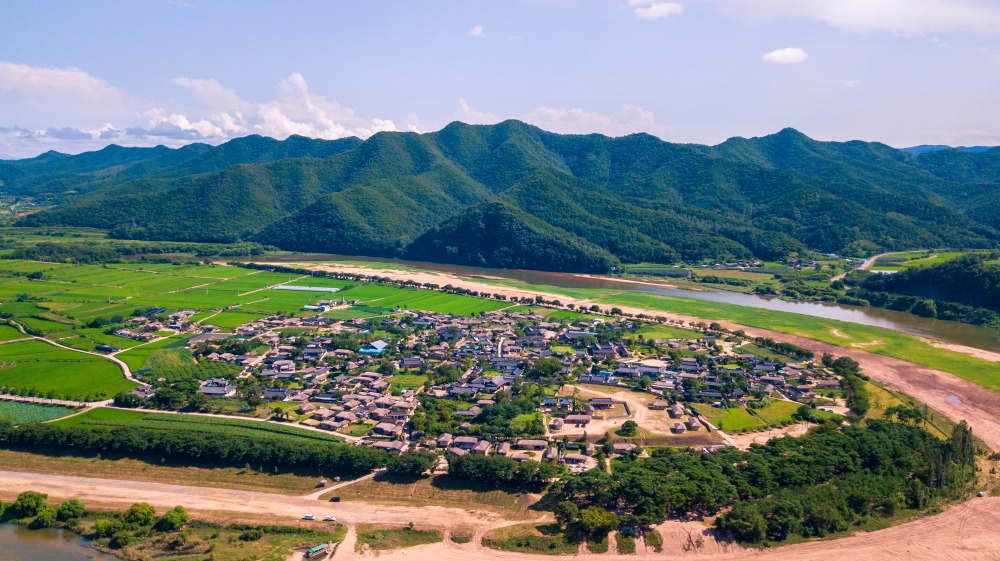
The Hahoe Mask Museum is located at the entrance to the village of Hahoe, about twenty kilometres west of Andong. The site, designated a UNESCO World Heritage location and recognised as Folk Material No. 122, houses one of South Korea's most significant collections of traditional masks, including the celebrated Hahoetal masks, designated National Treasure No. 121.
Why visit the Hahoe Mask Museum
The museum occupies a two-storey building in Hahoe's folk village, the historic birthplace of wooden mask carving in Korea. It brings together nearly 300 pieces, presented as a thematic journey between Korean tradition and ritual masks from other Asian and world cultures. The visit appeals equally to folk art enthusiasts and travellers curious about Korean village rites.
- A rare collection centred on the Hahoetal masks, designated a National Treasure
- Insights into the Hahoe Pyolshin-gut t'al nori dance, intangible cultural property No. 69
- An open workshop where visitors can participate
- An ideal location to combine museum and UNESCO village
History of the Hahoe masks
The masks on display originate from village rituals dating to the 12th century. Originally, the collection comprised 12 human masks and 2 animal masks. Three have been lost over time: Chongak, Byulchae, and Ttuckdari-t'al. The preserved pieces were used during the Hahoe Pyolshin-gut t'al nori dance, a ritual theatre designed to appease village spirits and denounce, under the cover of satire, the failings of Confucian nobility. The Korean government designated the Byeolsingut Tallori dance of Hahoe village as Important Intangible Cultural Property No. 69, recognising its role in preserving folk traditions.
What to see in the museum
The main building
Here the original Hahoetal masks are displayed, the museum's masterpieces. Each mask embodies a character from the ritual play: the fallen monk, the widow, the butcher, the nobleman, the scholar, the young bride. The sculpted expressions, sometimes exaggerated, reflect the satirical function of village theatre.
The international gallery
The second space brings together masks from Asia and around the world: Japan, China, Indonesia, Africa, Latin America. Viewing them side by side helps understand the common functions of ritual masks—transition, transgression, communication with the invisible.
The fabrication workshop
Visitors can participate in a workshop focused on mask-making or painting, usually adapted for families. A rewarding way to extend your visit with hands-on experience.
Practical information
- Visit duration: allow 1 to 1.5 hours; longer with a workshop
- Admission: moderately priced entry; a combined ticket with Hahoe folk village is usually available
- Hours: open daily during daytime hours, with closing in late afternoon (check seasonal hours before visiting)
- Accessibility: two-storey building with stairs to navigate
When to go
Temperatures in Andong range from around 4°C in January to 30°C in July–August, with winters sometimes well below freezing. The most pleasant season runs from May through September. To combine a museum visit with a major cultural event, plan your trip for late September: the Andong Mask Dance Festival runs for about ten days and features outdoor performances, including the Hahoe dance.
How to get there
The museum is located approximately 25 kilometres west of Andong, at the entrance to Hahoe village. Several options are available from the city centre:
- Local bus from Andong bus terminal heading to Hahoe (line 46 has historically served the village; confirm the current number at the bus station)
- Taxi: roughly a thirty-minute journey, practical for groups
- Car rental: the most flexible option for combining Hahoe with other regional sites
Nearby attractions
The museum fits naturally into a day devoted to the Confucian culture of North Gyeongsang:
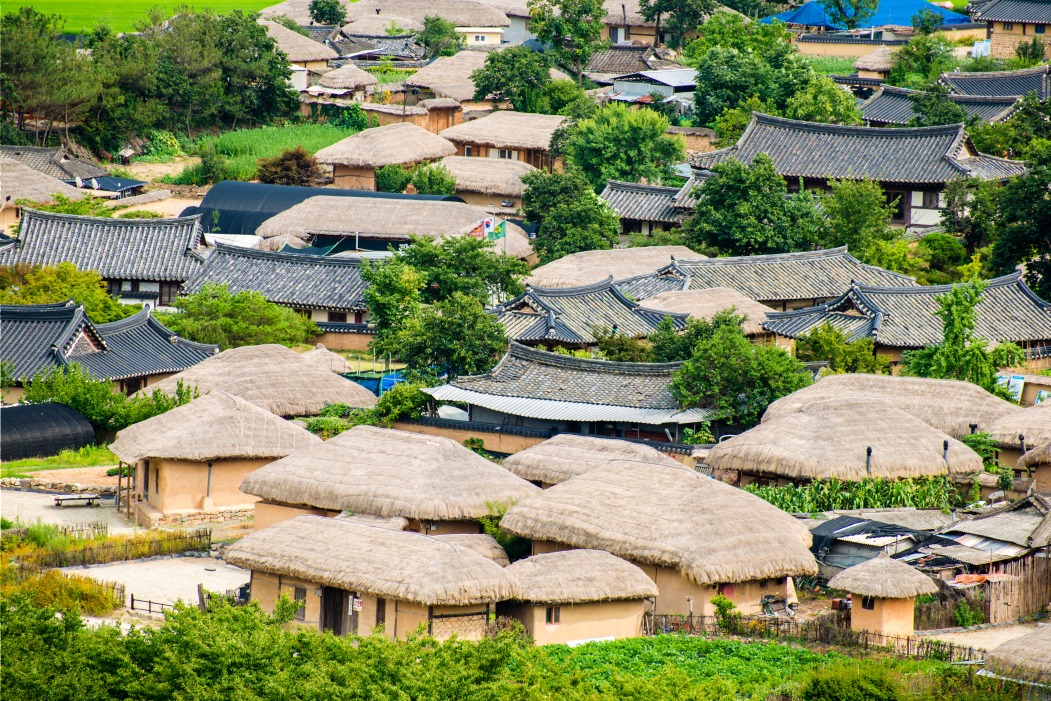
- The Hahoe folk village, just steps from the museum, with its traditional houses and preserved lanes
- The city of Andong and its Confucian academies
- Haeinsa Temple, further south, which houses the Tripitaka Koreana
Frequently asked questions
Frequently asked questions
Yes, especially if you're already visiting Hahoe village. The museum provides the essential context for understanding the masks and the ritual dance associated with them.
Allow 1 to 1.5 hours to see both floors of exhibitions. Add 30 to 60 minutes if you participate in a mask-making workshop.
Yes, the museum is at the village entrance. Half a day allows you to comfortably explore both.
It is held each year in late September, running for about ten days, and includes performances of the Hahoe Byeolsingut Tallori dance.
A local bus connects Andong bus terminal to Hahoe village (historically line 46; confirm on arrival). Taxi remains a simple option, especially for groups.
To integrate Andong and the Hahoe Mask Museum into a complete itinerary, explore our South Korea journeys.
Interested in this visit?
We can include it in your personalised itinerary.