Itaewon
Itaewon
Cosmopolitan neighborhood in Seoul between Namsan and the Hangang River: history, Central Mosque, Leeum Museum, craft workshops and international dining scene.
Itaewon, officially Itaewon-dong, occupies part of the Yongsan-gu district in Seoul. A cosmopolitan neighborhood nestled between Namsan Hill and the Hangang River, it has concentrated the capital's foreign communities for several decades, along with embassies, places of worship of all faiths, and an international culinary scene (Turkish, Indian, Pakistani, Italian, French, German, British, Portuguese cuisines…).
Why visit Itaewon
Itaewon is one of the rare neighborhoods in Seoul where the multicultural fabric genuinely shapes the urban landscape: Central Mosque, halal restaurants, antique dealers, art galleries, Korean craft workshops, jjimjilbang and bars coexist on just a few streets. For travelers, it's a valuable vantage point for understanding how Seoul manages diversity, and a convenient foot-accessible gateway to Namsan Park and N Seoul Tower.
History of Itaewon
Under the Goryeo dynasty (918-1392), Itaewon-dong functioned as a transport hub supplying horses to travelers. The district's role strengthened under the Joseon dynasty (1392-1910), following the transfer of the capital to Hanyang, present-day Seoul. In the 1880s, as Corée du Sud opened to foreigners, embassies and inns established themselves there, permanently anchoring the area's international vocation.
Proximity to the Yongsan garrison, home to the U.S. Forces Korea (USFK), shaped the neighborhood through the twentieth century, creating a fabric of bars and establishments frequented by military personnel. After September 11, 2001, the gradual relocation of military bases and the imposition of strict curfews transformed the atmosphere: many bars closed, replaced by cafés, restaurants and cultural venues.
On October 29, 2022, a crowd crush in an Itaewon alleyway during Halloween night claimed 156 lives. The event marked the neighborhood's collective memory and led to a revision of safety protocols during large gatherings.
What to see in Itaewon
N Seoul Tower (Namsan Tower)
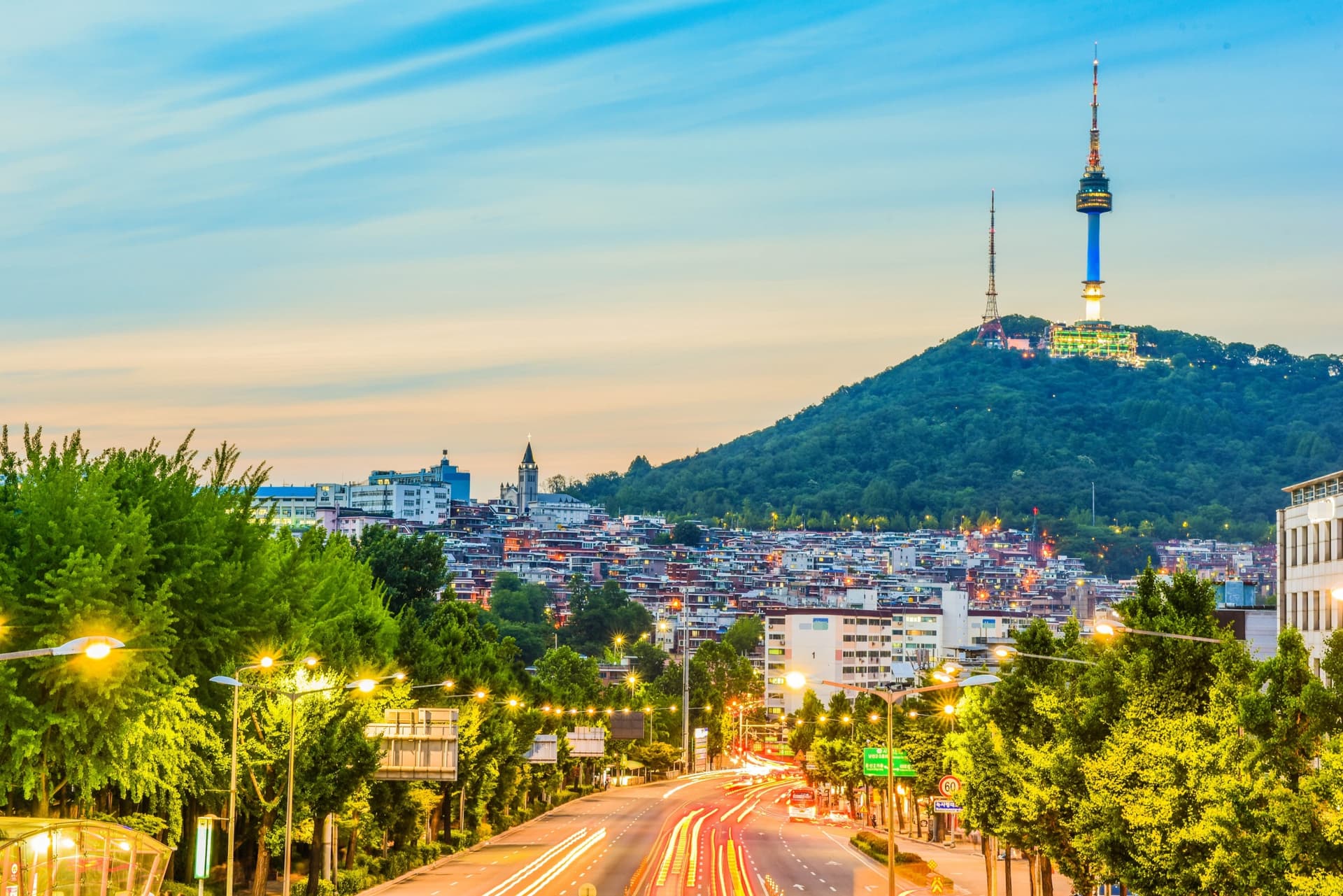
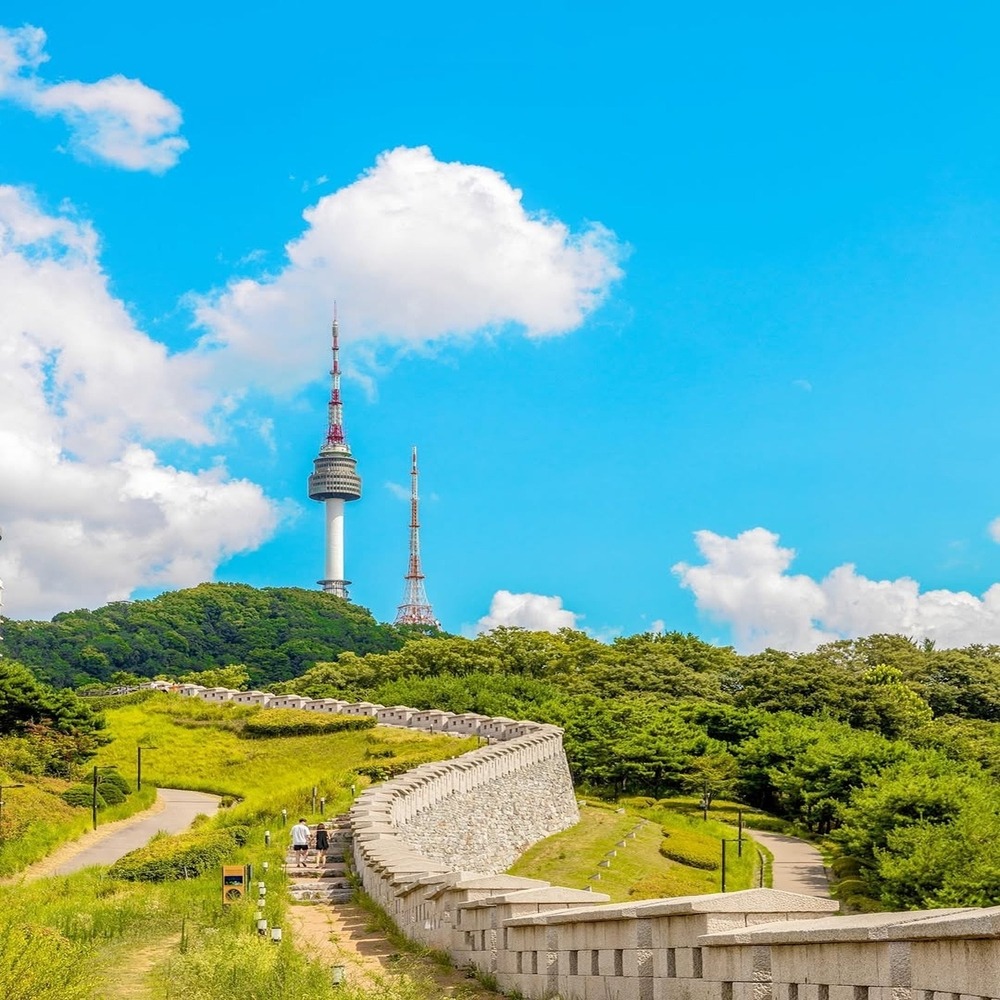
Namsan Tower is reached on foot from Exit 1 of Hangangjin Station. The route passes the Grand Hyatt, which opens wide views over Itaewon, Hannam-dong, the Hangang River and Gangnam, then crosses Namsan Park to the summit.
Itaewon Antique Furniture Street
This street concentrates antique shops and specialized boutiques: traditional Korean furniture, European pieces, vintage clothing and accessories. A useful stroll to understand how objects circulate in a neighborhood historically oriented toward the international.
Leeum, Samsung Museum of Art
This private art museum is operated by the Samsung Foundation of Culture. It comprises two buildings designed by two different architects: one presents traditional Korean arts (ceramics, painting, calligraphy, jewelry), the other is dedicated to contemporary Korean and international art.
Seoul Central Masjid
Built in the late 1970s, Seoul's Central Mosque (Seoul Central Masjid) is the first mosque in Corée du Sud and among the country's largest. Its minarets and Islamic architecture are visible from afar. The surrounding alleys, on the hillside slopes, shelter halal restaurants and bakeries, Middle Eastern supermarkets, cafés and bookstores.
What to do in Itaewon
Itaewon Land, jjimjilbang
Itaewon Land is a large jjimjilbang (traditional Korean spa) located at 34, Usadan-ro 14-gil, Yongsan-gu. The basin water is drawn from approximately 500 meters underground. The facility features salt rooms, flat-stone rooms, red-clay rooms and a traditional sauna—a fitting stop after a day of walking.
Pottery class at Cheolsu's Pottery Workshop
Neighboring the mosque, this small workshop offers a 2-hour class focused on crafting a cauldron-shaped diffuser. The format suits beginners and gives a concrete insight into Korean ceramic technique.
Hanji paper craft workshop
Several workshops in the neighborhood use hanji, traditional Korean paper, to craft accessories: norigae (pendants worn with the hanbok), baessi daenggi (hair ribbon), keychains and wall decorations.
Itaewon Global Village Festival
This annual festival takes place in autumn, typically the second week of October, in Itaewon's special tourist zone. It juxtaposes Korean culture with foreign cultures of the neighborhood: parade, cultural fashion show, free concerts, food stalls. Exact dates should be verified each year.
When to visit Itaewon
Itaewon is worth visiting year-round. Autumn, particularly October, is the liveliest season due to the Global Village Festival and pleasant weather for walking to Namsan. Daytime suits cultural visits (Leeum, mosque, antique dealers); evening reveals the neighborhood's multicultural restaurant scene. The area remains very busy on weekends.
Nearby
Itaewon fits into a broader visit to Seoul. A few metro stops away, the Gwanghwamun district gathers royal palaces and historic institutions. To extend further into fortified heritage, Hwaseong Fortress in Suwon is accessible by suburban train. Further afield, the traditional village of Hahoe and Haeinsa Temple complete a cultural itinerary at the country level.
How to get there
Seoul Metro Line 6 serves the neighborhood via three useful stations: Itaewon (heart of restaurants and main street), Noksapyeong (Yongsan side) and Hangangjin (access to Leeum, Grand Hyatt and trail to Namsan). Several bus lines also serve Itaewon-ro; it's advisable to check current numbers via a Korean transport app (KakaoMap, Naver Map). From Hangangjin, N Seoul Tower is reached on foot via Namsan Park.
Frequently asked questions
Frequently asked questions
The neighborhood remains frequented daily and authorities have reinforced oversight of large gatherings, particularly during Halloween. Standard caution in narrow alleys on busy evenings remains advisable.
Yes. Around Seoul Central Masjid, several halal restaurants and bakeries as well as Middle Eastern supermarkets are concentrated on a few streets. The neighborhood's Indian, Turkish and Mediterranean cuisines also offer numerous vegetarian options.
Afternoon allows you to chain together Leeum Museum, the mosque and antique shops. Evening better captures the neighborhood's culinary and nightlife dimension. For the walk to Namsan, late afternoon is preferable to arrive at the tower at sunset.
Extend your stay in Corée du Sud
Itaewon is just one gateway among many into Korean urban culture. To build a complete itinerary between Seoul, traditional villages and coastal landscapes, consult our trips in Corée du Sud.
Nearby
Interested in this visit?
We can include it in your personalised itinerary.