Magoksa Temple
Magoksa Temple
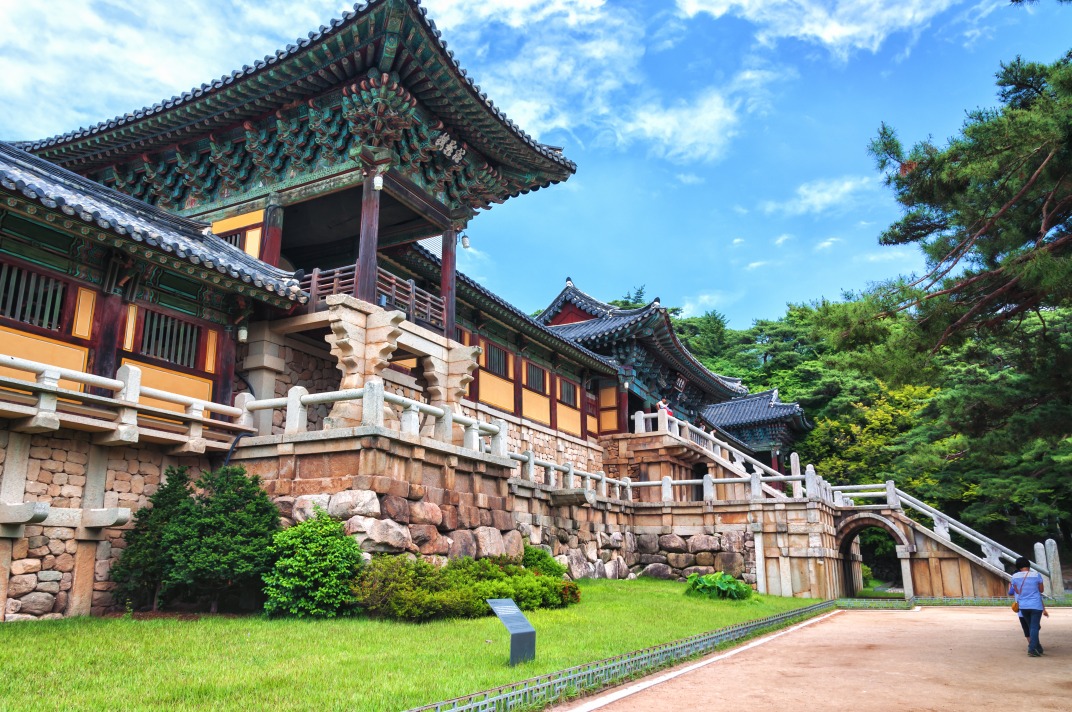
Hub of the Korean Buddhist Jogye order in Gongju, Magoksa temple, a UNESCO site since 2018, unfolds its halls and treasures across the slopes of Mount Taehwasan.
Magoksa Temple is the central hub of the Korean Buddhist Jogye order in Gongju. Nestled against the eastern slope of Mount Taehwasan, it has been part of the UNESCO site "Sansa, Korean Buddhist Mountain Monasteries" since 2018 and participates in the Templestay program, which allows visitors to stay on-site and share in the daily life of monks.
Why Visit Magoksa
- The sixth most important temple of the Jogye order and a major milestone in Korean Buddhism.
- Inscribed as a UNESCO World Heritage site in 2018 among the Korean Buddhist mountain monasteries.
- Multiple national treasures: Daeungbojeon (No. 801), Daegwangbojeon (No. 802), Yeongsanjeon (No. 800), Sakyamuni Gwebultang painting (No. 1260).
- Templestay program for a one- to two-night immersion in monastic life.
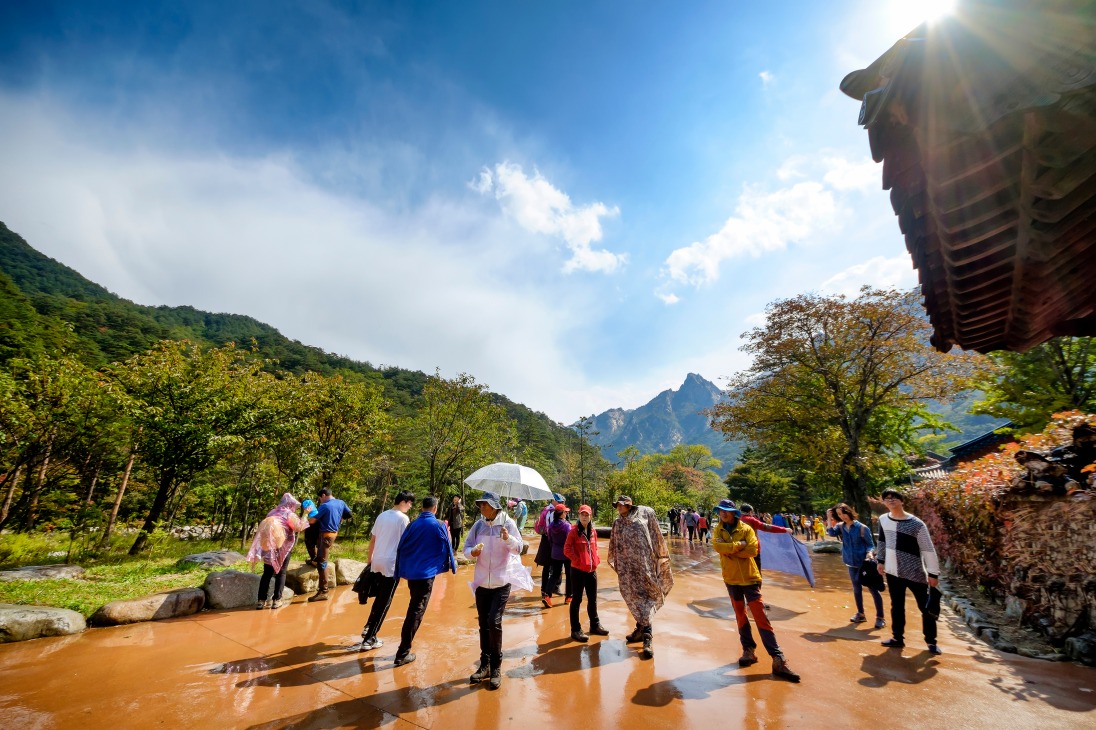
- Mountain setting crossed by a stream, ideal for a contemplative visit.
History of Magoksa Temple
Magoksa was founded in 640 by the Vinaya master Jajang Yulsa on land offered by Queen Seondeok of the Silla kingdom. The same master founded Tongdosa Temple in Yangsan. During the turbulent transition between the Goryeo and Joseon dynasties, the site was abandoned by monks and served as a hideout for bandits for nearly two centuries. In 1172, Ven Jinul put an end to this occupation and undertook the temple's renovation with his disciple Ven Su-u.
King Sejo, who reigned in the 15th century, visited the temple: he left an inscription on the plaque of the Yeongsanjeon hall, and his palanquin, still preserved, was left there. At the end of the 16th century, during the Japanese invasions (1592-1597), the halls Daeungjeon, Yeongsanjeon, and Daejeok-gwangjeon were burned. Reconstruction did not take place until 1651.
At the turn of the 20th century, during the Korean Empire period (1897-1910), the patriot Baekbeom (Kim Gu) found refuge at Magoksa after his escape from Incheon prison. He temporarily lived a monastic life there under the Dharma name Wonjong. He had been imprisoned for killing a Japanese officer who participated in the assassination of Queen Myeongseong, wife of King Kojong. The Baekbeomdang building today commemorates this passage.
What to See On-Site
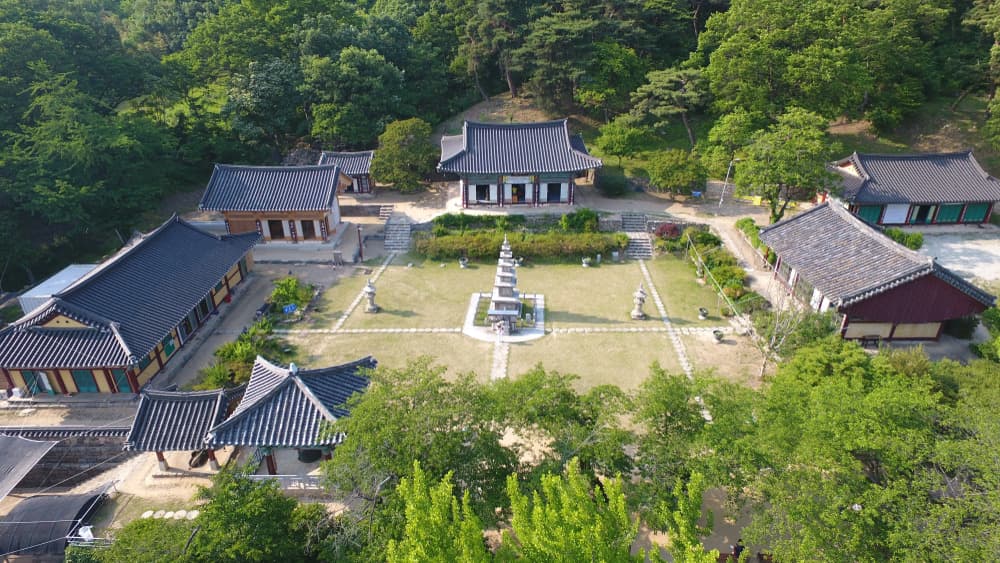
The temple is divided by a stream that separates it into two distinct zones. The northern section, developed first, is bounded by mountainous terrain; development later continued toward the south.
The Southern Zone
Here you will find the Yeongsanjeon hall (treasure No. 800), also called Cheonbuljeon, the main Dharma hall of this section. It houses 1,000 Buddha statues, including seven large ones. Facing it stands the Heungseongnu pavilion, wall-less and flanked by meditation halls Maehwadang and Suseonsa, which are off-limits to visitors to preserve the monks' practice.
The Myeongbujeon hall, open to the public, is dedicated to prayers for the deceased: "Myeongbu" refers to the realm where the dead are judged by the King of Hell. To the right, a path leads to the Sanshingak shrine, which houses a painting depicting an old god and goddess of the mountain accompanied by two tigers. Continuing upward for about ten minutes brings you to Gunwangdae peak, a place believed to be auspicious for the birth of a king.
The Northern Zone
You access it by crossing the Haetalmun gate then the Sacheonwangmun gate, before reaching the Geungnakgyo bridge, from which you can glimpse the Beomjongnu pavilion. Beyond stands a five-tiered stone stupa, featuring Buddhist Rama architecture inherited from the Yuan dynasty, crowned by a golden bronze stupa called Keumdongbotap, as well as the two main halls: Daegwangbojeon (treasure No. 802) and Daeungbojeon (treasure No. 801).
The temple museum displays the Sakyamuni Gwebultang, a Buddha painting classified as treasure No. 1260. The Baekbeomdang building, the refuge of patriot Baekbeom, completes the visit. The Hoowon restaurant is located in the basement, between the main accommodation and the Gwaneumjeon hall.
Practical Information
- Opening hours: daytime admission, generally from morning until late afternoon. Verify current hours before your visit.
- Admission: modest entrance fee, with reduced rates for teenagers and children.
- Visit duration: allow 1.5 to 2.5 hours to explore all the halls and reach Gunwangdae peak.
- Templestay: monastic stay program of one to two nights, by advance reservation.
- Dress code: covering clothing and comfortable walking shoes (stone paths, gentle elevation).
When to Visit
Magoksa can be visited year-round, but the mountain setting transforms its atmosphere by season:
- Spring (April-May): cherry blossoms and magnolia bloom around the stream, mild temperatures.
- Summer (June-August): lush vegetation and cool forest shade, but anticipate the rainy season (July).
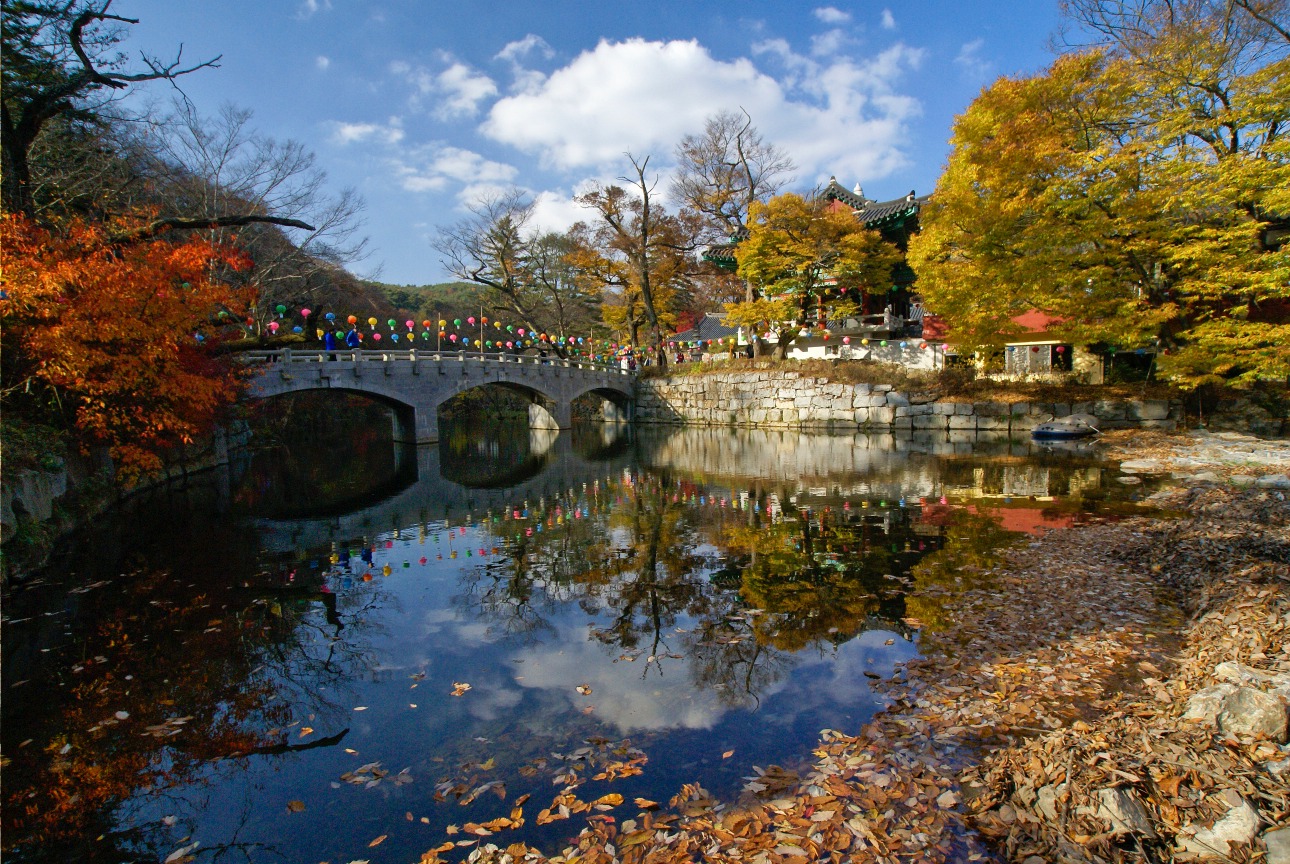
- Autumn (October-early November): the most popular period for the red maple colors on Mount Taehwasan.
- Winter: low crowds, contemplative atmosphere; prepare warm clothing.
How to Get There
The temple is accessible by bus from Gongju bus terminal. Take bus line 7 to its terminus, located near the site entrance. From Seoul, allow approximately 1.5 to 2 hours by express bus to Gongju, then a local connection.
Nearby
To deepen your discovery of Korean Buddhism and regional heritage:
- Haeinsa Temple, another major mountain monastery, keeper of the Tripitaka Koreana.
- Bongeunsa Temple, in Seoul, to compare monastic life in an urban setting.
- Bukchon Hanok Village, in Seoul, for traditional architecture.
- Cheomseongdae Observatory, in Gyeongju, a witness to the Silla kingdom that gave birth to Magoksa.
Frequently Asked Questions
Frequently asked questions
Yes. Magoksa was inscribed as a World Heritage site in 2018, as part of the "Sansa, Korean Buddhist Mountain Monasteries" site, which includes seven temples still in active use.
Yes, the temple participates in the Templestay program. You can book a one- or two-night stay that includes meditation, monastic meals, and participation in ceremonies.
Allow approximately 1.5 to 2.5 hours to explore the northern and southern zones, visit the museum, and climb to Gunwangdae peak.
Autumn, around the second half of October, for the stunning red maple foliage. Spring is also appreciated for its blooms.
From Gongju bus terminal, bus line 7 goes directly to the temple; get off at the terminus.
Include Magoksa in Your Itinerary
Magoksa fits naturally into a circuit centered on Buddhist heritage and Korea's ancient capitals. To build a customized trip that incorporates Gongju and the great mountain monasteries, consult our suggestions for trips to South Korea.
Interested in this visit?
We can include it in your personalised itinerary.