Manjanggul Lava Tube
Manjanggul Lava Tube
Stretching 13 km and UNESCO-listed, the Manjanggul lava tube in Gujwa on Jeju Island shelters a 7-meter lava column and a vast bat colony.
Located in Gujwa municipality, east of Jeju-do, the Manjanggul lava tube extends for approximately 13 km, making it one of the world's longest lava tunnels. Designated a natural monument and inscribed on the UNESCO World Heritage list since October 9, 2015, it offers a rare glimpse into the volcanic phenomena that shaped the island.
Why Visit Manjanggul
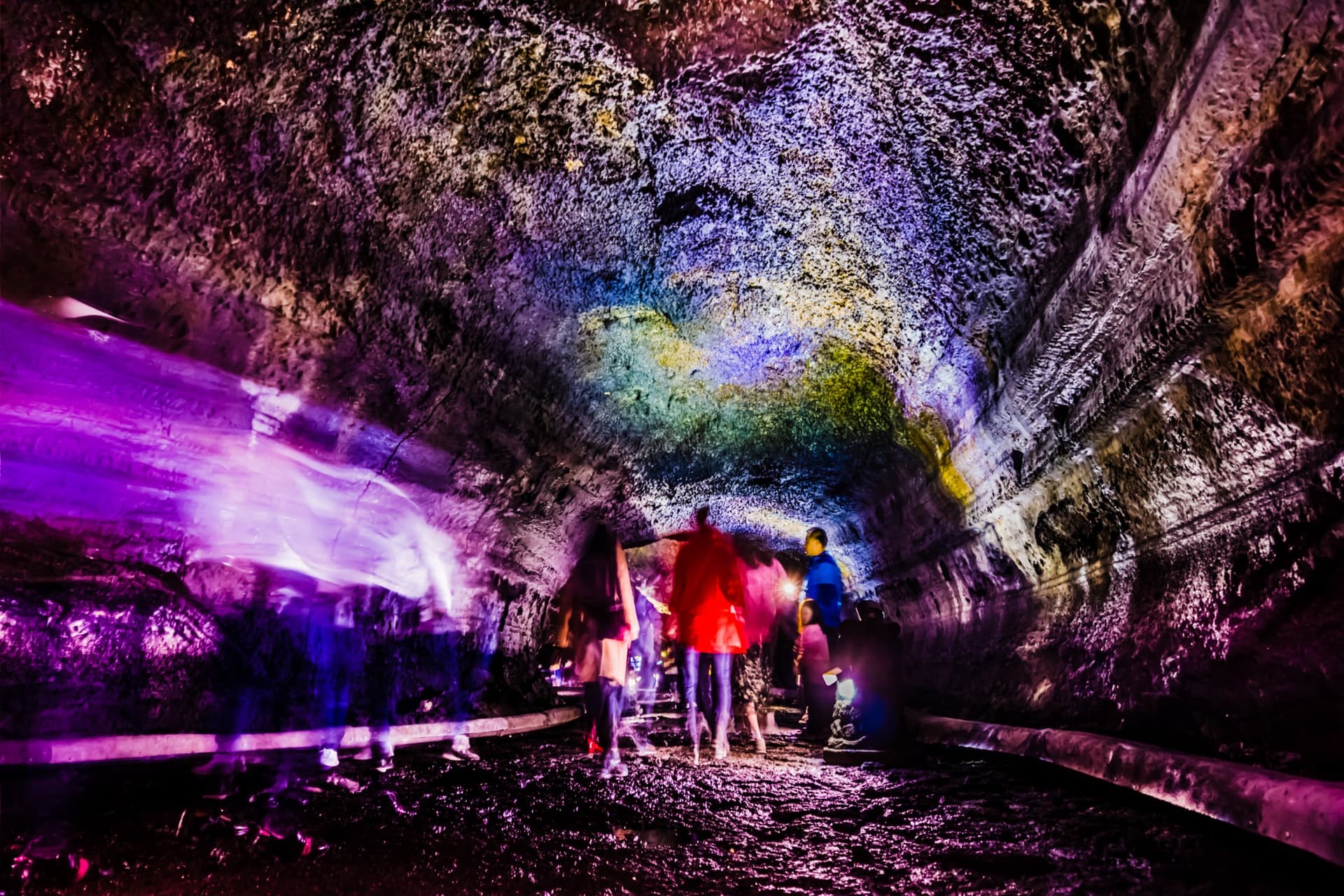
Manjanggul combines several exceptional characteristics within a single lava tube: a circumference varying from 3 to 20 meters, a total length of 13 km, and a 7-meter-high lava column, considered one of the world's largest. The gallery also harbors a significant bat colony (over 30,000 specimens recorded) and underground fauna documented by 38 identified species in the vicinity.
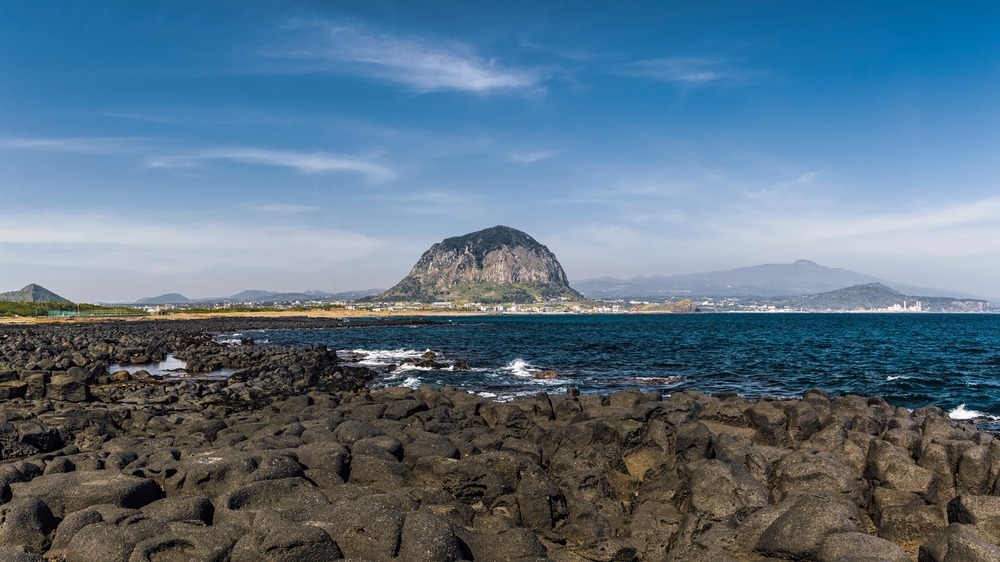
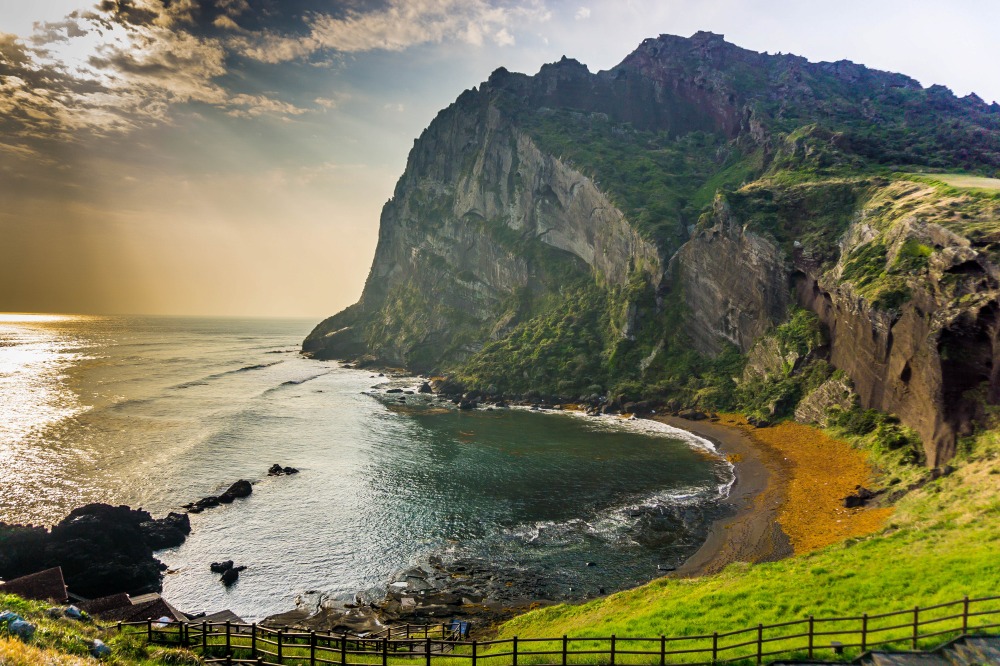
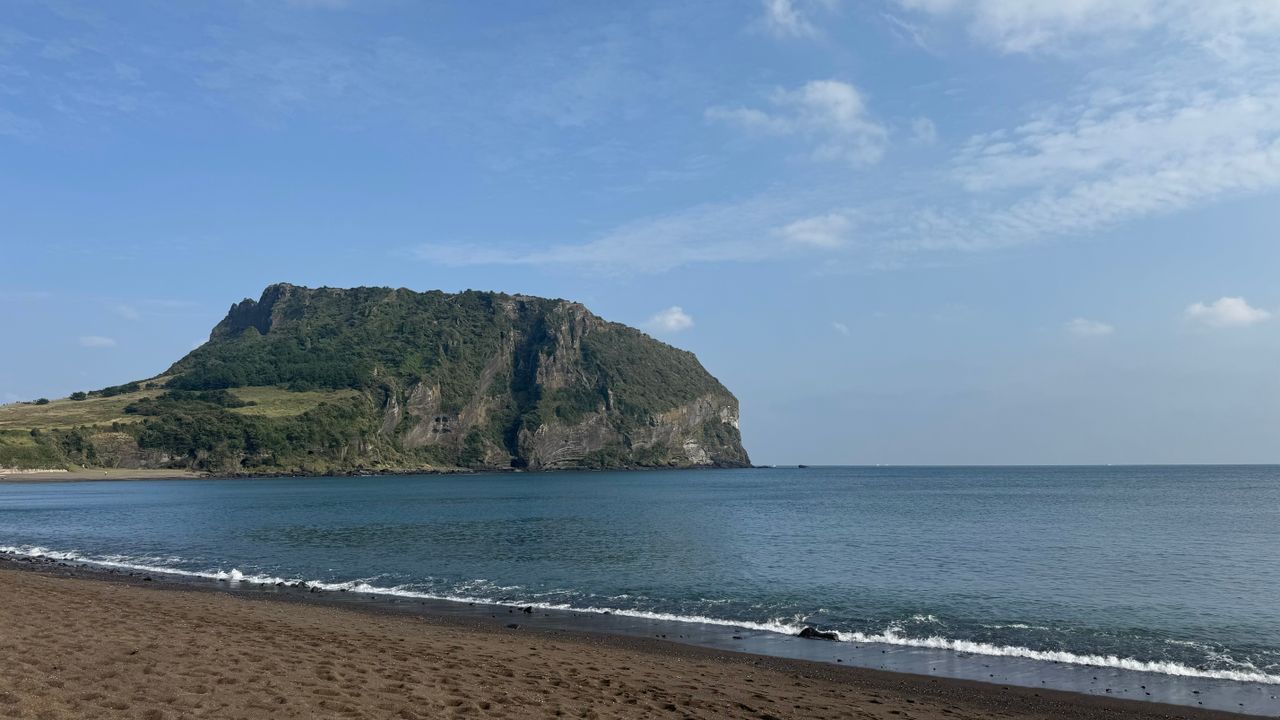
The site is part of Jeju's volcanic complex, inscribed on the UNESCO list. It logically complements a visit to the island, alongside coastal landscapes and emergent volcanic cones.
History and Geological Formation
The tunnel formed approximately 200,000 to 300,000 years ago during an eruption of Geomunoreum volcano. The basaltic lava flow, cooling on the surface while continuing to flow beneath, carved this long natural conduit. The result is a gallery system where walls and ceiling preserve the imprints of the original flow.
Manjanggul was discovered in 1947 and partially explored beginning in 1976. Today, approximately 1 km of the tube is electrified and accessible to the public; the remainder of the network is reserved for scientific research to preserve cavernous fauna and fragile structures.
What to See Inside the Tunnel
The entrance is marked by a dolharubang, the characteristic figure carved from volcanic rock found throughout Jeju. The descent into the conduit is via a staircase, and interior temperature remains between 11 °C and 21 °C year-round.
- Stone Turtle: a lava formation whose silhouette evokes Jeju Island itself.
- The Great Lava Column: 7 meters high, it formed through lava accumulation between the tunnel's two levels.
- Lava Stalactites and Stalagmites: distinct from typical limestone formations, they result from the direct cooling of basalt.
- Lava Walls and Crusts: the tube's flanks bear marks of successive flow levels.
- Cavernous Fauna: the bat colony lives primarily in sections closed to the public; some can be observed near the boundaries of the accessible zone.
Practical Information
The public route measures approximately 1 km one way, or 2 km round-trip. Plan for 1 to 1.5 hours of exploration depending on pace. The ground is damp and uneven: wear sturdy closed-toe shoes (sneakers or light hiking boots) and bring a windbreaker, as water drips from the ceiling.
Admission is reasonably priced, and parking is available on-site for standard vehicles and tour buses (modest parking fee). Guided tours are offered during the day to better understand the site's geological context.
When to Go
Manjanggul is open year-round, generally from 9 a.m. through late afternoon (earlier closing in winter). The site may occasionally close for maintenance or wildlife protection: it is recommended to verify opening status before your visit.
The tunnel's advantage is its stable temperature: it offers comfortable exploration both during summer heat (July-August) and Jeju's windy winter. Rainy periods do not affect the underground experience, making it a reliable option in poor weather.
How to Get There
Manjanggul is located in northeast Jeju, approximately ten kilometers from Gimnyeong.
- Bus 990 from Ilchulbong, Manjanggul cave stop (frequency roughly every 20 minutes, confirm locally).
- Bus 101 connecting Donggwangyang to Gimnyeong Elementary School (service approximately every 30 minutes), then taxi for the final kilometers to the tunnel.
- Rental car: the most flexible option to combine Manjanggul with other northeast island sites.
Nearby and Throughout South Korea
Manjanggul fits naturally into a circuit around Jeju and can be complemented by other major sites across the country:
- Jungmun Saekdal Beach, on Jeju's south coast.
- Cheomseongdae Observatory in Gyeongju, another UNESCO-listed site.
- Haeinsa Temple, home to the Tripitaka Koreana.
- Magoksa Temple, beautifully positioned in Chungcheong Province.
Frequently Asked Questions
Frequently asked questions
Incorporating Manjanggul into Your Journey
The Manjanggul lava tube fits naturally into a circuit around Jeju Island and can be combined with volcanoes, beaches, and fishing villages along the eastern coast. To build a custom itinerary, explore our South Korea travel ideas.
Interested in this visit?
We can include it in your personalised itinerary.