Namdaemun
Namdaemun
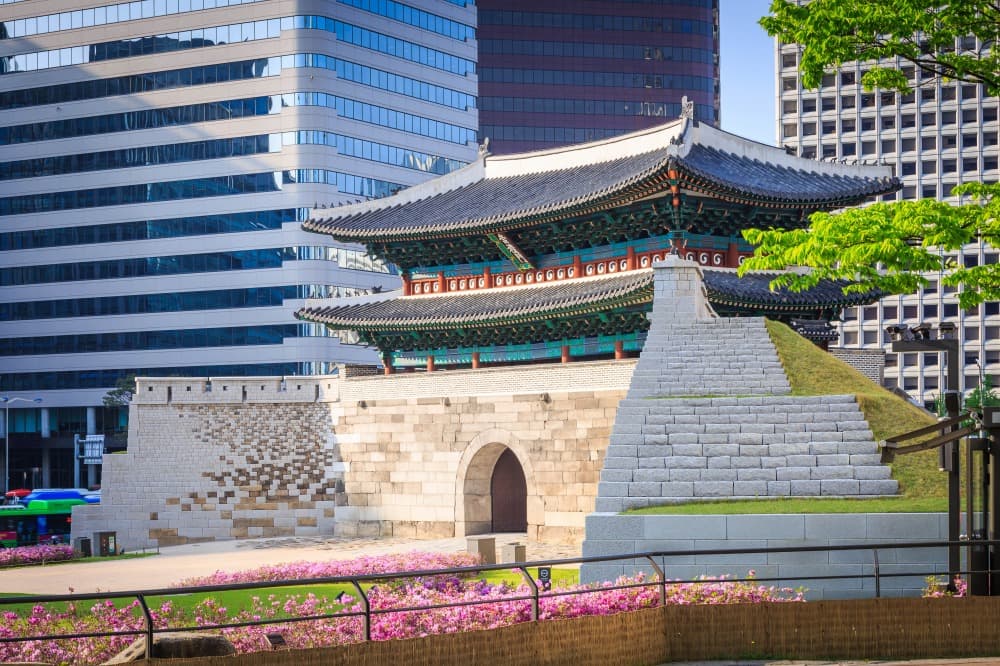
Namdaemun, or Sungnyemun, is the great southern gate of Seoul and South Korea's first national treasure, designated in 1962.
Namdaemun, also known as Sungnyemun, is one of the major historic gates of Seoul. Once among the three principal gates in the city's fortification walls, it held the title of oldest wooden structure in South Korea until 2008. Designated the country's first national treasure in 1962, it remains an iconic landmark in the heart of the capital.
Why visit Namdaemun
The gate encompasses multiple layers of Korean history: military architecture from the Joseon Dynasty, traces of Japanese colonial rule, memories of the Korean War, and recent restoration efforts following the 2008 fire. The visit is brief—just a few dozen minutes outdoors—but fits naturally into a broader itinerary that includes the traditional market nearby and the great gates in the northern part of the city. Access is free, and the gate can be admired from the surrounding plaza.
History
The gate was constructed between 1395 and 1398 during the reign of King Taejo of Joseon. It served three primary functions: receiving foreign dignitaries, controlling entry into the capital, and protecting the city from Siberian tigers that roamed the surrounding mountains. The structure was rebuilt in 1447 under King Sejong the Great and underwent several modifications over subsequent centuries.
In the early 20th century, the fortification walls surrounding Namdaemun were demolished during a visit by Japan's crown prince, who could not pass through with his head held high. The gate was subsequently closed temporarily in 1907 to allow for the installation of a streetcar line. It sustained significant damage during the Korean War before being repaired.
On February 10, 2008, around 8:50 p.m., the wooden upper pavilion caught fire. More than 360 firefighters were mobilized, but the flames consumed the entire wooden structure. The investigation established that the arsonist was Chae Jong-gi, who was already accused of setting fire to Changgyeong Palace in 2006. The restoration cost was estimated at approximately 14 million dollars. The site reopened to the public in 2013 after five years of work.
What to see
The name "Namdaemun" means "great southern gate," referring to its position south of the 18.2-kilometer fortification wall that surrounded Seoul. The gate is built of granite blocks and features an arched entrance. With a pagoda-style design, it is topped by a two-story pavilion measuring five kan long by two kan wide—the kan being a traditional unit of measurement corresponding to the distance between two pillars.
A few elements to observe on-site:
- The granite masonry of the base, which remained intact despite the 2008 fire
- The pavilion's framework, rebuilt using traditional Korean construction techniques
- Roofing details (tiles, dougong) typical of Joseon architecture
- The pedestrian plaza that allows you to walk all the way around the monument
Practical information
The exterior of the gate is freely and freely accessible at all hours. Access to the upper pavilion is restricted and subject to specific opening hours; it is best to verify the current conditions on the day of your visit through the Seoul Tourism Office, as these may change.
Plan around thirty minutes to walk around the monument, longer if you continue on to the Namdaemun market just nearby.
How to get there
Namdaemun is located in the Jung-gu district, in the heart of Seoul.
- Subway: Seoul Station (lines 1 and 4, AREX line to the airport) is approximately 250 meters away, exit 4
- Alternative stations: Hoehyeon (line 4) and City Hall (lines 1 and 2) are also nearby
- On foot: the gate is easily connected to the main downtown districts by pedestrian thoroughfares
Nearby
A visit to Namdaemun combines well with other sites in central Seoul:
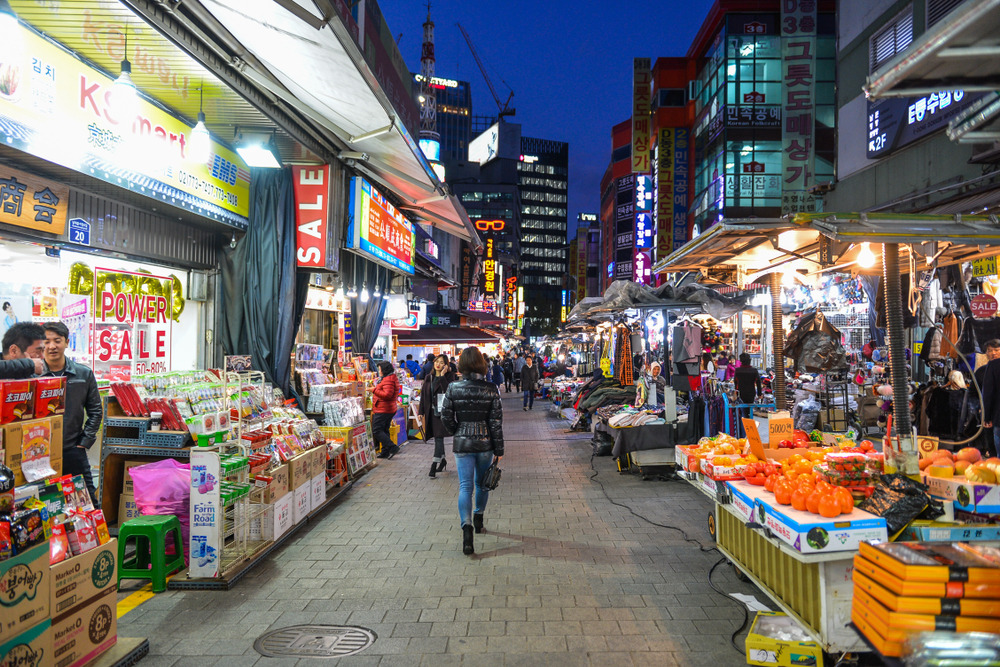
- The Namdaemun traditional market, immediately adjacent, one of the capital's largest markets
- Gwanghwamun, the great gate located to the north, in front of Gyeongbokgung Palace
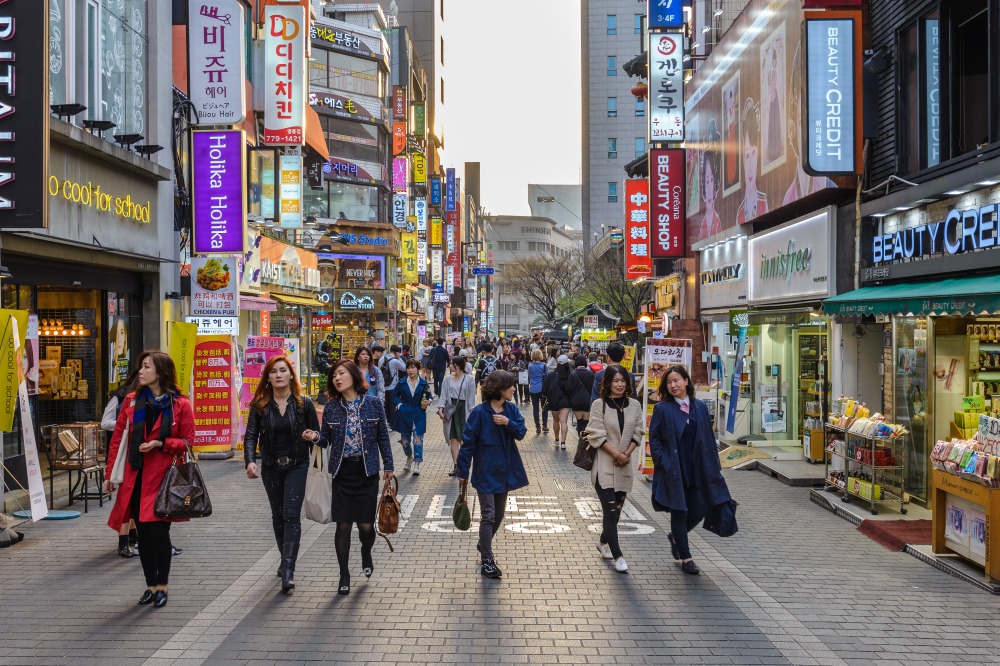
- Myeong-dong, a shopping district a few subway stops away
- Insa-dong, for its art galleries and craft boutiques
Frequently asked questions
Frequently asked questions
The plaza around the gate is freely accessible. Access to the upper pavilion is restricted and depends on the schedule of guided visits set up by the authorities. Inquire on-site or with the tourism office.
No, viewing the gate from the outside is free.
The granite base survived the flames. The wooden pavilion, however, was completely consumed and rebuilt between 2008 and 2013 using traditional Korean construction techniques.
Yes, the Namdaemun traditional market is located right next to the gate. The two visits flow naturally into each other and allow you to combine historical heritage with the local commercial atmosphere.
Around thirty minutes is enough to walk around the monument and photograph it. Allow 1 to 2 additional hours if you explore the neighboring market.
Plan your trip
Namdaemun fits easily into a tour of discovery in Seoul, alongside the royal palaces and major markets. To build a coherent itinerary, consult our trips to South Korea.
Nearby
Interested in this visit?
We can include it in your personalised itinerary.