Three Must-Try Dishes to Escape the Heat of Chili Pepper in Seoul
Tasting Asian cuisine is one of the main motivations for a traveler exploring the eastern continent. Yet in Asia, and particularly in South Korea, this culinary art is generall
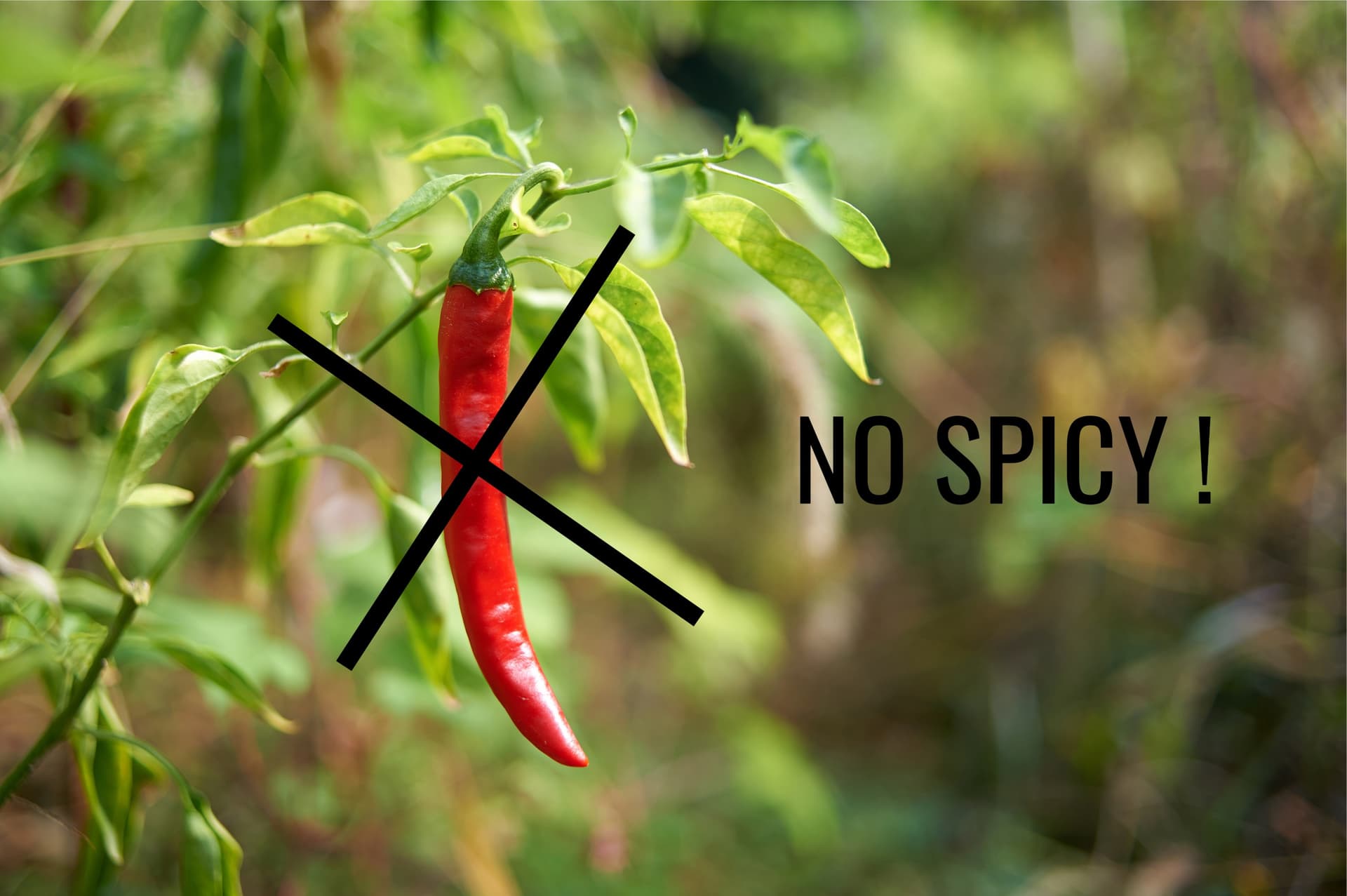
Tasting Asian cuisine is one of the main motivations for a traveler exploring the eastern continent. Yet in Asia, and particularly in South Korea, this culinary art is generally sprinkled with an ingredient that deters a large portion of the Western population: chili pepper. A matter of habit and culture. In Seoul, if you're not a fan of this fiery condiment, you'll surely struggle to escape the burning sensations in your mouth and throat. Unless...
Don't worry. You won't be the first Western travelers to set foot on South Korean soil. The vivid red color, coupled especially with the taste—fiercely masked by chili-infused flavors—of Korean dishes has already frightened more than a few of them. Others appreciate this approach to working with spices. But the vast majority has had time to warn and caution about what one can taste in Seoul in particular. Koreans know this and have learned to adapt certain of their dishes to a clientele less accustomed to heat. The influence of other cultures in the Korean capital, due to migration and globalization, has certainly helped reinforce this desire for culinary adaptation. This doesn't mean you'll find dishes without spices at every street corner, but it will be possible for you to eat according to your preferences while remaining within an authentically Korean and Asian culinary setting. Here are some tips and recommendations to enchant, surprise, and transport your taste buds without overwhelming them.
Bulgogi
The sovereign dish of Korean cuisine. Every traveler worth their salt should arrive in South Korea having already noted and checked bulgogi in their travel journal! "Fire meat," its literal translation, has been anchored in Korean culinary culture for millennia. Each region, each street has its own way of preparing it. The cooking method for the meat varies, as does the meat itself: thin slices are cut from the most tender parts of pork, chicken, or beef. It's bovine meat that Koreans traditionally use to prepare bulgogi in its original, primary form. The concept is straightforward: grill these pieces of meat that have been previously marinated in a sweet and savory sauce made with soy sauce, brown sugar, garlic, apples, or pears. Once cooking is complete, you can now wrap the meat in a lettuce leaf and savor it in the proper way—all at once, without biting! Korean rice is also an excellent accompaniment if the dish has simply been cooked in sauce.
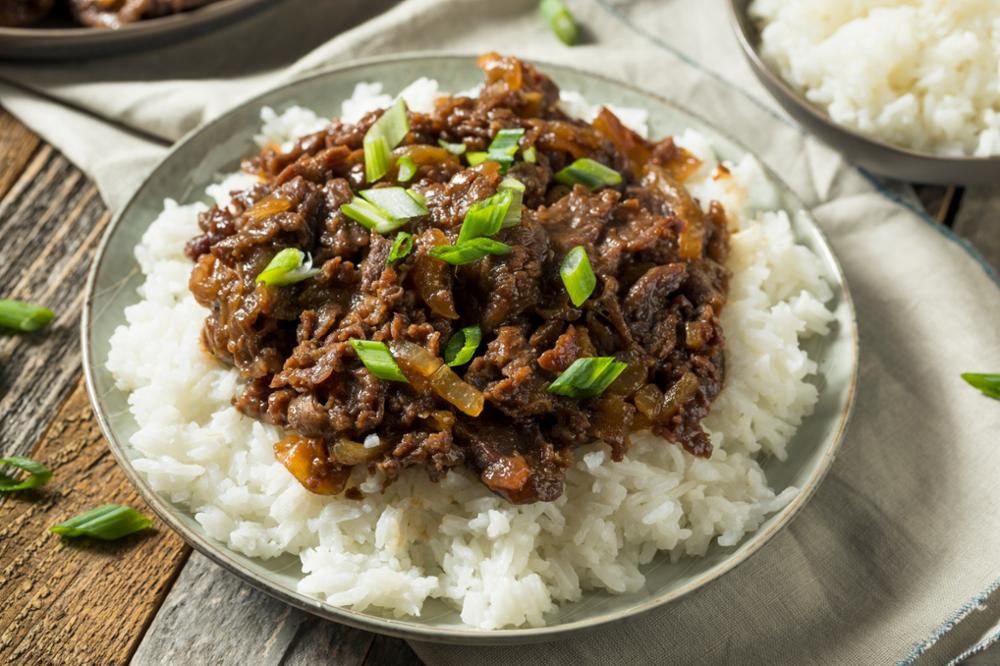
The restaurant Old School Bulgogi located in western Seoul is known for offering excellent value for money with sufficiently generous portions of bulgogi. If you're seeking impeccable quality and willing to pay accordingly, you can head to the restaurant Tuppul Deungshim, located right in the heart of the capital in the Yongsan-gu district.
Jajangmyeon
Originally invented by Chinese nationals a century ago, this noodle dish, having become quintessentially Korean through its local adaptation, is typically consumed in large quantities on Black Day, April 14th, Singles' Day. The noodles are mixed and served in a sauce made from fermented soy sauce, onions, and beef. Accompanied by a vegetable medley of carrots and potatoes, this dish is hugely popular with Western travelers. Surely because of the absence of chili pepper.
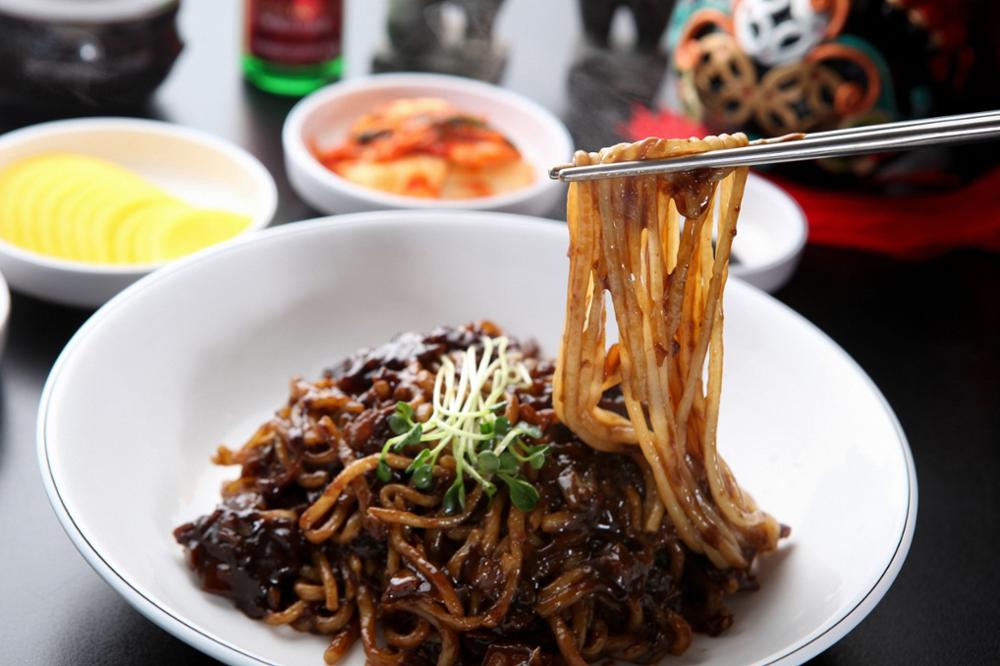
You can savor this dish at certain Seoul restaurants, notably at Sinseonggak, an establishment that is highly original and authentic. It stands out first for the quality of its noodle preparation and the flavorful addition of cabbage. The nostalgic atmosphere and the delight its cuisine provides give the place undeniable charm. But be warned—you must respect certain rules: no alcohol, no smoking inside, bring your own water beforehand, and no card payments. These guidelines are truly worth following.
Tteokguk
This authentic dish of South Korean culture is perfect for soup lovers! Asia is a continent that elevates soup to the status of an essential dish to enjoy several times a week. Tteokguk is very famous in South Korea because it's consumed in large quantities on New Year's Day, between January 21st and February 20th each year. This soup brings, according to Korean belief, good luck and an extra year of life to anyone who consumes it on that day. Far from being spicy, it contains pieces of sticky rice cake immersed and cooked in beef broth. Marinated meat, eggs, and seaweed are added for seasoning. Once again, an authentically Korean dish that will awaken your senses.
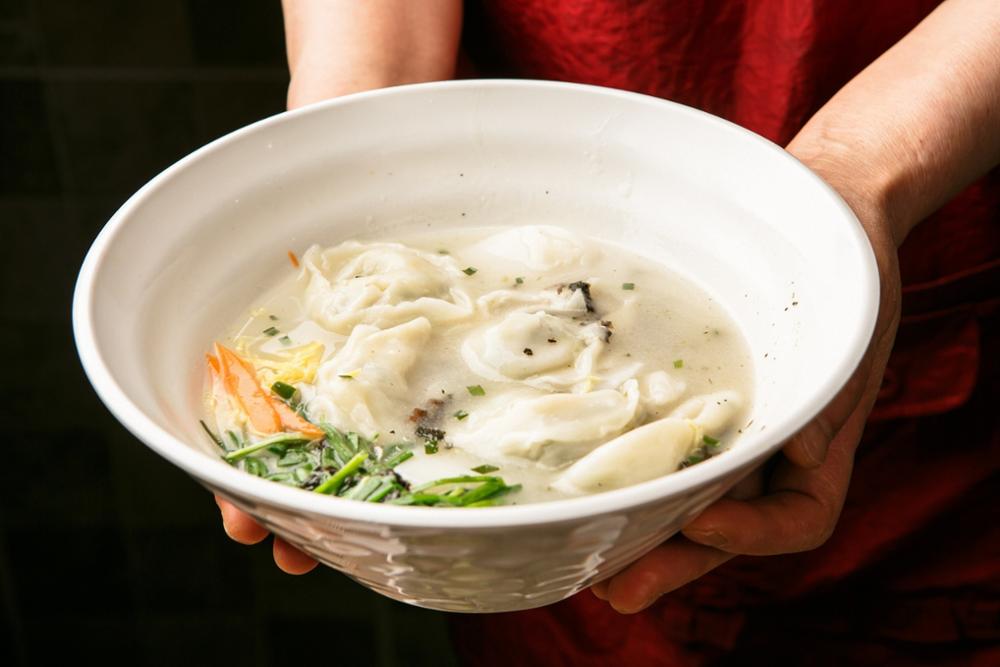
The restaurant Koong located at the northern edge of Seoul's downtown area in the Jongno-gu district offers an open kitchen setting where you can watch the Chef's work. This professional atmosphere is ideal for tasting an exceptional tteokguk for the first time.
Frequently asked questions
No, bulgogi is generally mild or not spicy at all. This meat marinated in a sweet-savory sauce made with soy sauce, garlic, and brown sugar is one of the most accessible Korean dishes for travelers unaccustomed to chili pepper.
The restaurant Sinseonggak in Seoul is a highly appreciated address for tasting authentic jajangmyeon. Be aware that the establishment has some specific rules: no alcohol, no card payments, and no smoking inside.
Tteokguk is a traditional Korean soup made of sticky rice cakes cooked in beef broth, enhanced with marinated meat, eggs, and seaweed. Non-spicy, it is particularly consumed during the Korean New Year between January 21st and February 20th.
Yes, it is entirely possible to eat in Seoul without chili pepper. Dishes like bulgogi, jajangmyeon, and tteokguk are mild or non-spicy and allow you to discover authentic Korean cuisine without suffering from the heat of chili pepper.
For excellent value for money, the Old School Bulgogi restaurant in western Seoul is a reference. For a high-end experience, the Tuppul Deungshim restaurant in the Yongsan-gu district is recommended for the impeccable quality of its bulgogi.