What to do and see in Seoraksan National Park?
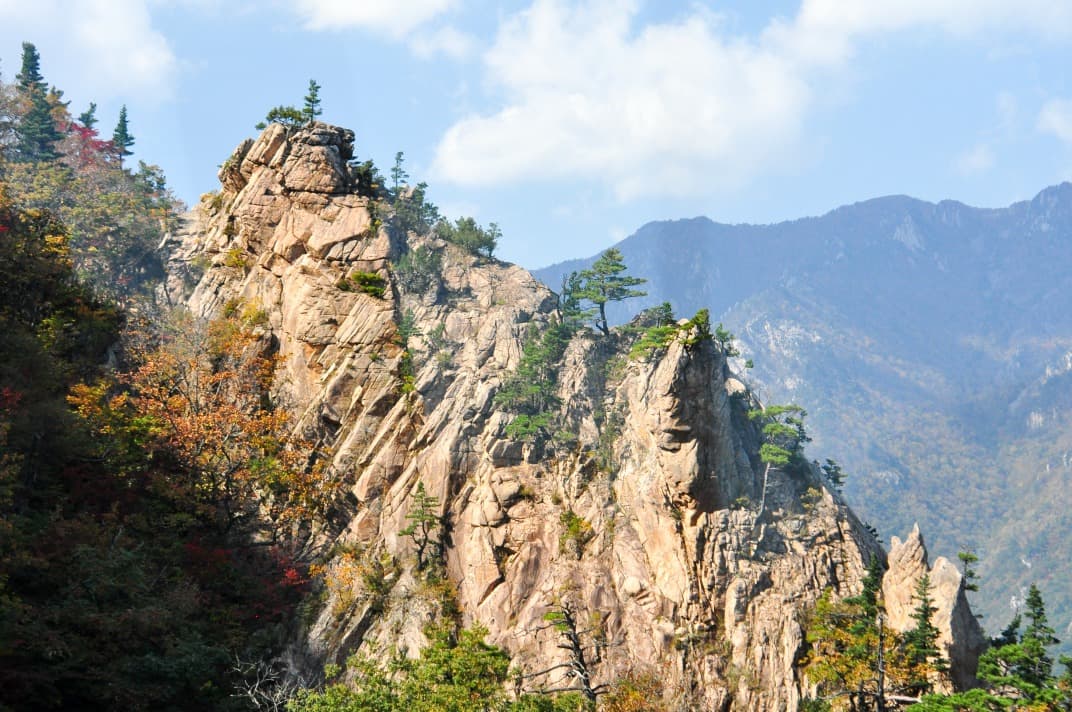
Located in the northeast of the country, near the city of Sokcho, Seoraksan National Park is one of South Korea's most stunning parks. With its numerous peaks, distinctive rock formations, rivers and
Located in the northeast of the country, near the city of Sokcho, Seoraksan National Park is one of South Korea's most beautiful parks. Between its numerous peaks, distinctive rock formations, rivers and waterfalls, its fauna and flora, the park was even designated as a biosphere reserve by UNESCO. And beyond its many natural attractions, you'll also find some historic religious buildings… Discover the major attractions to see during a visit to Seoraksan National Park.
Hike to the summit of Ulsanbawi
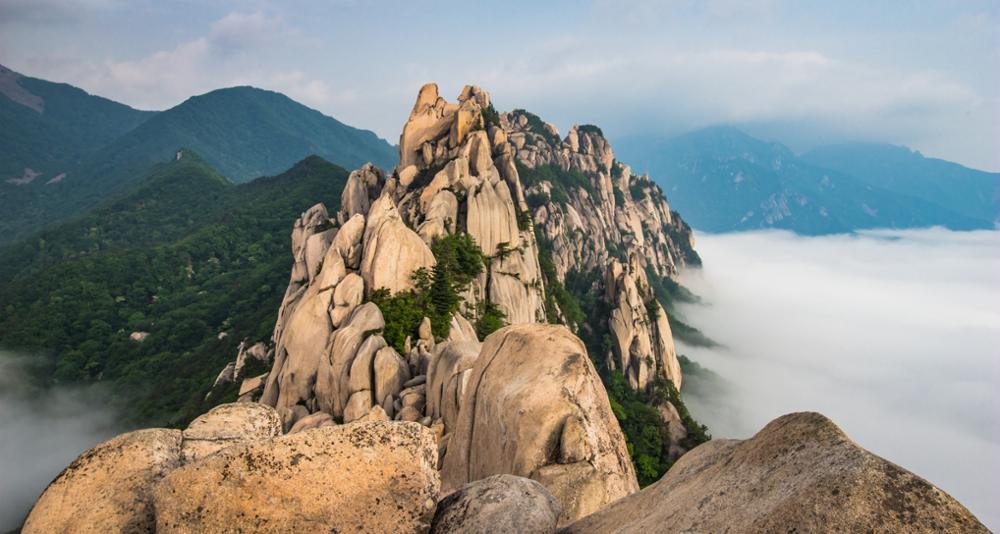
Translated as 'the rocks of Ulsan', Ulsanbawi is composed of 6 peaks and reaches an altitude of 873 metres. Reaching the summit of this rock formation means enjoying a spectacular panoramic view across the sea, mountains, forests and the city of Sokcho. The good news? The hiking trail leading to the summit of Ulsanbawi passes through other points of interest in the park (we discuss them further in the article). Expect approximately 8 km of hiking round trip. While the hiking trail is not difficult in itself, the final section is more challenging as it consists of 800 steps!
Visit the Sinheungsa and Gyejo-am temples
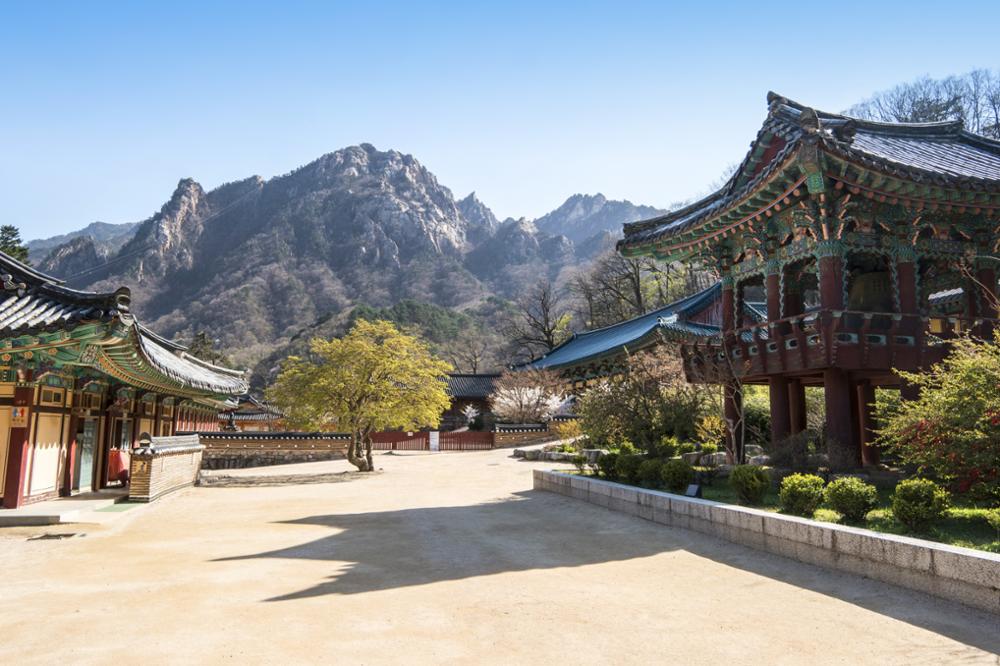
Located on the hiking trail to the summit of Ulsanbawi and just 15 minutes from the park entrance, Sinheungsa Temple is the main Buddhist temple in Seoraksan National Park and one of the oldest Zen temples (its construction dates back to 653!). A little further on, you'll also find Gyejo-am Hermitage. While smaller than the former, this temple has the distinction of being built inside a cave.
Try to rock the famous Heundeulbawi boulder
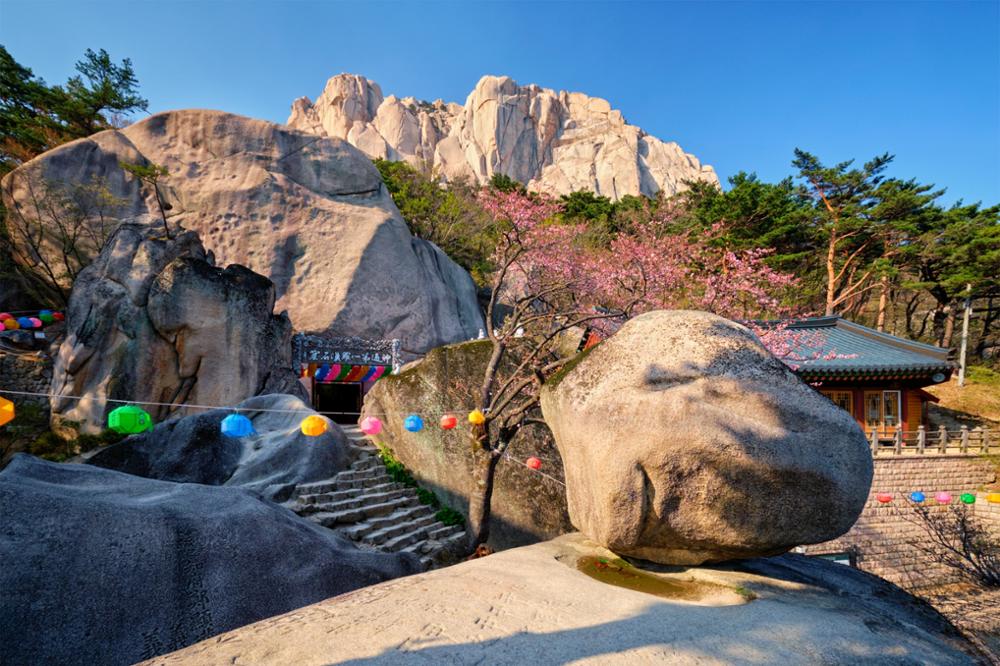
Near Gyejo-am Hermitage stands the most sought-after rock in the park: Heundeulbawi. Spherical in shape and measuring approximately 5 metres high, it balances on another rock. It's an attraction in itself as thousands of people enjoy posing beside it and trying to make it wobble. Fortunately, thanks to its weight of approximately 15 tonnes, no one has ever succeeded!
See the great bronze Buddha statue
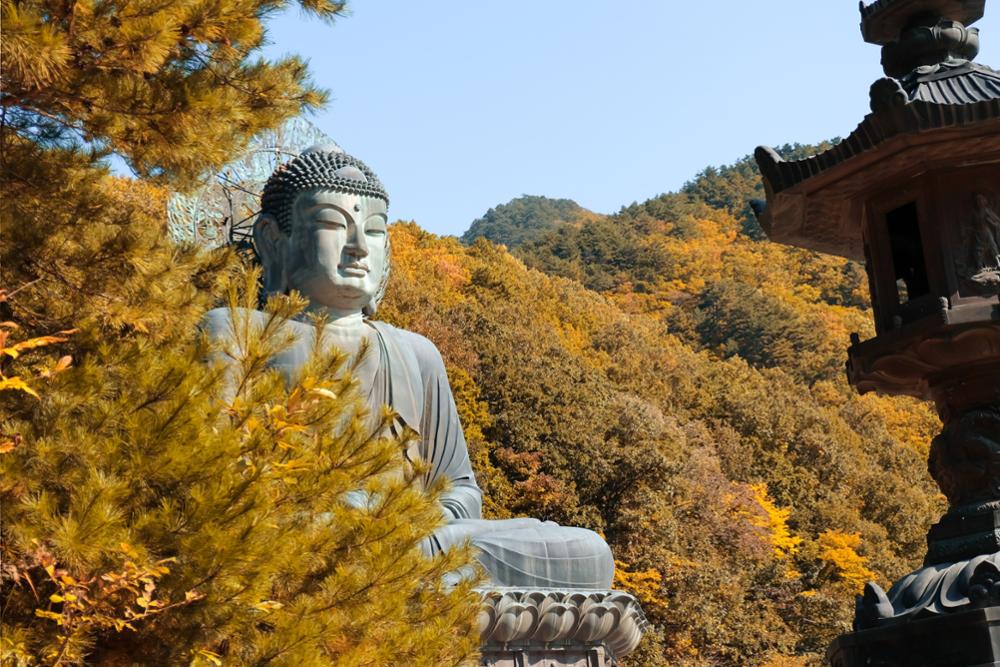
Located below Sinheungsa Temple and attached to it, stands an impressive bronze Buddha statue. Called Tongildaebul in Korean and translated as 'Buddha of the Great Reunification', it was inaugurated in 1997 and represents the Korean people's will to reunify the country. Seated in a meditation position, the Buddha stands no less than 15 metres high!
Cool off near the waterfalls
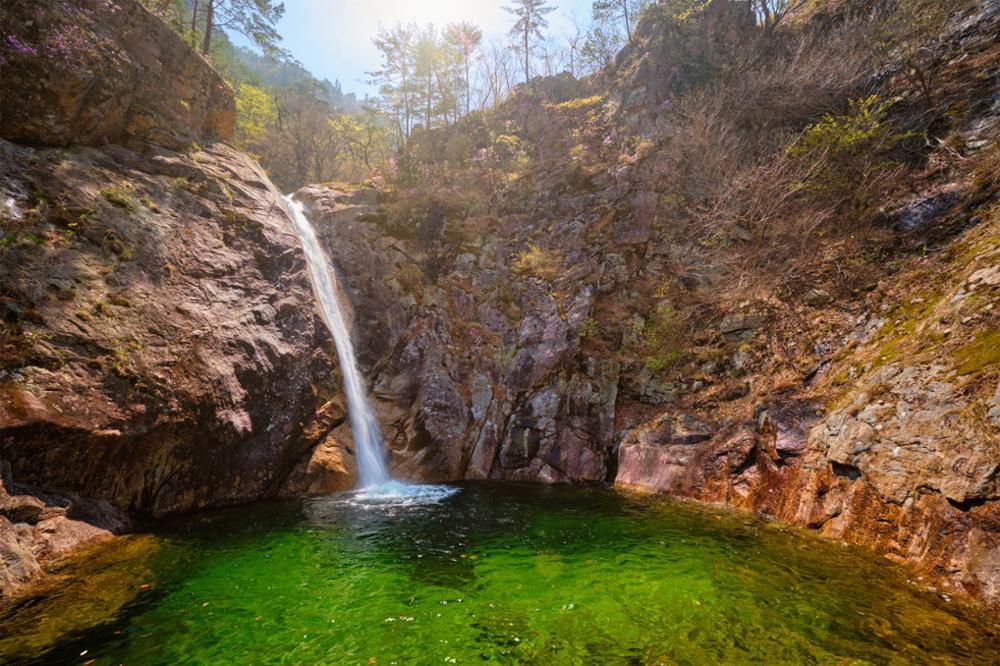
Beyond the hiking trails, viewpoints and temples, Seoraksan National Park also features lovely waterfalls. The most famous are Yukdam and Biryeong. The paths to reach them add to the magic of the place. Suspended bridges, lush nature, small streams… An opportunity to refresh yourself while taking a break. Note that swimming is forbidden!
Climbing Daecheongbong Peak
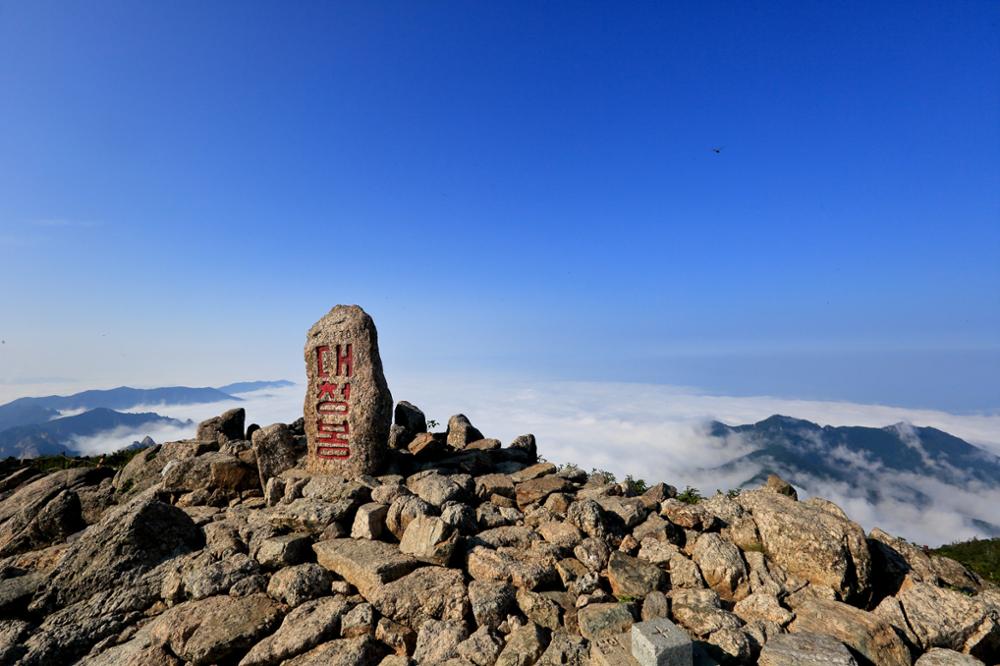
Attention adventurers and experienced hikers, the ascent of Daecheongbong Peak is perfect for you! Located at 1,708 metres altitude, it's the highest peak in the park and the third highest peak in South Korea. Expect approximately 16 km of trail starting from Sogongwon. For your information, it's possible to sleep in a mountain shelter near the Oryeon Falls.
In any case, this hike allows you to observe rare varieties of wild flowers as well as numerous birds and other wildlife. The landscapes change colour with the seasons: snow-covered in winter, multicoloured in spring and summer, vibrant hues in autumn... In other words, all seasons are ideal for visiting Seoraksan National Park!
Frequently asked questions
From Seoul, you can reach Seoraksan National Park by express bus from the Dong Seoul terminal (approximately 2.5 hours) or by intercity bus from Gangnam Station. The park is located near the city of Sokcho, in the northeast of South Korea.
Seoraksan National Park is beautiful all year round. Autumn (October-November) is particularly popular for its vibrant foliage colours. Winter offers spectacular snow-covered landscapes, while spring and summer showcase lush, multicoloured nature.
Entrance to Seoraksan National Park requires an admission fee. Prices vary depending on which area you visit (Outer Seorak or Inner Seorak). Contact the park authorities for current rates, which may change from year to year.
The hike to the summit of Ulsanbawi is approximately 8 km round trip. The trail is generally accessible, but the final section requires climbing 800 steps, making it more physically demanding. Bring good hiking shoes and plenty of water.
No, swimming is prohibited in Seoraksan National Park, particularly near the Yukdam and Biryeong waterfalls. However, you can enjoy these sites to refresh yourself and rest during your hike.
Heundeulbawi is an iconic attraction in Seoraksan National Park. Spherical in shape and measuring approximately 5 metres high, it balances on another rock. Weighing approximately 15 tonnes, no one has ever managed to make it wobble despite countless visitor attempts!