Stay in a Hanok, a cultural experience in South Korea
An ancestral construction, the Hanok is the traditional house of Koreans. It is made from natural materials and always integrates perfectly with the surrounding landscapes. Inside, everything
An ancestral construction, the Hanok is the traditional house of Koreans. It is made from natural materials and always integrates perfectly with the surrounding landscapes. Inside, everything is designed to soothe body and mind. What if you took advantage of your trip to South Korea to sleep in a Hanok ? We tell you more about this extraordinary experience…
The Hanok, the traditional house of South Korea
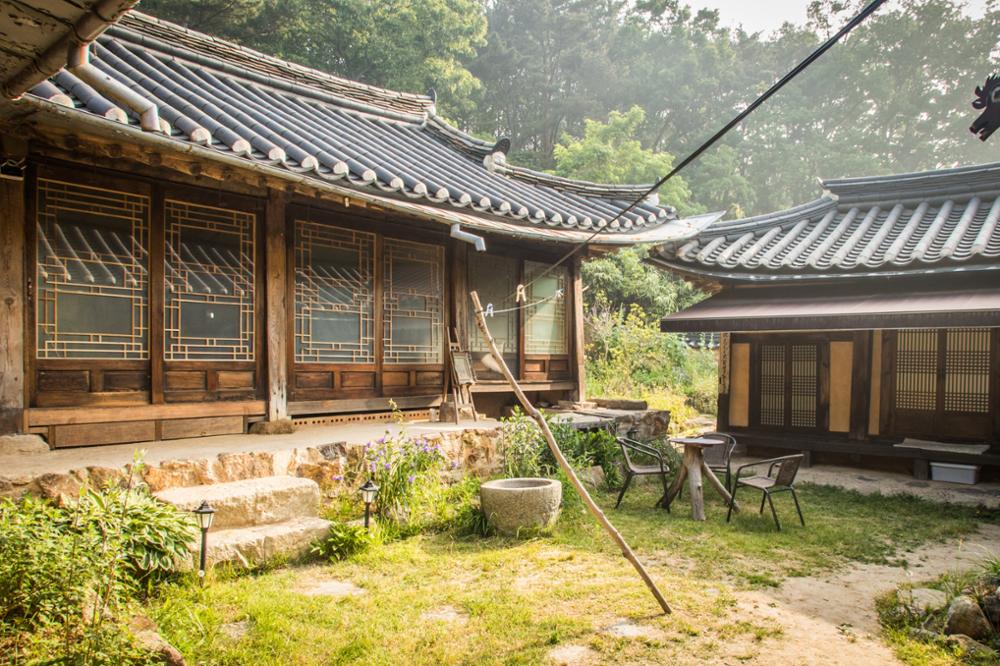
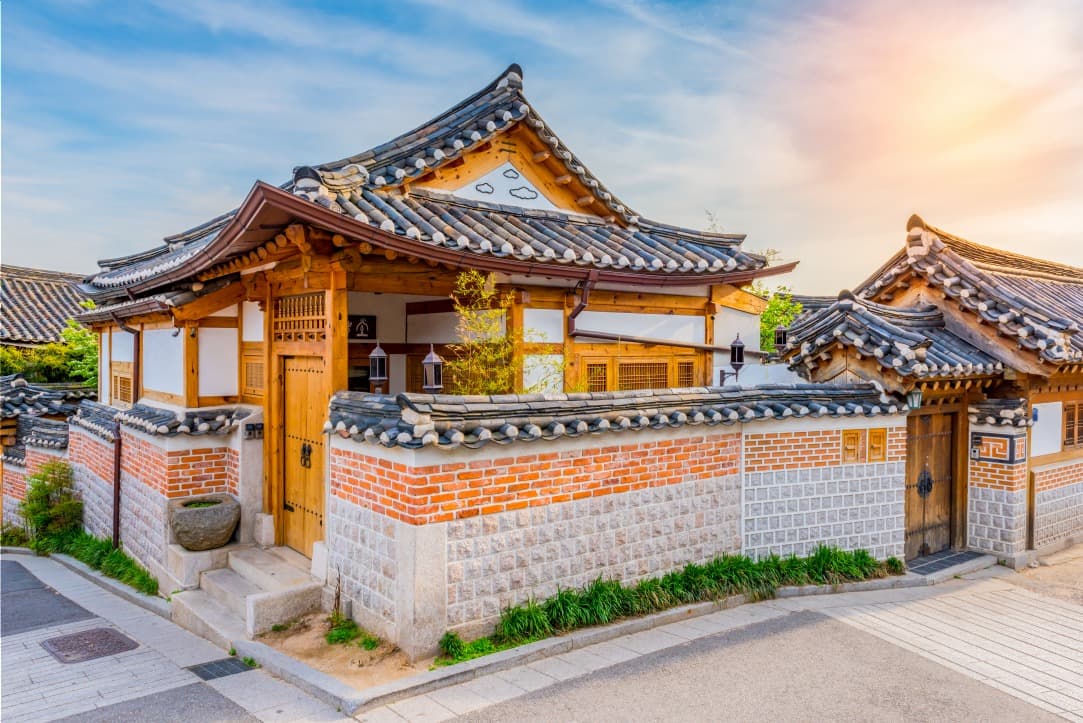
Originally, Hanoks reflected the social class of their inhabitants. While the roof of Hanoks belonging to nobles and aristocrats was covered with black clay tiles, finely crafted, the roof of Hanoks belonging to farmers was made from rice straw.
Similarly, several forms of Hanok are found depending on the regions of the country. In the warm regions of the south, the Hanok takes the shape of a 'U' or an 'L'. Its distinctive feature lies in the fact that it is very open to the outside. In the mountainous regions of the North where the climate is colder, Hanoks are rectangular in shape and more sheltered from air currents.
While several types of Hanok can be identified, these houses all share one thing in common : they aim to be in harmony with nature and blend perfectly with the surrounding environment. Built from natural materials, they are considered ecological dwellings. The frames and beams are made of wood, the walls are often made of brick and wattle and daub, and mulberry paper is placed on the windows and interior partitions to create more intimate spaces without blocking light. Even the heating system, called Ondol, allows for energy savings !
A stay in a Hanok, an experience not to miss !
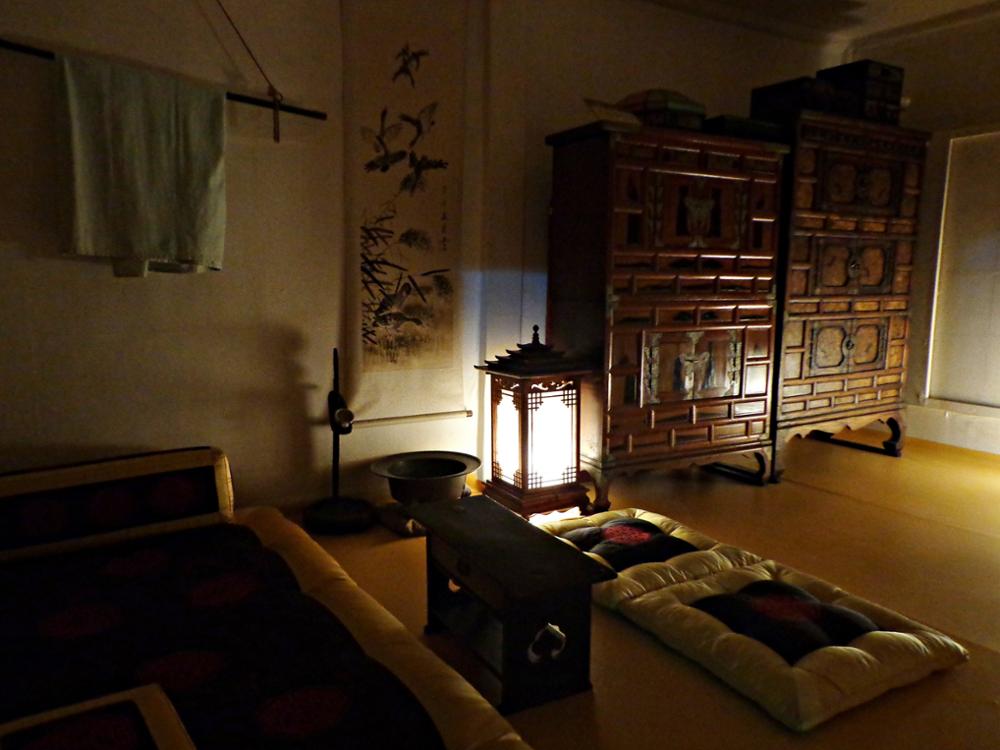
While traditional houses have gradually been replaced by more modern constructions, Koreans make a point of preserving this architectural heritage. Thus, many Hanoks have been saved and restored. Beyond dwellings, some Hanoks have been transformed into art galleries, museums, tea rooms, restaurants or even… guesthouses ! And that's exactly what interests us !
Because sleeping in a Hanok is experiencing immersion in traditional Korean culture. It's also an opportunity to treat yourself to a return to your roots in a home where everything is designed according to feng shui principles. Nature is omnipresent, furnishings are minimalist, and everything is designed to be functional. You will probably sleep on a futon, learn to live at floor level, and exchange with locals over tea or a traditional Korean meal ! Between traditions, hospitality, sharing and exchange, there's no doubt that a stay in a Hanok holds wonderful surprises during a trip to South Korea.
Where to sleep in a hanok in South Korea ?
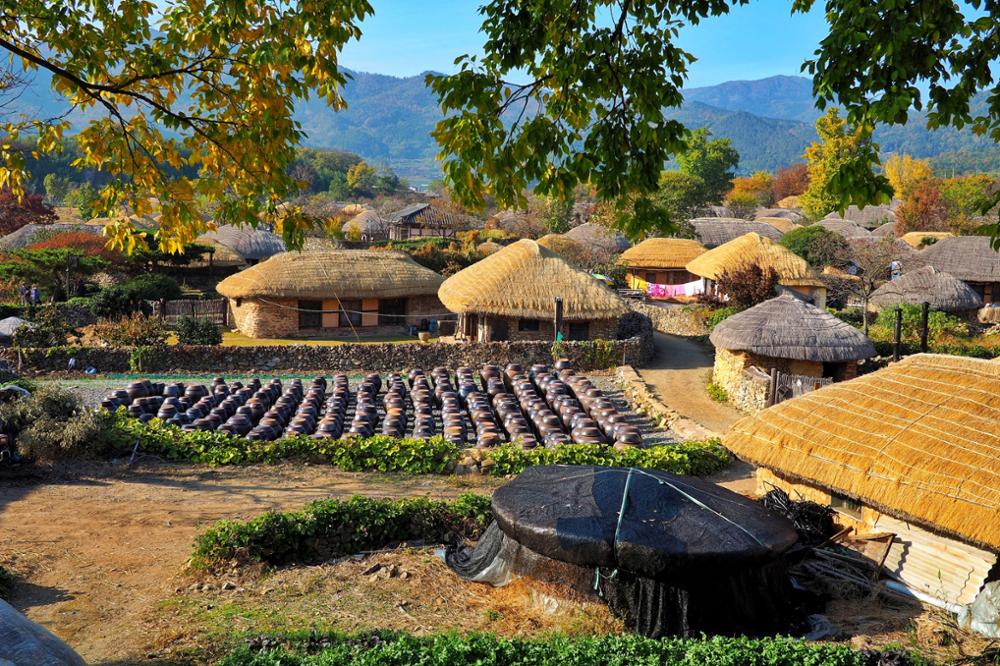
There would be over 500 Korean Hanoks in which it is possible to spend a few nights. The most well-known tourist site is undoubtedly the old quarter of Jeonju, a city located in the southwest of the country. But you will also find still authentic places like the Hahoe village in Andong, still inhabited by 250 residents and nestled between mountains and river. On the Seoul side, the capital is not far behind ! Nearly 100 Hanoks open to the public can be found there. The most famous are located in the Bukchon Hanok village in Jongno-gu. Overlooking the capital, this small village, 600 years old, offers an idyllic setting to relax away from urban hustle and bustle…
Frequently asked questions
A Hanok is a traditional Korean house built from natural materials such as wood, brick and wattle and daub. Unlike a hotel, staying in one is a true immersion in culture: you sleep on a futon placed on the floor, heated by the Ondol system, in a minimalist setting designed according to feng shui principles.
There are over 500 Hanoks open to travelers in South Korea. The most famous are found in the old quarter of Jeonju in the southwest, in the Hahoe village in Andong, and in Seoul, notably in the Bukchon Hanok village in the Jongno-gu district, which has nearly 100 Hanoks accessible to the public.
Spring (April-May) and autumn (October-November) are ideal seasons to stay in a Hanok. The weather is mild, the landscapes beautiful (cherry blossoms or red foliage), and traditional villages are particularly lively during Korean cultural festivals.
Yes, a few simple rules apply: you must remove your shoes before entering, avoid sitting on low tables meant for eating, and respect the peace and quiet of other guests. The heated floor (Ondol) is the main living space, so you should move through it carefully. Exchanging with the host over tea is often an appreciated tradition.
Several options are available to English-speaking travelers: international platforms like Airbnb offer Hanoks, particularly in Seoul and Jeonju. It is also possible to use specialized Korean sites or contact Hanok guesthouses directly through their official website. It is recommended to book in advance, especially during peak seasons.