3 South Korean Hikes
Hiking in South Korea is an institution. It's one of the favorite pastimes of locals who use weekends to escape the smoke and urban excitement,
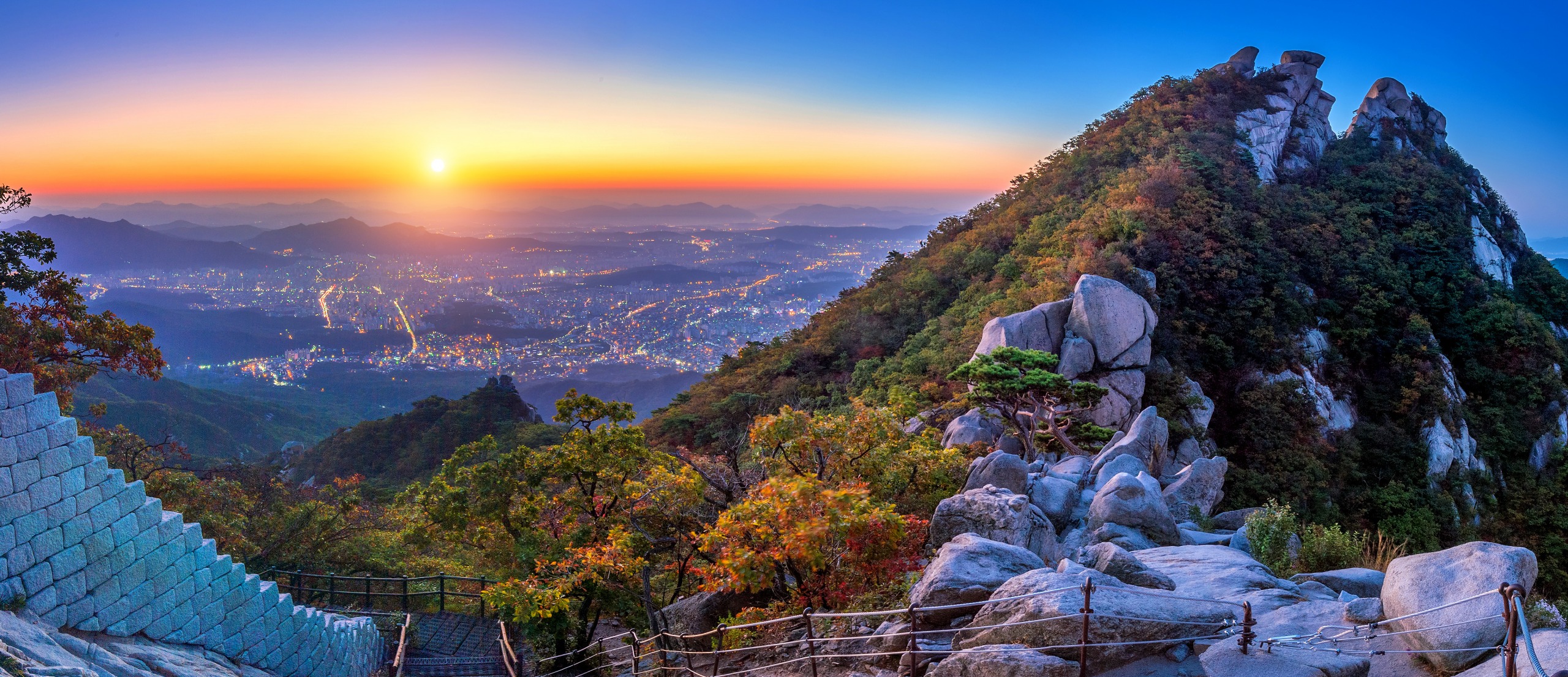
Hiking in South Korea is an institution. It's one of the favorite pastimes of residents who use weekends to escape the smoke and urban excitement, Seoul in particular. 70% of South Korea's territory is composed of mountains, trails and hiking spots are meticulously maintained, and the scenery is magical. All of this offers a splendid and easily accessible setting.
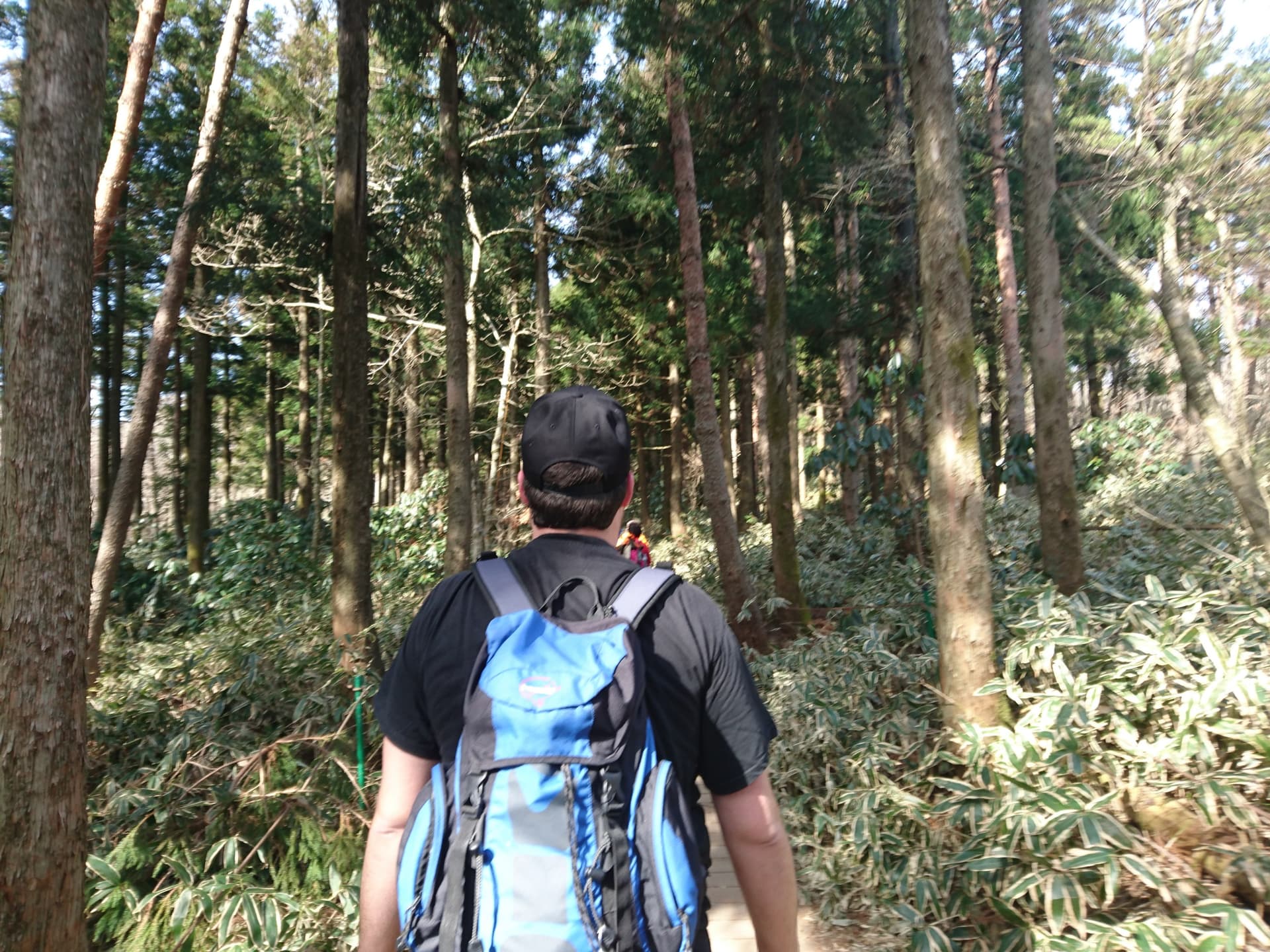
Treks, or hikes, are very well-organized in South Korea and adapted for both local and international travelers. They rarely exceed a single day, and each starting point is generally very easily accessible via public transportation. It's also an optimal way to meet South Koreans, whom you'll see walking in gorgeous fluorescent gear that's brand new.
Seoraksan National Park
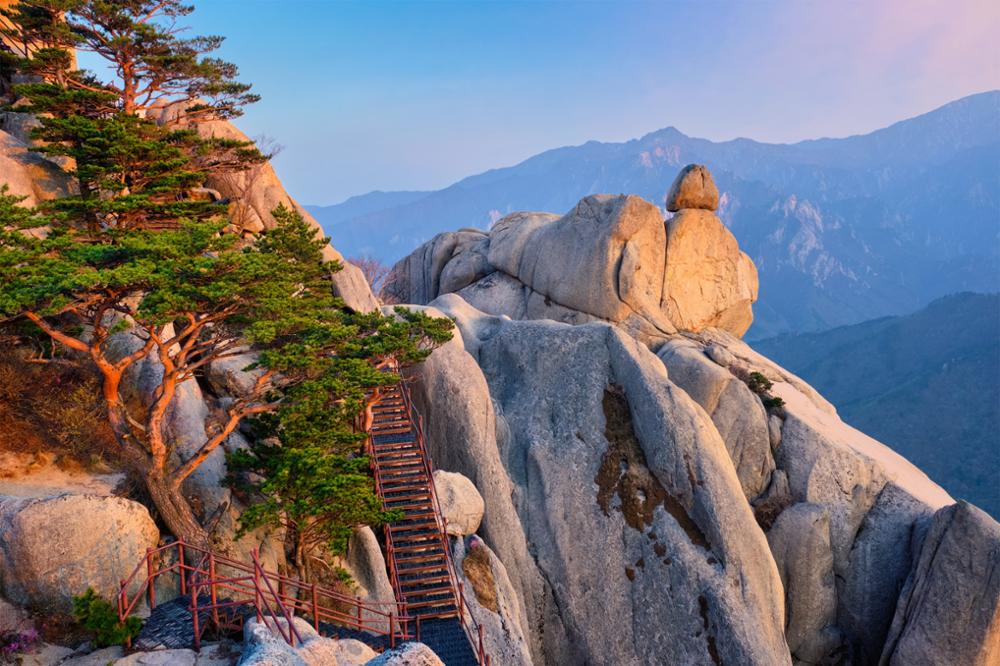
Our first stop takes us to the port city of Sokcho in the northeast. From here you'll be at the entrance to the immense and sublime Seoraksan National Park, which offers hundreds of hiking trails ranging from short two-hour walks to two-day treks. You'll have no trouble finding your way within the park as the signage and fellow hikers are everywhere. We recommend taking the trail toward Ulsanbawi Rock, which takes about 7 hours. This "mountain" with six peaks reaching 600 meters in height is a natural wonder that you can very easily climb safely. Simply follow the directional signs to get there. This path winds through the national park, where you'll find a few low-key cafés and restaurants for a well-deserved break. Once you reach the base of the six peaks, you'll spot a massive staircase to climb to reach the summit. This effort is truly worthwhile—gaining elevation at this location reveals an exceptional view.
The Azalea Festival
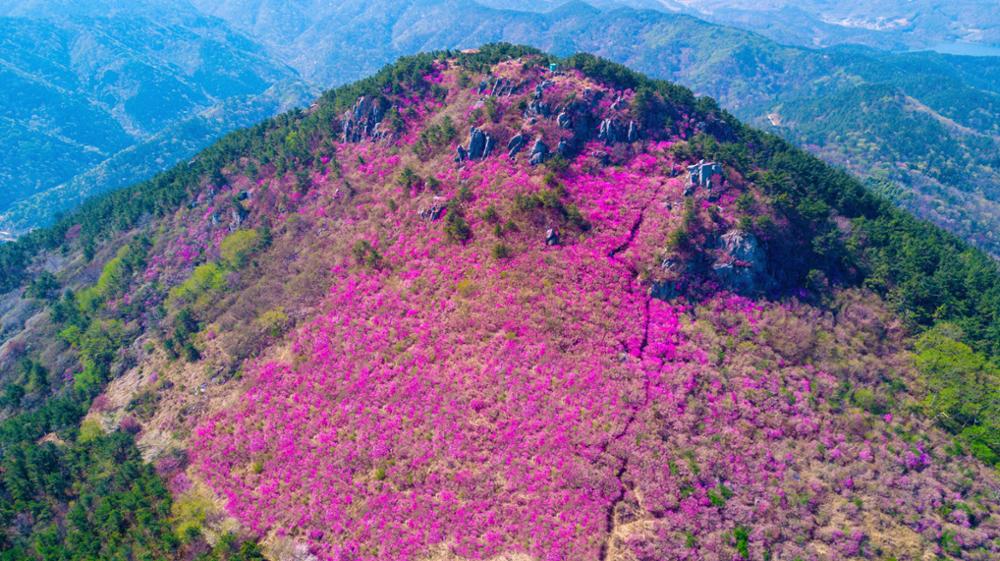
Now heading south, in the opposite direction of our previous hike, and more specifically to the city of Yeosu in the South Jeolla region. Are you familiar with azaleas? This stunning shrub abloom with pink flowers in spring, very similar to rhododendrons, is the symbol of our next hike. Stop in the city of Yeosu and prepare for this one with care. Head to the adjacent Yeongchuisan mountain, which peaks at roughly 500 meters in altitude. Here azaleas flourish and proliferate in spring, with hikers from across the country arriving in early April to witness this spectacular display. The sea and islands complete the backdrop of an extraordinary landscape. Walkers come to participate in the azalea festival organized during the blooming of these shrubs in early April.
South Korea's Highest Peak
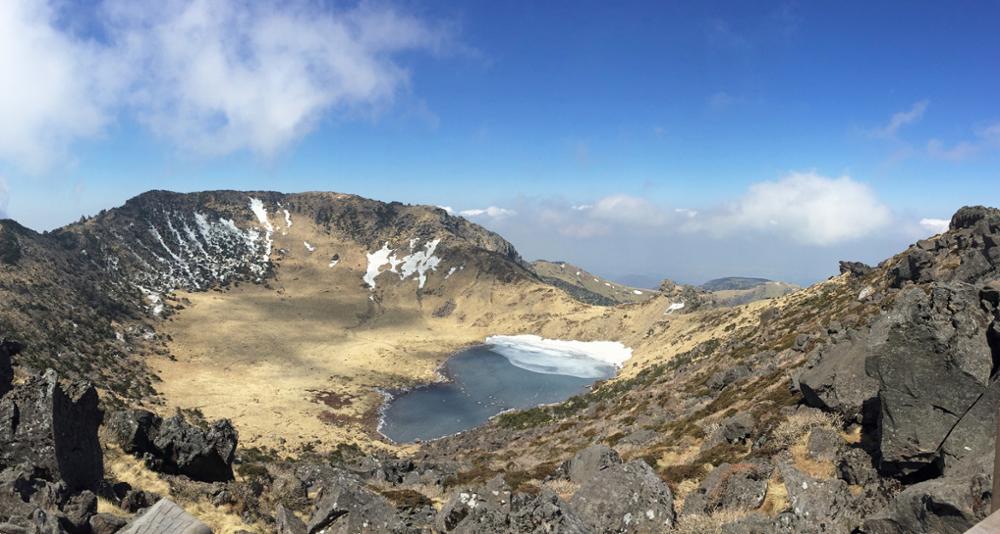
Now heading even further south than the continental south. You've guessed it—we're taking you to Jeju Island. Here stands the country's highest peak, the dormant volcano Halla-San, which reaches 1,950 meters in height. And you know what? A single day is all you need to conquer South Korea's Everest! The hike, always very well marked like everywhere in South Korea, covers approximately twenty kilometers round trip. But be warned—it's steep! A brief lunch break is recommended before reaching the summit for an afternoon of pure bliss. Once you arrive at the top, you'll be mesmerized by the extraordinary watercolor painting formed by the surrounding sea and the volcanic lake situated just steps from Halla-San's summit. On cloudy days you'll find yourself floating above these pristine clouds for an unprecedented and deeply impressive experience.
Frequently asked questions
Spring (April-May) is ideal for the azalea festival on Yeongchuisan, while autumn (October-November) offers stunning foliage at Seoraksan. Summer can be hot and humid, and certain trails on Jeju may close in winter due to snow on Halla-San.
Yes, entry to Seoraksan National Park is paid. The entrance fee is modest (approximately 3,500 KRW per person). It's advisable to check current rates on the park's official website before your visit.
The Halla-San hike is approximately 20 kilometers round trip and reaches 1,950 meters in elevation. It's accessible to hikers in good physical condition, but it remains challenging. It's recommended to start early in the morning, bring food and water, and respect the trail closure times set by the national park.
From Seoul, you can take an express bus from Dong-Seoul Terminal or Gangnam Terminal heading to Sokcho. The journey takes approximately 2.5 hours. From Sokcho, local buses serve the entrance to Seoraksan National Park.
The azalea festival typically runs in early April, when the shrubs are in full bloom on Yeongchuisan mountain near Yeosu in South Jeolla Province. Exact dates vary slightly each year depending on spring weather.