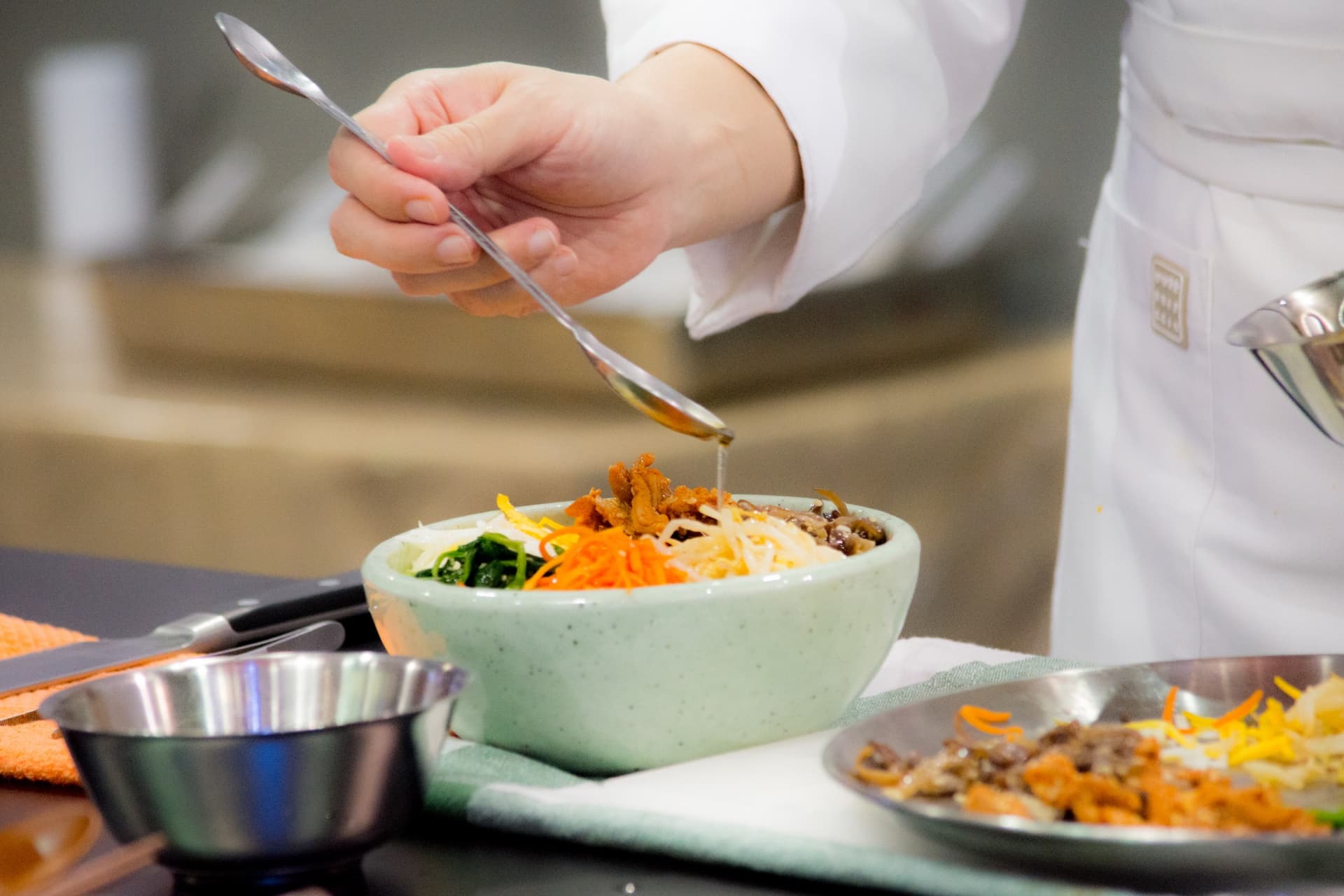
Bibimbap, an Essential Korean Dish
An emblematic traditional dish of South Korea, bibimbap is an ultra-popular meal among Koreans and around the world. It's easy to see why it makes mouths water: it's healthy
An emblematic traditional dish of South Korea, bibimbap is an ultra-popular meal among Koreans and around the world. It's easy to see why it makes mouths water: it's healthy and nourishing, comes in infinite variations, yet always remains vibrantly colorful. Let's uncover this dish bursting with color that leaves no one indifferent...
What is Bibimbap?
Bibimbap is one of the emblematic dishes of Korean cuisine. Although there is no single bibimbap recipe, the most popular version is made with marinated meat (often beef), rice, sautéed vegetables, a fried egg, and seasoned with gochujang (Korean chili paste). You can add kimchi or soy and enjoy it hot or cold with chopsticks.
One thing is certain: it's THE culinary specialty to absolutely try on a trip to South Korea.
A Healthy, Colorful Dish Worthy of a Work of Art
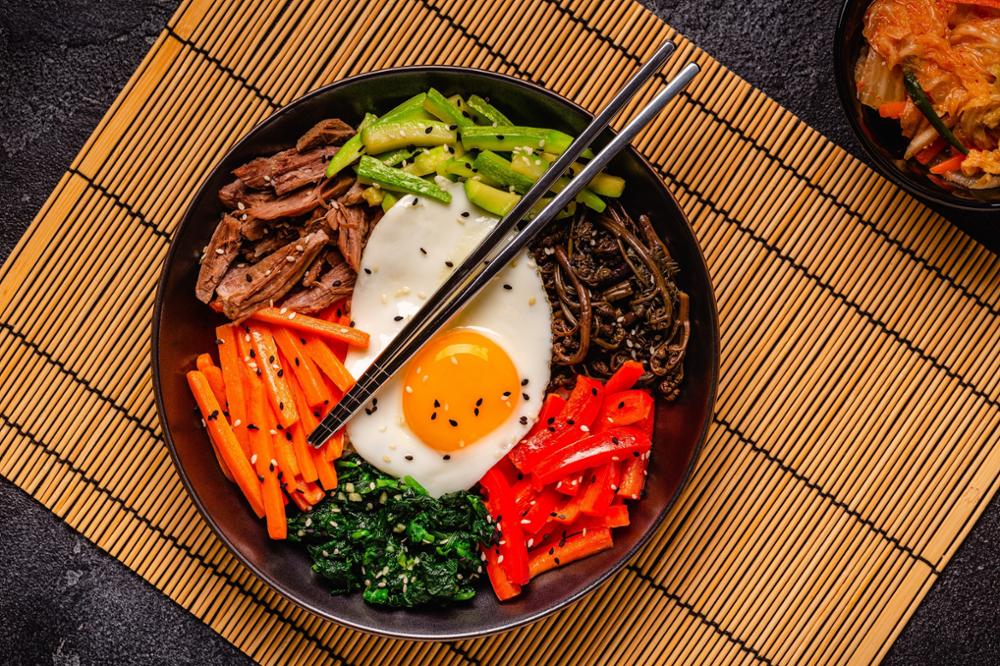
Bibimbap comes from the Korean words bibim meaning "mixed" and bap meaning "rice". So you could translate bibimbap as "mixed rice".
Yet it's far from the fried rice cooked with sautéed vegetables. Indeed, bibimbap is served deconstructed: each ingredient is prepared and cooked independently. Once the ingredients are cooked, they are all arranged separately in a bowl.
Moreover, the composition of bibimbap is not random. In tradition, this dish must showcase 5 colors, each evoking a natural element:
White rice symbolizes water,
Green vegetables represent wood,
Red vegetables and chili evoke fire,
Meat and mushrooms embody metal,
The fried egg placed at the center suggests earth.
Arranged side by side, the different natural elements symbolize harmony and balance before the chaos. After being contemplated, the ingredients are mixed before being enjoyed: that's the famous chaos!
Essential Ingredients for Bibimbap
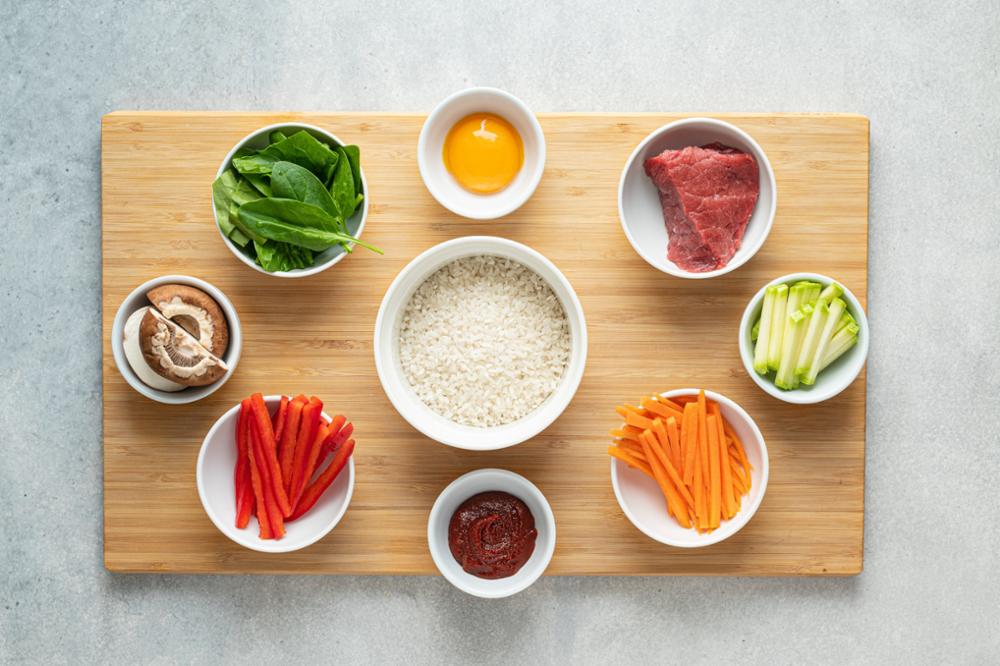
As mentioned earlier, there isn't one bibimbap recipe but dozens. Recipes vary by region and can adapt to available ingredients.
However, they always share the same base:
Rice (bap);
Sautéed and seasoned vegetables (the namul) chosen for their color. This can include: bean sprouts, mung beans, carrots, daikon radish...;
Proteins: marinated meat (beef, chicken, pork...), fish or seafood, or tofu;
Gochujang, a condiment made from red chili paste and fermented soy;
A fried egg placed at the center of the bowl, last.
A sauce: bibimbap is often spicy. For this, a mixture of soy sauce, sesame oil, rice vinegar, and honey is typically poured over everything.
Among the most popular versions of this dish is the bibimbap from Jeonju. This one is made with carrots, zucchini, shiitake mushrooms, bean sprouts, beef, egg, and gochujang.
What is Dolsot Bibimbap?
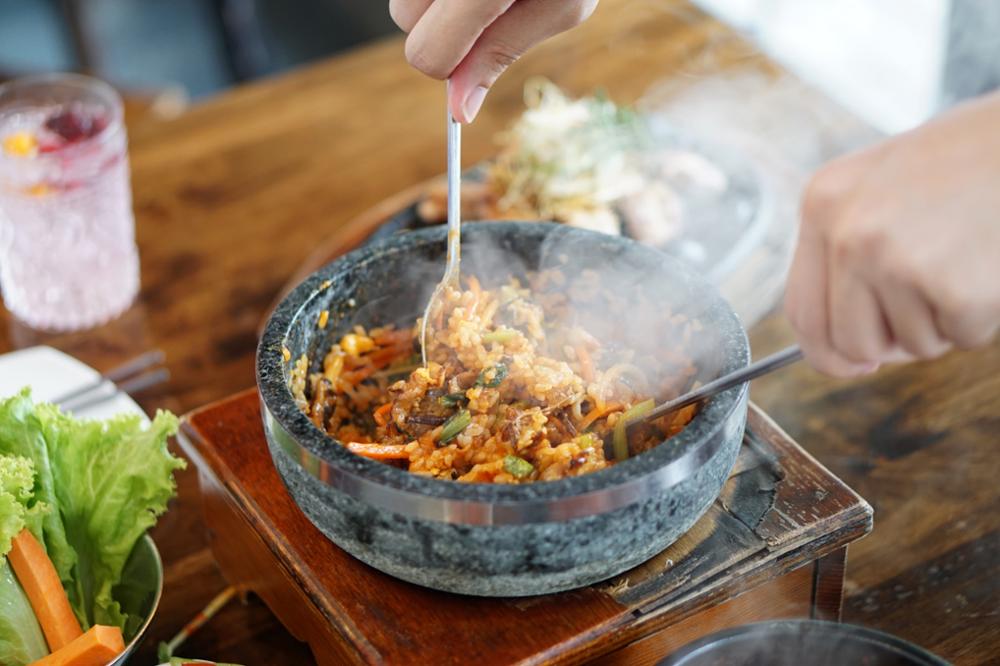
In addition to classic bibimbaps, you'll sometimes see "Dolsot Bibimbap" mentioned on restaurant menus. This is a bibimbap served in a heated stone or cast iron bowl (Dol meaning stone and Sot meaning pot). It's more than just an aesthetic detail, as this type of stone bowl keeps the ingredients hot during plating and thus enhances the dining experience!
Interested in trying it? Discover the authentic Korean beef bibimbap recipe.
Frequently asked questions
Dolsot Bibimbap is a variation of classic bibimbap served in a heated stone or cast iron bowl (dol = stone, sot = pot). This cast iron bowl keeps the ingredients hot throughout the meal and can even slightly crisp the rice at the bottom, giving it a prized crunchy texture.
There are vegetarian versions of bibimbap where meat is replaced by tofu or simply omitted. The traditional recipe generally includes marinated beef, but the great flexibility of this dish allows you to easily adapt it to a vegetarian or vegan diet by choosing only vegetable namul and tofu.
Gochujang is a fermented red chili paste typical of Korean cuisine. It's made from red chili, sticky rice, fermented soy, and salt. It's one of the most important condiments in Korea: it brings heat, a slight sweetness, and umami depth to bibimbap.
In Korean tradition, bibimbap should represent 5 colors, each corresponding to a natural element: white (water), green (wood), red (fire), black or brown (metal), and the yellow of the egg (earth). These 5 elements brought together symbolize harmony and balance, a concept deeply rooted in Korean philosophy and culture.
The city of Jeonju is considered the gastronomic capital of bibimbap in South Korea. Jeonju bibimbap, made with carrots, zucchini, shiitake mushrooms, bean sprouts, beef, and gochujang, is renowned throughout the country. Seoul also offers countless restaurants specializing in this dish, from traditional establishments to more modern concepts.