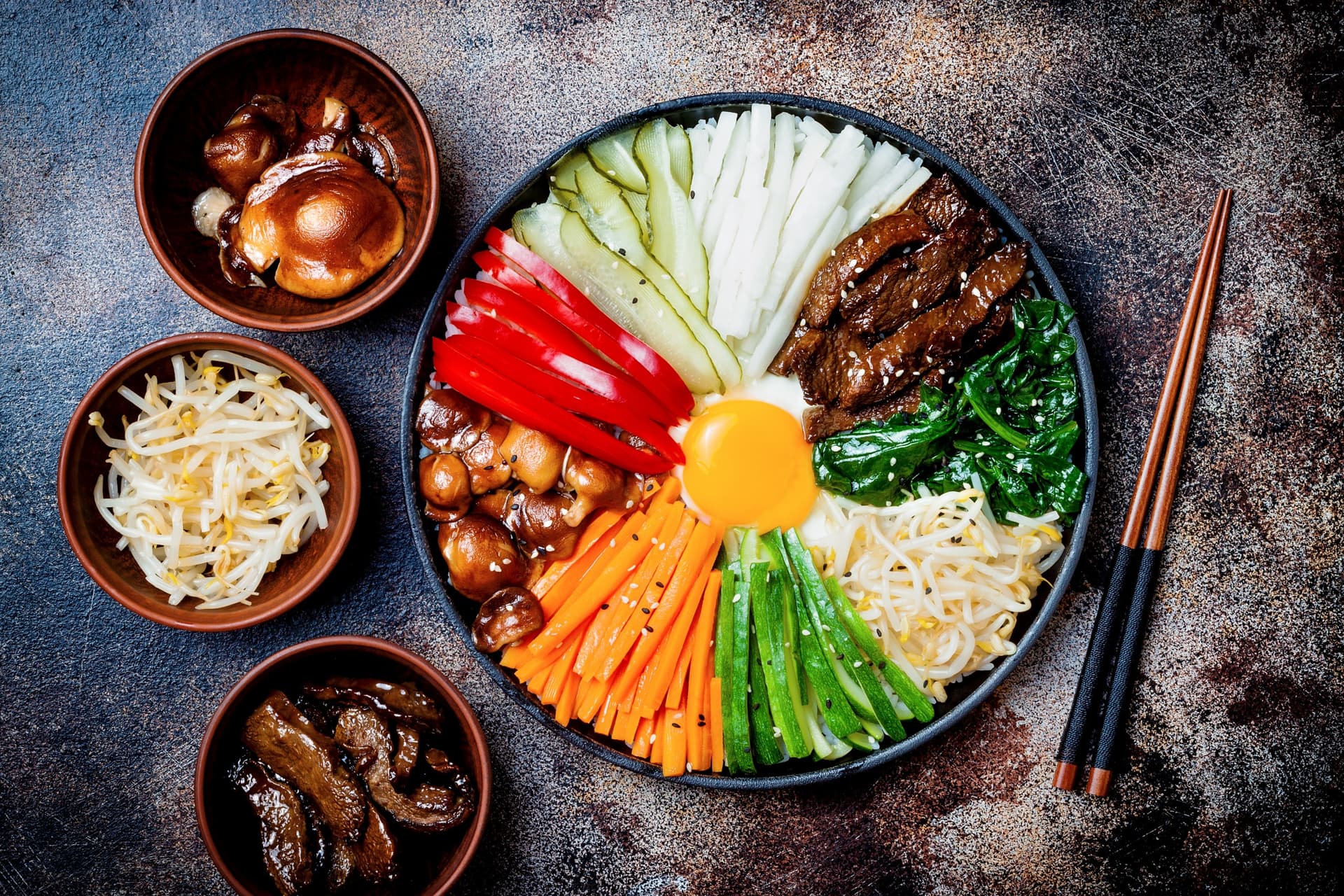
8 Korean Culinary Specialties to Taste in South Korea
Renowned for its vibrant and flavorful dishes, South Korean gastronomy is remarkably diverse. It's also a cuisine celebrated for its nutritional excellence.
Renowned for its vibrant and flavorful dishes, South Korean gastronomy is remarkably diverse. It's also a cuisine celebrated for its nutritional excellence. Here are 8 culinary specialties to taste without fail during a trip to South Korea. Get ready for a true feast for your taste buds!
1. Bibimbap
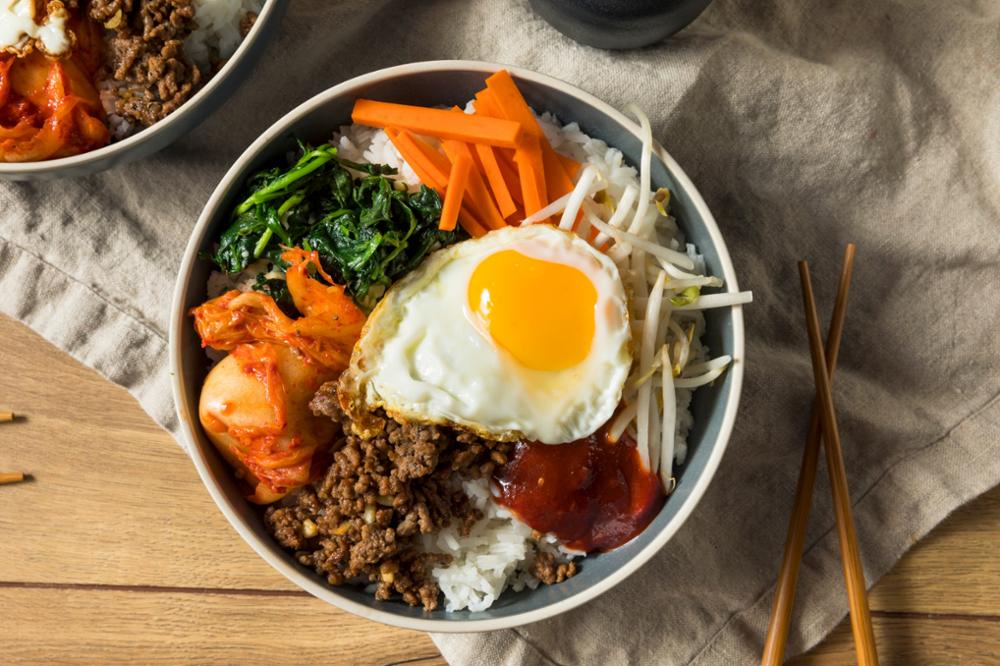
If there's one South Korean dish that has become popular beyond the country's borders, it's bibimbap. This South Korean culinary specialty is composed of numerous ingredients :
a rice base,
sautéed and separately cooked vegetables (carrots, mushrooms, soybean sprouts, seaweed…),
marinated meat (often beef) and an egg (poached or fried).
The whole dish is seasoned with sesame or gochujang chili paste. This dish, as beautiful as it is delicious, can be eaten hot or cold and has numerous regional variations throughout the country.
2. Kimchi
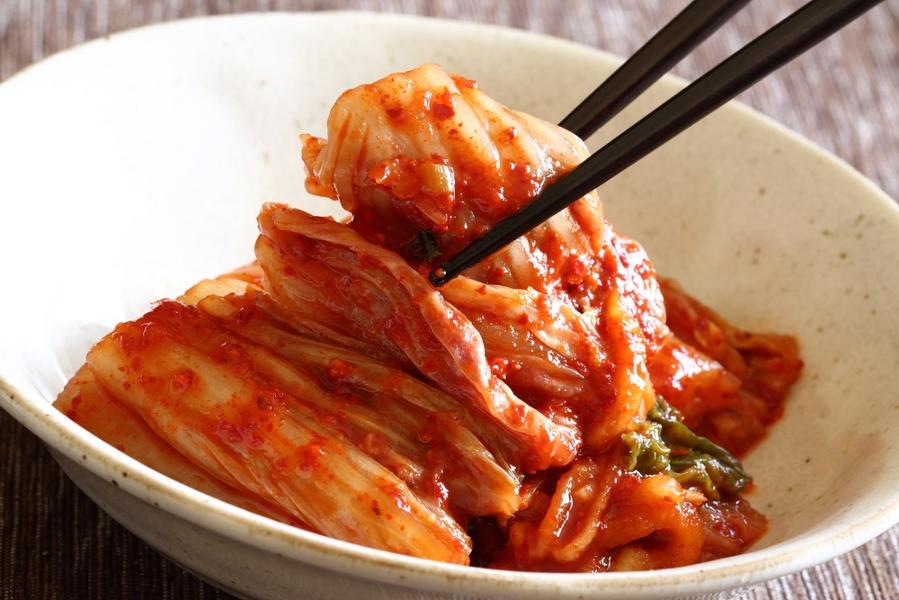
A true symbol of South Korean cuisine, kimchi is not really a dish but rather an accompaniment found in every restaurant throughout the country. It's a cold dish made of fermented and marinated cabbage in a spicy sauce (typically a red chili and fish sauce). South Koreans enjoy it throughout the day: from breakfast until dinner!
3. Bulgogi
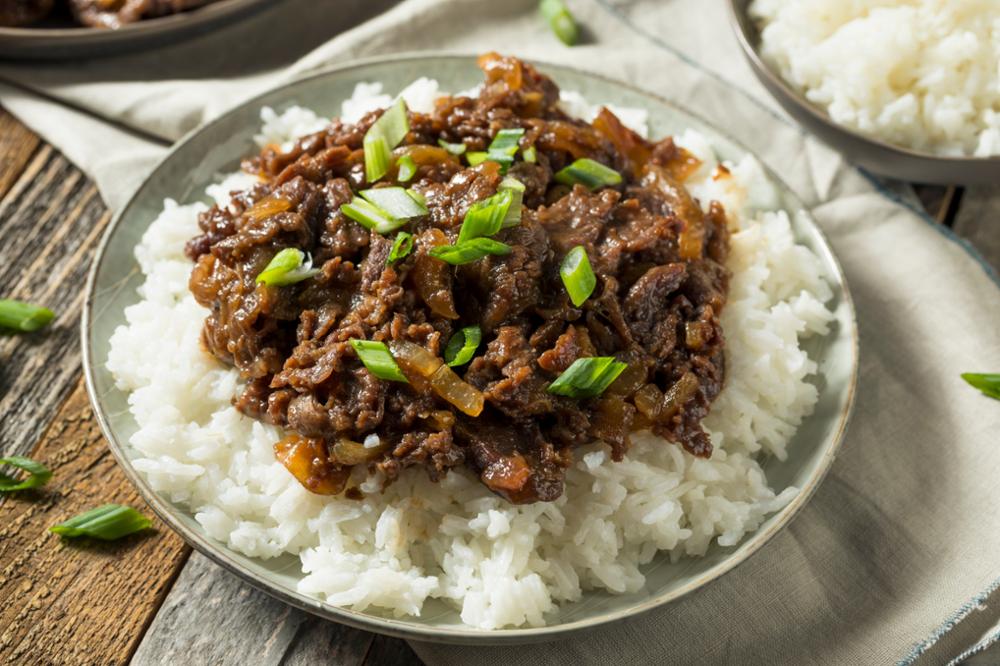
Translated as "meat cooked over fire," this specialty consists of marinating pieces of meat before grilling them. Beef is the most common meat used to prepare bulgogi, though pork variations are also found, and occasionally chicken. Sliced into very thin strips, the meat is marinated in a soy sauce with sugar, sesame oil, garlic, apples, or pears. Once marinated, the meat is grilled and enjoyed wrapped in lettuce leaves. It can be served with rice or with the famous kimchi.
4. Pajeon
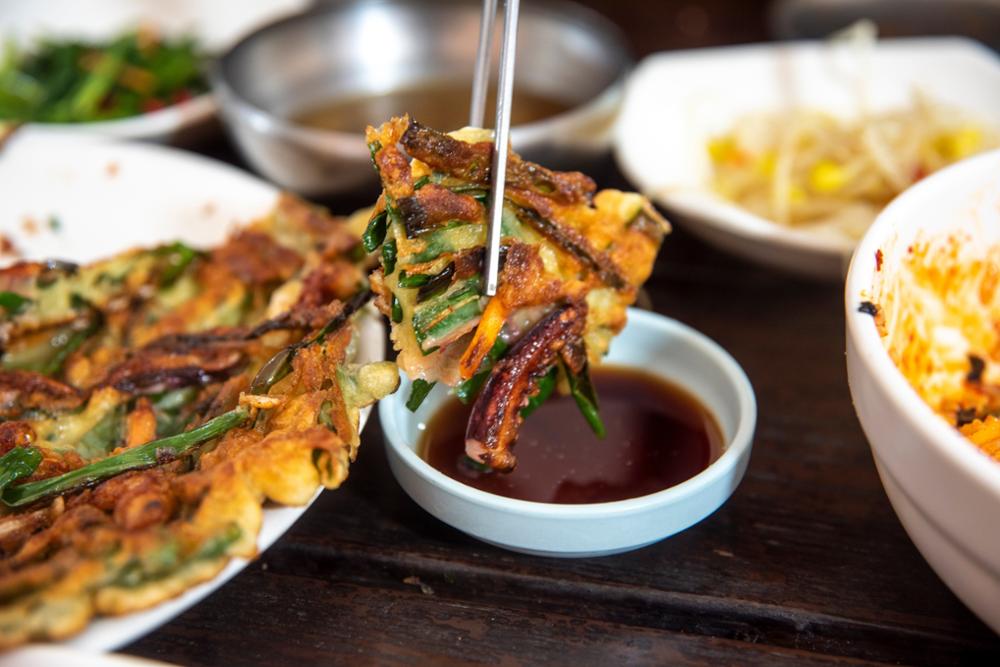
After vegetables and meat, here comes a South Korean culinary specialty based on seafood. It's an unusual dish shaped like a large pancake. It's even nicknamed the "Korean pancake." Pajeon is made with wheat or rice flour that forms the base, to which vegetables and seafood (shrimp, clams, squid, mussels…) are added. You can enjoy it as a main course or as an appetizer. It's customary to tear the pancake and dip it in soy sauce.
5. Japchae
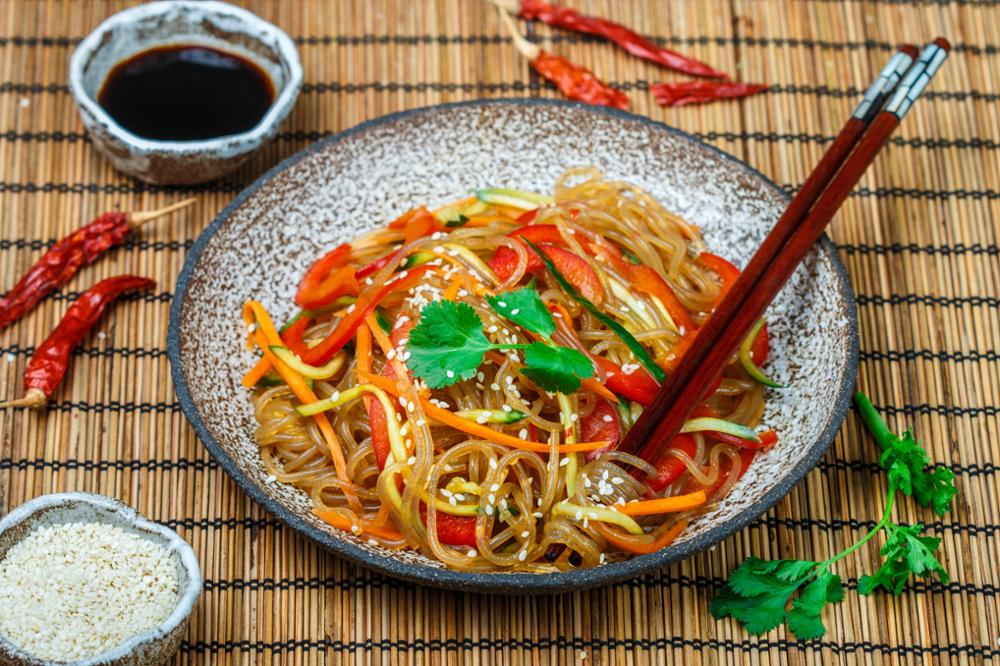
Once reserved for the royal family, japchae has become democratized and is now popular with all South Koreans. They particularly prepare it during festive occasions. This dish consists of sweet potato noodles (Dangmyon) mixed with numerous vegetables (mushrooms, spinach, carrots…) and beef. Everything is enhanced with soy sauce and sesame oil! Note that you can find japchae without meat.
6. Samgyetang
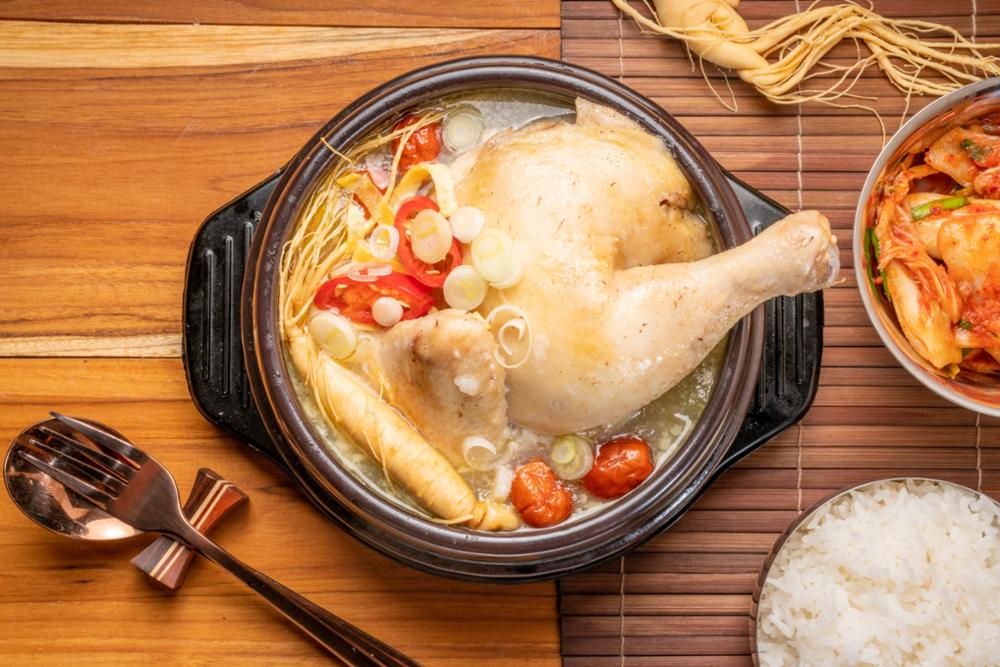
If you enjoy tasting dishes with unusual flavors, don't miss samgyetang during your trip to South Korea! It's a ginseng chicken broth, a root known for its energizing properties. To make this recipe, a whole young chicken is traditionally stuffed with sticky rice before being cooked in a broth made with spices and ginseng. South Koreans also add various condiments such as jujubes, goji berries, ginger, sesame seeds, garlic, and onions…
7. Sundubu Jjigae
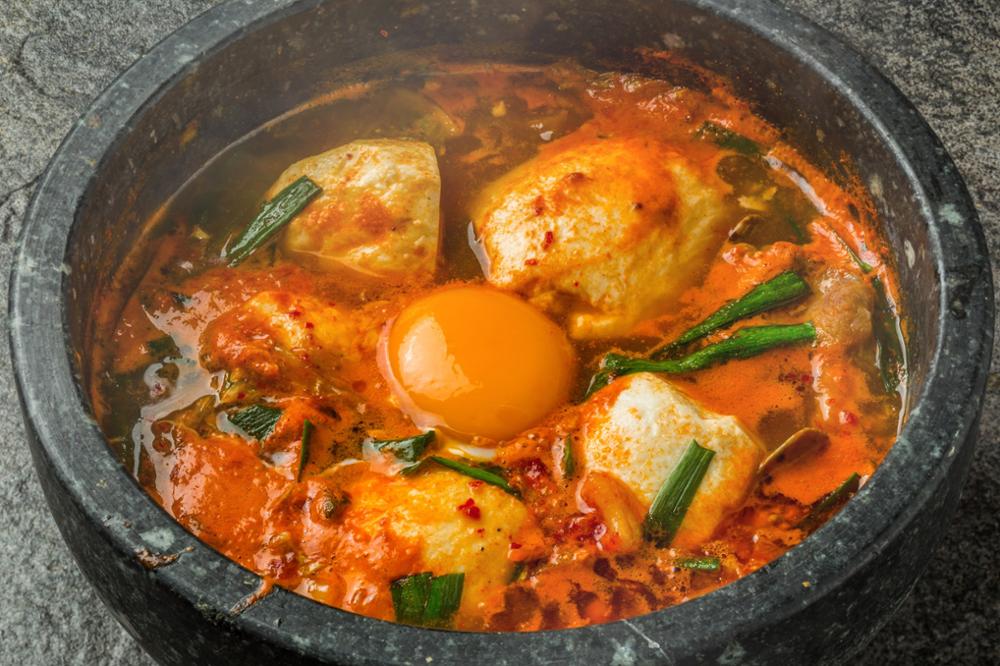
Somewhere between a soup and a stew, sundubu jjigae is a popular dish in Korean cuisine. It's a simmered dish made with silken tofu (soft, fresh, and undrained tofu) and vegetables. Some variations add meat or seafood. Everything is seasoned with soy sauce, soy paste, and sometimes spiced up with chili paste.
Good to know: vegetarians will be delighted to enjoy this tofu-based dish, but be sure to ask for the list of ingredients used to prepare the sauce, as it typically contains fish sauce or fermented mollusks (jeotgal).
8. Naengmyeon
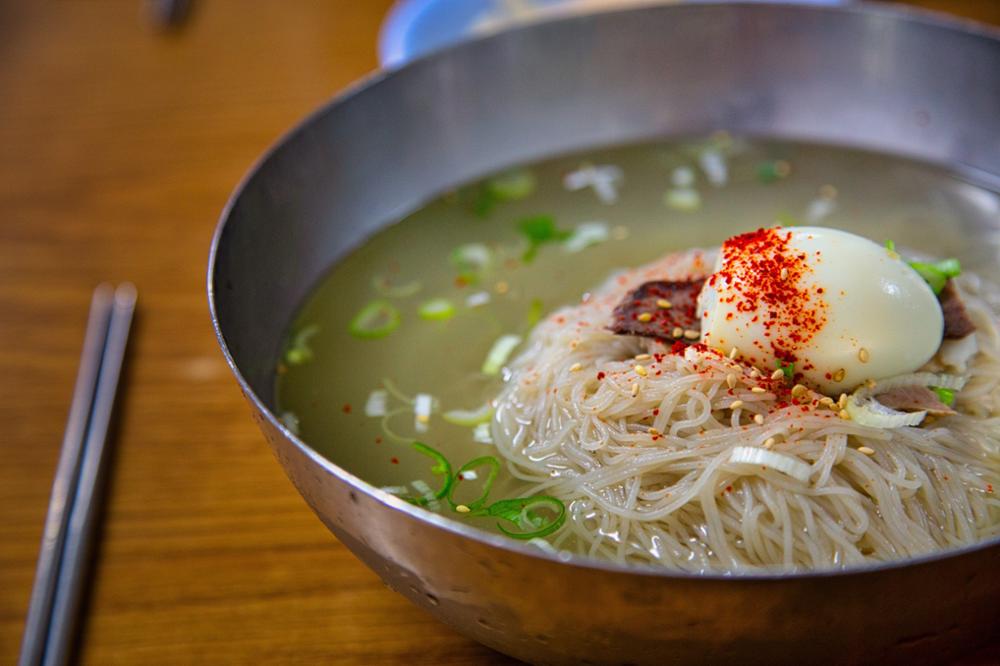
We finish with a Korean specialty that this time comes from North Korea. Naengmyeon is a cold noodle soup made with buckwheat noodles, potatoes, and sweet potatoes. You can add vegetables, hard-boiled eggs, and sometimes marinated meat or fish. It's a dish particularly enjoyed by Koreans during summer as it's refreshing (the noodles typically bathe in an icy broth)!
Frequently asked questions
Kimchi is often considered the absolute symbol of Korean cuisine. This fermented and spicy cabbage is consumed at every meal throughout the day. Bibimbap is also highly recognized internationally: it's a bowl of rice topped with sautéed vegetables, marinated meat, and an egg, seasoned with gochujang chili paste.
Some Korean dishes can accommodate vegetarians, such as sundubu jjigae (tofu soup) or certain meat-free versions of japchae. However, many sauces contain animal-derived products like fish sauce or fermented mollusks (jeotgal). It's advisable to ask for the list of ingredients before ordering.
Traditional kimchi is indeed quite spicy as it's marinated in a red chili-based sauce. However, its spice level varies depending on the recipe and region. There are milder versions (white kimchi or baek kimchi) suited for those who don't tolerate chili well.
During summer, Koreans love naengmyeon, a cold noodle soup with buckwheat noodles bathed in icy broth. It's a particularly refreshing dish during hot weather. Cold bibimbap is also a great summer option.
Korean culinary specialties can be found everywhere in South Korea: in traditional restaurants (hansik), night markets like Gwangjang Market in Seoul, or casual food stalls (bunsik). Street markets are ideal for tasting affordable dishes like pajeon or bulgogi.