
Namsan Mountain (Gyeongju)
Namsan Mountain (Gyeongju)
Namsan Mountain, 5 km south of Gyeongju, brings together carved Buddhist statues, pagodas and Silla remains along trails designated as UNESCO World Heritage.
Namsan Mountain overlooks the Gyeongju plain and concentrates, across its wooded slopes, more than a millennium of Korean Buddhist art. Statues carved into the rock, stone pagodas, temple remains and royal tombs dot the hiking trails, within a site inscribed as UNESCO World Heritage.
Why visit Namsan Mountain
Considered sacred during the Silla period, Namsan Mountain houses an exceptional density of monuments: dozens of carved reliefs, around sixty pagodas, a hundred temples and palaces. Twelve of these monuments hold the status of National Treasure in South Korea. Most were built between the 7th and 10th centuries, when the mountain served as a place of meditation, pilgrimage and royal ceremonies.
The site lends itself to a day visit from Gyeongju. The trails traverse forests, rock formations and valleys, with panoramas over the plain of the ancient Silla capital. It is an itinerary that combines moderate hiking and heritage, without requiring any special equipment.
History of Namsan Mountain
Namsan Mountain peaks at 494 meters in elevation, 5 km south of Gyeongju, within the eponymous national park. During the Silla period (57 BC – 935 AD), it was considered a sacred mountain, intimately linked to the foundation and spirituality of the kingdom.
Tradition places here the birth of the dynasty's founder. According to legend, in 69 BC, Seobeol, chief of the village of Goheo, spotted a white horse kneeling near the Najeong well. The animal disappeared leaving a purple egg from which emerged a child, Park Hyeokgeose, who would reportedly be declared king at age 13 and would become the founder of the Silla kingdom.
In 2000, Namsan Mountain was inscribed as a UNESCO World Heritage site along with other historical sites in Gyeongju, in recognition of the exceptional concentration of preserved Buddhist monuments on its slopes.
What to see on Namsan Mountain
Poseokjeong Pavilion and Najeong Well
At the foot of the mountain remain the ruins of the Poseokjeong Pavilion, where Silla kings would organize banquets with nobles. Nearby, the Najeong Well is marked by a modest engraved stone indicating the legendary birthplace of King Park Hyeokgeose. These two sites, unassuming in appearance, lie at the heart of the kingdom's founding narrative.
Yangsanjae Sanctuary
Yangsanjae Sanctuary was erected in honor of the kingdom's founder, who lived in Seorabeol before Silla's creation. It is part of the ensemble of memorial sites scattered across the mountain's western foothills.
Rock-carved Buddhist statues
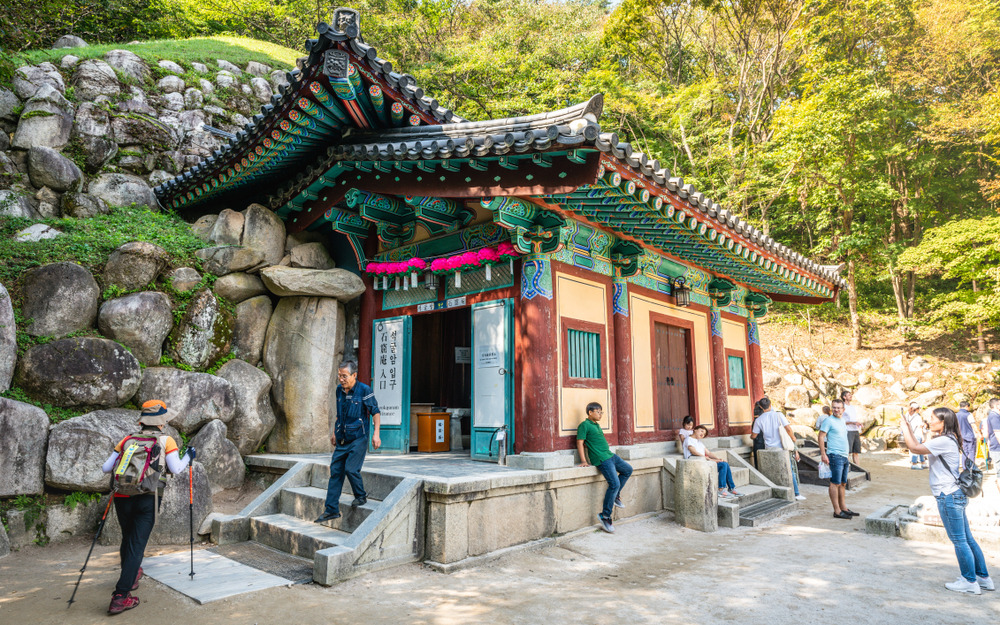
Namsan Mountain houses several major Buddhist sculptures, carved directly into the rock or sculpted in relief:
- A site presenting three rock-carved Buddha figures, a characteristic example of Silla art.
- A seated Buddha statue in the Mireuk valley.
- A seated Bodhisattva statue at Sinseonam.
- A seated Sakyamuni statue carved on a boulder, approximately 7 meters high by 5 meters wide: the mountain's largest statue.
Samneung Royal Tombs
On the western slope, Samneung Royal Tombs group three tumuli attributed to Silla sovereigns. They often serve as a starting point for hikes that then ascend toward the mountain's statues and reliefs.
Practical Information
- Duration of visit: allow half a day for a main route, a full day to explore multiple valleys.
- Level: moderate hiking trails, sometimes rocky; closed-toe shoes recommended.
- Access: free entry to the national park, certain amenities may require a modest contribution.
- What to bring: water, snacks, sun protection, park map available at entrances.
When to go
Spring (April-May) and autumn (October-November) are the most pleasant periods: mild temperatures, low humidity and, in autumn, crimson maples that enhance the Buddhist sites. Summer is hot and humid, with frequent showers in July-August. Winter remains feasible but trails may be icy.
How to get there
From downtown Gyeongju, Namsan Mountain is served by buses 500, 505, 506, 507 and 508, departing from the local bus terminal. Get off at the Samneung Royal Tombs stop, the most convenient entry point to reach the main sites. For the return, take a bus on the other side of the road. Taxi remains a direct alternative from downtown.
What to see nearby
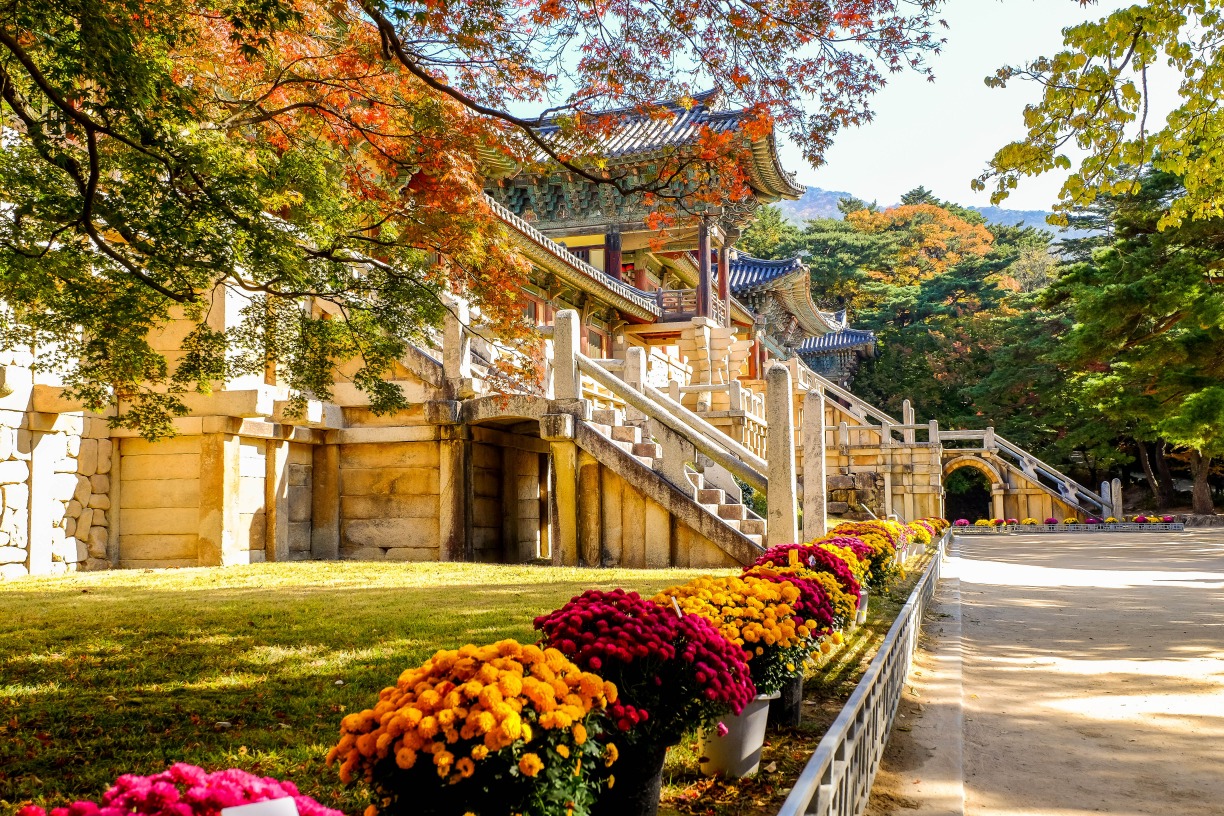
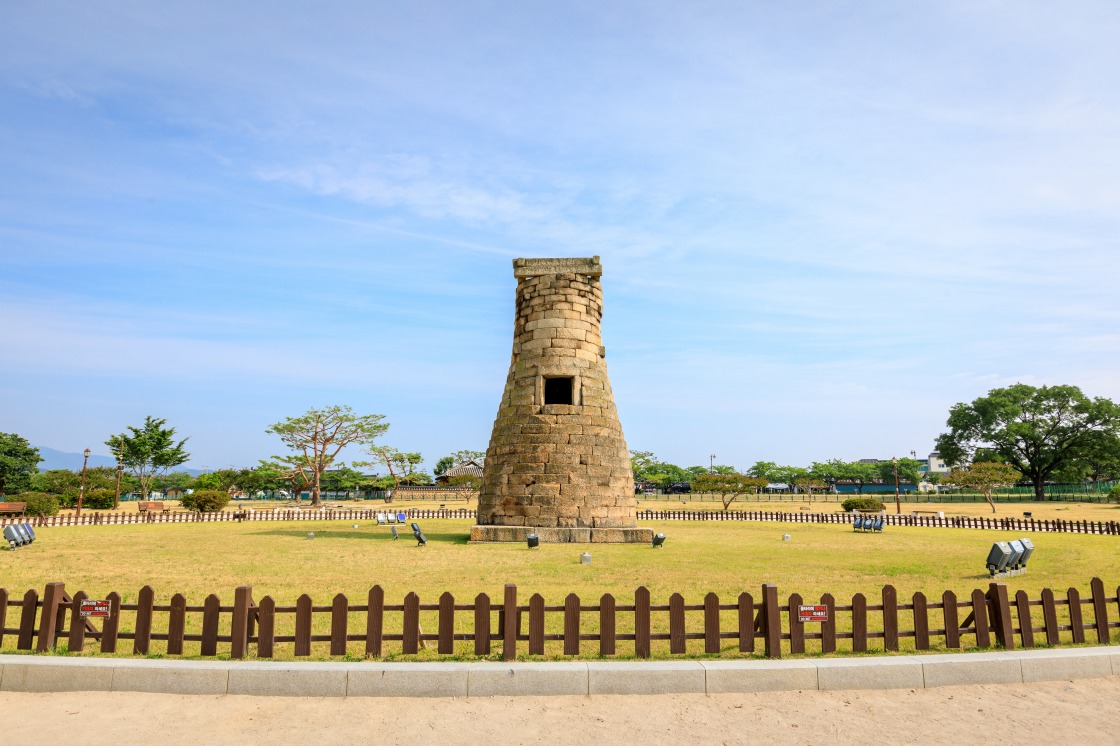
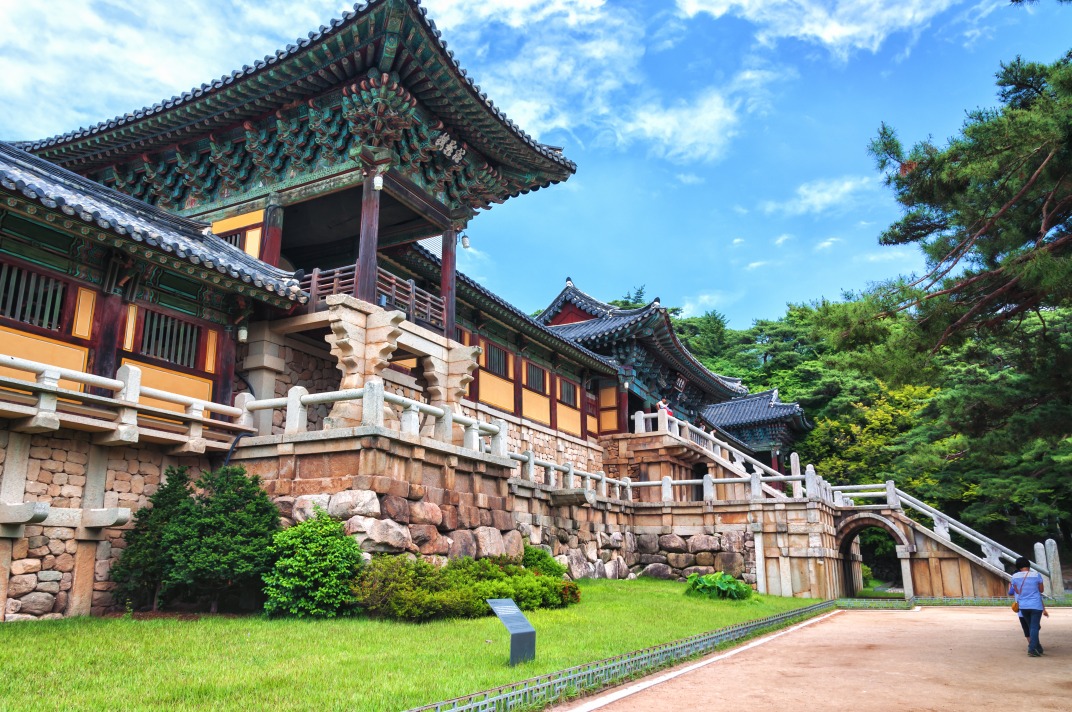
Once the hike is complete, Gyeongju's historic center allows you to extend your visit with the Tumuli Park tumuli, the Cheomseongdae Observatory and Bulguksa Temple. To expand the itinerary to other Buddhist sites in South Korea, you can reach the Haeinsa Temple, which preserves the Tripitaka Koreana, or the Magoksa Temple in Chungcheong Province. Enthusiasts of dramatic rock formations will appreciate Maisan Mountain and its singular rock formations.
Frequently Asked Questions
Frequently asked questions
Allow half a day to follow one of the main routes (for example from Samneung) and a full day to combine multiple valleys and Buddhist sites.
Yes. The mountain peaks at 494 meters and trails are marked. The elevation gain remains moderate, but the rocky terrain justifies proper footwear.
It was inscribed in 2000 along with other historical sites in Gyeongju due to the exceptional concentration of Silla monuments: Buddhist reliefs, pagodas, temples and palaces built between the 7th and 10th centuries, twelve of which are classified as National Treasures.
The Samneung Royal Tombs, on the western slope, constitute the most convenient entry point and the richest in sites. They are served by buses 500, 505, 506, 507 and 508 from Gyeongju's terminal.
Prepare your trip
Namsan Mountain fits naturally into a circuit centered on Gyeongju and South Korean Buddhist heritage. To build a custom itinerary blending historical sites, hiking and contemporary cities, consult our trip ideas in South Korea.
Nearby
Interested in this visit?
We can include it in your personalised itinerary.