Gyeongju
Gyeongju
Former capital of the Silla kingdom, Gyeongju concentrates 4 UNESCO sites, 150 royal tumuli and a living hanok village. Complete guide to visiting this open-air museum in southeastern South Korea.
Gyeongju is a small city located in North Gyeongsang Province, in the southeast of the Korean peninsula. It is an exceptional destination for complete immersion during a vacation in South Korea. A true open-air museum, it overflows with archaeological sites, notably the highly celebrated tumuli—royal tombs topped with grass-covered hills. The city is also home to four sites inscribed on the UNESCO World Heritage List: the historic Yangdong village, Bulguksa Temple, Seokguram Grotto, and the historic area of Gyeongju.
History
Gyeongju was once the capital of the Silla Kingdom, which was founded in 57 BC. During that era, the city went by three different names: Gyerim (the forest of the rooster), Seorabeol (the capital), and Geumseong (the city of gold). In 668, it became the cultural center of Korea following the unification of the peninsula. In 682, Gyeongju grew considerably wealthy after the creation of Gukhak, the national Confucian academy, by King Sinmun.
Gyeongju lost its status as Silla's capital when it was replaced by Koryo. The city was renamed Gyeongju by King Taejo, founder of Koryo, in 940. It was designated the Eastern capital from 987 to 1012 before losing its significance.
During its period of decline, Gyeongju's monuments were destroyed. This notably included a nine-story pagoda at Hwangnyongsa, demolished by the Mongols in the 13th century, and Bulguksa Temple, which burned during the Japanese invasions.
Discovering Gyeongju
Gyeongju is a charming city dotted with small mountains and bordered by the Hyeonsang River. Extraordinarily rich in relics, this place presents itself as a true jewel of South Korea. Its historical treasures, which transform it into an open-air museum, reinforce its appeal as a tourist destination. It is the primary destination for tourists particularly captivated by its cultural wealth and architecture marked by the Joseon dynasty. Gyeongju is home to more than thirty national treasures that travelers will not want to miss during a short stay in Gyeongju.
Among the most renowned are the strikingly impressive tumuli, an undisputed representation of Silla culture. In the city center, there are approximately 150 tumuli and 35 royal tombs, each with its own history and cultural significance. You can visit the Tumuli Park or Daerungwon Park to discover the tombs of the most prestigious kings during a thoroughly pleasant stroll. Winding pathways meander between the tumuli, covered with impeccably maintained grass. A few flowering trees and shrubs here and there provide patches of shade and color. The park is enchanting and will undoubtedly leave a lasting impression.
Just an hour's bus ride from Gyeongju, discover Bulguksa Temple and Seokguram Grotto, monuments distinguished by their exceptional architecture. They hold tremendous religious and universal value and have consequently been designated as UNESCO World Heritage sites in 1995. The entrance to this monument is adorned with the Dabotab and Seokgatab pagodas, which are simply splendid. Seokguram Grotto, meanwhile, is nestled in the heart of the Gyeongju National Park, about thirty minutes from Bulguksa Temple, on Mount Toham. Its artificial architecture testifies to the refinement of Korean craftsmanship. Within it are numerous sculptures, including a central Buddha measuring 3.5 meters, seated on a lotus pedestal.
To experience Gyeongju in all its facets, a visit to Gyochon Village is essential. This traditional hanok village offers numerous attractions including a pottery workshop and the Choi Clan House, classified as the 27th folk treasure in South Korea, as well as a traditional liquor brewery.
For food enthusiasts, Gyeongju abounds with culinary specialties to discover. Numerous restaurants and small shops invite you to taste the famous Hwangnam-ppang, small red bean paste-filled buns, or ssambap, rice wrapped in various types of fresh salads.
Climate
Gyeongju, a city very close to the sea, benefits from a warm temperate climate of the Cfa type according to the Köppen-Geiger classification. Summers are hot and humid while winters are cold. The average annual temperature is 13.5°C. Annual precipitation averages 1,091 mm.
Gyeongju is connected to Busan, Seoul, Daejeon, and Daegu by KTX high-speed rail. The station is located south of the city center, in Geoncheon-eup. Gyeongju does not have its own airport, but the nearest ones are two hours away by bus, in Ulsan and Busan.
Buses also serve the city from Daegu, Busan, and even Seoul.
Gyeongju is a small city that is very pleasant to explore by bicycle. Since parks are close to the city center, it is entirely possible to discover them on foot as well. For those wishing to venture a bit further, scooters are also available for rent.
Public buses make it easy to reach Bulguksa Temple and Seokguram Grotto, located about an hour's drive away.
What to Do in Gyeongju?
- Visit the Tumuli Park and Cheomseongdae Observatory, located nearby. It is the oldest observatory in East Asia.
- Discover the beautiful landscapes that Gyeongju offers during a hiking excursion to Seokguram Grotto and Bulguksa Temple.
- Try your hand at archery for a day at Banwolseong Fortress.
- Take an evening stroll around Anapji Pond to enjoy this calm and peaceful place, magically illuminated after dark.
- Explore the traditional dishes of Gyeongju, particularly Ssambap (rice and meat wrapped in lettuce) and Hwangnam-ppang (red bean paste bread).
Attractions in Gyeongju
See all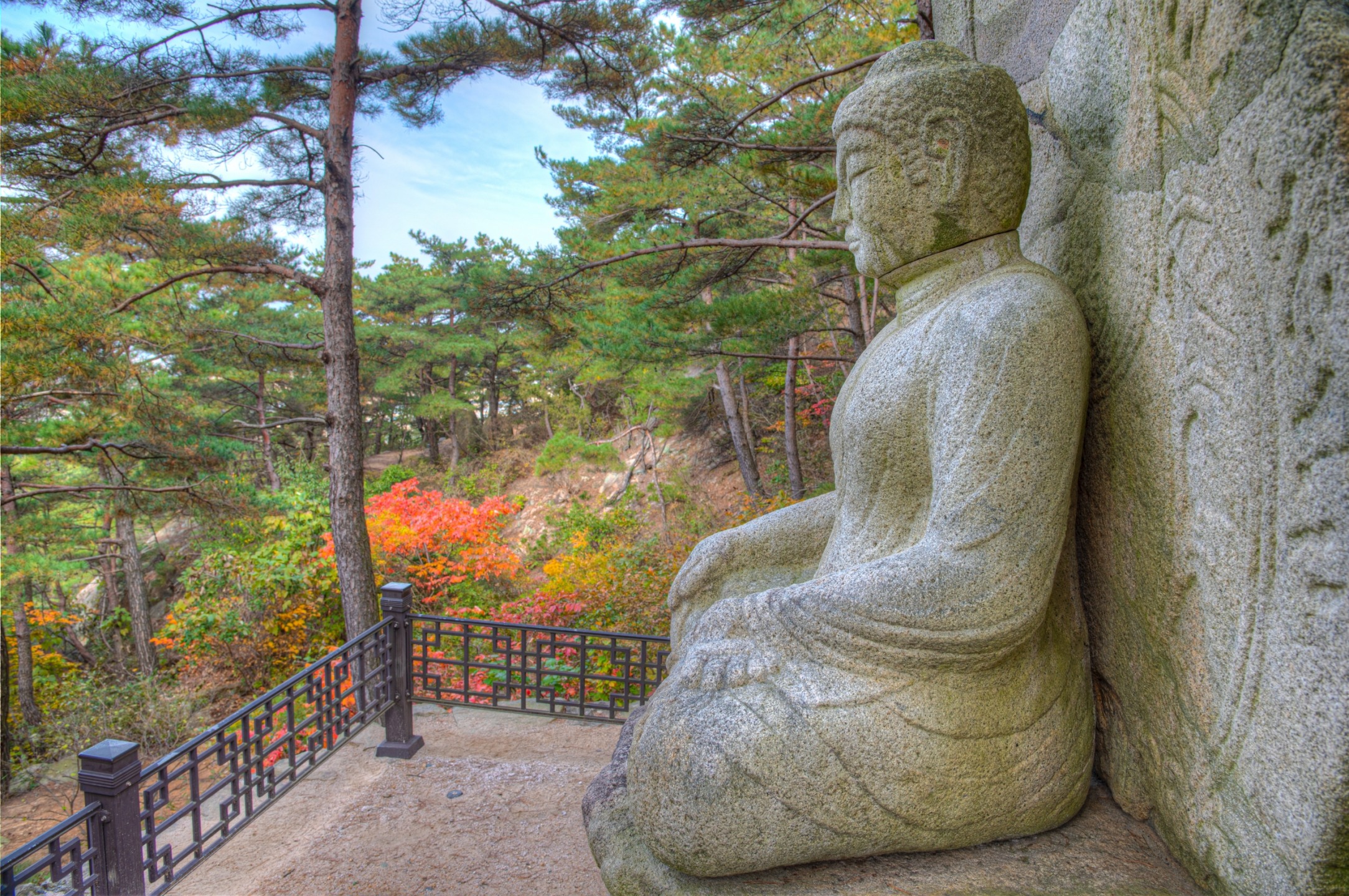
Le mont Namsan (Gyeongju)
Le mont Namsan domine la plaine de Gyeongju et concentre, sur ses pentes boisées, plus d'un millénaire d'art bouddhiste coréen.
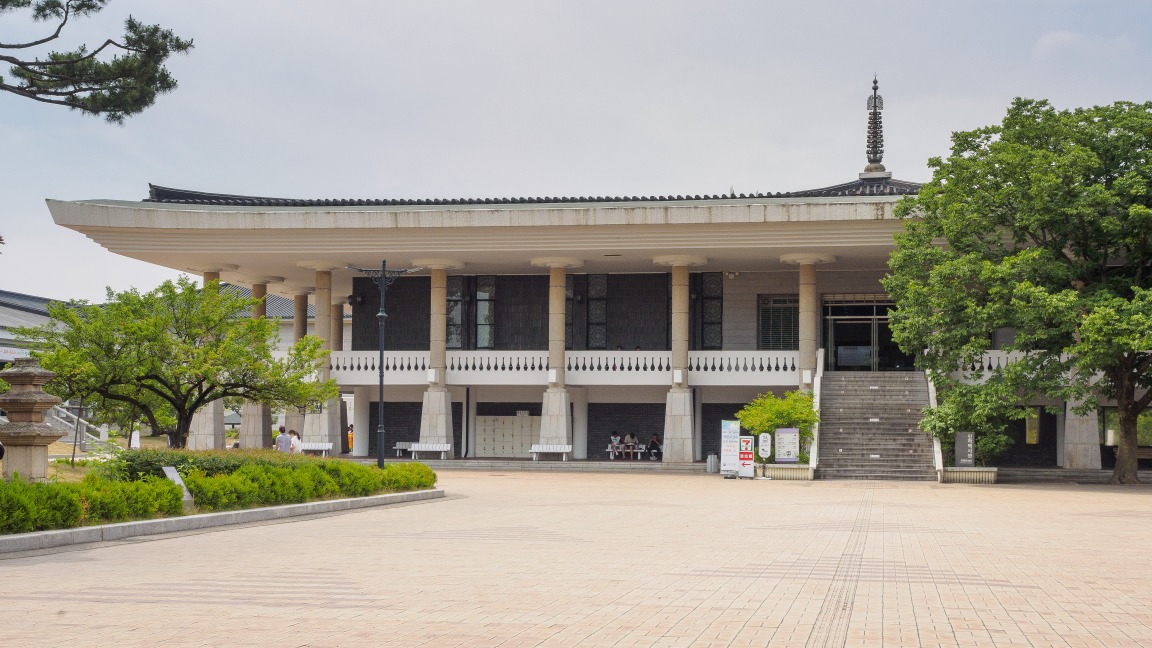
Musée national de Gyeongju
Le musée national de Gyeongju rassemble une part essentielle de l'héritage du royaume de Silla (57 av. J.-C. – 935), qui rayonna pendant près de mille ans depuis l'actuelle ville de Gyeongju.
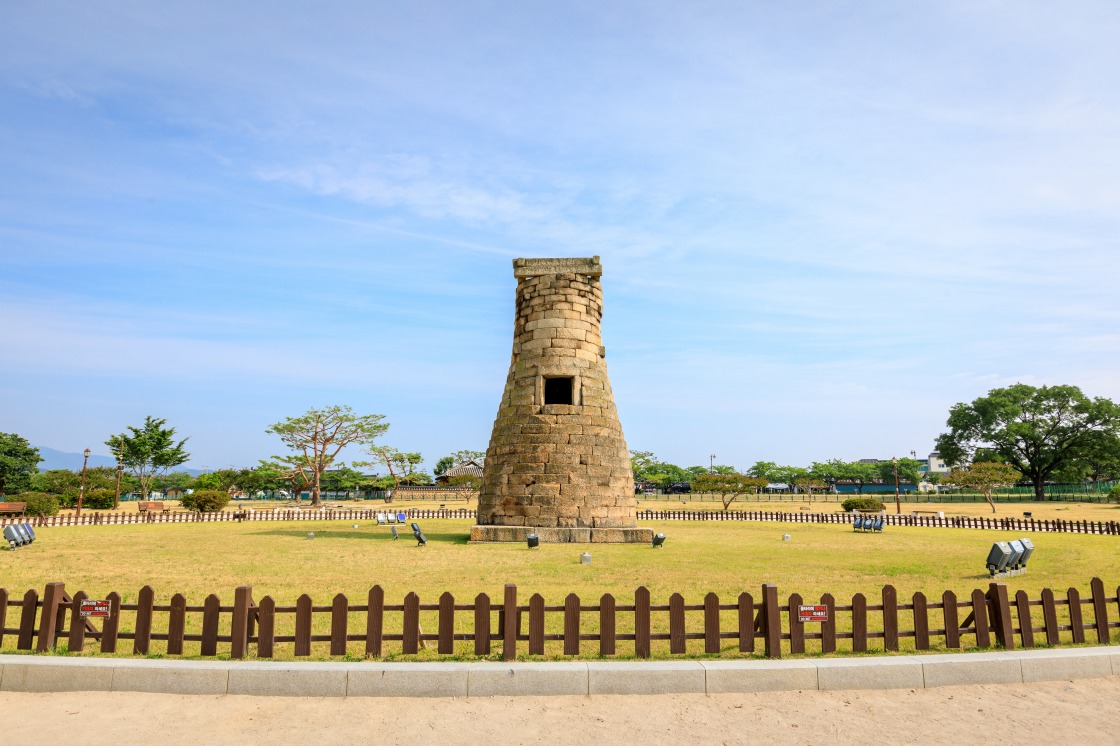
Observatoire Cheomseongdae
L'observatoire Cheomseongdae, dont le nom signifie littéralement « la tour où l'on observe les étoiles », se dresse dans le parc de Wolseong à Gyeongju, ancienne capitale du royaume de Silla.
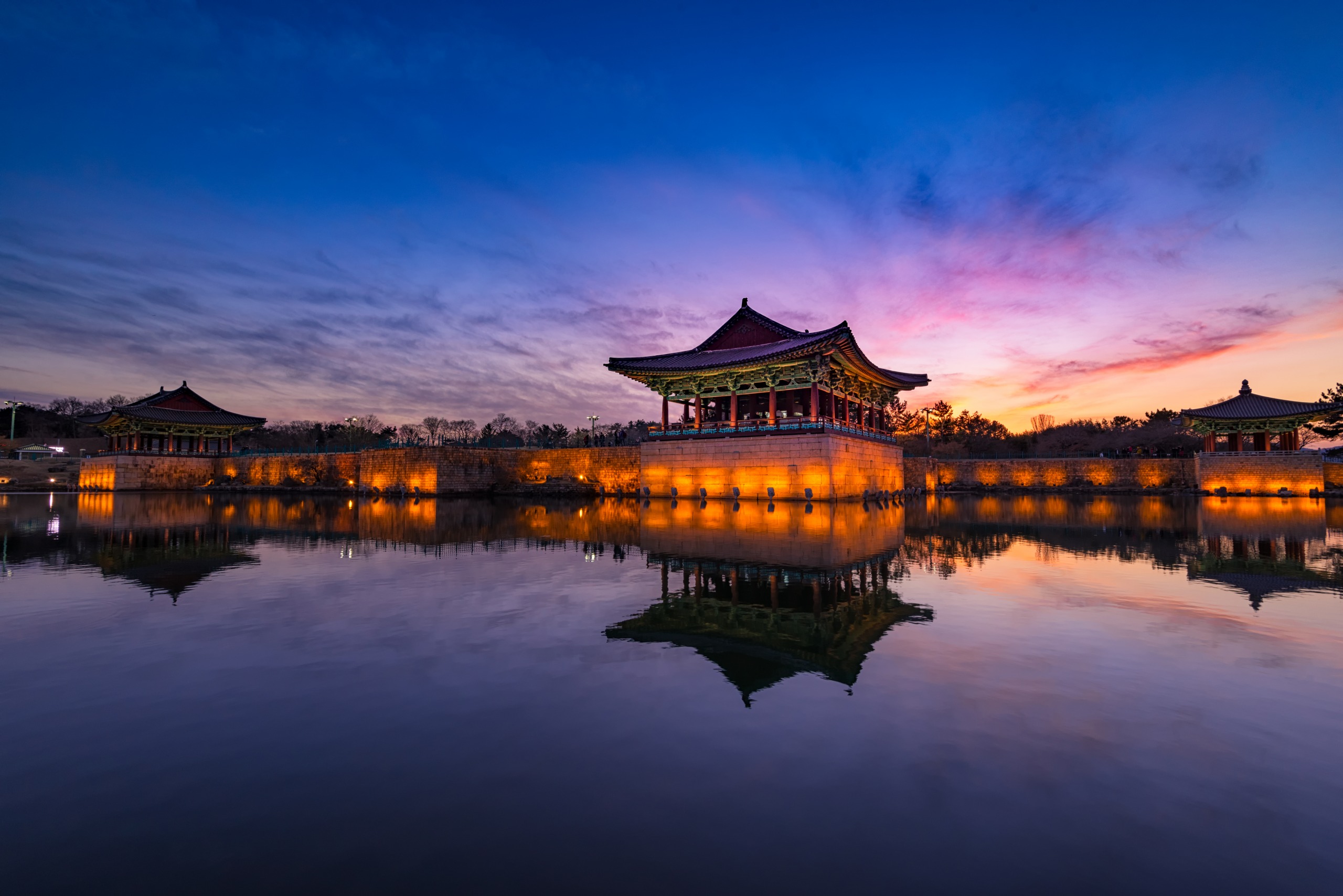
Le palais de Donggung et l’étang de Wolji
Le palais de Donggung et l'étang de Wolji forment un ensemble palatial du royaume de Silla unifié, situé à la lisière du centre historique de Gyeongju.
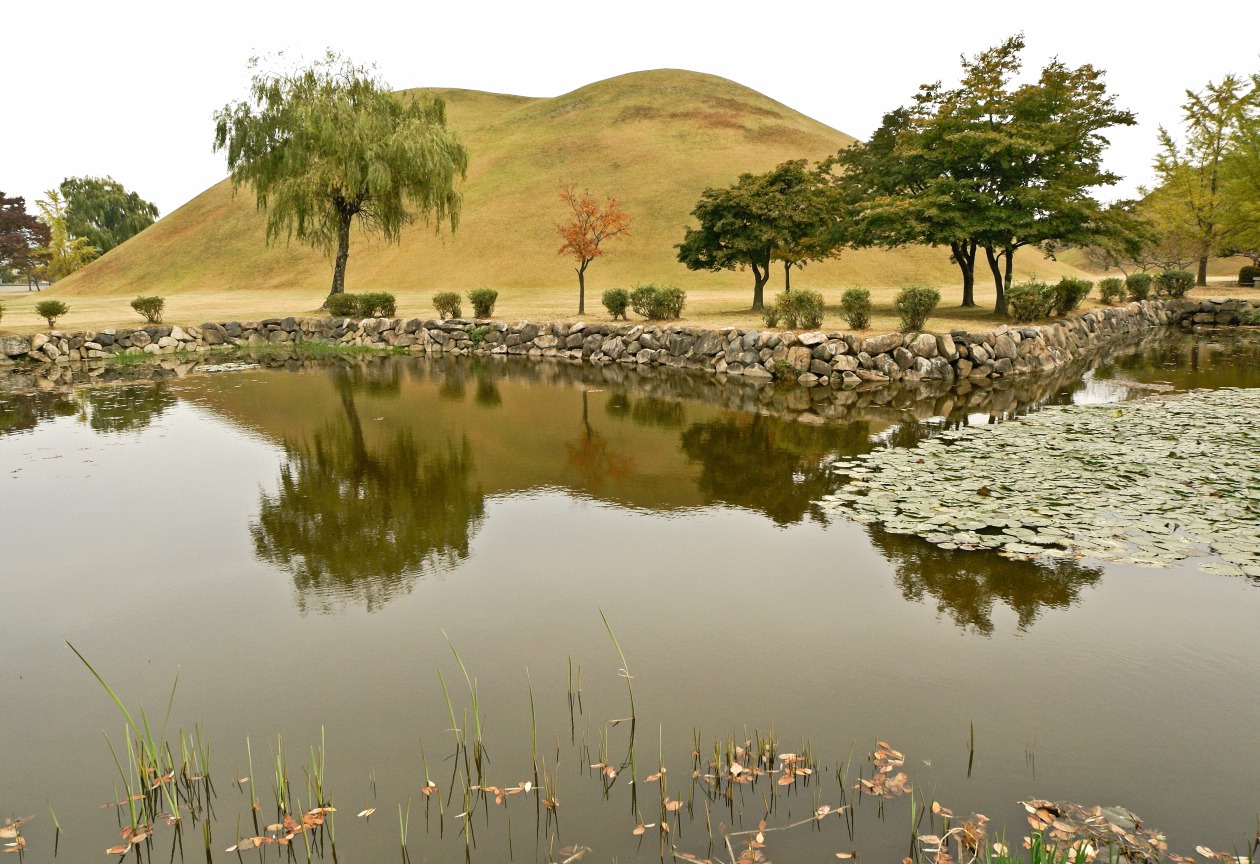
Tombes royales de Daerungwon
Aux abords du centre de Gyeongju, le parc de Daereungwon rassemble 23 sépultures sous forme d'immenses monticules verdoyants. Ces tumuli abritent les dépouilles des rois, des reines
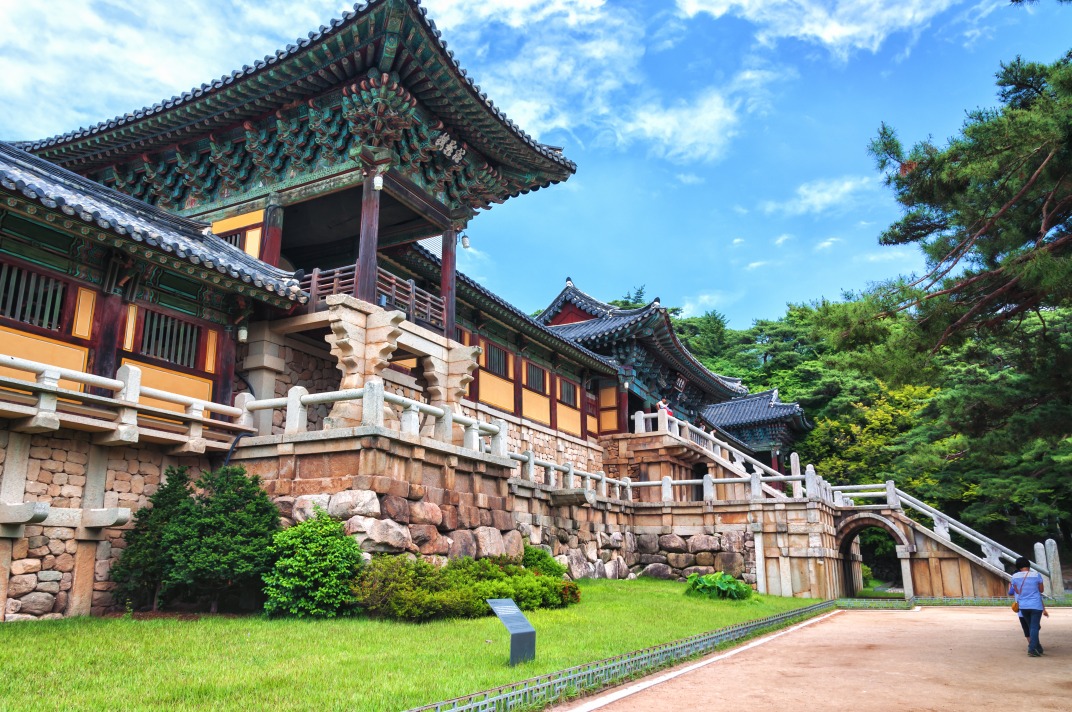
Temple Bulguksa
Sur les pentes boisées du mont Tohamsan, dans la province du Gyeongsang du Nord, le temple Bulguksa domine la plaine de Gyeongju, ancienne capitale du royaume de Silla.
Want to discover this destination?
Our local advisors design your tailor-made trip.