Haedong Yonggungsa Temple
Haedong Yonggungsa Temple
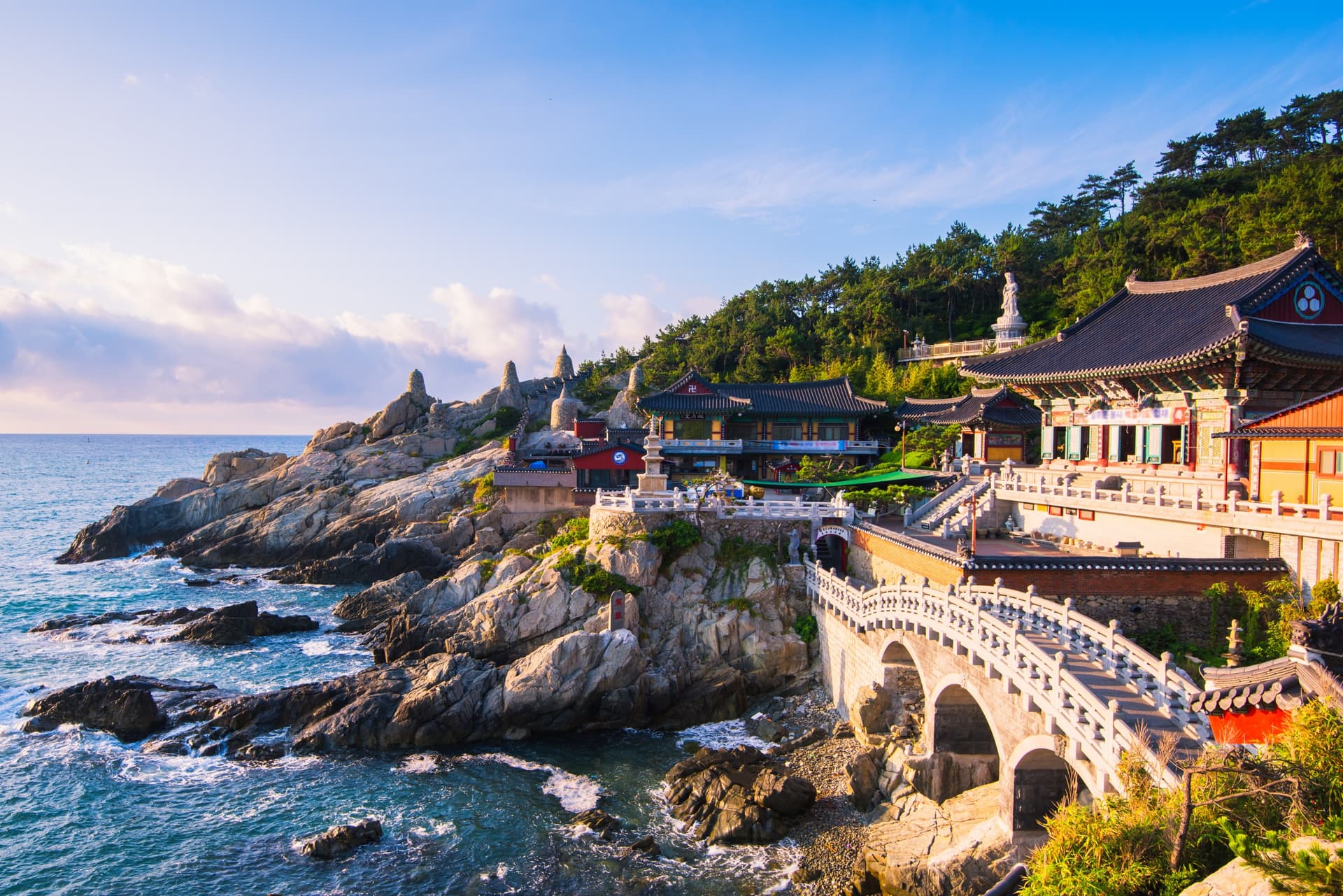
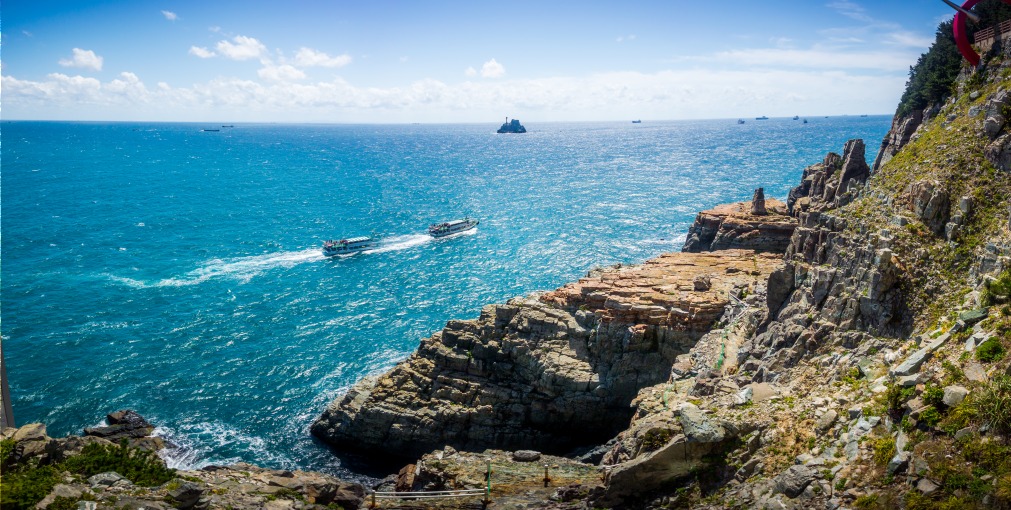
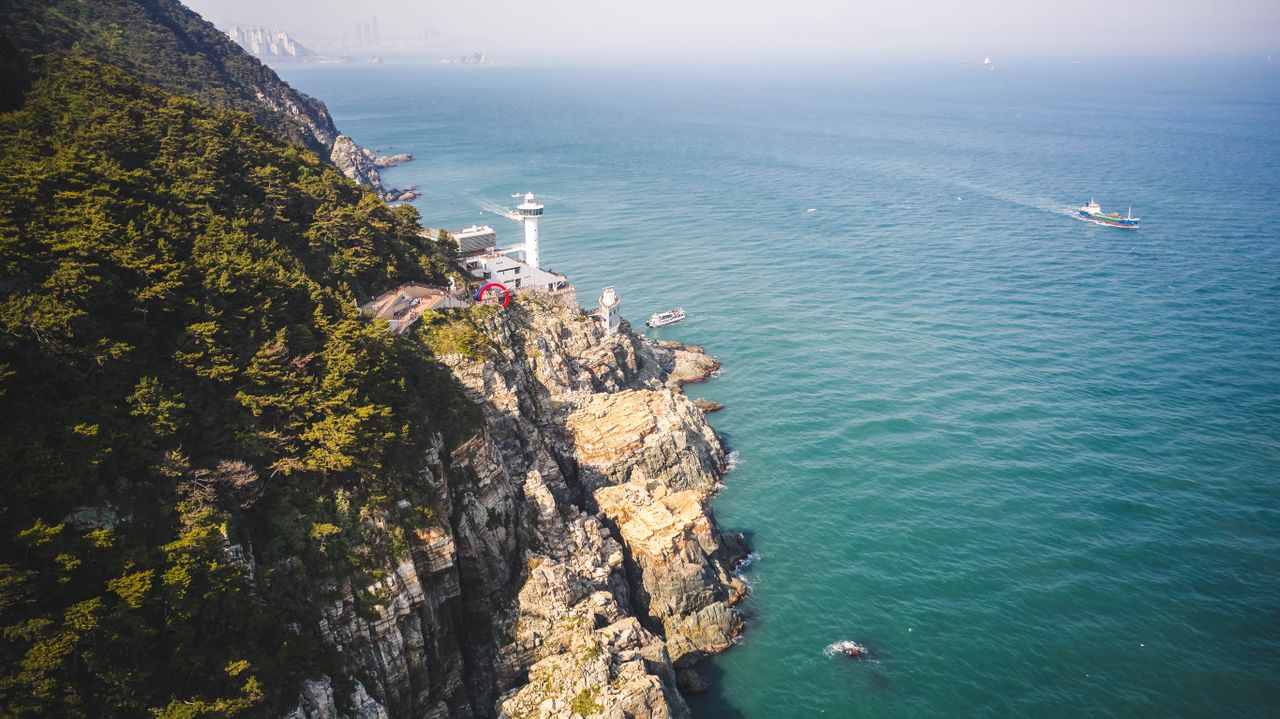
Built in 1376 on the rocky coast northeast of Busan, Haedong Yonggungsa is one of the rare Korean Buddhist temples constructed on the seafront.
Perched on the rocky coast northeast of Busan, Haedong Yonggungsa temple stands among the few Korean Buddhist sanctuaries built directly overlooking the sea. Its setting, its 108 steps, and its statues cascading between cliff and ocean make it both a living pilgrimage site and a cultural landmark of the city.
Why visit Haedong Yonggungsa
Most Korean temples nestle in the mountains. Haedong Yonggungsa breaks the mold: it opens directly onto the Sea of Japan, and the murmur of waves accompanies your visit. The site condenses the essence of Korean Buddhist symbolism within a few hundred meters—the Chinese zodiac, the path of 108 steps, multiple sanctuaries, votive statues—set against a rare coastal landscape. The inscription at the entrance captures the site's purpose: "Your sincere prayers may grant at least one of your wishes."
Temple history
The temple was built in 1376 during the Goryeo dynasty by the monk Naong. Tradition holds that a sea god appeared to him in a dream, asking him to construct a sanctuary to relieve a drought afflicting the land at the time. Naong searched for a site matching the divine description before settling on this rocky coastline.
The site was devastated during the Japanese invasions of 1592–1598 and lay in ruins for centuries. Monk Ungang undertook its reconstruction in the 1930s. The temple, initially known as Bomun, was renamed Haedong Yonggungsa in 1974.
What to see
The twelve zodiac deities promenade
The entrance path is lined with twelve stone statues representing the animal deities of the Chinese zodiac. According to Korean mythology, these guardians protect the earth and ward off malevolent spirits. Visitors often pause before the statue corresponding to their birth year.
The 108 steps
The main staircase comprises 108 steps, referencing the 108 stages leading to enlightenment in Buddhist tradition. The descent winds through a small bamboo grove, interspersed with stone lanterns and sculptures, including the Podae-hwasang, an incarnation of Mireuk-bul, the future Buddha. An official sunrise contemplation platform is marked along the way and offers the finest panoramic view of the temple facing the sea.
The stone wish bridge
Access to the main sanctuary is via a stone bridge where visitors toss coins to make a wish, echoing the temple's motto that at least one sincere wish can be granted.
Sanctuaries and statues
The complex is spread across several structures. The main Daeungjeon sanctuary forms its heart; alongside it, the Yongwangdang shrine dedicated to the sea dragon king and the Buddhist Gulbeop sanctuary deserve attention. At the center stands a three-tiered pagoda adorned with four lions, symbolizing respectively joy, anger, sorrow, and happiness.
Notable statues include Yaksayore-bul, the Medicine Buddha, Jigang-bosal, the Bodhisattva associated with the afterlife, and the grand Gwaneum Daebul, a Buddhist goddess deity positioned near the sea and visible from most vantage points on the site.
When to visit
The temple welcomes visitors year-round, though two seasons stand out. In spring, from March to May, cherry blossoms line the entrance approach. In April (by the lunar calendar), Buddha's Birthday festivities bring hundreds of lanterns lighting the grounds, particularly striking at dusk. The sunrise over the sea from the dedicated platform is another highlight cherished by early-morning visitors.
How to get there
From central Busan, take Metro Line 2 to Haeundae Station, Exit 7, then bus 181 to Yonggungsa Temple stop. A large stone marks the entrance, and a signposted path leads to the temple a short walk away. Taxis remain a direct option to reach the entrance without transfers. A small market near the entrance sells snacks and souvenirs before or after your visit.
Practical information
- Opens at dawn; check exact hours with the temple as they vary by season.
- Entrance typically free—confirm on-site as policies may change.
- Plan 1.5 to 2 hours to traverse the steps, sanctuaries, and viewing platform.
- Respectful dress recommended, as the site is an active place of worship.
- Comfortable shoes essential: the steps are numerous and ground can be slippery near the sea.
Nearby attractions
A visit combines easily with other regional sites:
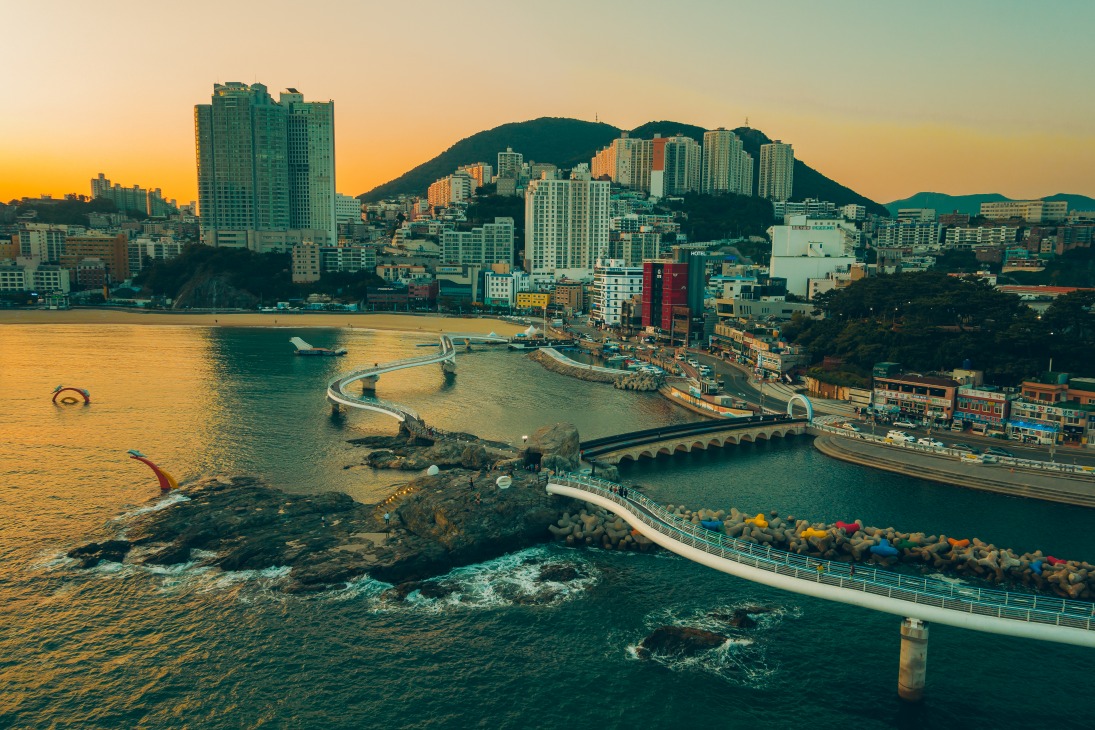
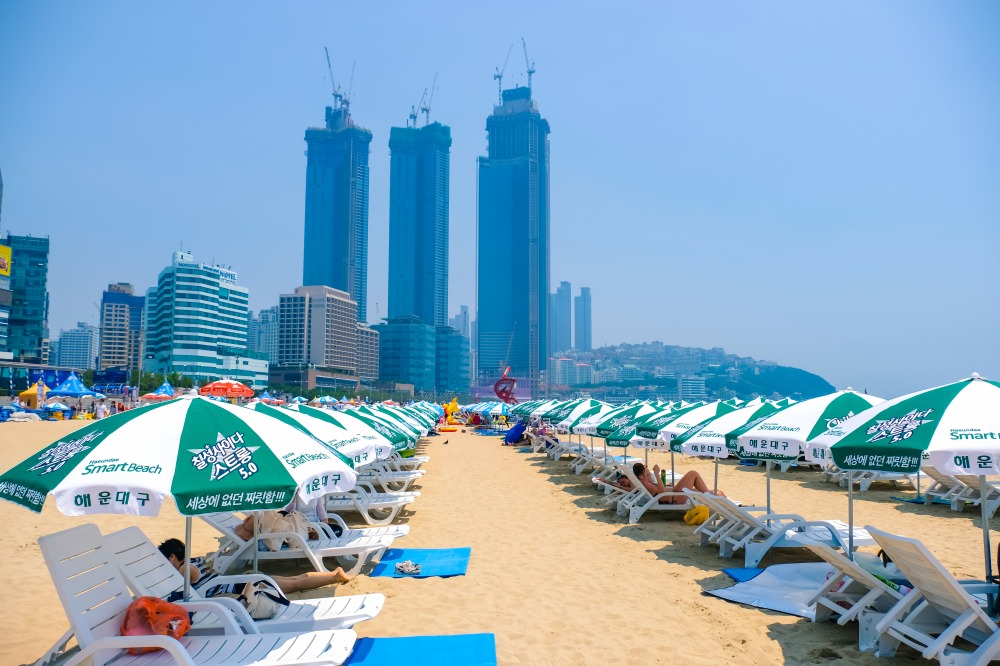
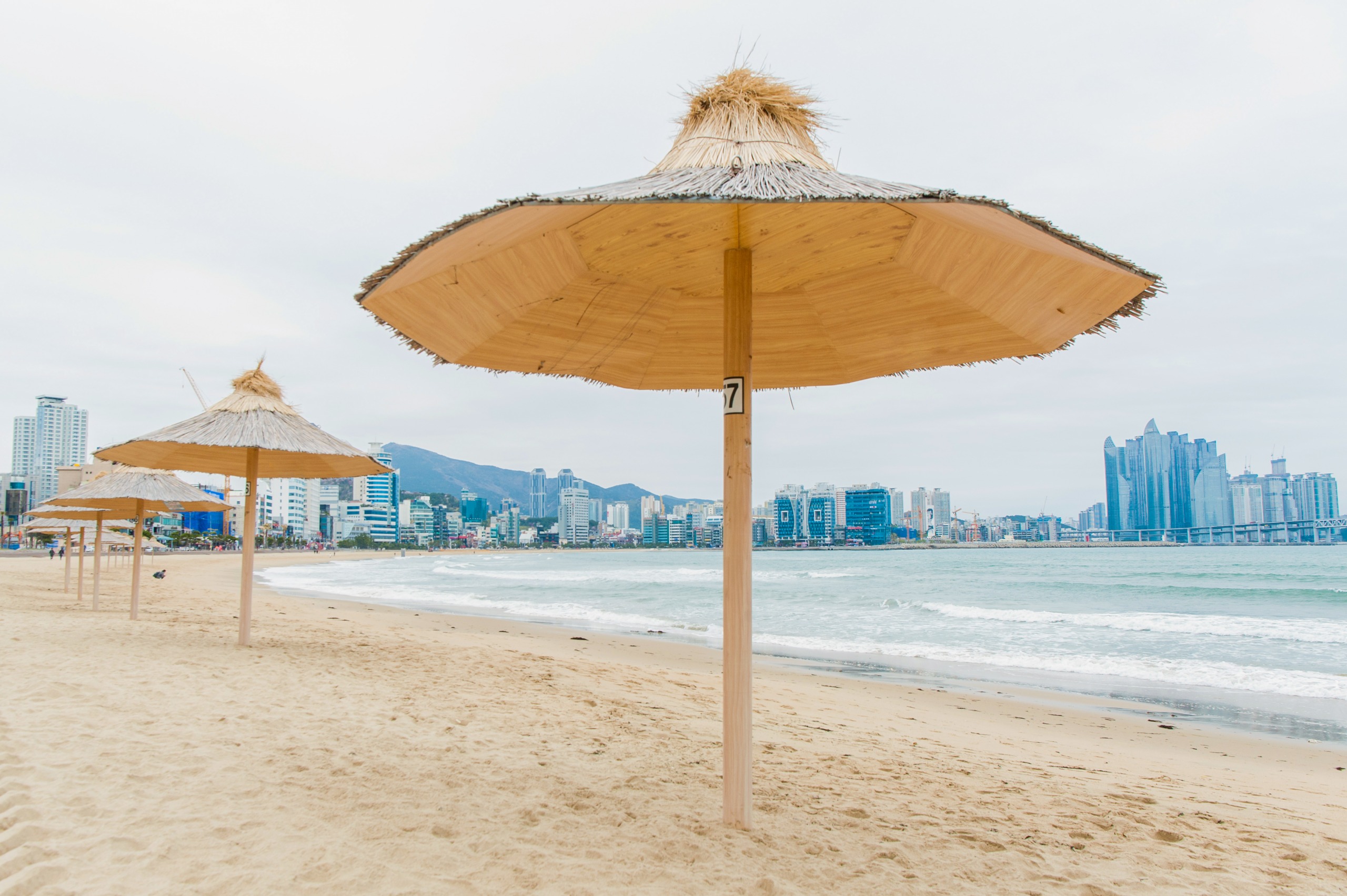
- Haeundae Beach, accessible from the same metro line and ideal for ending your day by the sea.
- Haeinsa Temple, another major Buddhist heritage site, to extend your spiritual exploration.
- Hahoe Village, a testament to traditional Korean architecture.
Frequently asked questions
Frequently asked questions
Access is traditionally free. As this may change, it's wise to verify before your visit.
The temple opens at dawn, allowing you to witness sunrise over the sea from the dedicated platform. Exact hours vary by season.
Allow approximately 1.5 to 2 hours to explore the zodiac pathway, the 108 steps, the sanctuaries, and the panoramic platform at a leisurely pace.
Spring, from March to May, for cherry blossoms, and April (lunar calendar) during the illuminations celebrating Buddha's Birthday.
Metro Line 2 to Haeundae Station (Exit 7), then bus 181 to Yonggungsa Temple stop. A taxi is a direct alternative.
Prepare your journey
Haedong Yonggungsa temple fits naturally into an itinerary combining Buddhist heritage and the southeastern coast. To craft a bespoke journey, explore our South Korea travel ideas.
Nearby
Interested in this visit?
We can include it in your personalised itinerary.