Nagan
Nagan
Naganeupseong, near Suncheon, is one of South Korea's best-preserved fortified villages, featuring Joseon ramparts and heritage-listed thatched houses.
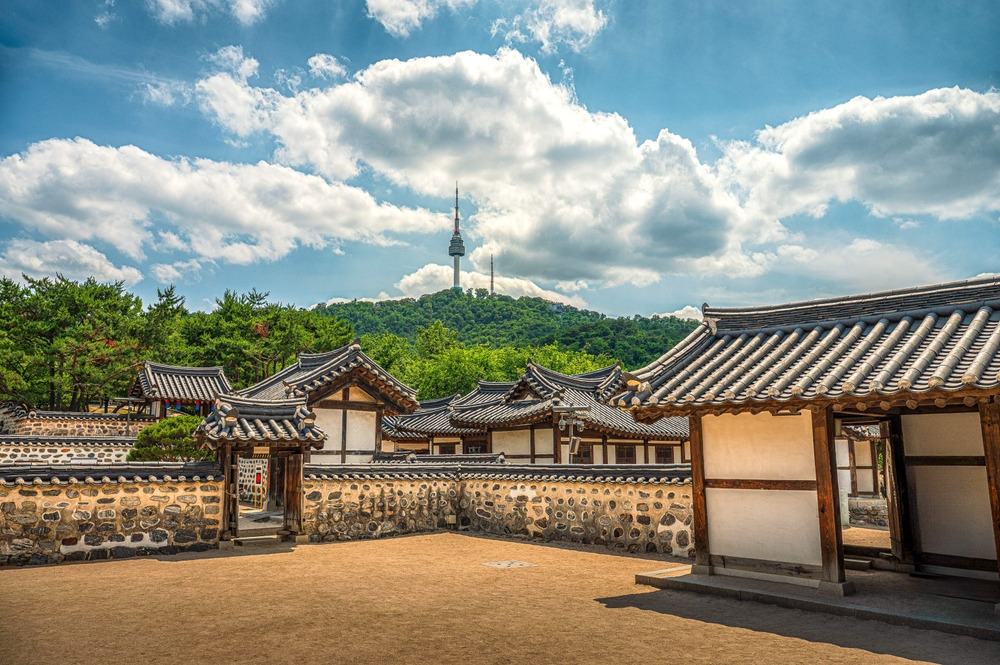
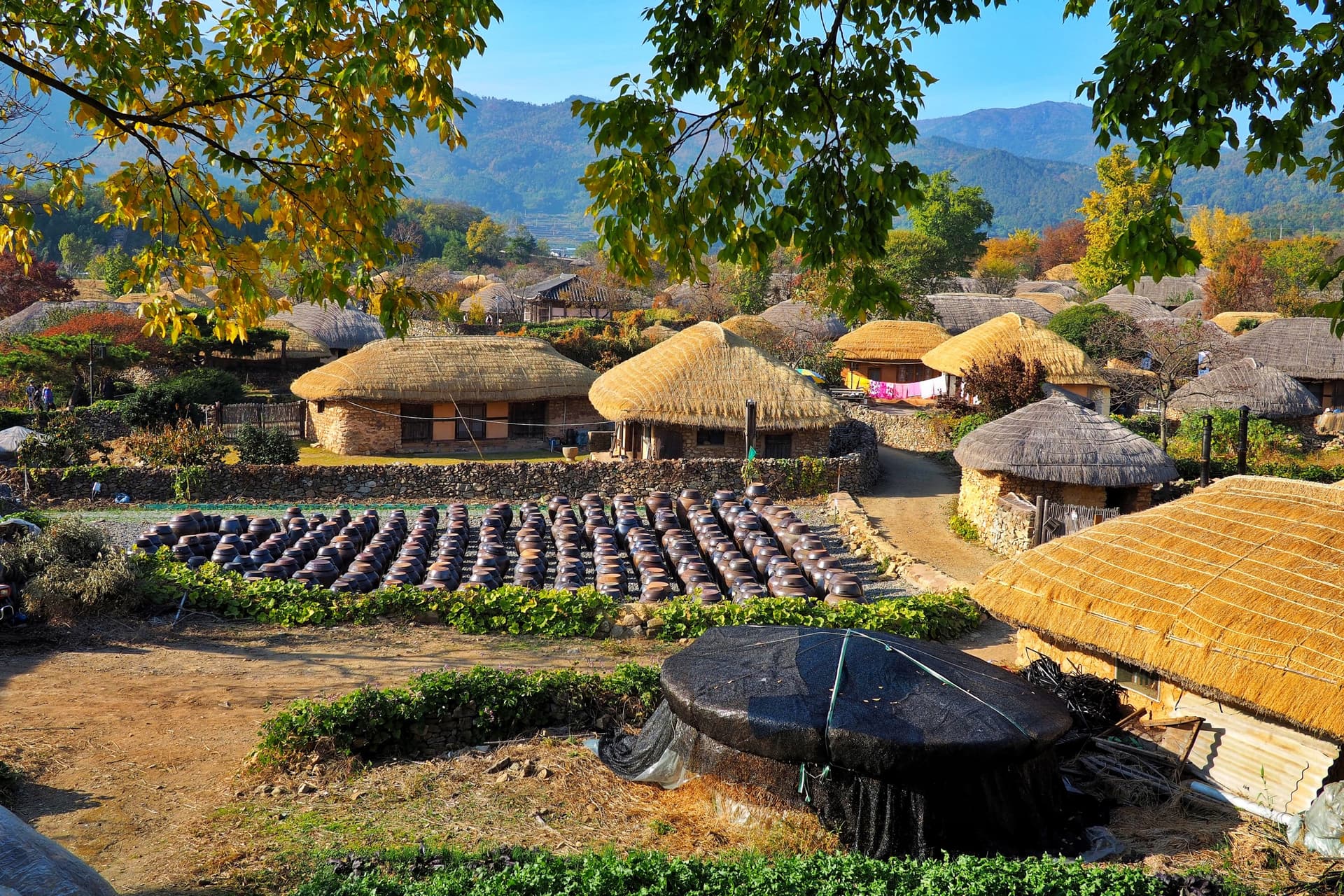
Naganeupseong, more commonly known as Nagan, is a fortified village located in Jeollanam-do Province, north of Suncheon Bay. Often described as South Korea's best-preserved fortified city, it encompasses within its walls thatched houses, administrative buildings, and cobbled alleys that bear witness to village life under the Joseon Dynasty.
Why Visit Nagan
Nagan is one of the rare Korean villages to have preserved both its ramparts, its inhabited traditional houses, and its original urban layout. Unlike museum reconstructions, the thatched houses here remain occupied, giving the site a living quality. History enthusiasts will discover concrete evidence of Joseon defensive architecture, while travelers seeking traditional architecture of southern Korea will observe an ensemble of thatched roofs, stone walls, and interior courtyards rarely found together elsewhere.
History of the Fortress
The site came under regular attack from Japanese pirates in the late Goryeo period. To protect themselves, inhabitants erected earthen ramparts in 1397, at the very beginning of the Joseon era. In 1424, these fortifications were rebuilt in stone to provide greater resistance.
The transformation of the village into a true fortress was led by General Im Gyeong-eop, whose name remains associated with the site. Under his direction, the walls were reinforced and the village's internal organization was structured around administrative buildings designed to house officials on missions. Several of these houses and buildings have survived the centuries in remarkable condition, justifying Nagan's designation as a protected folk village.
What to See
The Ramparts and Alleyways
The stone rampart can be partially walked along the top, offering sweeping views of the thatched roofs and surrounding countryside. Inside, cobbled alleyways connect the dwellings according to a layout that has remained virtually unchanged.
Nine Heritage-Listed Houses
Nine residences in the village are designated as national heritage sites for their architectural value. Several thatched houses date from the 19th century and exemplify traditional rural habitation: daub walls, regularly maintained thatched roofs, enclosed courtyards, and period domestic features (kimchi jars, ondol heating systems).
The Stele of General Im Gyeong-eop
A stele erected in honor of General Im Gyeong-eop pays tribute to the man who structured the village's defense. It remains an important landmark for residents.
When to Visit
Nagan can be visited year-round, but two periods draw particular attention:
- The first lunar full moon (usually in February): a commemorative ceremony honoring General Im Gyeong-eop is organized by villagers, accompanied by folk performances.
- Early October: the Namdo gastronomic festival runs for four days and showcases regional cuisine, including a cooking competition open to the public.
Spring and autumn offer the most pleasant visiting conditions, with mild temperatures and lighting that highlights the thatched roofs.
Practical Information
- Admission: moderate entrance fee, typically a few thousand won per person (verify on-site).
- Duration of visit: allow 1.5 to 3 hours to walk the ramparts and explore the alleyways.
- What to bring: comfortable shoes (uneven paving), water, and sun protection in summer.
- Respect for the site: some houses are privately occupied; be discreet and do not enter private courtyards without permission.
How to Get There
From Seoul, the simplest option is to take an intercity bus to Suncheon Terminal. From there, several local bus lines (for reference, lines 61, 63, or 68) serve Nagan. The journey between Suncheon and Nagan takes approximately 50 minutes. Since schedules and line numbers are subject to change, it is advisable to verify with the terminal or the tourist office upon arrival.
Nearby Attractions
The Suncheon region offers several natural extensions to your Nagan visit:
- Suncheon Bay and its wetlands, renowned for their reed beds and migratory birdlife.
- Suncheon Bay Gardens, about thirty minutes by bus away.
- For comparison with another major historical village, the UNESCO-listed Hahoe village in the neighboring province.
Travelers continuing to Seoul can enhance their stay with traditional districts such as Insadong or Itaewon, and those drawn to volcanic landscapes can tackle the climb to Hallasan on Jeju Island.
Frequently Asked Questions
Frequently asked questions
Include Nagan in Your Journey
Nagan works well as a stop on a circuit through southern Korea, complementing Suncheon, Yeosu, or Gwangju. To build a tailor-made itinerary incorporating traditional villages, natural sites, and major cities, explore our South Korea trips.
Interested in this visit?
We can include it in your personalised itinerary.