The Climate in South Korea
One thing is certain: the climate affecting South Korea is a rare case in Asia. The country experiences generally four distinct seasons, each quite different from the others. Located at the border with North Korea and off the coast of Japan, the peninsula reveals tremendous climatic variety.
One thing is certain: the climate affecting South Korea is a rare case in Asia. The country experiences generally four distinct seasons, each quite different from the others. Located at the border with North Korea and off the coast of Japan, the peninsula reveals tremendous climatic variety. The region even confirms that you can encounter scorching temperatures or, conversely, intense cold. However, the dominant climate is temperate monsoon.
Falling within the East Asian monsoon region, South Korea experiences hot, humid summers followed by long, dry, cold winters. Average temperatures typically range from −10°C during winter to 30−35°C during summer.
Precipitation is most abundant from June through August (summer months). During these periods, the air is warm and laden with humidity.
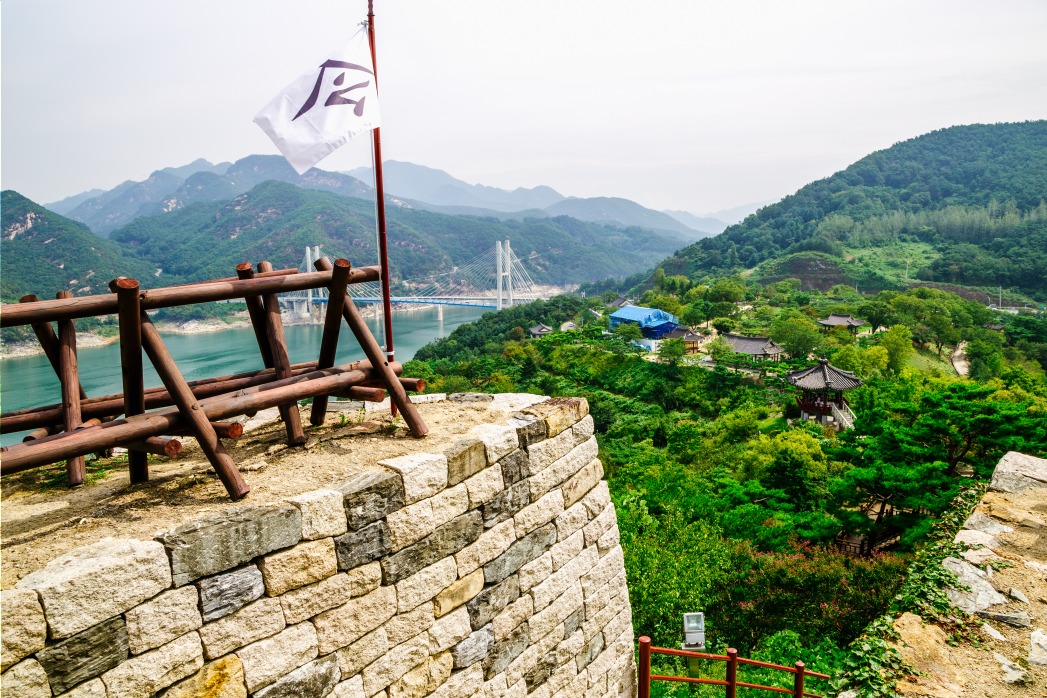
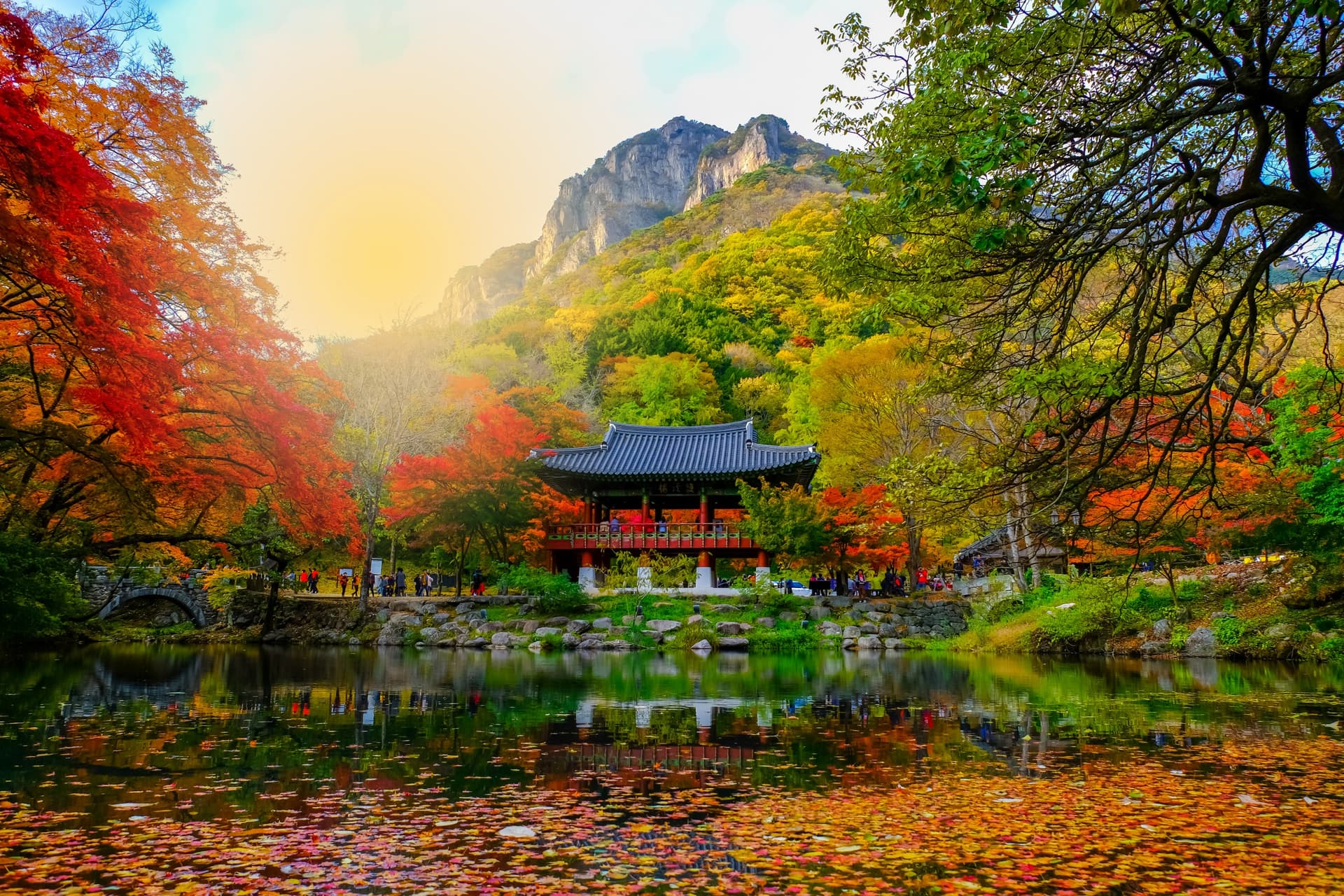
Spring and autumn are brief seasons, yet remarkably pleasant, with cool air and often sunny days. The landscape takes on magnificent colors—from flowering cherry blossoms in spring to the orange and red hues of autumn leaves. These are undoubtedly the finest seasons to visit South Korea.
The climate of South Korea can be understood in three ways: the far south, the north, and the coastal regions.
Climate of the Far South
In the far south, particularly on Jejudo Island, the climate of South Korea is exceptionally warm. It is, in fact, the country's hottest region. Still, heavy rains arrive with winter, largely due to proximity to the equator.
Climate of the North
In winter, while much of South Korea experiences snowfall, it is in the north—particularly in ski stations like Muju—where you'll find the lowest temperatures. In Seoul, South Korea's capital, winters are equally harsh during this season. In summer, the heat is bearable, though humidity remains persistently high, especially during July.
Coastal Climate
Somewhat more exposed to trade winds, the South Korean coastline nonetheless enjoys a very pleasant climate. Moreover, it is far less vulnerable than its neighbors—China, the Philippines, and Taiwan—to typhoons. These typically pass in late summer, occasionally causing flooding with considerable damage.
The Best Time to Travel to the Peninsula
The ideal travel seasons are the intermediate periods, with a particular preference for autumn, especially between mid-September and late October (mild and dry air, averaging 14°C). Spring is pleasantly mild (11°C), though rainfall is frequent.
What to Pack for South Korea
Winters are severe. Conversely, summers being hot and humid, T-shirts and shorts are very welcome. Be sure to bring layers for cool spring and autumn evenings, as well as for places where air conditioning is ubiquitous (restaurants, shopping centers, vehicles, metro systems...).