Discover Suwon and its Hwaseong Fortress: Must-See Attractions
Built between 1794 and 1796, Hwaseong Fortress is a historic site designated as a UNESCO World Heritage site.
Built between 1794 and 1796, the Hwaseong Fortress is a historic site designated as a UNESCO World Heritage site. This emblematic monument of Suwon was erected at the request of King Jeongjo for both defensive purposes and to house his father's tomb... Discover this fortress city, just a stone's throw from Seoul.
What are the must-see attractions at Hwaseong Fortress?
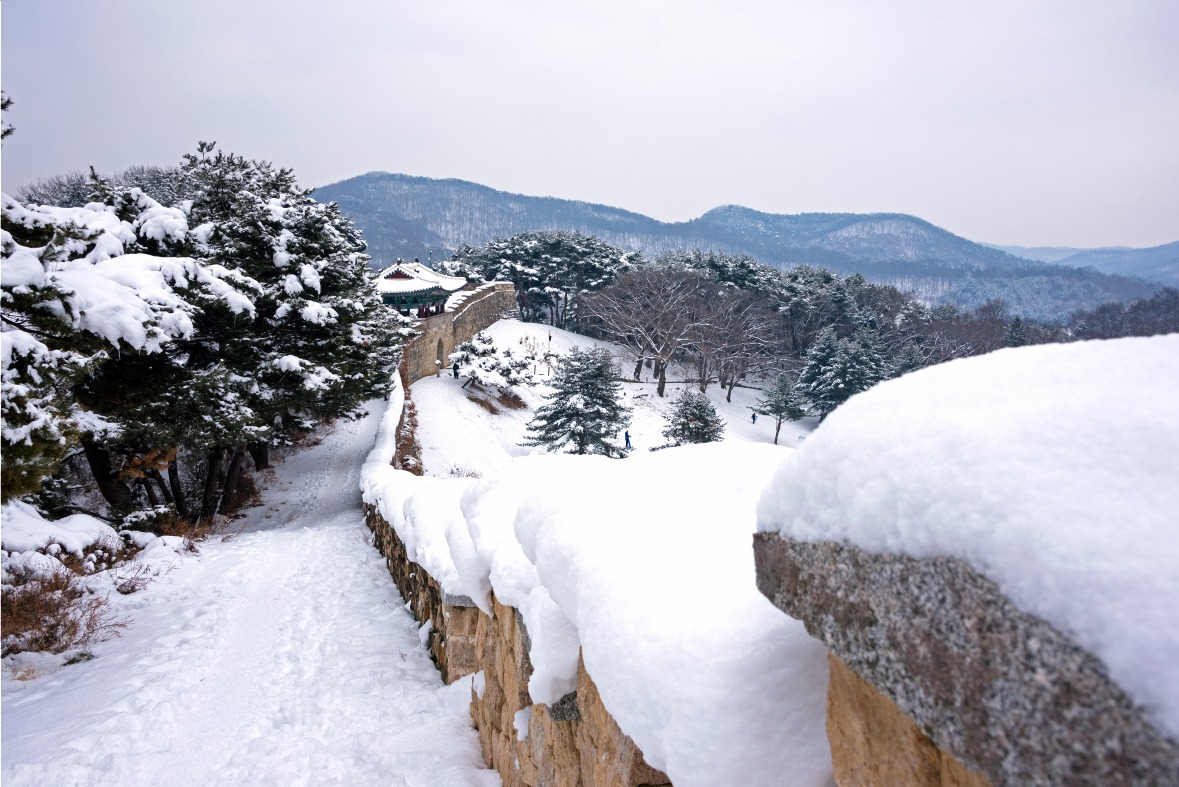
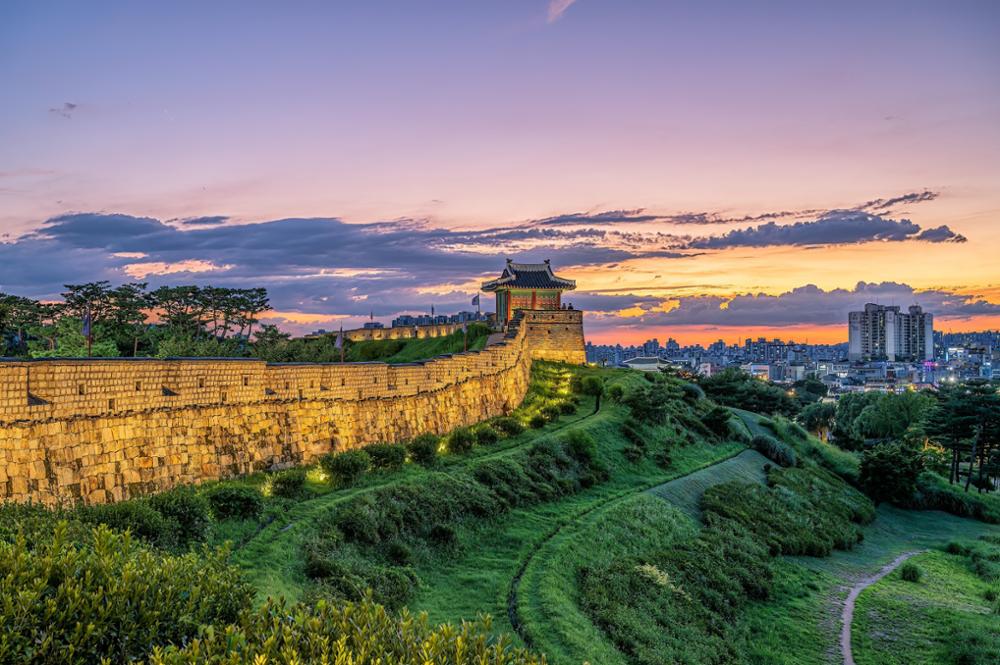
The Hwaseong Fortress surrounds the city center of Suwon – the largest city (and capital) of Gyeonggi Province. Its ramparts stretch nearly 6 km and follow the rolling topography of the region… Accessible to all, this walk does involve some uphill sections!
During your stroll, you'll admire bastions (pentagonal fortifications) and artillery towers (military structures designed to house heavy artillery, such as cannons).
Suwon's Walls and Its Four Gates
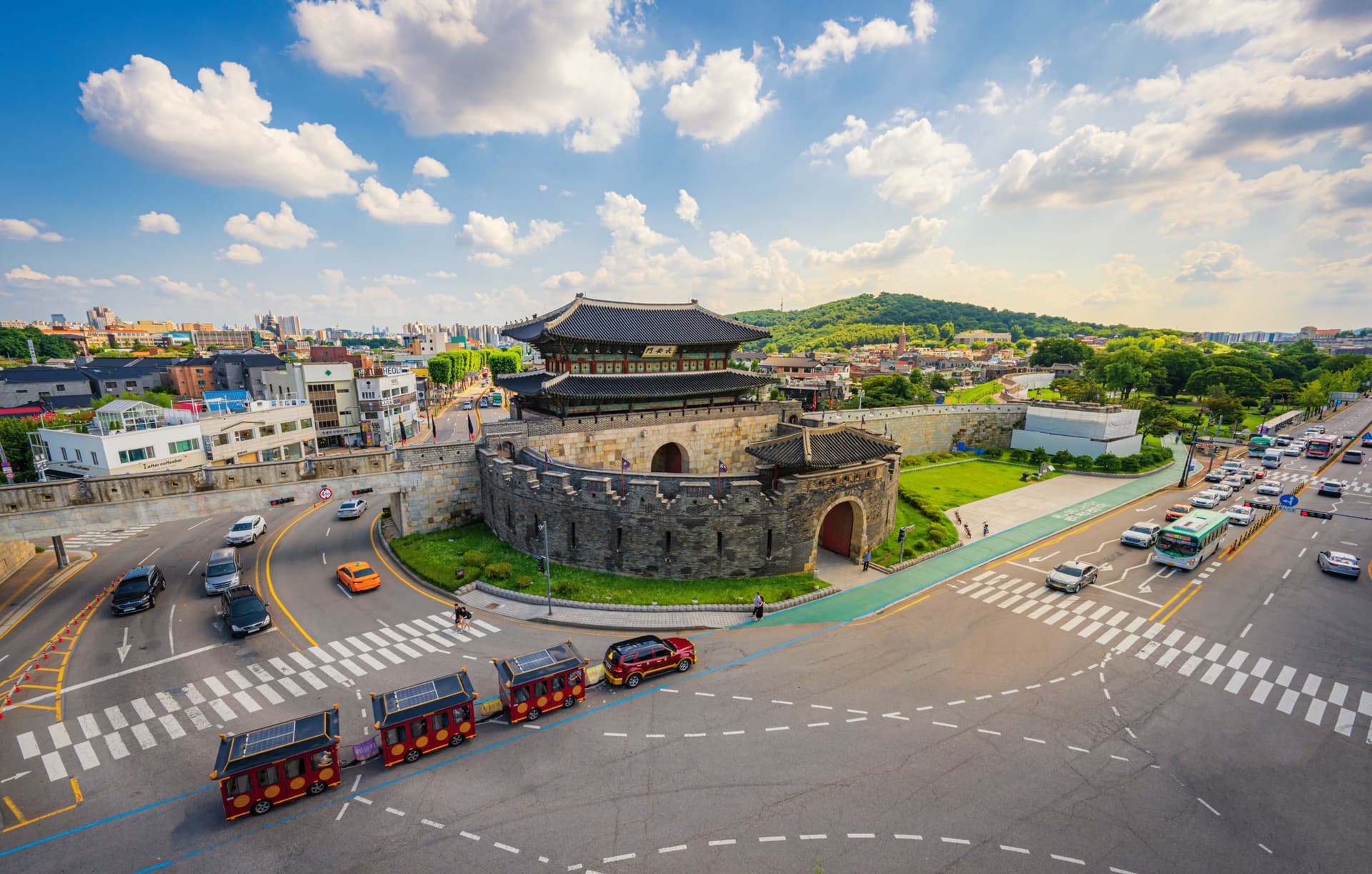
This architectural treasure from the late 18th century features four gates (facing the four cardinal directions):
● Paldalmun (south gate, destroyed during the Korean War, later rebuilt in the 1970s),
● Janganmun (north gate),
● Hwaseomun (west gate),
● Changnyongmun (east gate).
The Janganmun and Paldalmun gates (the most impressive) are topped with two-story pavilions, while the other two feature only a single level. Throughout your walk, the walls offer stunning panoramic views of Suwon and its surroundings!
Hwaseong Haenggung Temporary Palace
Inside the fortress, you'll discover the Hwaseong Haenggung temporary palace. Why temporary? Because the building served as a secondary royal residence. Visitors can tour the structure, which is open daily from 09:00 to 18:00 (approximately €2 entrance fee).
To Know The fortress ramparts don't require special equipment (apart from sturdy shoes). However, note that some sections consist entirely of stairs, and others are quite steep. Walking along the walls is therefore not suitable for strollers. |
What Else Is There to See and Do in Suwon (and Surroundings)?
Lunch at Suwon Chicken Alley
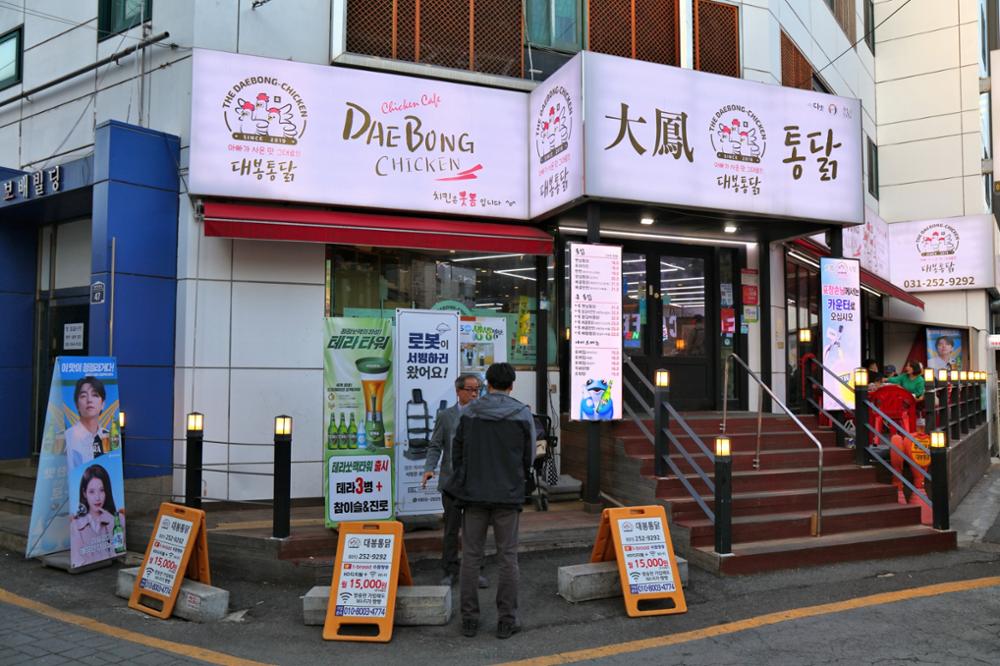
Suwon Chicken Alley is an atypical avenue located in downtown Suwon. Indeed, it features only restaurants dedicated to chicken preparation, and more specifically, dakgalbi – a Korean dish made with marinated chicken, vegetables, and spicy sauce. An opportunity to taste the famous dakgangjeong (Korean fried chicken).
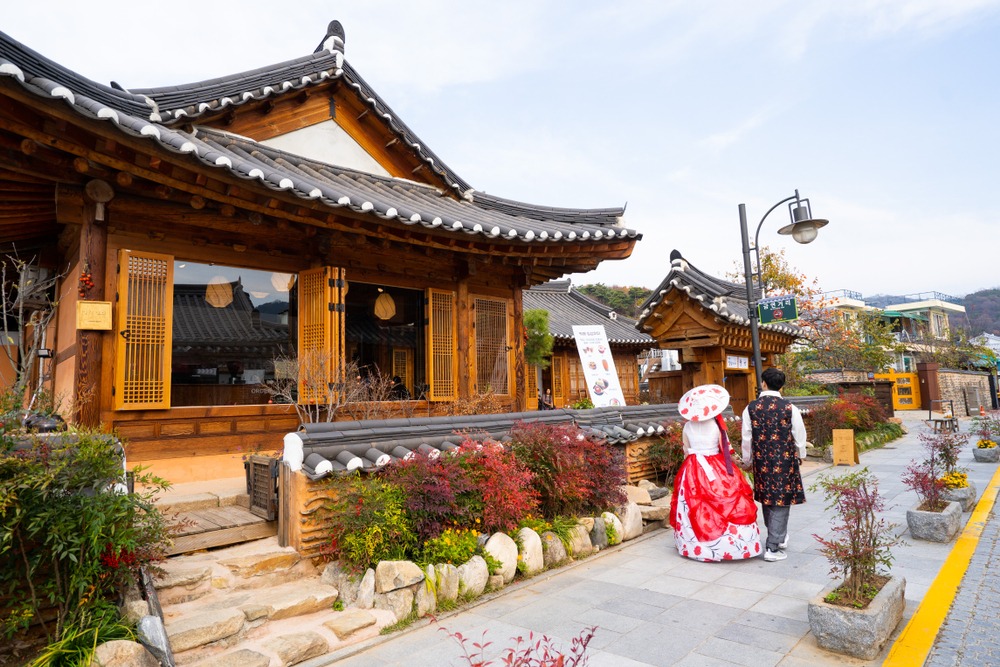
Enjoy Suwon's Peaceful Atmosphere
Suwon is a city located just around thirty kilometers from Seoul. Yet, this city of nearly 1.2 million inhabitants is renowned for its gentleness and peaceful atmosphere. There are several reasons for this. First, there is less road traffic than in Seoul, but also far fewer tourists than the South Korean capital, despite the fortress's fame.
Hwaseong Cultural Festival in Suwon
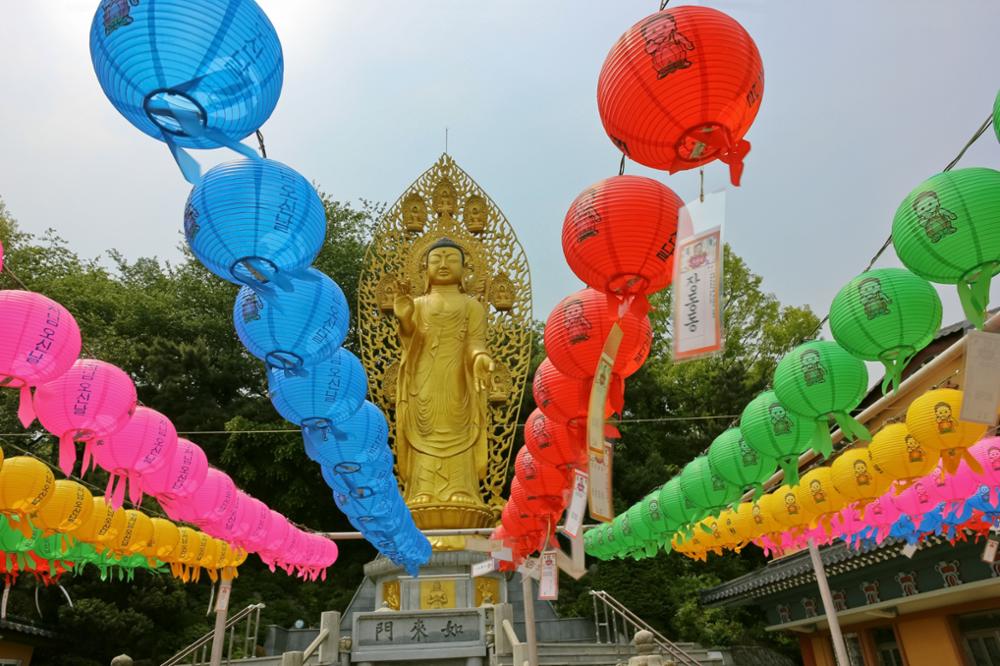
If you visit Suwon in October, you'll have the chance to attend the Suwon Hwaseong Cultural Festival. This is an emblematic event for the city, during which the fortress is illuminated. Throughout the festival, organized in honor of King Jeongjo, a parade and performances of martial arts and traditional dances are offered.
Visit Mr. Toilet House Museum
Located approximately 40 minutes by metro from downtown Suwon, Mr. Toilet House is an unusual venue, as it's a museum dedicated to latrines! Opened in 2012, the place was reportedly created to honor Suwon's former mayor (Sim Dae-Juck).
The reason? He had commissioned numerous sanitary facilities throughout Suwon – and opened a house dedicated to their proper use… After his death, the place became a museum. On site, numerous works (sculptures, objects, drawings, etc.) detail the evolution of toilets through the centuries... Free entry.
Stroll Through Gwanggyo Lake Park
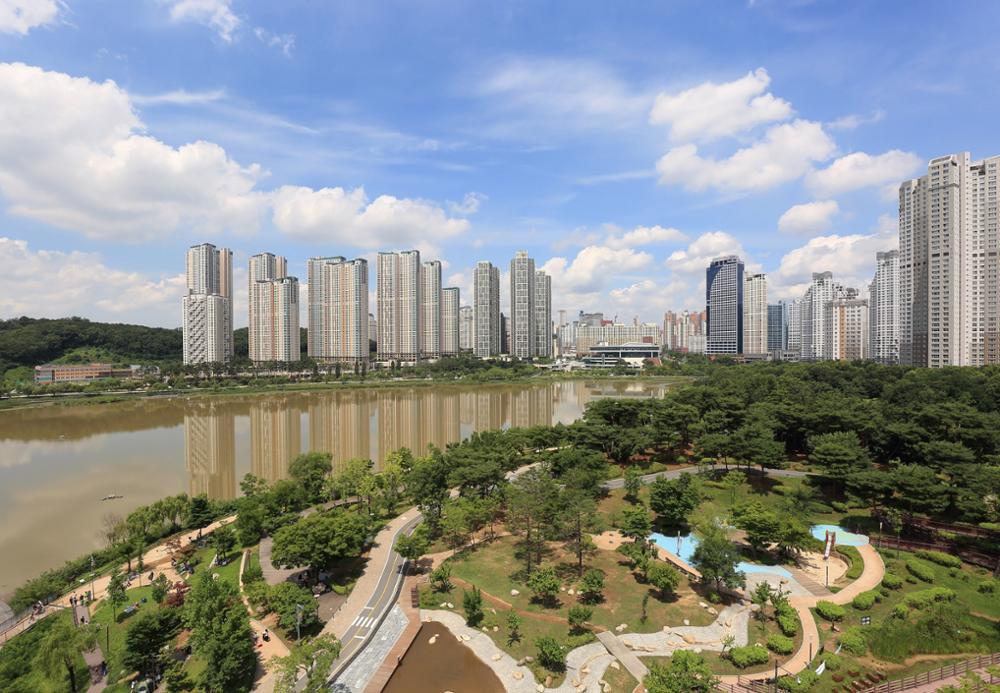
If you're staying two days in Suwon