Visiting the Demilitarized Zone (DMZ) in South Korea
Whether you're a history enthusiast, an adrenaline seeker, or simply curious, the DMZ should feature on your list of must-sees during your trip to South Korea.
Whether you're a history enthusiast, an adrenaline seeker, or simply curious, the DMZ should feature on your list of must-sees during your trip to South Korea. This famous demilitarized zone separates North Korea from South Korea. It's increasingly popular with travellers because it offers insight into the history of these two nations. Above all, the DMZ allows visitors to get as close as possible to North Korea. Here's more about this guided visit that will mark your passage between the two Koreas…
What is the DMZ?
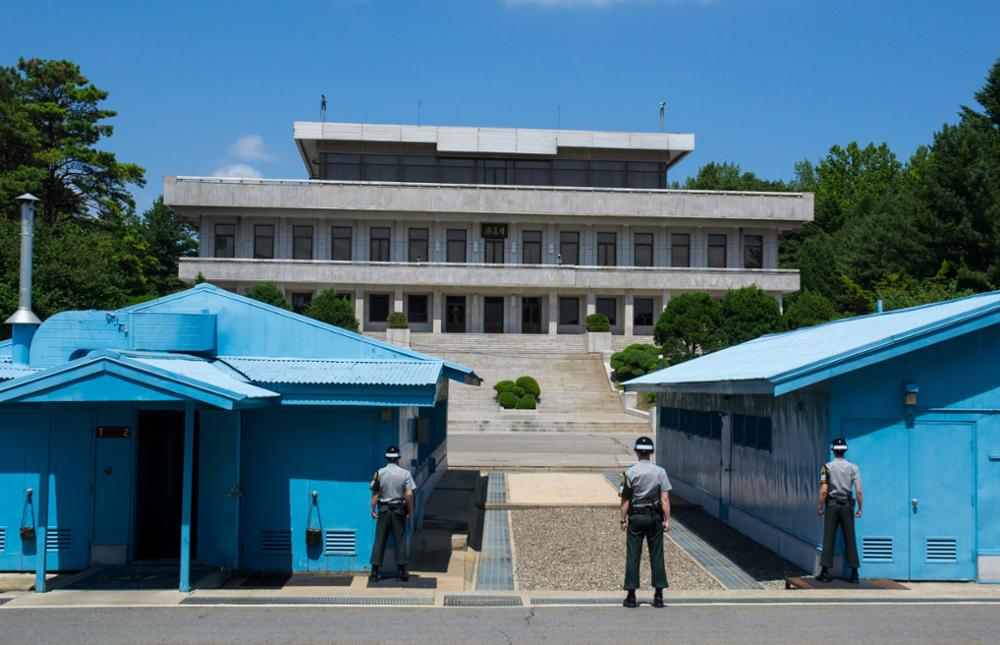
Let's go back in time—specifically to July 27, 1953. From that date onwards, Korea was divided in two by the famous demarcation line: the demilitarized zone (DMZ). Established to prevent military conflict between North and South, the DMZ is both a symbol of division and a representation of a desire for peace between the two nations. Indeed, it was created following the announcement of the Panmunjom Armistice, on July 27, 1953. Stretching 248 kilometers, it separates the two countries with a width of 4 kilometers, which serves as a neutral zone.
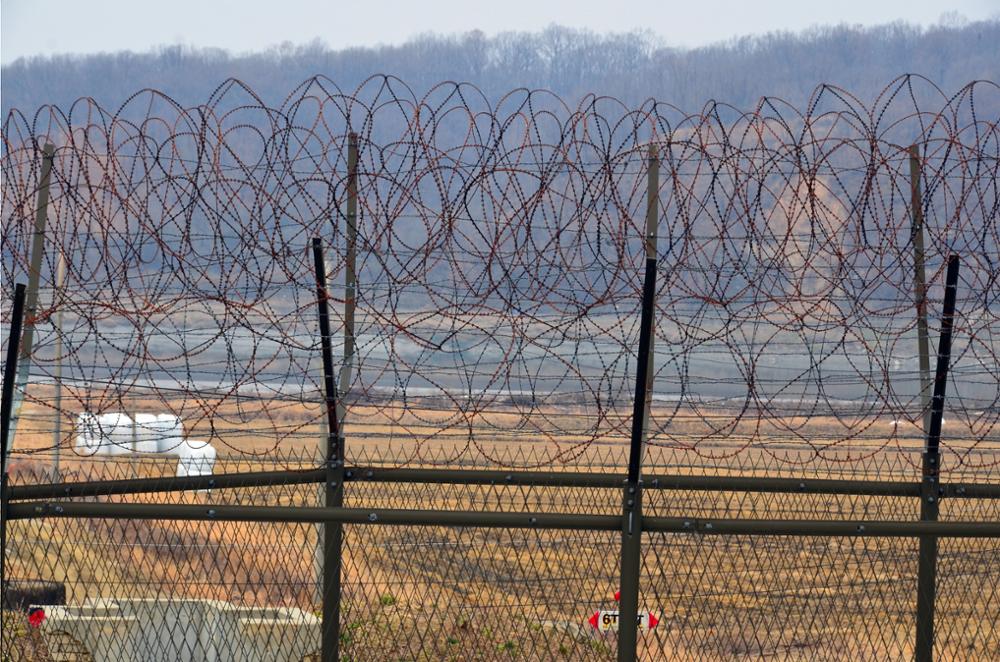
Beyond this famous border, the agreement also provided for the creation of a joint security area, the "Joint Security Area" (JSA), which has been under UN control ever since. It's here that inter-Korean negotiations take place. In other words, it's the only place where the North Korean military and South Korean forces face each other. It's also here that the Military Armistice Commission sits to enforce the ceasefire agreement. In short, the JSA is the sole and only crossing point between North Korea and South Korea!
A visit under control
As you can see, visiting the DMZ means learning more about the incredible history of Korea and its division. It's also getting a dose of adrenaline during your trip to South Korea, in a place where tensions remain palpable. In any case, this demilitarized zone is demilitarized in name only. Indeed, it's estimated that thousands, if not millions, of soldiers still watch over the border between North Korea and South Korea. Given that the zone is still scattered with mines, barbed wire, and vigilant soldiers, it's impossible to visit the DMZ on your own. So if you're planning to visit the DMZ, you need to know the rules in advance, namely:
- You have no choice but to go through an authorised travel agency to visit the DMZ.
- You must absolutely carry a valid passport, which will be checked multiple times during your visit.
- Photography is prohibited except in a few designated areas. Always ask your guide for confirmation before taking out your camera!
- Since visits are controlled, you must book your tour several days in advance (online or directly at a travel agency). The JSA visit, for example, requires booking 72 hours before the tour.
- For military or security reasons, the visit can be cancelled at the last moment with no possibility of refund.
- The DMZ and JSA visit is prohibited for children under 10 years old.
- A dress code is required to enter the zone. Forget flip-flops, sandals, tank tops, shorts, and skirts. Cover your shoulders and knees! If you don't comply, you may be denied entry to the JSA. But don't worry—the agency you're booking with will remind you of all the rules to follow for an optimal visit!
A historical visit and more
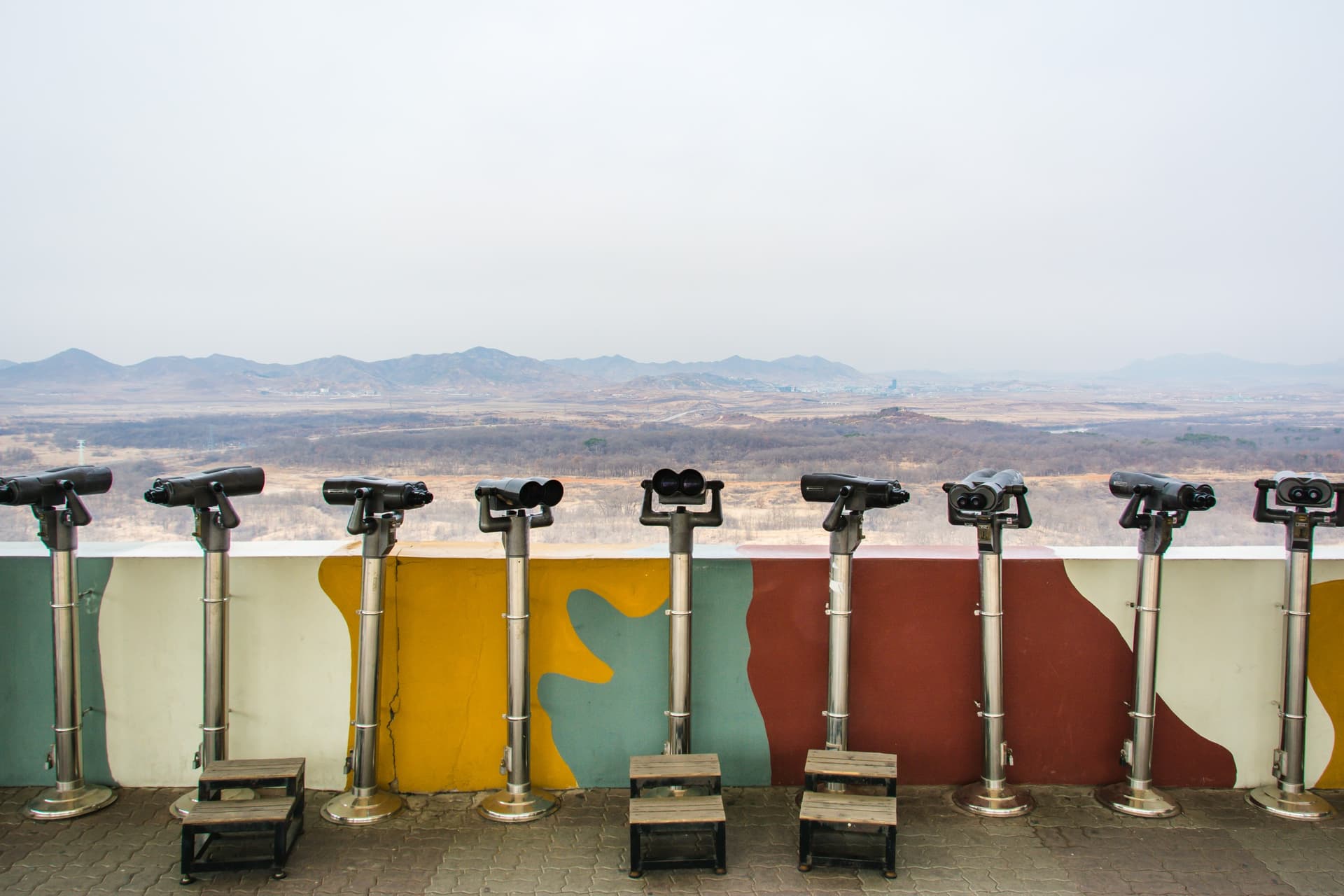
During your visit to the DMZ, your guide will explain the role of this demilitarized zone as well as the joint security area. You'll gain a historical overview of the Korean War from its beginning to today. The visit can last half a day (DMZ only) or a full day (DMZ + JSA). Depending on your tour operator, you can also include visits to other DMZ tourist sites such as the Freedom Bridge, Dorasan Station, Infiltration Tunnels 2, 3, or 4, Tongil Hill, and other observatories where you can catch a glimpse of North Korean life from afar using telescopes, or visit the DMZ Museum…
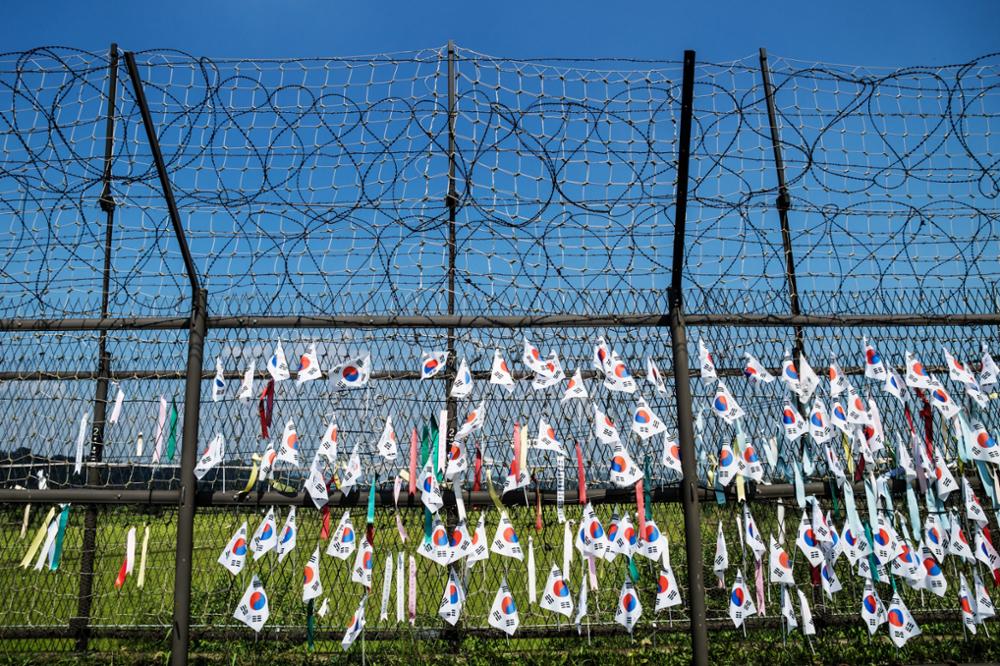
Beyond historical tours, the DMZ is also an opportunity to enjoy a nature break. Since public access to this zone was forbidden for decades, wildlife and flora have flourished in excellent conditions, far from human turmoil. Between rivers and plains, many wild animals have made it their home. If you're among the lucky visitors, you might catch a glimpse of gorals, lynx, or even Asiatic black bears!
Florine Dergelet
Florine Dergelet
A web writer for over 10 years, Florine Dergelet is a traveller driven by the desire to discover the world with an open heart. Each of her articles is an invitation to slow down, to listen, to understand. For her, travelling isn't about ticking countries off a map, but about weaving connections—often invisible but always powerful—with places, peoples, and all manner of creatures from the animal kingdom. Her philosophy? To advise travellers ethically, to raise awareness about animal welfare, respect for cultures, and the importance of humble and sustainable tourism. Because the most beautiful memories are often born far from the spotlight, in the shadow of a trail, in the midst of a conversation, or in the quiet breath of a world we finally take time to truly hear…