Jeonju Hyanggyo
Jeonju Hyanggyo
A former 17th-century Confucian school designated Historic Treasure No. 379, Jeonju Hyanggyo preserves about a dozen buildings and ginkgo trees over 400 years old.
Jeonju Hyanggyo is a former 17th-century Confucian school, designated Historic Treasure No. 379. Located immediately adjacent to the Jeonju hanok village, it comprises around a dozen traditional buildings and remains one of South Korea's largest Confucian schools by size. Still active today, it offers courses on Confucianism and Chinese characters, and regularly hosts traditional weddings.
Why Visit Jeonju Hyanggyo
- A perfectly preserved Joseon architectural complex, designated Historic Treasure No. 379
- Ginkgo trees over 400 years old in the interior courtyard
- A recognized filming location: several Korean dramas and films have been shot here (Love In The Moonlight, Sungkyunkwan Scandal, Princess Hours, YMCA Baseball Team)
- Free admission, a perfect complement to the neighboring hanok village
- A living Confucian school still offering courses and ceremonies
History
During the Goryeo (918-1392) and Joseon (1392-1910) dynasties, hyanggyos were state-run Confucian schools. Under Joseon, these institutions primarily educated yangban children—the educated social class formed according to Confucian ideals and constituting the kingdom's ruling elite. Education focused on preparing students for national civil service examinations, the pathway to official positions in the kingdom.
Jeonju Hyanggyo was founded during the Goryeo dynasty. It was originally located at the current site of the Gyeonggijeon Shrine, in the heart of the hanok village. Destroyed in 1592 during the second Japanese invasion, the school was relocated to its present location in 1603, under King Seonjo's reign.
The site was subsequently designated Historic Treasure No. 379. Several Korean productions have been filmed here, including Love In The Moonlight, Sungkyunkwan Scandal, Princess Hours, and YMCA Baseball Team. Still in operation, Jeonju Hyanggyo today offers courses on Confucianism and Chinese characters, and has become a popular venue for traditional weddings.
What to See on Site
Jeonju Hyanggyo comprises around a dozen buildings arranged around successive courtyards, making it one of South Korea's largest Confucian schools by size.
Daeseongjeon
The ceremonial heart of the hyanggyo, Daeseongjeon is the hall of the Confucian shrine. It is dedicated to Confucius, his direct disciples, and great Confucian philosophers from China and Korea. The surrounding buildings extend this ritual function.
Myeongnyundang and Student Dormitories
The Myeongnyundang served as an amphitheater where teaching took place. Two adjacent buildings functioned as dormitories for Confucian students, who lived on-site during their years of training.
The 400-Year-Old Ginkgos
In the courtyard, several ginkgo trees over 400 years old dominate the grounds. As in most hyanggyos, they were planted to ward off insects, allowing students to concentrate on their studies. These trees are particularly spectacular in autumn, when their foliage turns a brilliant golden yellow.
Ilwolmun
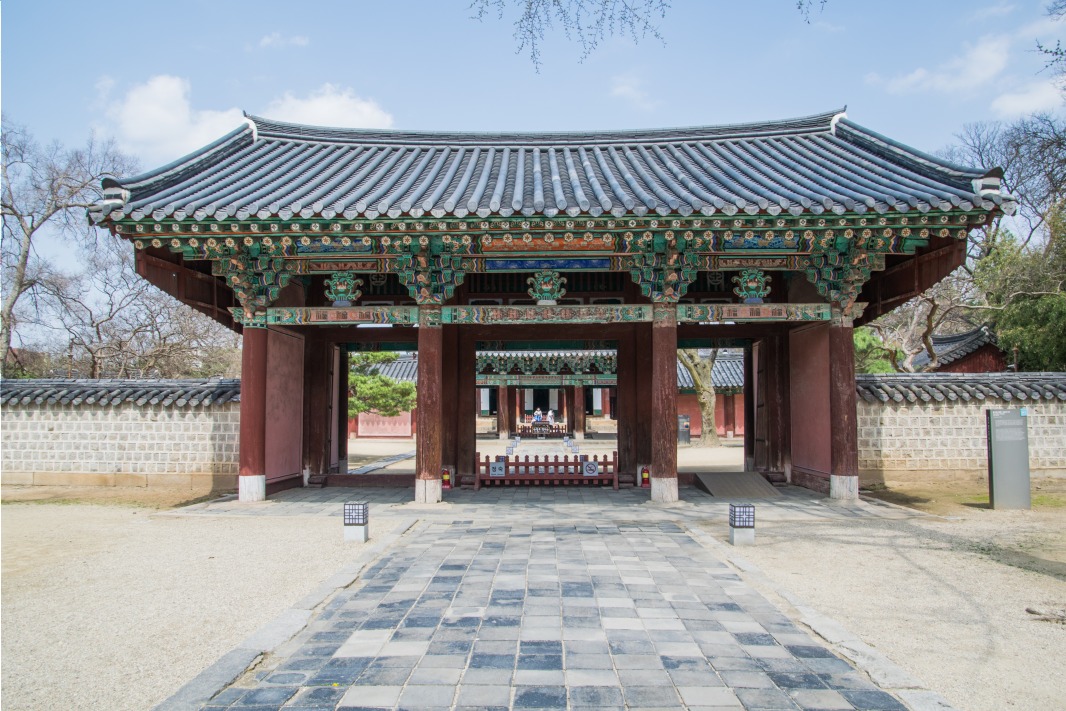
The site also features Ilwolmun, an interior gate composed of three openings. The central one, taller than the others, was historically reserved for the king's passage.
Practical Information
- Admission: Free
- Hours: Open daily during daytime hours (reduced hours in winter) — verify current hours before your visit
- Duration: Plan for 30 minutes to 1 hour to explore the complex
- Best time to visit: Autumn is particularly recommended for seeing the ginkgos in color
How to Get There
Jeonju Hyanggyo is located on the edge of Jeonju's hanok village, accessible on foot from most traditional accommodations in the area. By public transport, the nearest bus stop is Girindae-ro Hanbyeokru / Hanbyeokru Jamanbyeokhwa Maeul, served by bus lines 101, 190, and 430.
Nearby Attractions
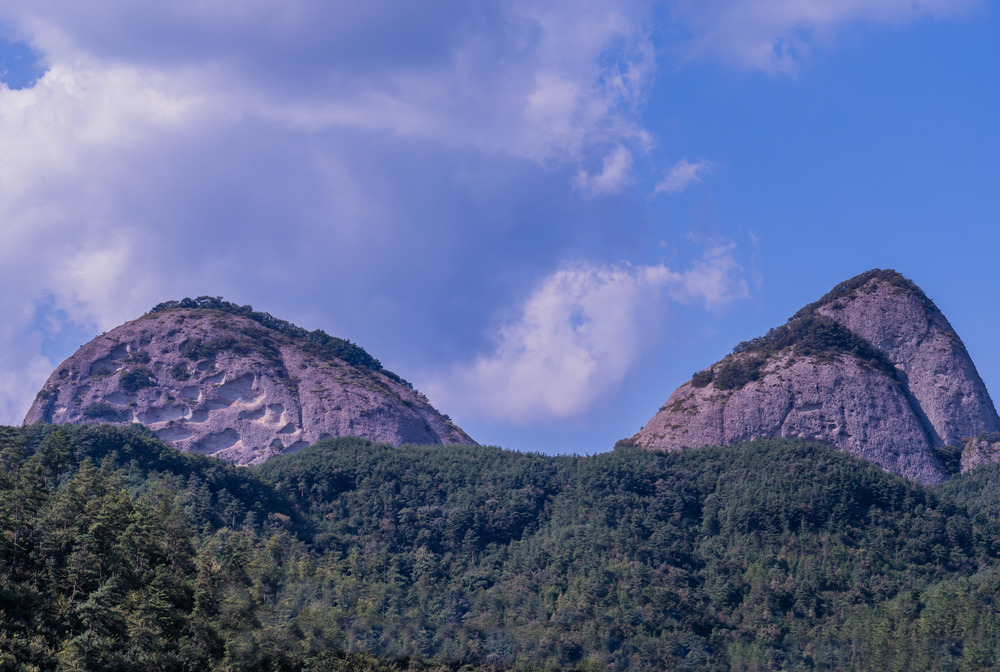
Jeonju Hyanggyo is part of a broader exploration of Jeonju, the historic capital of bibimbap and hanok architecture. The Gyeonggijeon Shrine, occupying the hyanggyo's original site, stands in the heart of the neighboring hanok village. To extend your exploration of the region, Mount Maisan and its twin peaks offer a nature excursion about an hour's drive away, while Magoksa Temple complements your discovery of Buddhist heritage in the neighboring province. For another major Confucian site, Hwaseong Fortress in Suwon is also well worth the detour.
Frequently Asked Questions
Frequently asked questions
A hyanggyo was a provincial Confucian school run by the state during the Goryeo (918-1392) and Joseon (1392-1910) dynasties. These institutions educated yangban children—the educated elite—in preparation for national civil service examinations.
No, admission to the site is free. It is open daily, with reduced hours in winter.
Plan for 30 minutes to 1 hour to explore the main buildings (Daeseongjeon, Myeongnyundang, Ilwolmun) and enjoy the courtyard with its ancient ginkgos.
Jeonju Hyanggyo has served as a filming location for several Korean productions, notably Love In The Moonlight, Sungkyunkwan Scandal, Princess Hours, and YMCA Baseball Team.
Autumn is especially popular, when the 400-year-old ginkgos in the courtyard turn their golden colors. Spring also offers soft light on the wooden architecture.
Include Jeonju in Your Journey
Jeonju Hyanggyo is best explored as part of a broader visit to the hanok village and other historic sites in the city. To build an itinerary combining Confucian heritage, hanok traditions, and Korean landscapes, consult our tailor-made journeys through South Korea.
Nearby
Interested in this visit?
We can include it in your personalised itinerary.